Reptile Egg Binding: Causes, Signs, And Emergency Care
Learn to spot, treat, and prevent egg binding in pet reptiles for healthier breeding seasons.
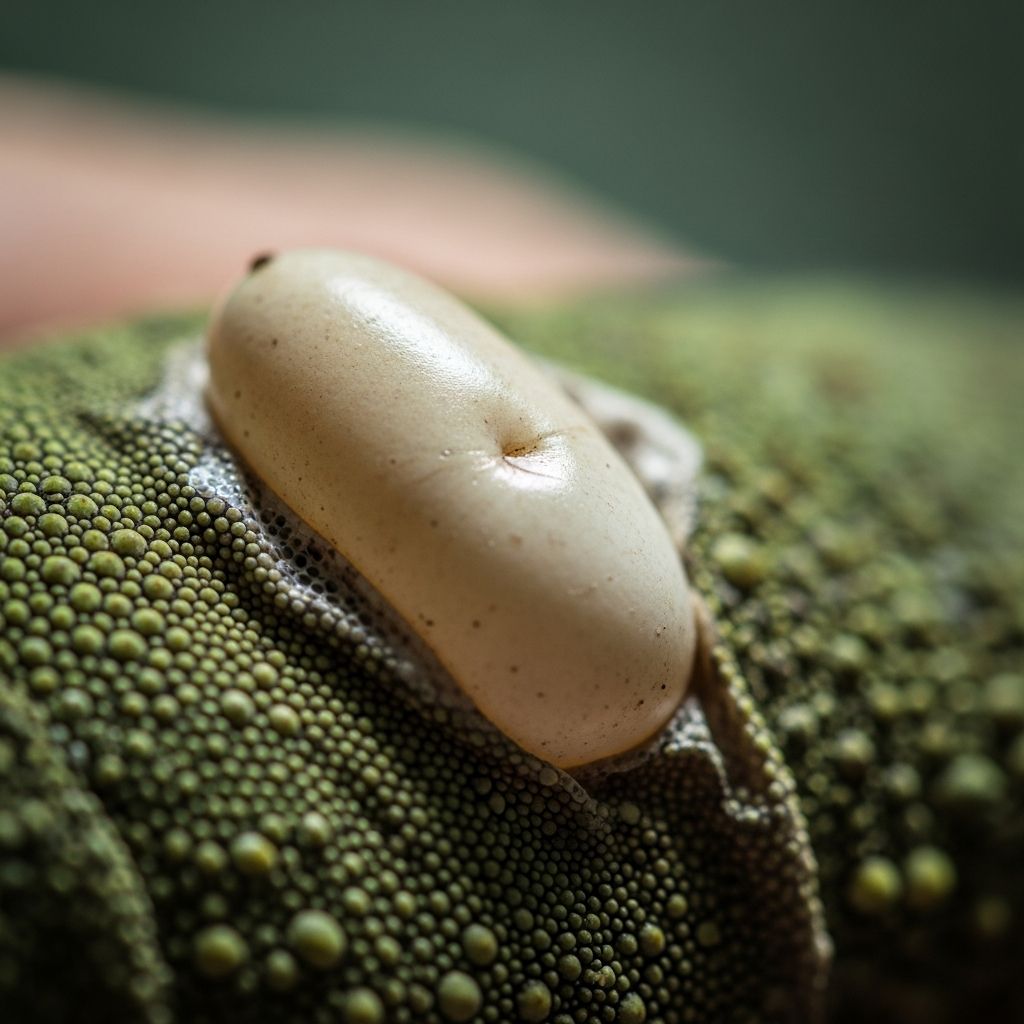
Egg binding, clinically termed dystocia, poses a significant threat to female reptiles attempting to lay eggs. This condition arises when eggs fail to exit the reproductive tract, potentially leading to severe health complications or death if untreated. Common in captive lizards, snakes, and turtles, it often stems from environmental or nutritional shortcomings.
Understanding Dystocia in Pet Reptiles
Dystocia refers to the abnormal or difficult passage of eggs during oviposition in egg-laying reptiles. Unlike live-bearing species, oviparous reptiles rely on strong muscular contractions to expel eggs through the oviduct and cloaca. When this process stalls, eggs remain trapped, causing distress and systemic issues.
In captivity, sedentary lifestyles exacerbate the problem, as reptiles lack the physical conditioning of wild counterparts. First-time breeders and those with prior retentions face higher risks. Early recognition is vital, as progression leads to lethargy, organ strain, and fatality.
Primary Factors Leading to Egg Retention
Several interrelated issues contribute to dystocia. Improper husbandry tops the list, encompassing suboptimal temperatures, humidity deficits, and absent UVB lighting, all disrupting reproductive physiology.
- Nutritional Imbalances: Calcium and vitamin D shortages weaken oviduct muscles, while protein deficits impair egg development.
- Environmental Mismatches: Overly hot or cold enclosures hinder metabolic processes essential for egg expulsion.
- Physical Obstructions: Oversized, misshapen, or stuck-together eggs, pelvic deformities, or abscesses block passage.
- Health and Lifestyle Factors: Dehydration, infections, obesity, and inactivity reduce muscle tone.
- Stress and Behavioral Barriers: Inadequate nesting privacy or handling disrupts natural laying cues.
Captive reptiles often develop poor conditioning from minimal movement, failing to generate sufficient force for delivery.
Recognizing Early Warning Signs
Monitor gravid females closely during breeding seasons. Healthy ones may skip meals but remain alert; dystocia shifts this dynamic dramatically.
| Symptom | Description | Severity Indicator |
|---|---|---|
| Lethargy and Weakness | Sunken eyes, closed lids, unresponsiveness | High – signals exhaustion |
| Abdominal Distension | Swollen belly, visible egg outlines | Moderate |
| Straining Efforts | Gaping mouth, repeated pushing without results | High |
| Appetite Loss | Total refusal of food beyond normal gravid anorexia | Early |
| Behavioral Changes | Restlessness, digging, cloacal prolapse | Moderate to High |
| Respiratory Distress | Labored breathing from abdominal pressure | Critical |
These signs escalate quickly; hind limb paresis or discharge indicates advanced stages.
Diagnostic Approaches for Confirmation
Veterinary assessment is non-negotiable. Palpation reveals firm egg masses, but imaging provides precision.
- Radiography: Visualizes egg count, size, and positioning.
- Ultrasonography: Differentiates viable eggs from infertile or ruptured ones.
- Blood Analysis: Detects dehydration, hypocalcemia, or infections.
- Physical Exam: Checks for obstructions or coelomic effusion.
Distinguishing natural delays from true dystocia requires expertise, as intervention timing is critical.
Effective Treatment Strategies
Treatment escalates from conservative to invasive based on stability.
Supportive Medical Care
Stabilize first: IV or intra-osseous fluids combat dehydration, calcium gluconate bolsters contractions, and vitamins address deficiencies.
Hormonal Stimulation
Oxytocin injections trigger oviduct contractions in stable patients without obstructions. Monitor response closely.
Surgical Interventions
Ovariectomy or salpingotomy removes retained eggs via coeliotomy when medical options fail. Post-op care includes antibiotics and warmth.
Provide a private nest box with moist substrate post-treatment to encourage natural laying if viable eggs remain.
Prevention Through Optimal Husbandry
Proactive management minimizes risks. Tailor enclosures to species needs:
- Maintain precise temperature gradients (basking 95-110°F, cool side 75-85°F).
- Ensure 12-14 hour UVB cycles with proper spectrum bulbs.
- Offer humidity via misting (40-70% depending on species).
- Supply calcium-dusted prey and varied diet.
- Design spacious enclosures promoting climbing and exercise.
- Prepare secluded nest sites with diggable substrate pre-gravid period.
Separate gravid females; avoid stressors. Annual vet checkups catch subclinical issues.
Species-Specific Considerations
Leopard Geckos: Common in fat-storing tails; ensure hides and warmth.
Chameleons: Veiled species show sunken eyes early; hydration critical.
Iguanas: Tall enclosures prevent sedentary dystocia.
Snakes: Monitor for partial clutches.
Turtles: Calcium paramount for shell-formers.
FAQs on Reptile Egg Binding
What if my reptile strains but lays some eggs?
Retained stragglers occur; provide warmth and recheck with vet if no progress in 24-48 hours.
Can egg binding resolve without a vet?
Rarely; supportive home care aids mild cases, but diagnostics prevent complications.
How long can a reptile retain eggs safely?
Species vary, but beyond 2-4 weeks risks sepsis; intervene sooner on symptoms.
Is surgery always needed for dystocia?
No, 50-70% respond to medical therapy if addressed early.
Prevent egg binding in future breedings?
Optimize all husbandry parameters and select proven breeders.
This guide equips owners with knowledge to safeguard reptilian companions. Consult herpetological veterinarians promptly at symptom onset.
References
- Chameleon Medical: Dystocia – Egg Binding — Chameleon Academy. Accessed 2026. https://chameleonacademy.com/chameleon-medical-dystocia-egg-binding/
- Reptiles: Dystocia — VCA Animal Hospitals. Accessed 2026. https://vcahospitals.com/know-your-pet/reptiles—dystocia
- Egg Binding in Reptiles — Ingleside Animal Hospital. Accessed 2026. https://www.ingleside.com/services/other-pets/blog/egg-binding-reptiles
- Dystocia in Reptiles — Anapsid.org. Accessed 2026. https://www.anapsid.org/dystocia.html
- Egg Binding in Birds and Reptiles — Pet Health Network. Accessed 2026. https://www.pethealthnetwork.com/all-pet-health/bird-health-care/egg-binding-birds-and-reptiles
- Dystocia in Lizards — Tree of Life Exotic Pet Medical Center. Accessed 2026. https://treeoflifeexotics.vet/education-resource-center/for-clients/lizards/dystocia-in-lizards
Similar Articles








Read full bio of Sneha Tete