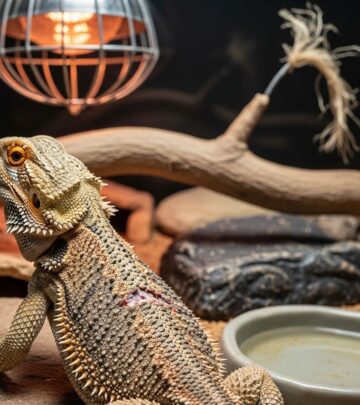
Reptile Care During Power Outages: 7 Essential Kit Items
Expert strategies to safeguard your pet reptiles' health and habitat stability when electricity fails unexpectedly.
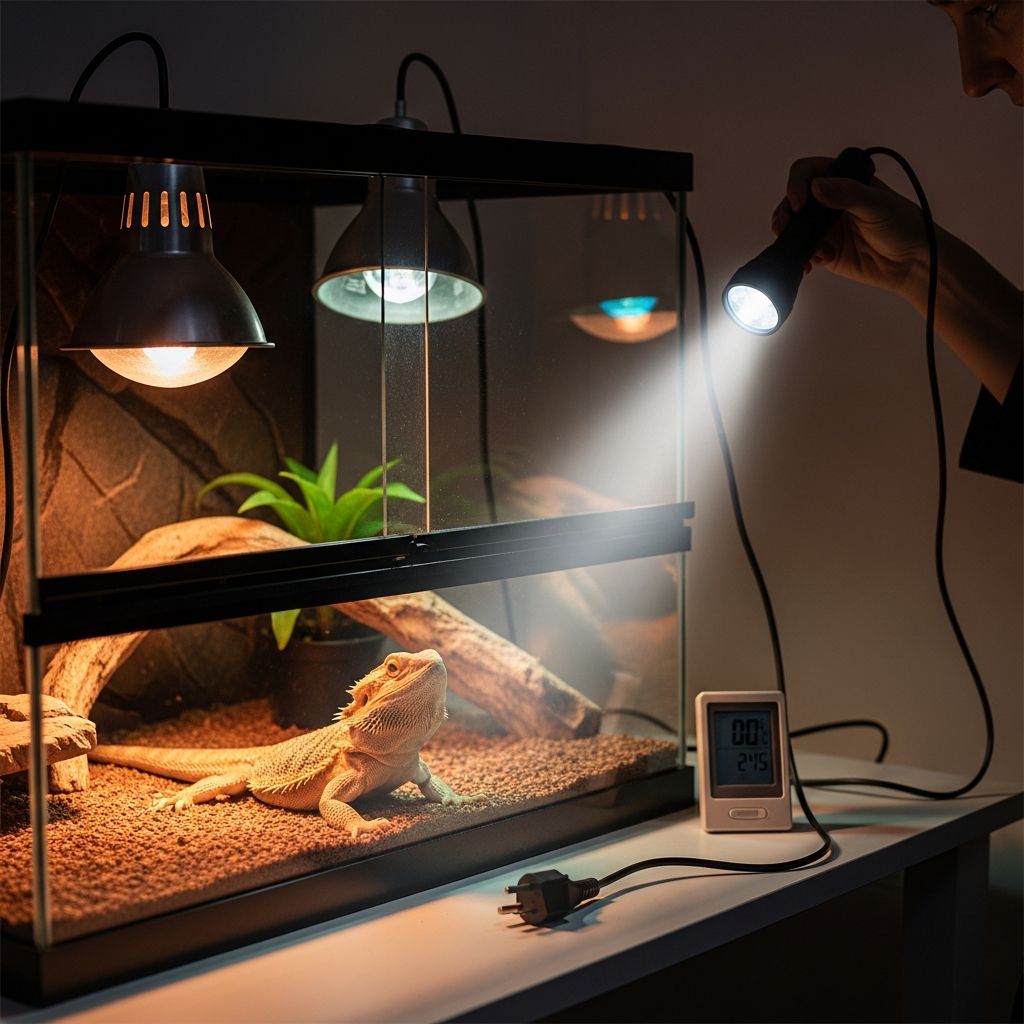
Pet reptiles depend on precise environmental controls for survival, making power outages a serious threat to their well-being. This guide outlines proactive measures, immediate responses, and recovery strategies to ensure your scaly companions remain safe and healthy when the lights go out.
Why Power Disruptions Threaten Reptiles
Reptiles such as bearded dragons, ball pythons, leopard geckos, and chameleons require consistent warmth, UVB exposure, and humidity levels to regulate metabolism, digestion, and overall health. Without electricity, heat lamps, under-tank heaters, and humidifiers fail, potentially leading to hypothermia, respiratory issues, or metabolic disorders within hours. Short outages under 24 hours pose minimal risk, but extended blackouts demand intervention to mimic natural thermostats these ectothermic animals rely on.
Essential Preparation Kit for Outages
Building a dedicated emergency kit ahead of time prevents panic and ensures quick action. Stock these items in a waterproof bin accessible at all times:
- Battery-powered digital thermometers and hygrometers: Monitor enclosure conditions without power.
- Reptile-safe heat packs: Uniheat-style warmers lasting up to 72 hours, avoiding direct contact burns.
- Insulation materials: Mylar emergency blankets, towels, and foam boards to retain ambient heat.
- Portable carriers: Insulated shipping boxes for relocation or body-heat holding.
- Battery fans and misters: For summer cooling of heat-sensitive species like chameleons.
- Power failure alerts: WiFi-enabled detectors to notify you remotely.
- Calcium supplements with D3: UVB backup for outages exceeding two days.
Customize the kit based on your reptile’s needs—desert species prioritize heat, while tropical ones need humidity packs.
Seasonal Strategies: Winter Warmth Challenges
In colder months, dropping temperatures amplify risks as ambient room heat vanishes. Generators offer the most reliable solution for multi-tank setups, powering critical devices without overload. For budget options:
| Method | Duration | Best For | Precautions |
|---|---|---|---|
| Uniheat packs | 72 hours | Snakes, small lizards | Wrap in cloth; no direct skin contact |
| Warm water bottles | 4-6 hours | All species | Use lukewarm water; refresh frequently |
| Body heat holding | Indefinite | Single pets | Pillowcase method; monitor stress |
| Car heater | As fueled | Collections | Ventilate to avoid fumes |
Insulate enclosures by covering three sides with towels, leaving vents open for air circulation. Move tanks to the warmest room or cluster them to share residual heat.
Seasonal Strategies: Summer Cooling Concerns
Hot weather outages disable air conditioning, risking hyperthermia for species intolerant of highs above 85°F (29°C). Focus on passive cooling:
- Bathe reptiles in shallow cool water to lower body temperature gradually.
- Deploy battery-operated fans or misters for crested geckos and chameleons.
- Shade enclosures and use frozen water bottles as chill packs, wrapped to prevent frostbite.
- Harvest ice for freezers holding prey to preserve feeders like rodents or insects.
Infrared thermometers are indispensable for spot-checking surface and air temps, ensuring no lethal spikes.
Feeding and Hydration Protocols
Suspend feeding during outages—reptiles cannot digest without proper heat, leading to regurgitation or impaction. Safe fasting durations vary:
- Bearded dragons: 2-3 days
- Ball pythons: 3-4 weeks (infrequent eaters anyway)
- Geckos: 1-2 weeks
Maintain hydration via misting or shallow dishes. For UVB-dependent species, administer liquid calcium-D3 orally if lights fail beyond 48 hours to avert deficiencies.
Advanced Backup Power Solutions
For serious hobbyists or breeders:
- Portable batteries: Jackery or Anker models run low-wattage lamps for days; solar recharge extends use.
- Generators: Gas or solar units for whole-room power; position outdoors with proper exhaust.
Avoid daisy-chaining strips to prevent fires, and keep a Class C extinguisher rated for electrical hazards.
Evacuation and Relocation Plans
In prolonged outages or disasters, prioritize safe transport. Use airline-approved carriers lined with substrate-mimicking materials. Identify backup locations:
- Friends/family with power
- Pet stores offering boarding
- Reptile rescues or vet clinics
Practice drills: Time how long it takes to secure all pets, noting species-specific tolerances.
Monitoring Health Post-Outage
Upon power restoration, gradually reintroduce heat to avoid shock. Watch for signs of distress:
- Lethargy or refusal to move
- Refusal to eat post-feeding resumption
- Respiratory wheezing or mouth gaping
Consult a reptile vet if symptoms persist beyond 24 hours. Log outage details for future improvements.
Frequently Asked Questions
How long can reptiles safely endure without heat?
Depends on species and ambient temps: most tolerate 24-48 hours if insulated, but monitor closely.
Are hand warmers safe for reptiles?
No—opt for reptile-specific packs; human ones overheat and burn.
What if I have incubating eggs?
Prioritize generators; manual turning and heat packs maintain viability short-term.
Can I use a microwave for heat?
Never—fire risk and uneven heating endanger pets.
How to handle multiple enclosures?
Group in one warm area or invest in scalable power backups like generators.
Long-Term Resilience Building
Join reptile forums for local outage experiences, and audit your setup annually. Weather apps with outage predictions aid preemptive action. By embedding these protocols, you transform vulnerabilities into managed routines, ensuring your reptiles thrive through any blackout.
References
- Emergency Preparedness and Care for Reptiles — Zen Habitats. Accessed 2026. https://www.zenhabitats.com/blogs/reptile-care-sheets-resources/emergency-preparedness-and-care-for-reptiles
- Emergency Preparedness with Pet Reptiles — ReptiFiles. Accessed 2026. https://reptifiles.com/emergency-preparedness-with-pet-reptiles/
- How to Care for Your Reptile During a Power Cut — Evolution Reptiles. Accessed 2026. https://www.evolutionreptiles.co.uk/blog/how-to-care-for-your-reptile-during-a-power-cut/
- Preparing for power outages — Ball-Pythons.net. Accessed 2026. https://ball-pythons.net/forums/showthread.php?267015-Preparing-for-power-outages
- All reptile owners need a power-out plan — BeardedDragon.org. Accessed 2026. https://www.beardeddragon.org/threads/all-reptile-owners-need-a-power-out-plan-please-help-me.92726/
- Emergency Preparedness Guide for Reptile Keepers — Zen Habitats (YouTube). Accessed 2026. https://www.youtube.com/watch?v=YADZq9qirC4
Similar Articles








Read full bio of Sneha Tete