Reptile Care Essentials: Expert Guide For Healthy Pets
Master the fundamentals of reptile husbandry for thriving pets: from ideal enclosures to nutrition and health monitoring.
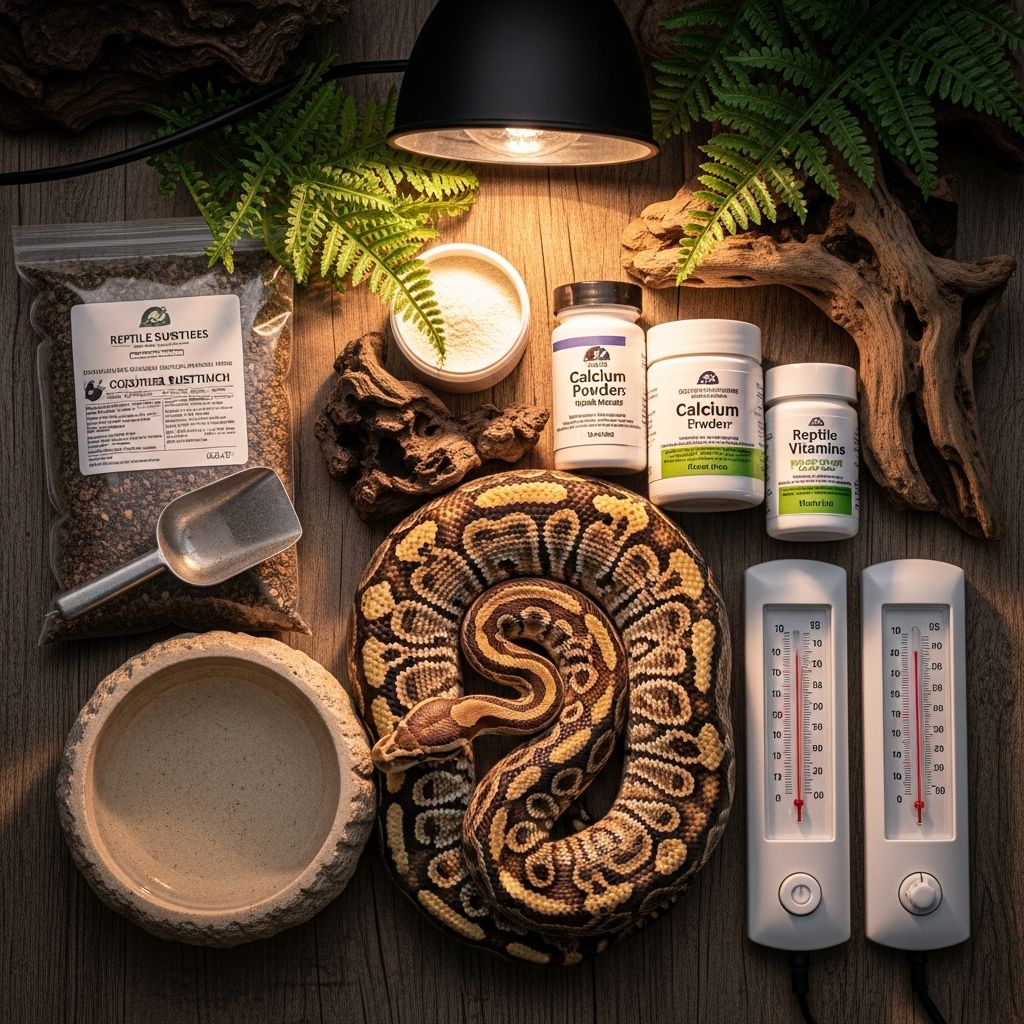
Proper care for pet reptiles demands attention to their unique environmental, nutritional, and behavioral needs. These ectothermic animals rely on external conditions to regulate body functions, making precise husbandry critical for longevity and vitality.
Designing the Perfect Enclosure
The foundation of successful reptile ownership begins with a well-designed living space that mirrors the animal’s wild habitat. Enclosures must prioritize species-specific dimensions, allowing room for natural activities like climbing, burrowing, or basking without restriction.
- Arboreal species such as chameleons benefit from tall terrariums with branches and live plants for vertical exploration.
- Terrestrial reptiles like leopard geckos thrive in wider setups featuring hides and substrate for digging.
- Aquatic or semi-aquatic types, including turtles, require deep water areas alongside dry basking platforms.
Select substrates that retain moisture appropriately while resisting mold—options include coconut fiber, cypress mulch, or paper-based products. Avoid loose particles that could cause impaction if ingested. Incorporate multiple hides to reduce stress, positioning one in the warm zone and another in the cooler area.
Enrichment elements like rocks, logs, and foliage not only promote mental stimulation but also support physical health by encouraging exercise. Secure lids are essential to prevent escapes, and all materials must be non-toxic and easy to sanitize weekly.
Mastering Temperature and Lighting Gradients
Reptiles cannot internally generate heat, so enclosures must feature distinct thermal zones. A basking spot typically ranges from 90-110°F (32-43°C) depending on the species, tapering to a cooler side at 75-85°F (24-29°C). Nighttime drops to 70-80°F (21-27°C) mimic natural cycles.
Use a combination of under-tank heaters, radiant heat panels, and overhead lamps for even distribution. Digital thermometers and infrared temp guns ensure accuracy across gradients. Improper heating leads to issues like poor digestion or weakened immunity.
Ultraviolet B (UVB) lighting is non-negotiable for most diurnal reptiles, aiding vitamin D3 synthesis for calcium absorption. Replace bulbs every 6-12 months as output degrades invisibly. Position lights 12-18 inches above the basking area, providing 10-12 hours of photoperiod daily, with timers for consistency.
| Species Example | Basking Temp (°F) | Cool Zone (°F) | UVB Needs |
|---|---|---|---|
| Bearded Dragon | 100-110 | 75-85 | High |
| Ball Python | 90-95 | 75-80 | Low |
| Crested Gecko | 85-90 | 70-75 | Moderate |
Humidity Control and Hydration Strategies
Humidity levels vary widely: desert dwellers like bearded dragons need 30-40%, while tropical species such as crested geckos require 60-80%. Digital hygrometers track fluctuations, with misting systems or foggers maintaining stability in high-humidity setups.
Provide fresh water daily in shallow bowls sized to prevent drowning. Some reptiles, like geckos, prefer licking droplets from foliage, necessitating regular spraying. Soak boxes filled with moist moss aid shedding and hydration for species prone to dysecdysis.
Monitor for dehydration signs—sunken eyes, wrinkled skin—and adjust accordingly. Bioactive substrates with springtails and isopods naturally regulate moisture in advanced enclosures.
Tailored Nutrition for Longevity
Dietary precision prevents metabolic bone disease (MBD) and obesity. Insectivores demand gut-loaded feeders dusted with calcium and multivitamins; herbivores focus on dark leafy greens and veggies; omnivores blend both.
- Gut-loading insects 24-48 hours prior with nutrient-rich produce transfers vitamins effectively.
- Variety combats deficiencies—rotate staples like collards, dandelion, squash, and occasional fruits.
- Feed juveniles daily, adults 2-3 times weekly, using tongs to mimic hunting and prevent fat buildup.
Supplements include calcium without D3 for UVB-provided setups, and phosphorus-balanced powders. Whole prey like rodents for snakes should match girth, offered pre-killed.
Safe Handling and Social Considerations
Minimize handling stress, especially for shy species. Support the entire body, avoid sudden movements, and limit sessions to 10-15 minutes. Wash hands before and after to prevent zoonotic transmission like salmonella, using soap or 60% alcohol sanitizer.[CDC Guidelines]
House singly to avoid aggression over resources. Introduce early for tolerant species like bearded dragons, but respect solitary natures.
Quarantine Protocols and Record-Keeping
New arrivals warrant 3-6 months isolation to detect latent illnesses. Maintain logs of feeding, weights, sheds, and behaviors for trend spotting.
| Record Type | Frequency | Purpose |
|---|---|---|
| Weight | Monthly | Detect growth issues |
| Shedding | Per event | Monitor health |
| Feeding Response | Per meal | Appetite tracking |
Veterinary Wellness and Preventive Care
Annual exams catch subclinical problems. Discuss husbandry tweaks with reptile-savvy vets. Fecal tests screen parasites; radiographs assess bone density.[Merck Vet Manual]
Common Pitfalls and Solutions
- Issue: Stuck shed – Solution: Increase humidity, provide soaks.
- Issue: Refusal to eat – Solution: Check temps, offer variety, reduce stress.
- Issue: Lethargy – Solution: Verify gradients, consult vet.
FAQs
How often should I clean my reptile enclosure?
Spot clean daily, full disinfect weekly using reptile-safe solutions like diluted bleach (1:32), rinsing thoroughly.
Can multiple reptiles share an enclosure?
Rarely; monitor for bullying. Same-species groups possible post-quarantine, but singles reduce risks.
What if my reptile isn’t basking?
Gradient likely inadequate. Measure all zones and adjust heating/UVB.
Do all reptiles need live food?
Many prefer motion-stimulated eating, but alternatives like canned insects work for some.
How do I know if UVB is sufficient?
Use a Solarmeter; aim for 50-100 µW/cm² in basking area.
References
- Reptiles and Amphibians — Centers for Disease Control and Prevention (CDC). 2023-10-01. https://www.cdc.gov/healthy-pets/about/reptiles-and-amphibians.html
- Management and Husbandry of Reptiles — Merck Veterinary Manual. 2023-01-15. https://www.merckvetmanual.com/exotic-and-laboratory-animals/reptiles/management-and-husbandry-of-reptiles
- Reptile Husbandry: 4 Essentials for a Healthy, Happy Pet — Live Oak Animal Hospital. 2024-05-20. https://www.liveoaklubbock.com/pet-care/reptile-husbandry-4-essentials-for-a-healthy-happy-pet/
- Husbandry Care for Small Pet Reptiles — BEEVET Animal Hospital. 2024-02-10. https://www.mybeevet.com/blog/husbandry-care-for-small-pet-reptiles/
- Reptile & Amphibian Care — Texas Avian & Exotic Animal Hospital. 2023-11-05. https://www.texasavian.com/resources/reptile-amphibian-care.html
Similar Articles








Read full bio of medha deb