

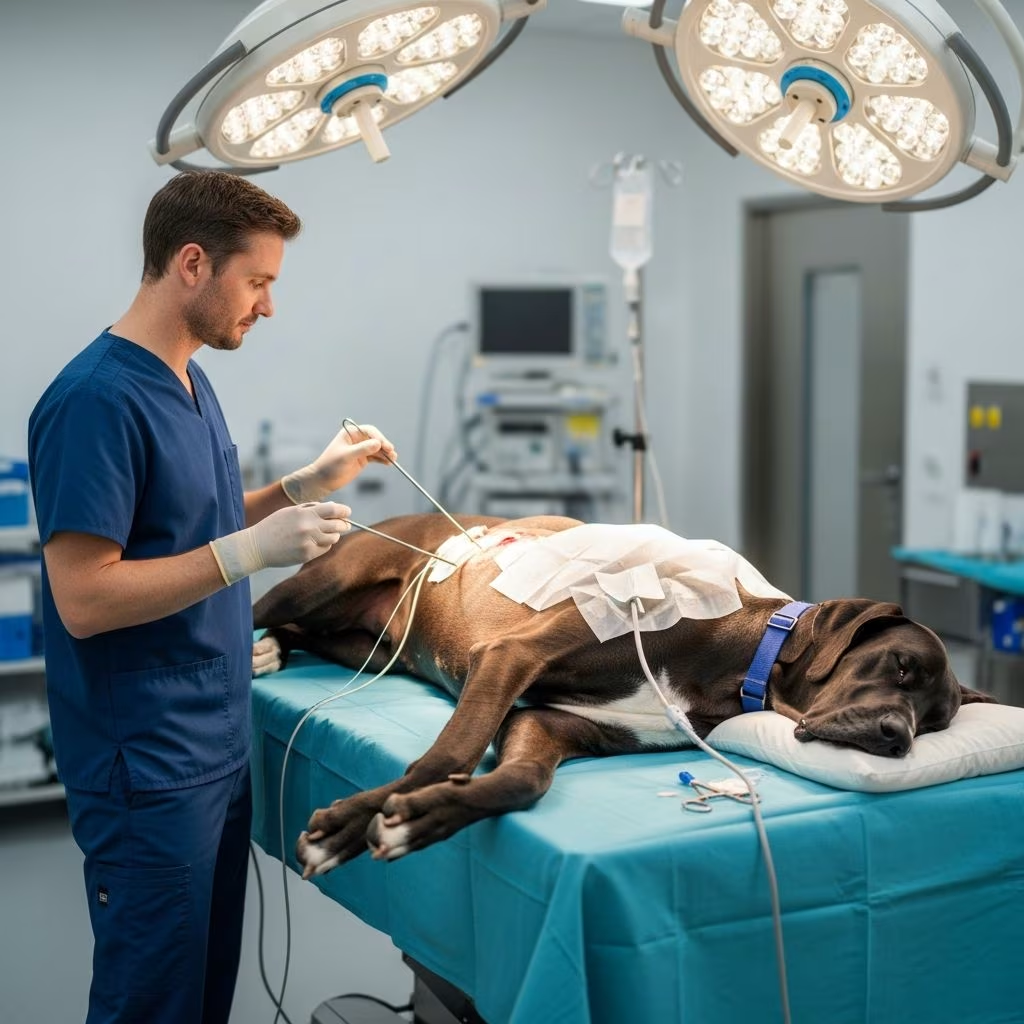
The decision to surgically sterilize a canine companion represents one of the most significant health choices pet owners face. For owners of giant breed dogs, this decision becomes considerably more complex, as emerging research reveals that the timing of these procedures can substantially influence long-term health outcomes. Unlike smaller breeds, giant breeds such as Great Danes, Saint Bernards, and Mastiffs demonstrate unique physiological characteristics that warrant specialized consideration before proceeding with spaying or neutering.
Understanding Giant Breed Physiology and Development
Giant breed dogs possess distinctive biological characteristics that differentiate them from their smaller counterparts. These animals experience prolonged skeletal development, often not reaching full physical maturity until 18 months to 2 years of age or beyond. Their substantial body mass places greater stress on joints, ligaments, and bone structures throughout their lives. Additionally, giant breeds typically depend on specific hormonal patterns to support proper bone density, joint stability, and muscular development during their growth phases.
The extended maturation timeline in giant breeds means that the reproductive hormones—estrogen and testosterone—play extended roles in supporting skeletal development and metabolic regulation. This biological reality distinguishes giant breeds from small and medium-sized dogs, whose skeletal development concludes much earlier in their lives.
Health Implications of Early Sterilization
Orthopedic Complications and Joint Disorders
Recent comprehensive research examining 35 distinct dog breeds has illuminated the correlation between early sterilization and orthopedic complications in large and giant breeds. Males neutered before reaching sexual maturity demonstrate significantly elevated rates of hip dysplasia compared to intact counterparts, with some studies documenting a 1.5-fold increased risk of clinical hip dysplasia development. Additionally, early neutered dogs show a 3.1-fold higher risk of patellar luxation—a condition affecting the kneecap’s stability—when compared to intact animals.
The mechanisms underlying these orthopedic problems appear linked to the premature loss of growth-promoting hormones. Without adequate testosterone or estrogen, giant breed dogs may experience compromised bone mineralization and altered cartilage development during critical growth windows. These structural deficiencies can manifest as lameness, pain, and reduced mobility later in life.
Cancer Risk Considerations
Paradoxically, early sterilization in giant breeds creates contradictory cancer risks. While neutering eliminates testicular cancer risk in males and spaying prevents certain reproductive cancers in females, research reveals increased vulnerability to other malignancies. Dogs neutered before 12 months demonstrate significantly elevated osteosarcoma (bone cancer) risk compared to intact animals. Furthermore, female Golden Retrievers spayed after 12 months showed a four-fold increased likelihood of hemangiosarcoma, an aggressive blood vessel cancer, compared to both intact and early-spayed females.
For giant breeds specifically, the cumulative cancer risk profile requires careful evaluation. Some studies indicate that prostate cancer occurs in approximately 1 in 13 Great Danes, suggesting breed-specific vulnerabilities that merit consideration.
Urinary and Metabolic Complications
Spayed female dogs experience urinary incontinence at rates between 4-20%, with earlier spay age correlating with higher incidence. Giant breed females appear particularly susceptible to this complication. Additionally, spayed dogs demonstrate a 1.6 to 2-fold increased obesity risk compared to intact counterparts, with obesity triggering cascading health complications including diabetes, cardiovascular disease, and joint degradation. The metabolic changes following sterilization fundamentally alter nutritional requirements and energy utilization patterns.
Comparative Analysis: Male Versus Female Considerations
| Factor | Neutered Males | Spayed Females |
|---|---|---|
| Eliminated Cancers | Testicular cancer | Reproductive tract tumors, breast cancer risk reduction |
| Orthopedic Risk Elevation | Significant if done before maturity | Significant if done before maturity |
| Urinary Complications | Increased tract infections (3-4x risk) | Spay incontinence (4-20%), increased infections (3-4x risk) |
| Cancer Risk Increase | Osteosarcoma, prostate cancer (quadrupled small risk) | Osteosarcoma, hemangiosarcoma (specific age-dependent patterns) |
| Behavioral Benefits | Reduced roaming, marking, aggression | Eliminated heat cycles, reduced escape risk |
Determining Optimal Timing for Giant Breeds
The emerging consensus among veterinary researchers suggests that delaying sterilization in giant breeds until after skeletal maturity offers potential health advantages. For Great Danes and similar giant breeds, skeletal maturity typically occurs between 18-24 months of age. Postponing surgical sterilization until this developmental milestone has been achieved may reduce orthopedic complications while still providing reproductive control.
However, timing recommendations should not be uniform across all animals. Individual variation exists based on growth rate, genetic predisposition to specific conditions, and existing health status. Some giant breed dogs complete skeletal development earlier than others, necessitating individualized assessment.
Alternative Surgical Approaches
Beyond traditional castration and ovariohysterectomy, alternative surgical techniques preserve hormone-producing gonads while preventing reproduction. These methods, though less frequently performed, include ovarian-sparing spay and vasectomy. While these alternatives do not prevent breeding-related behavioral changes, they maintain endocrine function and may mitigate some metabolic and orthopedic complications associated with complete hormone removal.
Behavioral and Reproductive Management
Giant breed owners must balance health considerations against reproductive control and behavioral management objectives. Intact male dogs demonstrate increased roaming behavior, urine marking, and potential aggression, particularly during females’ estrous cycles. Female dogs experience uncomfortable heat cycles occurring typically twice annually, accompanied by behavioral changes and attractiveness to males. These behavioral realities require responsible management through proper containment, training, and supervision.
For owners unable to manage intact animal behaviors, earlier sterilization may become necessary despite theoretical health benefits of delayed procedures. In such cases, careful veterinary consultation remains essential to weigh individual circumstances.
Surgical Risks and Complications
All surgical procedures inherently carry risks. Spaying and neutering complications occur in approximately 22% of spay procedures and 19% of neuter procedures, with serious complications including infections, abscesses, and wound rupture occurring in 1-4% of cases. The mortality rate from spay-neuter complications remains low, at approximately 0.1%.
Giant breeds face particular anesthetic risks due to their size and potential underlying cardiac or respiratory conditions. Recovery times in giant breeds typically extend longer than in smaller animals, and post-operative complications can be more consequential given their body mass. These factors underscore the importance of performing these procedures at facilities with experience managing large animals and utilizing appropriate anesthetic protocols.
Consultation and Decision-Making Framework
Responsible pet ownership in giant breed contexts demands collaborative decision-making between owners and veterinarians. Veterinarians can assess individual animals’ specific health risks, family history predispositions, and growth development status to provide personalized recommendations. This consultative approach should address the following considerations:
- Individual growth rate and expected skeletal maturity timeline
- Family history of orthopedic or cancerous conditions
- Existing health concerns or predispositions
- Owner capacity to manage intact animal behaviors and reproduction prevention
- Local regulations regarding intact animals
- Breeding history and intent
- Facility capabilities for managing large breed surgical patients
Frequently Asked Questions
Q: What is the typical age recommendation for sterilizing giant breeds?
A: Current research suggests delaying sterilization in giant breeds until 18-24 months of age, after skeletal maturity. However, individual recommendations should be determined through veterinary consultation based on each dog’s development and health profile.
Q: Do male and female giant breeds face different health risks?
A: Yes, males and females demonstrate distinct risk profiles. Males face greater orthopedic complications and altered prostate cancer risks, while females experience higher rates of urinary complications and metabolic changes.
Q: Can early sterilization be reversed if health problems develop?
A: No. Surgical sterilization is permanent. Hormone replacement therapy may address some metabolic complications but cannot reverse orthopedic changes or eliminate increased cancer risks already incurred.
Q: What behavioral management strategies help owners of intact giant breeds?
A: Secure containment, professional training, supervision during females’ heat cycles, and responsible breeding practices or neutering after skeletal maturity represent primary management approaches.
Conclusion: Weighing Evidence and Individual Circumstances
The growing body of veterinary research fundamentally challenges traditional approaches to sterilization timing in giant breed dogs. Rather than applying uniform protocols across all canines, contemporary evidence supports breed-specific, and increasingly, individual-specific decision-making frameworks. For giant breed owners, this means engaging in meaningful dialogue with veterinarians to balance the documented health risks of early sterilization against behavioral and reproductive control objectives.
The decision regarding when and whether to surgically sterilize a giant breed companion represents a nuanced medical choice rather than a simple procedural checkbox. By remaining informed about current research, understanding breed-specific vulnerabilities, and consulting with experienced veterinarians, owners can make decisions that prioritize their individual animal’s long-term health and quality of life while maintaining responsible pet population management practices.
References
- Dog Breeds Requiring Specialized Care During Spaying and Neutering Procedures — Montclair Veterinary Hospital. Accessed 2026. https://montclairvets.com/dog-breeds-need-specialized-care-during-spaying-neutering-procedures/
- Long-Term Health Risks and Benefits Associated with Spay/Neuter in Dogs — Dalmatian Club of America. Accessed 2026. https://dpca.org/breeded/long-term-health-risks-and-benefits-associated-with-spay-neuter-in-dogs/
- Should You Always Spay-Neuter Your Dog? — American Kennel Club. Accessed 2026. https://www.akc.org/expert-advice/health/should-you-spay-neuter-dogs/
- When Should You Neuter Your Dog to Avoid Health Risks? — UC Davis. Accessed 2026. https://www.ucdavis.edu/news/when-should-you-neuter-your-dog-avoid-health-risks



