
Renal Anomalies In Animals: Causes, Diagnosis, And Care
Exploring congenital and inherited kidney disorders in pets: causes, breeds at risk, diagnosis, and management strategies for better outcomes.
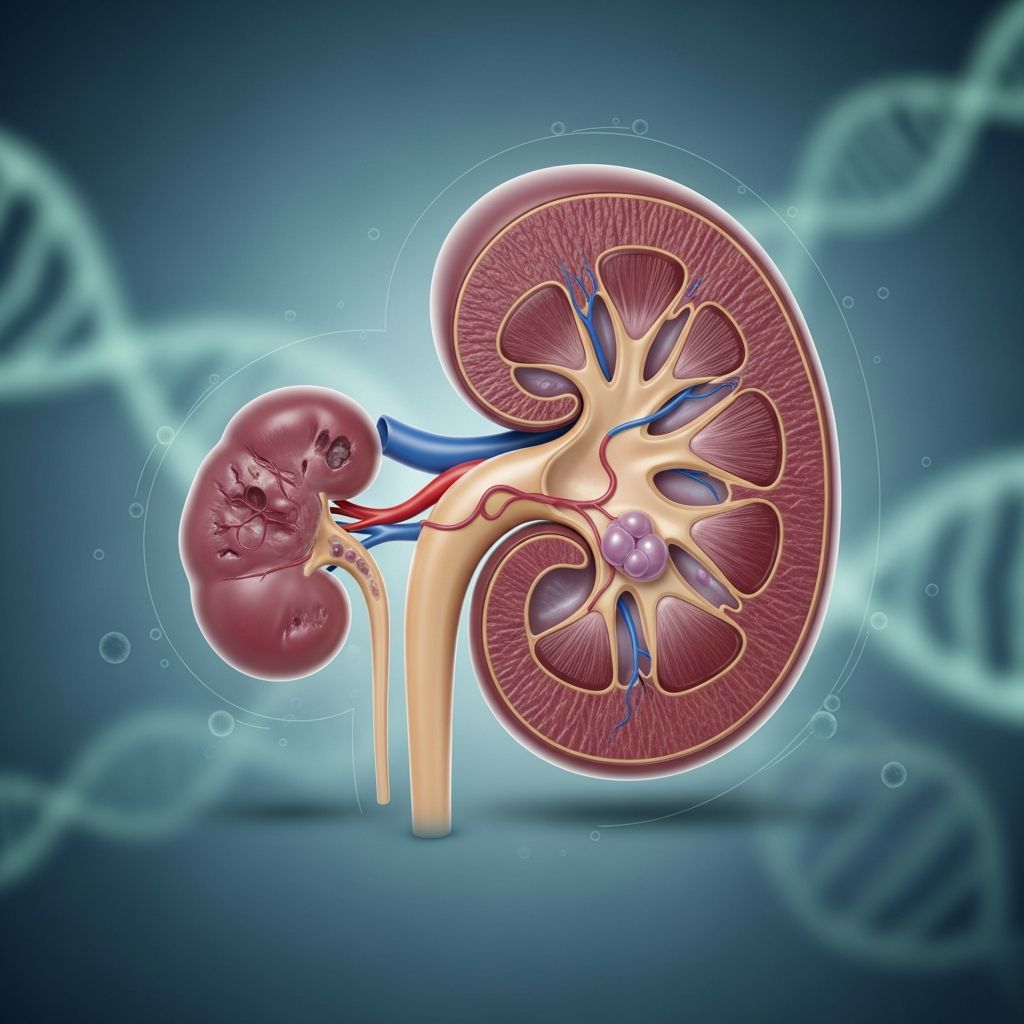
Developmental abnormalities of the kidneys represent a significant challenge in veterinary practice, particularly among companion animals like dogs and cats. These conditions arise during fetal development or through genetic inheritance, leading to impaired kidney function that can manifest early in life or progress over time. Understanding these anomalies is crucial for timely intervention and improved quality of life for affected pets.
Understanding Kidney Development and Common Anomalies
The kidneys form through complex embryonic processes involving the metanephros, which matures into functional nephrons. Disruptions at any stage can result in structural defects. Key anomalies include abnormal tissue differentiation, cyst formation, and failure of organ formation. These issues often cluster in certain breeds due to genetic predispositions.
- Prevalence: Congenital renal diseases are rare but impactful, affecting filtration and waste excretion, leading to toxin accumulation.
- Genetic Basis: Many are familial, occurring more frequently in related animals than by chance alone.
Renal Dysplasia: A Leading Developmental Disorder
Renal dysplasia involves improper kidney maturation, characterized by persistent immature glomeruli and tubular structures beyond the expected developmental window. Kidneys appear small and irregular, with reduced corticomedullary distinction on imaging. This condition is well-documented in multiple canine breeds and progresses to chronic kidney disease (CKD).
| Breed | Key Features | Age of Onset |
|---|---|---|
| Shih Tzu, Lhasa Apso | Immature glomeruli persist; secondary inflammation | Early months |
| Golden Retriever, Boxer | Irregular kidneys; proteinuria | Weeks to years |
| Soft-Coated Wheaten Terrier | Glomerular lesions; hypoalbuminemia | Median 6 years |
Clinical presentation includes polyuria, polydipsia, anorexia, and growth stunting in juveniles. Diagnosis relies on breed history, azotemia onset, ultrasound (hyperechoic medulla), and biopsy confirming fetal tissue remnants. Recent research links cyclooxygenase-2 (COX-2) gene mutations to dysplasia in high-risk breeds, highlighting a developmental role for this enzyme.
Polycystic Kidney Disease and Cyst-Related Issues
Polycystic kidney disease (PKD) features multiple fluid-filled cysts distorting renal architecture, often extending to the liver. Kidneys enlarge palpably, with variable progression from asymptomatic to end-stage failure. Inherited forms predominate in specific breeds.
- Beagles, Bull Terriers: Cysts in cortex and medulla; early dysfunction.
- West Highland White Terriers, Cairn Terriers: Rapid onset in first months; hepatic cysts common.
Simple cysts, typically solitary, rarely impair function and are incidental findings. Diagnosis involves palpation, radiography, ultrasonography revealing cysts, or laparotomy. No curative treatment exists; supportive care manages uremia.
Glomerulopathies and Basement Membrane Defects
Glomerular disorders stem from collagen IV mutations, causing thin basement membranes and progressive proteinuria. X-linked hereditary nephritis in Samoyeds features COL4A5 gene defects, with males showing azotemia within a year of proteinuria onset at 3 months. English Cocker Spaniels exhibit autosomal recessive patterns, affecting both sexes equally.
Symptoms progress from protein-losing nephropathy to nephrotic syndrome. Electron microscopy of biopsies is diagnostic, revealing basement membrane thinning. Bull Terriers and Dalmatians show dominant inheritance with variable onset up to 8 months.
Tubular Dysfunction Syndromes
Tubular defects impair reabsorption, leading to glycosuria, aminoaciduria, and electrolyte imbalances despite normal glomerular filtration. Fanconi syndrome, prominent in Basenjis and Border Terriers, combines these losses with dysplasia. Other forms include renal glycosuria, proximal/distal tubular acidosis, and nephrogenic diabetes insipidus.
Animals present with dehydration, weakness, and persistent urinary losses. Management focuses on supplementation and alkalinization.
Absence and Positional Anomalies
Renal agenesis, or complete failure of kidney formation, is unilateral in viable cases (e.g., Beagles, Shetland Sheepdogs) and bilateral lethal. Associated ureteral and reproductive hypoplasia occurs. Ectopic kidneys or fused renes (horseshoe kidney) are rarer, often asymptomatic unless obstructive. Nephroblastoma, a congenital tumor from aberrant nephron growth, affects young dogs.
Species-Specific Insights: Dogs vs. Cats
Dogs show breed-specific familial patterns, while cats experience similar dysplasias and PKD, though less breed-documented. Feline amyloidosis aggregates in Abyssinians. Both species share symptoms like halitosis, lethargy, and weight loss, but canine cases often link to purebred lines.
Diagnostic Approaches for Renal Anomalies
Early detection hinges on history, signalment, and multimodal testing:
- Laboratory: Azotemia, proteinuria (urine protein:creatinine ratio), isosthenuria.
- Imaging: Ultrasound for size, echogenicity, cysts; IVP for vascular anomalies.
- Biopsy: Gold standard for dysplasia, glomerulopathies.
Incidental findings in young pets warrant screening in at-risk breeds.
Management and Supportive Care Strategies
No anomalies are curable; therapy targets CKD sequelae:
- Renal diets low in protein/phosphorus.
- Fluid therapy for dehydration.
- Antihypertensives, phosphate binders.
- Proteinuria control with ACE inhibitors.
Prognosis varies: rapid in PKD of terriers, slower in glomerular diseases. Euthanasia considerations arise in juvenile renal failure.
Genetic Screening and Prevention
Breeding avoidance in affected lines is key. Genetic tests for PKD (cats) and hereditary nephritis (Samoyeds) guide decisions. Veterinary genetic counseling promotes healthier populations.
Frequently Asked Questions (FAQs)
What breeds are most prone to renal dysplasia?
Shih Tzus, Lhasa Apsos, Golden Retrievers, and Soft-Coated Wheaten Terriers top the list, with familial patterns.
Can congenital kidney issues be treated surgically?
Rarely; cyst reduction or ureteral correction applies selectively, but most require medical management.
How do I know if my puppy has kidney problems?
Watch for excessive thirst/urination, poor growth, vomiting. Prompt vet evaluation with labs and imaging is essential.
Is renal agenesis always fatal?
Unilateral cases allow normal life with one kidney; bilateral is incompatible with life.
What’s the role of diet in managing these conditions?
Prescription renal diets slow progression by controlling phosphorus, protein, and sodium intake.
Emerging Research and Future Directions
Ongoing studies explore COX-2 in dysplasia and gene therapies for PKD. Stem cell interventions show promise in regenerating nephrons. Breed clubs increasingly support screening programs.
References
- Congenital and inherited renal disease of small animals — PubMed/NCBI. 2001-03-01. https://pubmed.ncbi.nlm.nih.gov/11265498/
- Familial and Congenital Renal Diseases of Dogs — MSPCA-Angell. 2023-05-01. https://www.mspca.org/angell_services/familial-and-congenital-renal-diseases-of-dogs/
- Congenital Kidney Disease in Dogs — Vetster. N/A. https://vetster.com/en/conditions/dog/congenital-kidney-disease-in-dogs
- Congenital and Inherited Disorders of the Urinary System in Dogs — Merck Veterinary Manual. N/A. https://www.merckvetmanual.com/dog-owners/kidney-and-urinary-tract-disorders-of-dogs/congenital-and-inherited-disorders-of-the-urinary-system-in-dogs
- Congenital and Inherited Disorders of the Urinary System of Cats — MSD Veterinary Manual. N/A. https://www.msdvetmanual.com/cat-owners/kidney-and-urinary-tract-disorders-of-cats/congenital-and-inherited-disorders-of-the-urinary-system-of-cats
Similar Articles








Read full bio of Sneha Tete


