

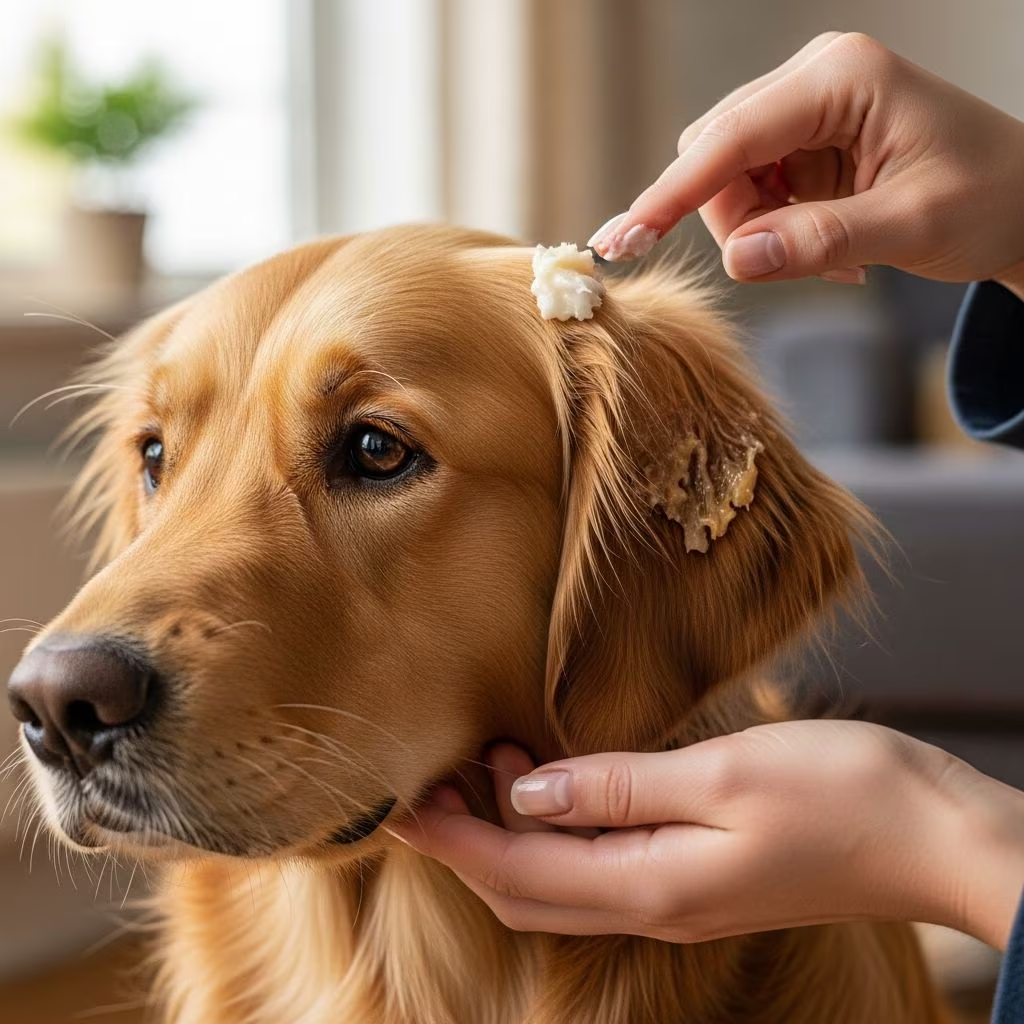
During warmer months, outdoor adventures with your canine companion often come with an unexpected challenge: sticky tree sap clinging to their fur and paws. This common problem frustrates many pet owners, but the good news is that it can be managed effectively with the right approach and readily available household items.
Understanding the Risks of Tree Sap Accumulation
Tree sap presents several concerns beyond mere aesthetic inconvenience for your furry friend. When sap adheres to your dog’s coat, it creates a sticky substrate that attracts debris such as pine needles, twigs, dirt particles, and small rocks. This accumulation can cause significant discomfort and restrict your dog’s natural movement.
More concerning from a health perspective, certain types of tree sap contain compounds that may be toxic if ingested. Additionally, sap can trigger skin irritation, rashes, and allergic reactions in sensitive dogs. When your dog attempts to remove the sap by licking or biting at affected areas, they risk developing secondary skin problems, including painful hotspots and granulomas caused by excessive self-trauma.
The longer sap remains embedded in the fur, the more challenging removal becomes, making prompt action essential for your dog’s comfort and wellbeing.
Initial Assessment and Preparation
Before attempting sap removal, conduct a thorough inspection of your dog’s entire body after outdoor activities, particularly during spring and early summer months when sap flows most actively. Check between the paw pads, under the tail, in the ear flaps, and around the chest where sap commonly accumulates.
Gather your supplies beforehand to make the process smoother:
- Pet-safe oil-based lubricants
- Paper towels or washcloths
- Wide-toothed comb
- Hair dryer (optional)
- Dog shampoo and warm water
- Treats for positive reinforcement
- Blunt-tipped grooming scissors
Having these items ready ensures you can address the problem immediately when discovered, preventing sap from becoming increasingly stubborn.
The Softening Stage: Why Temperature Matters
Hardened sap cannot be removed by gentle combing—it will only separate from the fur if cut away entirely. To avoid unnecessary hair removal, softening the sap first is crucial.
If your dog tolerates the noise and sensation, use a hair dryer on its lowest temperature setting to gently warm the affected areas. Always test the dryer on your own hand first to confirm the air feels warm but never hot. Position the dryer at a safe distance from your dog’s skin, typically 6-8 inches away, to avoid overheating their delicate skin.
Alternatively, allowing the affected area to sit in natural warm sunlight for several minutes can achieve similar softening without the dryer’s noise.
Applying Oil-Based Solutions: The Core Technique
Oil-based lubricants work exceptionally well for sap removal because they penetrate the sticky substance and create a barrier that reduces adhesion to individual hair strands. Several pet-safe options are typically available in most households:
| Oil Type | Effectiveness | Safety Considerations |
|---|---|---|
| Olive Oil | Excellent | Completely safe if ingested in small amounts |
| Vegetable Oil | Excellent | Safe and commonly used |
| Mineral Oil | Very Good | Safe; slightly less greasy than cooking oils |
| Peanut Butter | Good | Must be xylitol-free; verify label before use |
| Mayonnaise | Good | Safe but messier to apply |
| Soft Butter | Fair | Works but more difficult to rinse |
To apply effectively, work a generous amount of your chosen oil directly into the affected fur using your fingers. If your dog remains calm and cooperative, spend several minutes massaging the oil into the sap-covered area, allowing it adequate time to penetrate and work its loosening magic.
For dogs with particularly sensitive skin, consider purchasing commercially formulated tree sap removal products specifically tested and approved for pet use.
Gently Extracting the Loosened Sap
Once the oil has been applied and given time to work, slowly and carefully work the sap out using your fingers or, preferably, a wide-toothed comb. This tool’s spacing allows you to target the sap without pulling excessively on surrounding healthy hair.
Keep paper towels nearby to wipe away loose sap pieces as they separate. If the sap resists removal, do not tug forcefully—doing so will injure your dog and make them reluctant to cooperate during future treatment attempts.
Expect this process to require patience. Large chunks rarely slide off completely in one motion. You’ll likely need to apply additional oil multiple times as larger pieces gradually separate. Think of this as a gradual process rather than an immediate solution.
Special Attention for Paw Problems
Paws represent the most common sap attachment location but also present the greatest removal challenges. The dense hair between pads and the sensitive tissue underneath make careful handling essential.
When oil-based products are difficult to work into tight paw areas, a soft-bristled toothbrush becomes invaluable. Gently brush the oil through the inter-digital fur spaces with light circular motions, being careful not to irritate the skin between the pads.
If your dog finds paw manipulation uncomfortable, break treatment into shorter sessions rather than attempting to remove all sap in one sitting. This approach maintains your dog’s trust and cooperation.
Handling Resistant Sap Buildup
Despite multiple oil applications and patient work, some particularly stubborn sap may refuse to budge. In these cases, trimming becomes necessary. Use blunt-tipped pet grooming scissors to carefully remove small patches of sap-covered hair.
Exercise extreme caution when trimming sap located near the skin surface. Pulling the hair upward as you cut increases injury risk. If you lack confidence in this step or your dog becomes anxious, contact your veterinarian or professional groomer for assistance. These experts have specialized training and appropriate tools to handle difficult cases safely.
The Final Cleansing Bath
After successfully removing all visible sap, your dog will likely have an oily residue throughout their coat. A thorough bath is essential to restore their fur to its natural state.
Use warm (not hot) water and dog-specific shampoo, which is formulated for canine skin pH and coat health. Focus lathering efforts on previously oily areas, working the shampoo thoroughly into the coat. You’ll often need to repeat this process multiple times—sometimes two or three wash cycles—to completely remove all oil and sap residue.
Rinse thoroughly until the water runs completely clear and no soapy residue remains.
Critical Safety Precautions
Several substances should never be used when removing sap from your dog’s coat, despite their effectiveness on human skin or non-living materials:
- Astringent solvents – Harsh on sensitive canine skin and potentially toxic if absorbed
- Chemical detergents – Can cause severe skin irritation and are dangerous if ingested
- Petroleum products – Toxic to dogs and ineffective for sap removal
- Alcohol-based products – Can irritate eyes, skin, and are dangerous if ingested
- Acetone or paint thinner – Highly toxic and absolutely forbidden
These substances won’t effectively break up sap the way oil-based products do, and their toxicity creates serious health risks.
Prevention Strategies for Future Protection
While completely avoiding sap is impossible for active outdoor dogs, several strategies reduce attachment frequency and severity.
Grooming Maintenance: Keeping hair around the paws trimmed short prevents large sap globs from becoming trapped and matted. Shorter hair also makes removal easier when sap does attach. Similarly, trimming chest and belly hair that often drags through forest litter reduces overall sap exposure.
Yard Management: If you have sap-producing trees like pines, spruces, or firs in your yard, fence off the immediate surrounding area during peak sap season—typically spring through early summer. This prevents casual exposure during yard time.
Post-Activity Inspection: Establish a routine where you inspect and clean your dog’s paws and coat immediately after outdoor adventures in wooded areas. Early detection and prompt removal prevent sap from setting deeper into the coat.
Trail Selection: During peak sap season, consider walking in parks or areas with primarily deciduous trees rather than conifers, which produce stickier sap.
When Professional Help Is Needed
If sap has become extensively matted throughout your dog’s coat, covers a large body area, or your dog refuses to tolerate home treatment, professional grooming becomes the practical choice. Groomers have specialized equipment and experience handling difficult situations while keeping dogs calm and comfortable.
Similarly, if your dog develops skin irritation, allergic reactions, or shows signs of toxicity after sap exposure—such as vomiting, nausea, weakness, or persistent itching—contact your veterinarian immediately. Some tree saps contain toxic compounds that require professional medical evaluation.
Frequently Asked Questions
How quickly should I remove sap from my dog’s coat?
Address sap removal as soon as possible after discovery. The longer sap remains, the more it hardens, the more debris sticks to it, and the greater the risk of skin irritation and toxicity.
Can I use human hair removal products on my dog?
No. Products formulated for human use contain ingredients that may be toxic to dogs or cause severe skin reactions. Always use pet-safe alternatives.
Is tree sap always toxic to dogs?
Not all tree sap is equally toxic, but some types like pine sap can be mildly toxic if ingested in significant quantities. When in doubt, consult your veterinarian about the specific tree species in your area.
What if my dog won’t sit still during sap removal?
Use high-value treats or puzzle toys filled with food to distract and keep your dog engaged. Build positive associations with the process so they’re more cooperative next time. Breaking treatment into shorter sessions also helps.
Can I prevent sap by applying protective products to my dog’s coat?
No proven protective coating prevents sap attachment, though keeping the coat well-maintained and properly groomed helps somewhat. Awareness and prompt removal remain your best strategies.
References
- Avoid a Sticky Situation: How to Get Sap Out of Dog Fur — American Kennel Club (AKC). 2024. https://www.akc.org/expert-advice/health/how-to-get-sap-out-of-dog-fur/
- Removing tree sap from your pet — Ontario SPCA. 2024-05-14. https://ontariospca.ca/blog/removing-tree-sap-from-your-pet/



