

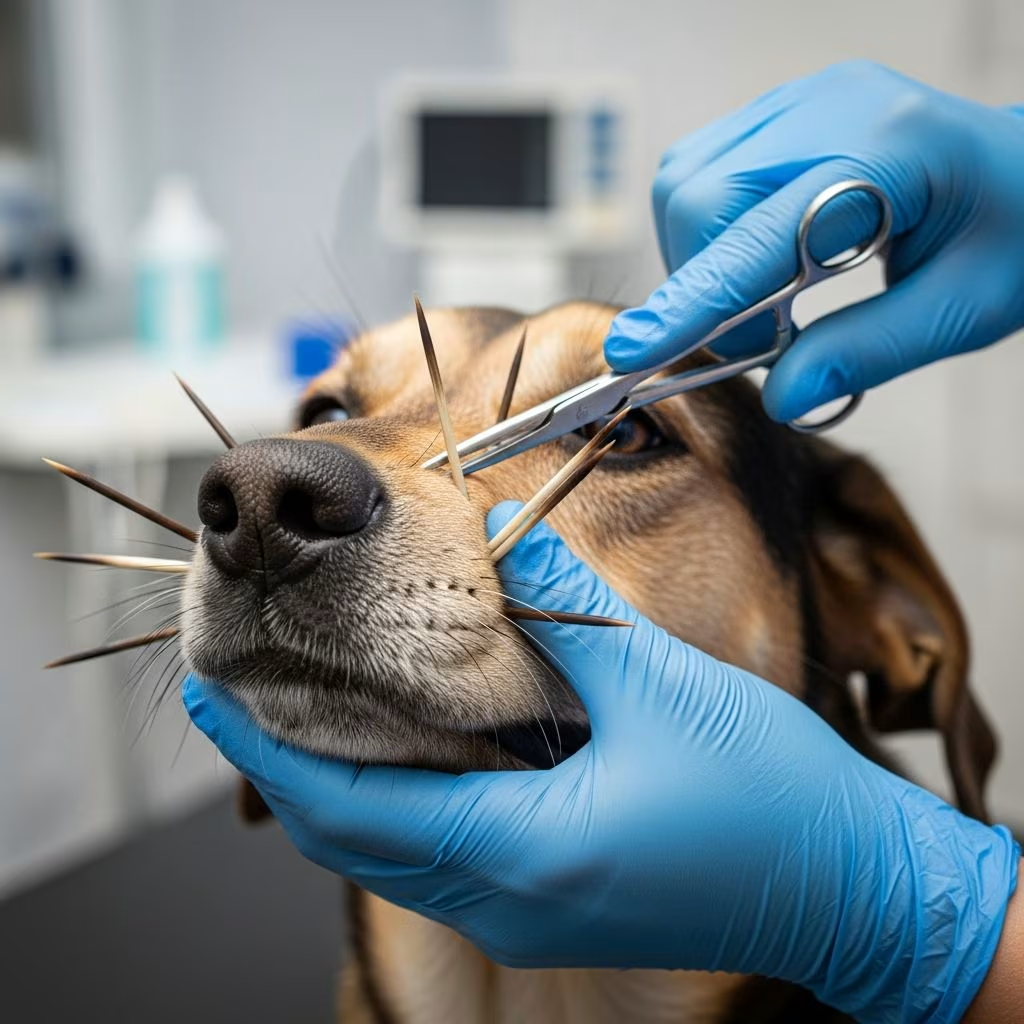
Porcupine encounters can turn a pleasant walk into a painful ordeal for dogs, leaving sharp quills embedded in their skin, face, or mouth. These barbed structures pose serious health risks if not addressed promptly, including migration to vital organs and severe infections. This guide provides dog owners with critical knowledge on immediate response, professional treatment options, and strategies to avoid future incidents, drawing from veterinary expertise to ensure your pet’s swift recovery.
Understanding Porcupine Quill Dangers
Porcupine quills are not mere projectiles; they feature microscopic barbs that cause them to migrate deeper into tissues rather than work their way out. This inward movement can lead to abscesses, widespread infections, and in extreme cases, quills reaching the lungs, heart, or spinal cord, potentially resulting in life-threatening conditions. Unlike common myths, quills do not deflate when cut, and such actions can worsen penetration or introduce bacteria.
- Common Impact Areas: Face, mouth, paws, and legs are frequent targets due to a dog’s instinctive biting or pawing response.
- Migration Risk: Untreated quills can travel significant distances within the body over time, complicating removal and treatment.
- Infection Potential: As porcupines are rodents, their quills carry bacteria, heightening abscess formation risks without timely intervention.
Veterinarians emphasize that prompt action minimizes these dangers, with most dogs recovering fully when treated quickly.
Immediate First Aid After a Quill Encounter
Upon discovering quills on your dog, prioritize calming and restraining them to prevent further embedding. Avoid letting your dog rub, paw, or bite at the quills, as this drives them deeper.
| Step | Action | Why It Matters |
|---|---|---|
| 1. Secure the Area | Leash your dog and apply an Elizabethan collar (E-collar) if available to protect the face. | Prevents self-trauma and quill migration. |
| 2. Assess Severity | Count visible quills and check mouth, paws, and body without pulling. | Identifies need for urgent vet care; even a few quills warrant professional evaluation. |
| 3. Transport Safely | Head to the vet immediately; muzzle if mouth quills present but confirm no facial quills first. | Reduces pain-induced struggling during travel. |
Do not attempt home removal unless absolutely necessary and limited to superficial quills in remote areas. Use pliers for a firm grip near the base, pull straight out steadily, and mark sites for vet follow-up. However, this is strongly discouraged due to pain, breakage risk, and incomplete extraction.
Why Veterinary Removal is Essential
Professional care under sedation or anesthesia allows thorough examination and safe extraction, critical for hard-to-reach areas like the mouth, throat, and between toes. Vets use tools like hemostats to grasp quills at the base, applying gentle traction while checking for embedded or migrating ones via palpation or imaging if needed.
- Sedation prevents dog distress and accidental quill deepening.
- Full-body inspection uncovers hidden quills.
- Incisions or advanced surgery for deep quills, followed by antibiotics and pain relief like NSAIDs.
Most procedures are outpatient, with dogs home the same day. Costs vary but pale compared to complications from delayed care, such as organ surgery.
Post-Removal Care and Monitoring
After quill extraction, monitor for signs of lingering issues: swelling, limping, lethargy, or abscesses. Administer prescribed antibiotics to combat bacterial introduction and NSAIDs for pain. Keep wounds clean, restrict activity, and schedule follow-ups.
Quills may surface days later, requiring vigilance. Note the incident in your dog’s medical history for future reference, as migrated quills can emerge years on.
Preventing Porcupine Encounters
Proactive training and awareness reduce risks in porcupine habitats. Professional trainers recommend recall commands, boundary respect, and porcupine scent aversion therapy.
- Training Essentials: Strong “leave it” and recall cues, practiced in distracting environments.
- Gear Up: Carry muzzles, E-collars, and first-aid kits with hemostats on hikes.
- Habitat Awareness: Avoid dusk/dawn in wooded areas; supervise off-leash play.
Breeds like hounds and terriers are more prone due to hunting instincts; tailor prevention accordingly.
Common Myths Debunked
| Myth | Fact | Source |
|---|---|---|
| Cutting quill tips releases air and eases removal. | This is ineffective and risky; barbs cause migration regardless. | |
| Quills work themselves out naturally. | They migrate inward, worsening damage and infection. | |
| Home removal is safe for minor cases. | Pain causes struggle, pushing quills deeper; sedation needed. |
Frequently Asked Questions (FAQs)
Can a single quill be removed at home?
Superficial, isolated quills might be, but consult a vet immediately afterward. Most cases need professional handling to avoid complications.
How long until quill complications appear?
Infections can develop within days; migration may take weeks or years, underscoring urgency.
Are antibiotics always necessary?
Often prescribed prophylactically, especially with mouth quills or delays, due to bacterial contamination.
What if my dog has quills in the mouth?
Use a muzzle and rush to the vet; internal quills risk throat or airway issues requiring sedation.
Is prognosis good after treatment?
Excellent with prompt care; full recovery is typical unless migration has occurred.
Long-Term Health Implications
Even after successful removal, past encounters inform ongoing care. Annual check-ups should reference quill history, as latent migrations demand imaging like X-rays. Maintain dental health, as mouth quills heighten gum infection risks. Owners report improved outcomes with vigilant monitoring, turning potential tragedies into manageable events.
By equipping yourself with knowledge—from first aid basics to vet protocols—you safeguard your dog’s adventures. Prevention through training yields the best results, allowing worry-free exploration.
References
- Dogs and Porcupines: Quill Removal, First-Aid, and Training — Project Upland. 2023. https://projectupland.com/dogs/porcupine-quills-and-dog-encounters-a-first-aid-and-avoidance-guide/
- Porcupine Quill Injuries in Dogs — Cornell University College of Veterinary Medicine. 2024. https://www.vet.cornell.edu/departments-centers-and-institutes/riney-canine-health-center/canine-health-information/porcupine-quill-injuries-in-dogs
- Porcupine Quills in Dogs and Their Dangers — VCA Animal Hospitals. 2023. https://vcahospitals.com/know-your-pet/porcupine-quills-in-dogs-and-their-dangers
- Porcupine Quill Removal — Tier 1 Veterinary Medical Center. 2023. https://tier1vet.com/porcupine-quill-removal/



