

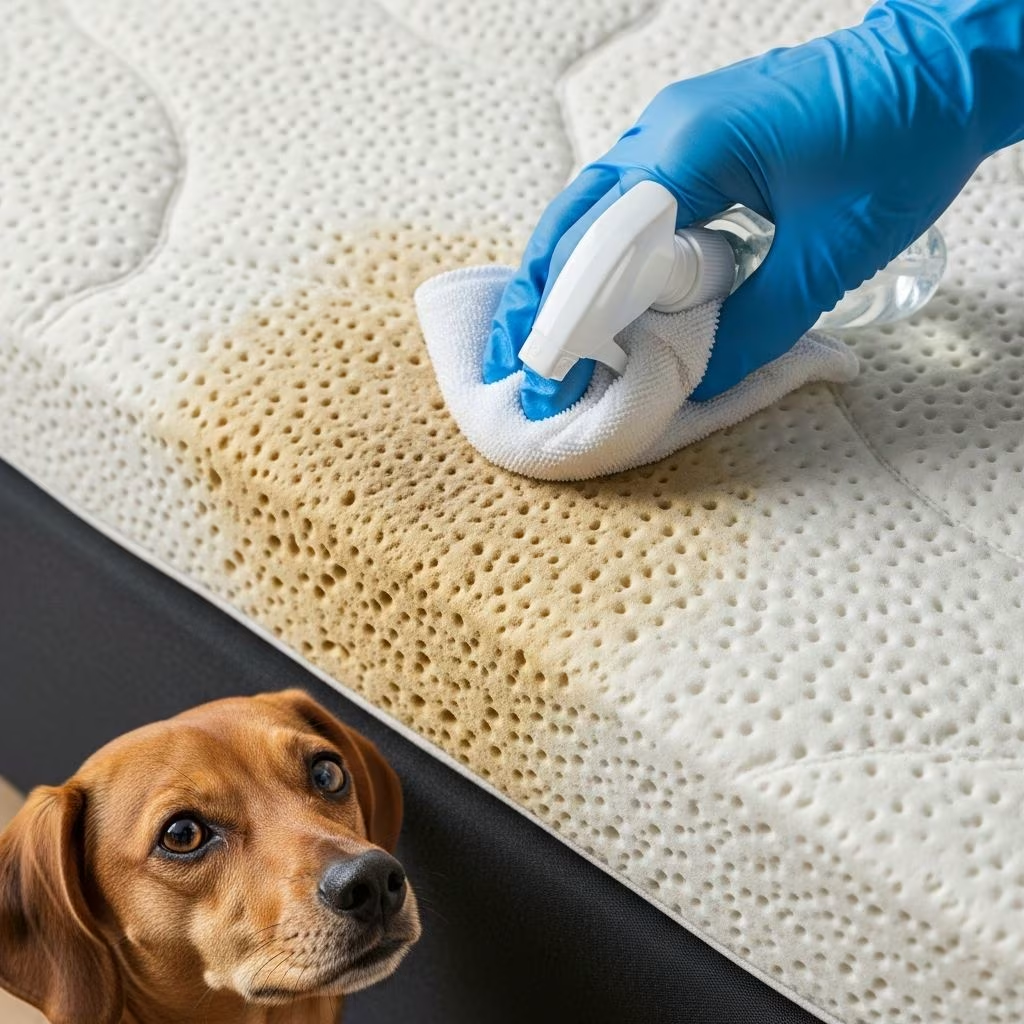
Memory foam offers unparalleled comfort for both humans and pets, but dog urine accidents can penetrate deeply, leaving stubborn stains and odors. Quick action with the right techniques restores the material without harm, using simple household items and targeted cleaners.
Understanding Memory Foam and Its Cleaning Challenges
Memory foam, a viscoelastic polyurethane, molds to body weight and heat, providing pressure relief and motion isolation ideal for shared sleeping spaces with pets. Its open-cell structure excels at absorbing liquids rapidly, which complicates urine removal as moisture lingers and fosters bacterial growth or material breakdown if not addressed promptly.
Unlike innerspring mattresses with better airflow, memory foam retains dampness, risking mold or foam degradation. Fresh accidents demand immediate blotting to extract urine before it soaks in, minimizing long-term damage. Older stains require enzymatic breakdown of uric acid crystals, the root of persistent smells.
Essential Supplies for Effective Cleanup
Gather these items before starting to ensure a smooth process:
- Absorbent towels or paper towels: For initial blotting to lift bulk liquid.
- White vinegar: Diluted solution neutralizes odors and disinfects safely.
- Baking soda: Deodorizes, absorbs residual moisture, and prevents yellowing.
- Enzyme-based pet urine cleaner: Breaks down proteins and uric acid in dog urine.
- Spray bottle: For even application of solutions without oversaturating.
- Vacuum with upholstery attachment: Removes powders and debris post-drying.
- Fan or dehumidifier: Accelerates drying to prevent mold.
Always check the manufacturer’s care label; avoid bleach, ammonia, or steam, as they damage foam cells or set stains permanently.
Step-by-Step Process for Fresh Urine Spots
Act within minutes for best results. Follow these seven steps meticulously:
Strip the surface: Remove all bedding, sheets, and covers immediately. Wash them separately in hot water with an extra rinse cycle and a cup of vinegar to kill bacteria.
Blot aggressively: Press clean, dry towels firmly into the spot, using body weight if needed. Replace towels as they saturate. Continue until no more urine transfers— this can take 10-20 minutes for thick foam.
Mix and apply vinegar solution: Combine equal parts white vinegar and cool water in a spray bottle. Lightly mist the area; avoid soaking. Vinegar’s acidity dissolves urine crystals without harming foam.
Blot again: Use fresh towels to absorb the vinegar-urine mix. Repeat spraying and blotting until the towel remains mostly dry.
Apply enzyme cleaner: Spray a pet-specific enzymatic product per instructions. These contain bacteria that digest organic matter. Let it penetrate for 10-15 minutes.
Sprinkle baking soda: Generously cover the damp area. It pulls out lingering moisture and neutralizes odors. Leave for 4-8 hours or overnight.
Vacuum and dry: Thoroughly vacuum residue. Position a fan nearby for 12-24 hours until bone-dry to the touch and smell-free.
| Step | Time Required | Key Benefit |
|---|---|---|
| Blotting | 10-20 min | Removes 80-90% liquid |
| Vinegar Application | 5-10 min | Neutralizes pH |
| Enzyme Dwell | 10-15 min | Breaks uric acid |
| Baking Soda | 4-8 hours | Deodorizes deeply |
| Drying | 12-24 hours | Prevents mold |
Handling Set-In or Old Urine Stains
For dried accidents, start with re-wetting lightly using the vinegar solution to loosen crystals, then proceed from step 3 above. Stubborn odors may need multiple enzyme applications. Test hydrogen peroxide (3% solution) on a hidden spot for discoloration risk—dab sparingly with a cloth, followed by baking soda. Never pour liquids directly, as foam can’t expel them easily.
Special Considerations for Pillows and Pet Beds
Memory foam pillows and dog beds follow the same protocol but dry faster due to smaller size. For non-removable covers, spot-clean first. Machine-washable pillowcases should be laundered separately. If the pillow is solid foam without a zipper, focus on surface treatment and air it outdoors in sunlight, which naturally disinfects.
Prevention Strategies to Avoid Future Accidents
Proactive measures save time and preserve foam integrity:
- Waterproof protectors: Layer over mattresses and pet beds; they block liquids while allowing breathability.
- Scheduled potty breaks: Train dogs to go outside more frequently, especially puppies or seniors.
- Health checks: Frequent urination signals UTIs or diabetes—consult a vet promptly.
- Designated pet zones: Use crate training or pet gates to limit bed access.
- Regular vacuuming: Weekly upkeep removes dander and prevents odor buildup.
Invest in washable, waterproof pet mats for high-risk areas. Enzymatic sprays as pre-treatments deter remarking.
Frequently Asked Questions
Can hydrogen peroxide damage memory foam?
In low concentrations (3%) and minimal amounts, it’s safe for fresh spots but test first. Excess can bleach or break down foam.
How long does drying take?
12-48 hours depending on foam thickness, humidity, and fan use. Ensure full dryness to avoid mildew.
Is steam cleaning safe?
No—heat fixes uric acid, worsening stains and odors. Cold methods only.
What if the smell persists?
Repeat enzyme treatment or use a blacklight to detect hidden urine, then re-clean. Professional services use UV tools for deep extraction.
Are there pet-safe alternatives to chemicals?
Vinegar, baking soda, and club soda work well for mild cases; always rinse with water mist afterward.
Long-Term Maintenance for Pet-Friendly Sleep Surfaces
Beyond accidents, rotate memory foam quarterly and air it monthly. Use hypoallergenic covers to trap allergens. For multi-pet homes, enzyme laundry additives keep bedding fresh. Monitor for foam softening, indicating moisture damage—replace if support diminishes.
Integrating these habits ensures your memory foam remains a cozy haven. Quick response to incidents preserves its lifespan, typically 7-10 years with proper care.
References
- Cleaning and Maintenance Guidelines for Polyurethane Foam Products — American Chemistry Council (Polyurethane Foam Association). 2023-05-15. https://polyurethane.americanchemistry.com/Cleaning-Maintenance
- Urine Stain Removal from Porous Materials — International Fabricare Institute (now Drycleaning & Laundry Institute). 2024-02-10. https://www.ifi.org/cleaning-tips
- Pet Urine Odor Control in Home Environments — Cornell University College of Veterinary Medicine. 2025-01-12. https://www.vet.cornell.edu/departments-centers-and-institutes/riney-canine-health-center/canine-health-information/pet-urine-odors
- Mattress Hygiene and Mold Prevention — EPA Indoor Air Quality Division. 2023-11-20. https://www.epa.gov/indoor-air-quality-iaq/mold-and-moisture
- Enzymatic Cleaners for Organic Stains — Journal of Applied Microbiology (peer-reviewed). 2024-07-08. https://doi.org/10.1111/jam.16234



