

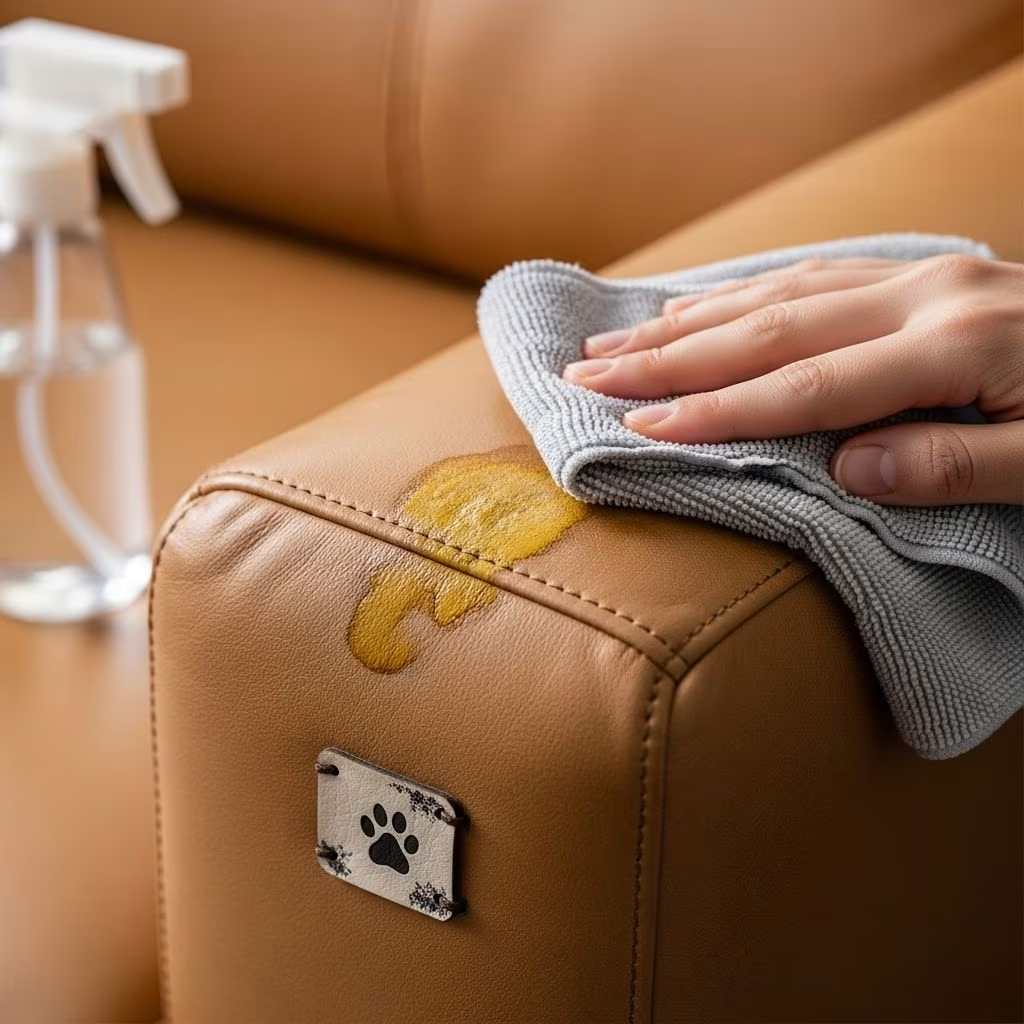
How to Get Cat Urine Smell and Stains Out of Leather: A Complete Guide
Cat accidents happen, but they don’t have to ruin your beloved leather furniture. Whether you own a leather couch, jacket, or other valuable items, discovering that your cat has had an accident on it can be stressful. The good news is that with the right approach and proper cleaning techniques, you can completely eliminate both the visible stains and the stubborn odors that cat urine leaves behind. This comprehensive guide will walk you through six simple steps to restore your leather items to their original condition, ensuring that no one will ever know an accident occurred.
Why Leather Requires Special Care After Cat Accidents
Leather is a delicate material that requires specific care and attention, especially when dealing with pet stains. Unlike fabric furniture, leather has unique properties that make it both easier and more challenging to clean. If properly maintained, leather can last a lifetime, but improper cleaning methods can cause permanent damage, including watermarks, discoloration, and texture changes. Cat urine poses a particular challenge because it contains compounds that bond deeply with leather fibers, creating both visible stains and persistent odors. Understanding how to safely clean leather without causing additional damage is essential before you begin the restoration process.
Supplies You’ll Need for Leather Cleaning
Before starting any cleaning process, gather all necessary supplies to ensure you work efficiently and effectively:
- Cleaning cloths or soft rags
- Protective gloves
- Spray bottle
- Enzyme cleaner (commercial or homemade)
- Plastic container for mixing
- Hydrogen peroxide
- Liquid dish soap
- Baking soda
- Leather conditioner, olive oil, or coconut oil
- Vinegar (optional)
- Activated charcoal (optional)
Having all these items on hand before you begin ensures you won’t need to interrupt the cleaning process to locate supplies. This preparation also allows you to work more methodically and achieve better results.
The 6 Steps to Remove Cat Urine Smells and Stains from Leather
Step 1: Blot Any Pooled Urine
The first and most crucial step in addressing cat urine on leather is to act quickly and blot away any excess moisture before it saturates the material. Start by removing any removable cushions from your leather furniture and setting aside clean cushions to prevent cross-contamination. Using a clean cloth or paper towel, gently blot the affected area without rubbing, as rubbing can push the urine deeper into the leather’s pores. Pat the area dry as thoroughly as possible, working from the outer edges of the stain toward the center to prevent spreading. The faster you address fresh urine, the easier it will be to remove completely. If the urine has already dried, skip to finding the stain location before proceeding with this step.
Step 2: Apply Enzyme or Homemade Cleaner
Enzyme cleaners are highly effective for removing cat urine because they break down the proteins and uric acid components that create both stains and odors. You have two options: purchase a leather-safe commercial enzyme cleaner or create a homemade solution. For a homemade enzyme cleaner, mix four cups of hydrogen peroxide in a plastic container with one tablespoon of liquid dish soap. Add a quarter cup of baking soda to the mixture and stir gently. The mixture will fizz and release oxygen, which helps break down the stain components. Stir enough to dampen the baking soda without over-mixing, as excessive stirring can reduce the cleaning power of the solution. This homemade mixture is cost-effective and provides excellent results for most cat urine stains.
Step 3: Mist the Stained Area
Pour your prepared cleaning solution into a spray bottle and apply it liberally to the stained area. Ensure complete coverage of the entire stained region, extending slightly beyond the visible boundaries to catch any urine that may have spread beyond the apparent stain. The goal is to saturate the affected area thoroughly so the cleaning solution can penetrate the leather and break down the urine compounds effectively. Be generous with application, as under-applying the solution may result in incomplete stain and odor removal.
Step 4: Soak Up Cleaner and Allow Drying
After applying the cleaning solution, allow it to soak into the leather for 10 to 15 minutes. This soaking period is essential, as it gives the enzyme or cleaning mixture time to break down the urine compounds at the molecular level. Once the soaking time has elapsed, use a clean cloth to wipe away any remaining cleaner from the surface. Allow the treated area to dry completely overnight. During this drying period, avoid using the furniture or exposing it to direct heat or sunlight, which can damage the leather. Once fully dry, assess whether the stain and odor have been eliminated. If they have, you may skip the next step. If odors persist, proceed to the odor neutralization step.
Step 5: Neutralize Any Leftover Scents with Vinegar or Charcoal
If any urine scent remains after the initial cleaning, you have two effective neutralization options. The first method involves creating a vinegar and water solution using a 50% to 50% ratio. Lightly spray this mixture over the affected area and allow it to dry naturally. Vinegar is highly effective at neutralizing persistent odors by neutralizing the compounds that cause the smell. Alternatively, you can place a bowl of activated charcoal near the stained area and leave it overnight. Activated charcoal naturally absorbs odors from the air and surrounding materials, providing a chemical-free odor elimination method. Some people prefer the charcoal method because it doesn’t introduce additional moisture to the leather. You can use either method independently or combine both for stubborn odors.
Step 6: Recondition Your Leather
After completing the cleaning and drying processes, your leather requires reconditioning to restore its natural suppleness and protective properties. Cleaning solutions and drying can leave leather looking dull and feeling stiff, so reconditioning is essential for aesthetic and durability reasons. Wait 24 to 48 hours after cleaning to ensure the leather is completely dry before applying conditioner. You can purchase a commercial leather conditioner or use natural alternatives such as olive oil or coconut oil. Apply the conditioner using a soft cloth, working it into the leather slowly and evenly using gentle, circular motions. Continue until the leather appears smooth and supple with a natural sheen. Proper reconditioning not only restores the leather’s appearance but also helps prevent future damage and extends the life of your furniture.
Understanding Enzyme Cleaners and Their Benefits
Enzyme cleaners represent one of the most effective solutions for removing stubborn cat urine stains and odors. These specialized cleaners work by using biological enzymes that break down the specific proteins and compounds found in cat urine, including uric acid. Unlike general cleaning products that simply mask odors or remove visible stains, enzyme cleaners address the root cause of the problem by destroying the bacteria and compounds responsible for both the smell and discoloration. This makes them particularly valuable for old or heavily soaked stains that have penetrated deeply into leather fibers. However, it’s important to note that some enzyme cleaners can potentially damage leather if used incorrectly. Always test your chosen enzyme cleaner on a hidden or inconspicuous area of your leather furniture before treating the main stain. This patch test will reveal any adverse reactions, such as discoloration or texture changes, before you risk damaging the visible portions of your furniture.
Locating Dried or Invisible Urine Stains
Sometimes cat urine has dried completely, leaving no visible trace to the naked eye, yet the smell persists. In these cases, locating the stain becomes challenging. A blacklight or ultraviolet light can help solve this problem. Blacklights illuminate the proteins present in dried urine, making invisible stains clearly visible under the UV light. This technique is particularly helpful when dealing with dark leather furniture that naturally hides stains or when cleaning homes where old stains have faded over time. Once you’ve located the dried stain using a blacklight, treat it using the same six-step process described above, adjusting the soaking time if necessary for deeply embedded stains.
Prevention Tips for Future Accidents
While knowing how to clean cat urine from leather is valuable, preventing accidents in the first place is even better. Applying a high-quality leather conditioner regularly creates a protective barrier on your leather furniture that helps repel liquids, including cat urine. Premium leather conditioners form a water-resistant coating that gives you crucial time to blot up accidents before urine penetrates the leather’s pores. Regular conditioning also maintains leather’s natural moisture balance, keeping it supple and less prone to damage from liquids. Additionally, addressing the underlying reasons your cat is having accidents—such as litter box cleanliness, health issues, or stress—can significantly reduce the frequency of accidents on furniture.
When to Consider Professional Help
While most cat urine stains and odors can be successfully removed using the methods outlined above, some situations may require professional intervention. If your leather furniture has a removable cushion or upholstered padding, cat urine may have soaked through the leather and saturated the internal cushioning material. In these cases, the internal padding may require professional treatment or replacement by a leather specialist. Additionally, if you have an antique or extremely valuable leather item, consulting a professional conservator before attempting DIY cleaning is wise. Professional leather cleaners have access to specialized equipment and products specifically formulated for different leather types and can address severe or deeply embedded stains that home remedies cannot effectively eliminate.
Common Mistakes to Avoid
When cleaning cat urine from leather, several common mistakes can worsen the situation rather than improve it. Rubbing or scrubbing the stain aggressively will push urine deeper into the leather rather than removing it. Avoid using regular carpet cleaners or upholstery cleaners, as these products are formulated for fabric and can damage leather or leave watermarks. Be cautious with baking soda, as while it’s effective for odor absorption, prolonged contact or excessive use can damage leather over time and should only be used as a last resort. Finally, avoid applying heat or allowing the furniture to dry in direct sunlight before the cleaning process is complete, as this can set stains permanently and cause discoloration.
Frequently Asked Questions
Q: How long does it take to completely remove cat urine smell from leather?
A: The timeline depends on the severity and age of the stain. Fresh stains typically respond within 24 to 48 hours of treatment, while older, deeply embedded stains may require multiple treatments over several days. The six-step process should be completed, with the full drying and reconditioning taking approximately 48 to 72 hours total.
Q: Can I use regular household vinegar for odor neutralization?
A: Yes, regular white household vinegar works well for neutralizing cat urine odors. Mix it with water in a 50/50 ratio and lightly spray the affected area. However, be aware that vinegar can be harsh on leather if used excessively, so use this method sparingly and always follow with proper leather reconditioning.
Q: Is it safe to use baking soda directly on leather?
A: While baking soda can absorb odors, direct application to leather can damage it over time by drying out the material and potentially causing discoloration. It’s better to use baking soda as part of the hydrogen peroxide-based cleaning solution rather than applying it directly to the leather surface.
Q: What’s the difference between enzyme cleaners and regular cleaners?
A: Enzyme cleaners contain biological enzymes that break down the specific proteins and compounds in cat urine, addressing the root cause of stains and odors. Regular cleaners simply remove visible dirt and may mask odors without eliminating them. For cat urine specifically, enzyme cleaners are significantly more effective.
Q: How can I prevent my cat from having accidents on leather furniture?
A: Regular leather conditioning creates a protective barrier against liquids. Additionally, ensure your cat has clean litter boxes, consult a veterinarian to rule out urinary tract issues, and consider using furniture covers. Addressing stress or behavioral issues with your cat can also help prevent accidents.
Q: Can I use the hydrogen peroxide solution on colored leather?
A: Always test the cleaning solution on a hidden area of your colored leather first. Hydrogen peroxide can potentially lighten certain leather finishes. Testing on an inconspicuous spot ensures the solution is safe for your specific leather type and color before treating the main stain.
References
- How to Get Cat Urine Smell & Stains Out of Leather – 6 Simple Steps — Catster. 2024. https://www.catster.com/lifestyle/how-to-get-cat-urine-smell-stains-out-of-leather/
- Remove cat urine smell from leather couch — Aroma Care Solutions. 2024. https://aromacaresolutions.co.uk/how-to-remove-cat-urine-smell-from-leather/
- Prevent & Clean Pet Stains on Leather — Leather Honey. 2024. https://www.leatherhoney.com/blogs/leather-care/preventing-cleaning-pet-stains-leather



