

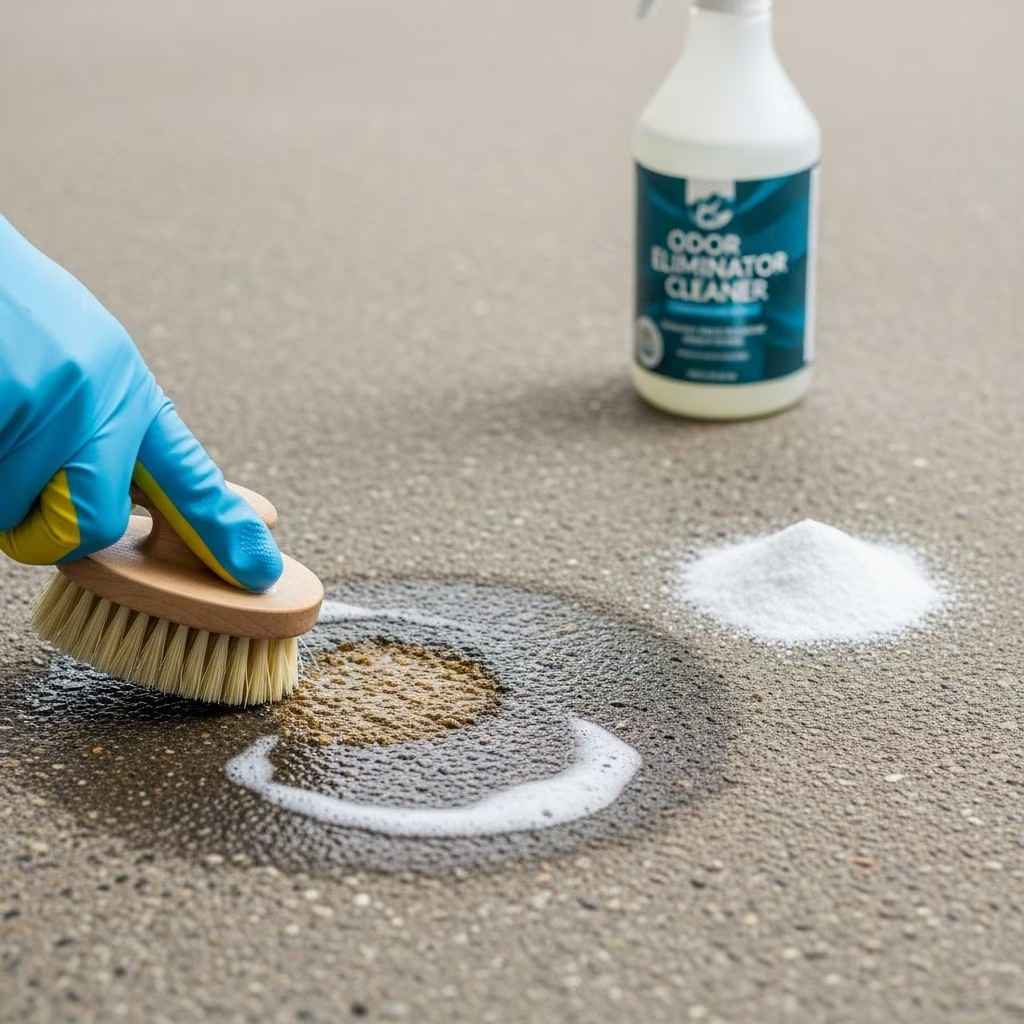
How to Remove Cat Urine Smell and Stains from Concrete
Cat urine presents one of the most persistent and challenging odors to eliminate from concrete surfaces. Whether you’re dealing with a single accident or accumulated damage from repeated incidents, understanding the chemistry behind urine stains and the proper removal techniques is essential. The difficulty in removing cat urine from concrete stems from uric acid crystals found in urine, which penetrate deeply into the porous surface of concrete and require specialized treatment to fully eliminate.
Understanding Why Cat Urine Sticks to Concrete
Concrete is a highly porous material that readily absorbs liquids, making it particularly susceptible to urine damage. Unlike sealed or non-porous surfaces, concrete allows urine to seep deep into its structure, where uric acid crystals bond with the material. Standard cleaning products containing soap and chemicals cannot effectively break down these uric acid crystals, which is why traditional cleaning methods often fail to permanently remove the odor.
The permeability of concrete means that if you only clean the surface area where visible staining appears, urine may still exist deeper within the material. This is why cats often return to the same spot—they can detect remaining urine odors that humans cannot easily perceive. Additionally, cats are exceptionally sensitive to urine smell and will target areas that have not been thoroughly cleaned.
Preparation Steps Before Cleaning
Proper preparation is crucial for successful urine removal from concrete. Before beginning the cleaning process, you must eliminate all potential sources of urine odor in the surrounding area.
Remove All Absorbent Materials
- Remove floor coverings: Take up all carpets, rugs, blankets, and floor mats that may have absorbed cat urine.
- Remove carpet padding: Carpet padding under flooring absorbs urine extensively and must be completely removed and disposed of.
- Remove wooden strips and baseboards: Wood trim, door frames, and any wooden elements that contact the floor absorb urine and should be replaced or treated separately.
- Replace wall coverings: Remove and replace all curtains, drapes, and wall hangings that may have absorbed urine odor.
Clean Surrounding Surfaces
Before treating the concrete floor itself, clean all related surfaces thoroughly:
- Clean sofas, furniture, and cushions near the affected area
- Wash walls and wall moldings where cats may have sprayed
- Clean all baseboards and lower wall areas
- Paint walls and wall moldings after floor treatment to prevent future odor issues
Expose the Full Concrete Surface
It is essential to expose and clean the entire concrete floor in the room, not just the visibly stained area. Cats can detect minute traces of urine and will continue to urinate in any spots that retain odor. Therefore, treat the whole floor as a precaution against future incidents.
Materials and Equipment Needed
To properly clean cat urine from concrete, you will need the following supplies:
- Wet/dry shop vacuum
- Scrub brush with plastic bristles or a floor maintainer with scrubbing pad
- Pump sprayer for applying cleaning solution
- Enzyme-based cleaning product (such as SealGreen Kennel Cleaner)
- Access to warm or hot water
- Clean fresh water for rinsing
- Safety equipment: glasses and gloves for personal protection
Enzyme-Based Cleaners: The Most Effective Solution
The permanent solution for removing cat urine odor and stains from concrete requires products specifically designed to target uric acid crystals. Enzyme-based cleaners are the only truly effective option because they chemically break down the uric acid crystals at their source, rather than simply masking the smell.
How Enzyme Cleaners Work
Enzyme-based products work by using specialized enzymes that bind with and destroy uric acid crystals. Traditional cleaning methods fail because they do not address the chemical structure of urine. However, enzyme cleaners penetrate the concrete and neutralize the odor-causing compounds permanently.
Popular Enzyme-Based Options
Urine-Erase uses a two-step process: First, a dry enzyme powder is mixed fresh with water and poured onto the stain, where it sits for 8 hours. The second step involves pouring an accompanying gentle peroxide solution over the stain, which transforms the stain and odor into evaporable gases of water and oxygen.
OdorZyme features a one-step design with a super-strength plant-based surfactant that digests uric acid crystals at the source. It comes in both spray bottles for small areas and economy sizes for larger projects.
Products like EXAC combine enzymes with beneficial bacteria to not only clean but also prevent future bacterial growth.
Step-by-Step Cleaning Process
Step 1: Pre-Cleaning Treatment
Wash and clean all washable wall surfaces and floor moldings with your chosen enzyme-based cleaner before starting on the floor itself. Rinse thoroughly with clean water.
Step 2: Apply Enzyme Cleaner
Start by spraying the enzyme-based cleaner diluted with warm or hot water according to product instructions. Work in small sections, approximately 4 feet by 4 feet at a time.
Step 3: Allow Soaking Time
Apply the cleaner and allow it to soak into the concrete for 4 to 5 minutes. For severe or long-standing urine problems, extend soaking time to 8-24 hours to ensure deep penetration. The longer soaking period allows the enzyme to work deeper into the porous concrete structure.
Step 4: Scrub the Floor
After soaking, scrub the concrete thoroughly using a plastic-bristled brush or floor maintainer. Scrubbing helps the enzyme cleaner penetrate deeper and break down uric acid crystals more effectively.
Step 5: Rinse and Extract
Rinse the treated area with clean water and use the wet/dry shop vacuum to collect all rinse water. This extraction step is crucial for removing loosened uric acid crystals and enzyme residue from the concrete.
Step 6: Repeat as Necessary
Allow the floor to dry completely and check for remaining urine smell. You may need to repeat the entire cleaning process several times, especially if urine has accumulated over many years or if severe staining is present.
Step 7: Complete Drying
Allow the floor to dry for a full 24 hours before proceeding to sealing.
Sealing the Concrete Floor
After successfully removing urine odor through enzymatic cleaning, sealing the concrete is the final and critical step to prevent future odor problems and protect the surface.
Why Sealing Is Essential
Sealing the concrete creates a protective barrier that prevents future urine from absorbing into the material. It also permanently traps any remaining microscopic odor particles, completely eliminating the smell. Additionally, a sealed surface is easier to clean and more resistant to staining from future accidents.
Choosing the Right Sealer
Select a high-quality epoxy or polyurethane sealer designed for concrete floors. Epoxy vapor barrier sealers are highly recommended, as they provide excellent protection against moisture and odor penetration. For optimal results, apply a waterproofing sealer first, followed by a decorative surface sealer.
Application Process
- Use a half-inch nap roller to apply sealer to the concrete
- Apply at least two coats for standard situations
- If urine has been present for many years, apply additional coats to fully encapsulate all odors
- Allow 4 hours of drying time between coats
Post-Cleaning Floor Covering Options
Once the concrete has been thoroughly cleaned and sealed, you have options for how to finish the surface.
If Installing New Flooring
If you plan to cover the sealed concrete, use new carpet, vinyl, or other flooring materials—never reuse old carpet or rugs, as they may still contain urine residue.
Keeping Concrete Exposed
If you prefer to leave the concrete exposed, you can apply colored stains before sealing to enhance the appearance and create a finished look. Concrete color stains are available in various options and can make a utilitarian surface more attractive.
Ongoing Maintenance
After cleaning and sealing, maintain your concrete floor with regular care:
- Regularly clean the floor using diluted enzyme-based cleaner as needed
- Clean up any accidents immediately to prevent re-accumulation of urine odor
- Ensure proper ventilation in the room to help eliminate any remaining odors
- Monitor the floor for signs of new staining or odor development
Special Considerations
Removing Previous Flooring Adhesive
If vinyl flooring or other materials were previously applied to the concrete, you may need to remove adhesive residue before beginning the enzymatic cleaning process. Concrete with glue residue may require additional preparation steps.
Multiple Cat Households
In homes with multiple cats or chronic urine marking problems, consider addressing the underlying behavioral issues while treating the concrete. Consult with a veterinarian or feline behaviorist to identify and resolve the cause of inappropriate urination.
Extreme or Long-Standing Damage
For situations where urine has penetrated concrete for years, multiple cleaning treatments may be necessary. Professional remediation services may be worth considering for severe cases.
Frequently Asked Questions
Q: Can regular bleach remove cat urine from concrete?
A: No. Bleach should not be used on concrete with urine, as it creates harmful chemical reactions. Additionally, bleach does not break down uric acid crystals and will not permanently eliminate odor.
Q: Will vinegar solve the problem?
A: While vinegar is acidic and can temporarily neutralize some odors, it does not permanently destroy uric acid crystals. Enzyme-based products are far more effective for permanent odor elimination.
Q: How long does the entire removal and sealing process take?
A: The process typically takes 2-3 days minimum, including cleaning, soaking, drying, and sealing steps. For severe cases requiring multiple cleaning cycles, it may take a week or longer.
Q: Can I just cover the stain with new flooring?
A: Not effectively. Without proper cleaning and sealing, odor will continue to develop under new flooring, and cats may continue to target the same area. Proper treatment is essential.
Q: What if the smell returns after cleaning?
A: This indicates that urine remains deeper in the concrete. Repeat the enzymatic cleaning process, allowing for longer soaking times. If the problem persists, the concrete may require professional remediation or replacement.
Q: Is it necessary to seal the floor after cleaning?
A: Yes, sealing is highly recommended as a final protective step. Sealing prevents future urine absorption and permanently traps any remaining microscopic odor particles.
References
- How to Clean Cat Urine off Concrete Floors — SealGreen. https://sealgreen.com/blog-how-to-clean-cat-urine-off-concrete-floors/
- How to Remove Urine Odor and Stains from Concrete Floors — Bedwetting Store. https://bedwettingstore.com/pages/buyers-guide-stain-removers-concrete
- Urine from Concrete — Window Cleaner Community. https://community.windowcleaner.com/t/urine-from-concrete/23354
- How To Remove Pet Urine Smell From Concrete — YouTube. https://www.youtube.com/watch?v=YvpDL4npBfg



