
Relocating Your Dog: A Complete Guide
Master the art of moving with your canine companion using expert strategies and practical tips.
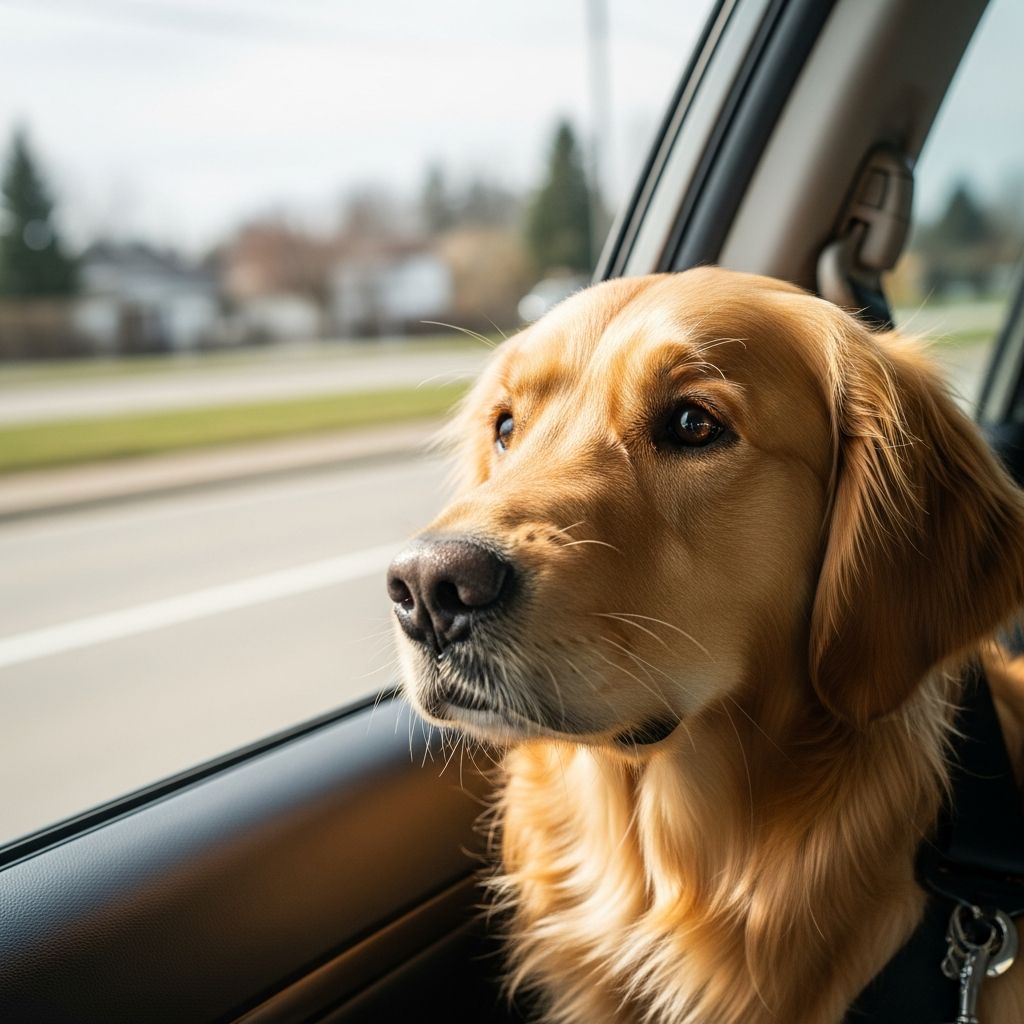
Moving to a new home represents one of the most significant changes you and your family can experience—and your dog will feel it too. While the relocation process demands considerable attention to your belongings and logistics, your canine companion requires specialized consideration to ensure the transition remains safe and emotionally manageable. Understanding how to navigate this change with your dog transforms what could be a chaotic experience into a structured, manageable process that prioritizes your pet’s wellbeing.
Understanding Your Dog’s Perspective During Relocation
Dogs thrive on predictability and routine. Their sense of security stems from familiar environments, consistent schedules, and recognizable smells. When you initiate a move, you’re disrupting all these anchoring elements simultaneously. Your dog doesn’t understand that the disappearing furniture and packed boxes represent temporary change; instead, they perceive their world becoming increasingly unstable.
This disorientation can manifest in various behavioral changes—increased anxiety, restlessness, loss of appetite, or uncharacteristic aggression. Some dogs become clingy and refuse to leave their owners’ sides, while others withdraw and hide. By recognizing these responses as normal rather than problematic, you can approach the moving process with empathy and implement strategies that address your dog’s emotional needs.
The Foundation: Administrative and Legal Preparation
Before any physical packing begins, several administrative tasks require your attention. These preliminary steps ensure your dog remains protected and findable should something go wrong during the transition.
Updating Identification Systems
Your dog’s ID tag and microchip represent the primary mechanisms through which strangers can reunite a lost pet with their owner. Update both systems to reflect your new address and contact information. If your dog escapes during the moving process—which can happen amid the chaos of open doors and unfamiliar surroundings—your current identification dramatically increases the likelihood of recovery.
Contact your microchip provider to update their database immediately. This often involves a simple online form and takes only minutes. Physical ID tags can be ordered from numerous pet supply retailers and typically arrive within days.
Researching Local Regulations and Resources
Pet ownership regulations vary significantly between jurisdictions. If you’re moving across state or regional boundaries, research local leash laws, licensing requirements, and breed-specific regulations. Some areas enforce mandatory licensing within specific timeframes after relocation, while others maintain restrictions on certain breeds or sizes.
Beyond legal requirements, investigate the practical resources available in your new location: veterinary clinics, emergency animal hospitals, dog parks, and pet supply stores. Identifying these resources before arrival enables you to establish relationships and know where to turn if your dog requires care.
Pre-Move Preparation: Building Your Timeline
Effective relocation requires a structured timeline beginning six to eight weeks before moving day. This extended preparation period allows your dog to gradually adjust to changes rather than experiencing sudden upheaval.
Establishing Familiarity with Moving Materials
Packing boxes, tape dispensers, and other moving supplies produce unfamiliar sounds and create unusual visual disruptions throughout your home. Rather than allowing these materials to accumulate and increase your dog’s anxiety, introduce them gradually. Place a few boxes around your living space days before serious packing begins, allowing your dog to investigate and become accustomed to their presence. This desensitization process reduces the stress response when packing accelerates.
Maintaining Consistent Routines
During the pre-move weeks and throughout relocation, preserving your dog’s daily routine becomes increasingly important. Maintain regular mealtimes, consistent walking schedules, and established playtime sessions. If anything, consider increasing physical activity during this period, as exercise-induced fatigue naturally reduces anxiety and prevents excess energy from manifesting as destructive behavior.
This consistency signals normalcy to your dog despite environmental chaos around them. The familiar rhythm of their day provides psychological stability even as their physical surroundings change.
Veterinary Preparation
Schedule a veterinary appointment several weeks before your move. Request copies of your dog’s medical records, vaccination documentation, and current prescription information. If your dog experiences motion sickness during car travel, your veterinarian can recommend appropriate medications or preventative measures.
Additionally, discuss any anxiety-related concerns with your vet. Some dogs benefit from calming supplements or prescription anxiety medications during high-stress periods. Your veterinarian can recommend options tailored to your dog’s health profile and specific needs.
Strategic Packing and Organization
How you pack directly impacts how smoothly your dog transitions to the new environment. Intentional organization of your dog’s belongings facilitates quick establishment of familiar spaces.
Creating a Priority Pet Box
Designate one box specifically for your dog’s essential items and load it last during moving day. This box should contain their food, water bowls, current food supply, medication (if applicable), favorite bedding, toys, and cleaning supplies. By packing this box last, you ensure it arrives at your new home first and can be unloaded immediately, allowing you to quickly reconstruct familiar elements of your dog’s environment.
Preserving Familiar Scents
Resist the urge to purchase new bedding, toys, or blankets for your move. Your dog’s existing items carry scents from your previous home—scents that provide comfort and security during transition. These familiar smells work like olfactory security blankets, reducing anxiety when everything else feels foreign.
Before moving day arrives, consider collecting items that carry your scent: old t-shirts or towels that you don’t need in your new home. These can be placed in your dog’s safe space during travel and throughout the adjustment period, providing additional psychological comfort.
Managing Moving Day Successfully
Moving day presents the most chaotic period of relocation. Strategic management of this day minimizes your dog’s exposure to stress and potential danger.
Alternative Care Arrangements
The optimal solution involves removing your dog from the moving environment entirely. If possible, arrange for your dog to spend moving day at a friend’s or neighbor’s house, or at a professional daycare facility. This eliminates exposure to strangers in your home, constantly opening and closing doors, loud noises, and the general chaos of moving trucks and equipment.
If external care isn’t feasible, designate a quiet room or crate as your dog’s safe space during the moving process. Stock this area with water, food, their comfortable bedding, and favorite toys. Minimize interruptions to this space throughout the day.
Timing and Logistics
Feed and exercise your dog thoroughly before movers arrive. A tired, well-fed dog is more likely to rest during the moving process rather than becoming agitated or attempting to escape when doors open and close repeatedly. Exercise before the moving team arrives allows your dog to expend nervous energy productively.
When you transport your dog to your new home, pack them into the vehicle last. Minimize their time in the car by coordinating your departure to occur when most boxes are already loaded. If your dog experiences motion sickness or severe travel anxiety, implement any preventative measures recommended by your veterinarian before departing.
Securing Familiar Comfort Items During Transit
Provide your dog with a shirt or blanket carrying familiar scents during the car ride. This tangible connection to home helps soothe anxiety during what may be the most stressful portion of the relocation process. Additionally, keep a recent photo of your dog accessible; should your dog escape during transit, you have documentation for quickly posting to local social media and animal services.
Arrival and Immediate Integration
The moments immediately following arrival at your new home establish the tone for your dog’s entire adjustment process. Thoughtful initial management facilitates faster acclimation.
Creating an Immediate Safe Haven
Upon arrival, place your dog immediately into a quiet, contained space away from open doors and the ongoing chaos of unloading. A bedroom with their bed, toys, food, water, and a litter box (if applicable) creates an immediate sanctuary. This space gives your dog time to decompress from travel stress before encountering the full scope of changes.
Allow your dog to remain in this safe space for several hours, checking regularly to ensure they drink water and eliminate waste. This isn’t confinement—it’s controlled exposure that prevents overwhelming sensory input.
Strategic Furniture Placement
If possible, arrange furniture in your new home similar to your previous arrangement. Dogs navigate homes partially through spatial memory and furniture positioning. When your dog’s bed occupies the same relative position, when food bowls sit beside the refrigerator just as they did before, and when familiar furniture appears in roughly the same locations, your dog’s brain experiences less disorientation.
Unpacking Priorities
Prioritize unpacking your dog’s items before anything else. Set up their feeding area, bed space, and toy area in the same relative locations they occupied in your previous home. This familiar arrangement communicates stability and normalcy despite the unfamiliar physical environment.
Post-Move Adjustment and Acclimation
The days and weeks following moving day determine how successfully your dog adapts to the new environment. Consistent effort during this period accelerates adjustment.
Establishing New Neighborhood Familiarity
Gradually introduce your dog to your new neighborhood through controlled exploration. Leashed walks around your immediate area allow your dog to investigate new scents and sights at a manageable pace. These walks serve a dual purpose: they provide crucial boundary identification (helping your dog develop spatial awareness of their new territory) and opportunities to meet new neighbors.
Visit nearby dog parks or green spaces where your dog can interact with other canines in a structured environment. These interactions, combined with environmental exploration, accelerate your dog’s sense of belonging in the new location.
Veterinary Establishment
Contact your selected veterinary clinic during your first week in the new home. Schedule an appointment to introduce your dog and establish care records. Additionally, locate the nearest emergency veterinary clinic and document their location and hours. Knowing where to turn if your dog requires urgent care provides peace of mind and ensures you can access help immediately if needed.
Maintaining Schedule Consistency
Continue emphasizing routine throughout the adjustment period. Consistent mealtimes, regular walking schedules, and established playtime sessions help normalize the new environment through predictable structure. This consistency gradually convinces your dog’s nervous system that the new location is safe and stable.
Addressing Common Behavioral Challenges
Many dogs exhibit temporary behavioral changes during and after relocation. Understanding these reactions as normal rather than problematic helps you respond appropriately.
| Behavioral Challenge | Likely Cause | Appropriate Response |
|---|---|---|
| Reduced appetite | Stress and anxiety | Maintain regular feeding times; offer favorite foods; consult vet if persists beyond one week |
| Excessive panting or restlessness | Environmental overstimulation | Increase exercise; provide calming environment; consider temporary anxiety medication |
| Accidents or regression in house-training | Routine disruption and stress | Return to frequent outdoor elimination breaks; reward successful elimination; avoid punishment |
| Destructive behavior | Excess anxiety and energy | Increase physical activity; provide puzzle toys; ensure adequate mental stimulation |
| Excessive vocalization | Separation anxiety or territory marking | Maintain consistent presence; establish boundaries; gradually extend alone time |
Essential Packing Checklist for Your Dog
- Food and water: Current food supply, water bowls, collapsible travel bowl
- Bedding and comfort: Current bed or blanket, crate mat, favorite sleeping items
- Toys and enrichment: Familiar toys, chew items, interactive puzzle toys
- Identification: ID tags, collar, leash, updated microchip information
- Medical supplies: Medications, medical records, vaccination documentation, first aid kit
- Hygiene and waste management: Dog waste bags, cleaning supplies, accident pads, grooming supplies
- Travel comfort: Car seat cover, window shade, extra blankets or towels
- Documents and information: Veterinary records, microchip documentation, emergency contact information for new area
Special Considerations for Long-Distance Moves
If your relocation involves significant distance and extended travel time, additional planning becomes necessary. Research pet-friendly hotels along your travel route. Many hotel chains now accommodate pets, though policies and fees vary. Book accommodations in advance to ensure availability.
Plan your travel route to include regular breaks for your dog to eliminate, drink water, and move around. These breaks prevent stiffness, reduce anxiety, and allow your dog to regulate their nervous system through movement and environmental exposure.
For air travel, research your airline’s pet policies well in advance. Regulations regarding carrier size, breed restrictions, and in-cabin versus cargo transportation vary significantly between airlines. Securing an appropriate travel crate early allows your dog time to acclimate to the carrier before flying.
When to Seek Professional Support
While many dogs adjust naturally to relocation with supportive management, some benefit from professional assistance. Consider consulting a veterinary behaviorist if your dog exhibits:
- Severe anxiety that doesn’t improve within two weeks post-move
- Destructive behavior causing injury to themselves or property
- Persistent loss of appetite lasting more than a few days
- Uncontrolled elimination or regression in house-training beyond two weeks
- Aggression or extreme fear responses toward new environments or people
Professional support might involve behavioral consultation, prescription anxiety medication, or specialized training protocols tailored to your dog’s specific needs and your situation.
Final Thoughts on Successful Relocation
Relocating with your dog requires intentional planning, but the effort yields significant benefits. By understanding your dog’s perspective, preparing thoroughly, managing moving day strategically, and supporting gradual adjustment afterward, you transform relocation from a potentially traumatic experience into a manageable transition. Your dog’s wellbeing during this process depends largely on your ability to maintain calm, predictable structure even amid the chaos surrounding the move. With patience, preparation, and consistent attention to your dog’s needs, your canine companion will successfully transition to your new home and establish the same sense of belonging and security they experienced in your previous residence.
References
- Ways to Make Moving Into a New Home With a Dog Less Stressful — American Kennel Club. 2024. https://www.akc.org/expert-advice/home-living/moving-with-dog/
- Complete Checklist for Moving Your Pets — Suddath Moving Companies. 2024. https://suddath.com/moving-company/moving-tips/moving-with-pets-checklist/
- Ultimate Pet Packing Checklist for a Stress-Free Move — Petdirect. 2024. https://petdirect.co.nz/blog/pet-packing-checklist-for-moving
- Moving With a Dog: 13 Tips to Keep That Tail Wagging — PODS Canada. 2024. https://www.pods.ca/blog/moving-dogs
- Moving Checklist For Pets — STI Moving & Storage. 2024. https://www.stimovers.com/checklist-for-pets/
- Moving with Pets Checklist — North American Van Lines. 2024. https://www.northamerican.com/moving-resources/checklists/moving-with-pets-checklist
- Pet Travel Checklist: Tips for Planning a Last Minute Move — Pet Relocation. 2024. https://www.petrelocation.com/blog/post/pet-travel-checklist-tips-for-planning-a-last-minute-move
Similar Articles








Read full bio of Sneha Tete




