

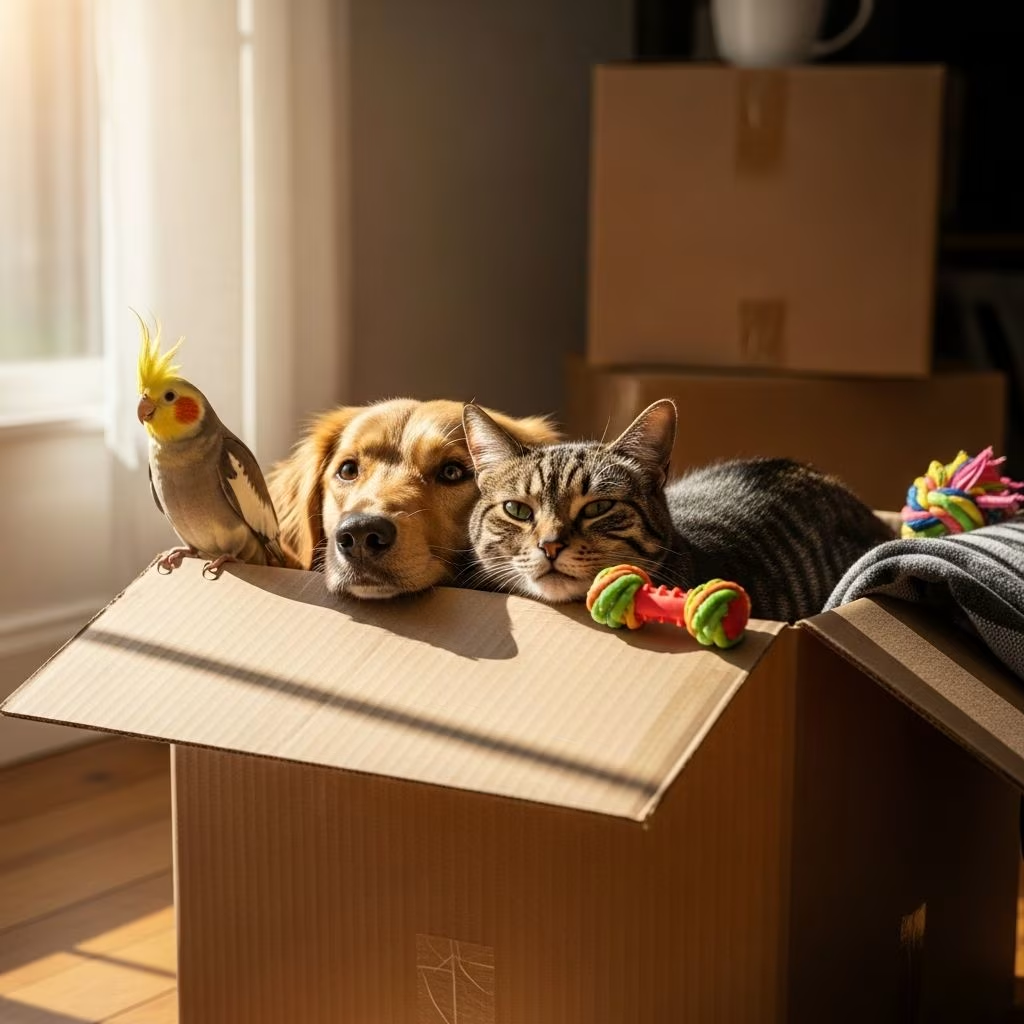
Moving to a new home ranks among life’s top stressors for humans, and pets experience similar upheaval from disrupted routines and unfamiliar surroundings. Dogs may show anxiety through pacing or whining, while cats often hide or alter litter habits. Proper planning transforms this challenge into a manageable process, prioritizing pet health, safety, and comfort throughout.
Advance Preparation: Building a Strong Foundation
Start planning weeks ahead to address health, identification, and acclimation needs. This phase minimizes surprises and ensures compliance with travel regulations.
- Schedule Veterinary Evaluations: Arrange check-ups to confirm fitness for travel. Update vaccinations, especially rabies, and stockpile prescriptions. Obtain records for transfer to a new provider.
- Enhance Identification: Refresh microchips and tags with current phone numbers, omitting old addresses to prevent misdirected returns.
- Research Destination Rules: Verify state or international requirements for vaccines or certificates. For air travel, review airline policies on crates and sedation.
- Acclimate to Carriers: Introduce crates gradually with treats and meals inside, fostering positive associations. Cats benefit from extended familiarization.
These steps, initiated 1-2 months prior, create a buffer against last-minute issues. Consult professionals for complex relocations involving flights or long distances.
Essential Packing: The Ultimate Pet Travel Kit
A dedicated kit keeps essentials accessible amid chaos. Prioritize items for hydration, feeding, and hygiene during transit.
| Category | Items | Purpose |
|---|---|---|
| Food & Water | Extra supply (1-2 weeks), collapsible bowls, bottled water | Maintain nutrition and prevent dehydration |
| Health | Medications, first-aid kit, flea/tick treatments | Handle emergencies and prevent infestations |
| Containment | Crate/carrier, leashes, harnesses, seatbelts | Ensure secure transport |
| Comfort | Favorite toys, blankets, treats | Reduce anxiety with familiar scents |
| Cleanup | Waste bags, scooper, pee pads, towels, wipes | Manage accidents hygienically |
| Grooming | Brush, comb | Keep coat clean during stress |
Unpack this kit first at the destination to recreate familiarity. Label medications clearly and keep the kit in your vehicle, not the moving truck.
Navigating Move Day: Keeping Pets Secure
The frenzy of loading trucks heightens escape risks with constant door openings. Isolate pets early to safeguard them.
- Designate a Safe Zone: Confine to a quiet room with water, toys, and litter. Board or daycare if needed.
- Exercise Beforehand: Walk or play to expend energy, reducing interference.
- Supervise Closely: Assign a family member to monitor; verify mover identities.
For multi-day moves, mimic routines to stabilize pets amid disruption.
Safe Transportation Strategies
Travel method dictates specific precautions. Frequent stops benefit all pets.
Road Trips
- Secure crates on flat surfaces; use harnesses for free movement.
- Stop every 2-3 hours for water, potty, and stretches—avoid feeding heavy meals pre-drive.
- Employ car covers, shades, and climate control to prevent overheating.
Flying
- Select pet-friendly airlines; measure for approved carriers.
- Withhold food 2-3 hours before flights; consult vets on mild sedatives if anxious.
- Book direct flights; prepare for cargo holds with ventilation checks.
Other Methods
For boats or trains, confirm policies and ventilation. Professionals handle logistics for high-stress scenarios.
Maintain leashing at stops and watch for motion sickness signs like drooling.
Settling into the New Environment
Unfamiliar scents and layouts overwhelm pets post-arrival. Gradual integration aids adaptation.
- Prioritize Pet Space: Unpack bedding and bowls first in a contained area to avoid escapes.
- Locate Local Services: Identify vets, emergency clinics, parks, and groomers immediately.
- Resume Routines: Enforce feeding, walks, and play schedules promptly.
- Pet-Proof Thoroughly: Inspect yards for gaps, toxic plants, or hazards; secure fences.
- Monitor Behavior: Watch for withdrawal or accidents; provide extra reassurance without over-coddling.
Introduce rooms incrementally, starting small. Patience yields normalcy within days to weeks.
Common Challenges and Solutions
Pets react variably; anticipate issues with targeted fixes.
| Issue | Symptoms | Solutions |
|---|---|---|
| Anxiety | Panting, hiding, aggression | Pheromone diffusers, calming treats, short absences |
| Appetite Loss | Refusal to eat | Warm familiar food, hand-feeding initially |
| Litter/Accidents | Inappropriate elimination | Extra boxes, enzymatic cleaners, vet check for UTIs |
| Escape Attempts | Bolting at doors | Leash indoors temporarily, consistent commands |
Consult vets if symptoms persist beyond a week.
Frequently Asked Questions
How far in advance should I prepare pets for a move?
Begin 4-8 weeks early for health checks and crate training, accelerating for short-notice relocations.
Can I sedate my pet for travel?
Only vet-approved options; avoid over-the-counter due to respiratory risks, especially flying.
What if my pet hates the crate?
Use positive reinforcement: meals, toys inside over days. Professional trainers help resistant cases.
How do I handle multi-pet moves?
Separate if territorial; rotate safe zones and provide individual comforts.
Is boarding better than bringing pets on move day?
Ideal for chaotic loads, but ensure trusted facilities with health proofs.
Long-Term Adjustment Tips
Beyond initial days, foster community ties. Enroll in obedience classes or dog parks for socialization. Update subscriptions for food/meds and explore pet-friendly locales. Track progress in a journal to note improvements.
Moving strengthens pet bonds when handled thoughtfully. Celebrate milestones like first relaxed nap in the new yard.
References
- Checklist: Moving with Pets — Daryl Flood Moving & Storage. 2023. https://darylflood.com/news/checklist-moving-with-pets/
- Complete Checklist for Moving Your Pets — Suddath. 2024. https://suddath.com/moving-company/moving-tips/moving-with-pets-checklist/
- Moving with Pets Checklist — North American Van Lines. 2024. https://www.northamerican.com/moving-resources/checklists/moving-with-pets-checklist
- Your Guide to Moving to A New Home With Pets — Extra Space Storage. 2023. https://www.extraspace.com/moving/guides/tips/your-guide-to-moving-to-a-new-home-with-pets/
- 6 Essential Tips for Moving with Pets with Checklist — Farm Bureau Financial Services. 2024. https://www.fbfs.com/learning-center/6-essential-tips-for-moving-with-pets-with-checklist
- Pet Travel Checklist: Tips for Planning a Last Minute Move — PetRelocation. 2023. https://www.petrelocation.com/blog/post/pet-travel-checklist-tips-for-planning-a-last-minute-move



