

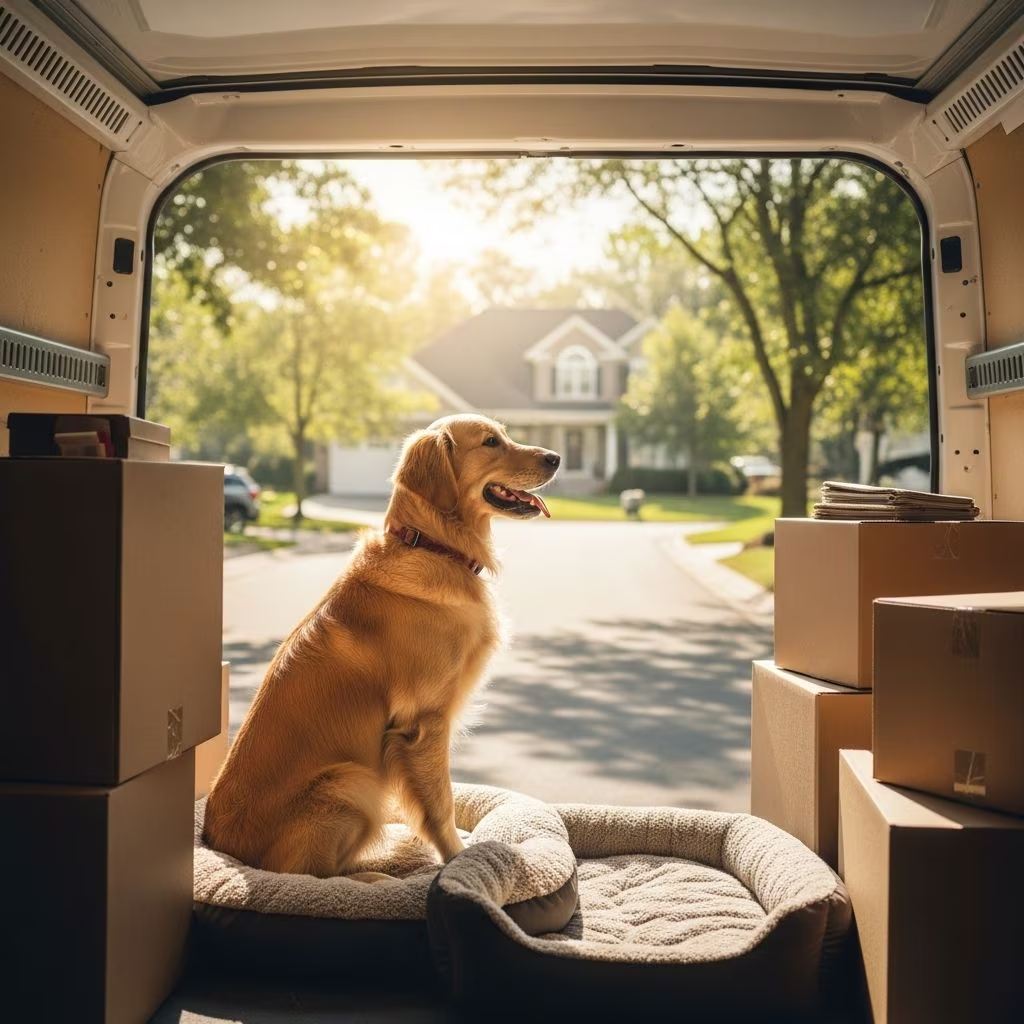
Relocating to a new residence presents significant challenges for household pets, particularly dogs who thrive on consistency and familiarity. The process of moving—from packing and transportation to settlement in an unfamiliar environment—can trigger stress responses in even the most well-adjusted canine. Understanding how to navigate this transition thoughtfully can transform a potentially distressing experience into a manageable life event for your four-legged family member.
Understanding Your Dog’s Response to Relocation
Dogs experience relocation differently depending on their temperament, age, and previous experiences. Most dogs adjust reasonably well to moving when their fundamental needs remain consistent. The primary factors influencing a dog’s adaptation include the stability of their social environment—the people and other animals in their life—and whether their daily routine maintains recognizable patterns.
However, certain dogs struggle more significantly with environmental changes. Dogs unaccustomed to leash walking, those transitioning from yard access to urban apartment living, or those joining a household with new people or animals may experience notable adjustment difficulties. Additionally, the sensory aspects of relocation—new sounds, scents, and spatial configurations—can overwhelm dogs who haven’t been gradually exposed to such variations.
Pre-Move Preparation Timeline
Strategic preparation beginning several weeks before your actual moving date establishes the foundation for a smoother transition. This advance work reduces the shock your dog experiences and builds confidence in navigating new situations.
Veterinary Consultation and Health Records
Schedule a veterinary appointment at least one month before your move. Your veterinarian can assess your dog’s overall health and address any concerns that might complicate travel. Request copies of medical records, vaccination documentation, and prescription refills to ensure continuity of care at your destination. If your dog experiences anxiety during travel or environmental changes, discuss potential pharmaceutical interventions with your veterinarian, though these should never be your primary strategy.
Acclimation to New Situations
Begin introducing your dog to situations they’ll encounter in your new environment several weeks in advance. If relocating to an urban setting, visit city environments with your dog on-leash to create positive associations. Spend time together in parks, cafes, or pedestrian areas, rewarding calm behavior with treats and praise.
Similarly, if your current home features a yard and your new residence will require leash-dependent outdoor relief, initiate regular leash-walking routines immediately. This gradual shift prevents the shock of sudden lifestyle changes.
Create an audio environment simulation by developing a playlist featuring urban sounds, traffic noise, or other acoustic elements your dog will encounter. Play these recordings while your dog rests comfortably in your current home, building familiarity before actual exposure.
Establishing Identification Systems
Ensure your dog has current identification tags with your new address and contact information. Update microchip registration with your new address and phone number through the relevant database. Lost dogs during moving transitions remain a significant risk, particularly as stress can trigger unexpected escape attempts even in typically obedient animals.
Environmental Familiarization
If your new home is relatively nearby and your move will unfold gradually, arrange supervised visits to the new property. Bring your dog’s familiar bed, food bowls, and toys to create islands of familiarity within the unfamiliar space. Engage in training exercises and play sessions in these early visits, building positive associations with the new location.
Managing the Packing and Moving Day
The period when movers arrive and your home transforms into a chaos of boxes and activity presents particular challenges for canine companions. The disruption to routine, unfamiliar people in the home, and the echo of empty rooms can trigger anxiety and escape attempts.
Protective Confinement Strategy
On moving day, establish a quiet, secure room where your dog remains confined with the door firmly closed. This dedicated space should contain your dog’s bed, water bowl, toys, and regular food portions. The door remaining closed prevents opportunistic escapes when movers open the front entrance repeatedly.
Alternatively, arrange for your dog to spend moving day at a trusted friend’s residence or professional boarding facility. Familiar pet sitters can provide this service, ensuring your dog remains calm and safe while your household undergoes the chaos of relocation. This option is particularly valuable if your dog shows marked sensitivity to disruption and unfamiliar visitors.
Minimizing Disruption to Routine
Maintain consistent feeding times, walk schedules, and play sessions throughout the moving process. Even as your home transforms around you, your dog’s daily rhythm provides psychological anchoring. Attempt to feed your dog at customary times and maintain abbreviated but regular outdoor bathroom and exercise breaks despite the moving-day chaos.
Traveling With Your Dog
The actual journey to your new residence requires careful planning to ensure your dog’s safety, comfort, and well-being during transit.
Vehicle Transportation Best Practices
Transport your dog in your own vehicle whenever possible. This approach offers multiple advantages: you can maintain your presence as a calming influence, you control the environment, and you can make unscheduled stops if necessary. Your familiar presence significantly reduces anxiety and helps your dog approach the relocation process with greater ease.
Never transport dogs in truck beds, vehicle trunks, or moving van storage areas. These unsecured locations expose your dog to injury, escape, and environmental hazards. For smaller dogs and cats, use secure, well-ventilated pet carriers that prevent escape during travel.
If your dog isn’t accustomed to car travel, begin with short neighborhood trips several weeks before your move. These practice journeys build tolerance and reduce anxiety during longer travel distances.
Travel Kit Essentials
Assemble a comprehensive travel kit containing everything your dog needs during transit and upon arrival:
- Secure pet carrier or crate appropriate to your dog’s size
- Collapsible food and water dishes
- Sufficient food for the journey plus several days at your destination
- Bottled water to prevent digestive upset from unfamiliar water sources
- Medications in original labeled containers
- Recent photo of your dog for identification if separation occurs
- Favorite toys and familiar blankets
- Cleaning supplies for accidents
- Leash, harness, and identification tags
- Grooming supplies and first-aid materials
Journey Breaks and Exercise
Plan your route strategically, identifying dog-friendly parks, off-leash areas, and green spaces where your dog can exercise. Schedule regular breaks—every two to three hours—allowing your dog to relieve themselves, stretch, and engage in moderate exercise. These breaks reduce anxiety, prevent behavioral problems, and allow your dog to release physical tension accumulated during confinement.
Always use a leash during breaks in unfamiliar territory. Even typically obedient dogs may bolt unexpectedly due to moving-related stress and disorientation. Keep your dog’s leash attached until you’re confident in the security of the area.
Creating a Foundation for Adjustment
Upon arrival at your new home, strategic setup of your dog’s space and careful introduction to the property establish the foundation for successful long-term adjustment.
The Home-Base Room Concept
Immediately establish a dedicated home-base room containing your dog’s bed, food and water bowls, toys, and familiar blankets. This confined space, ideally resembling your dog’s previous sleeping area layout, provides security and predictability in the unfamiliar environment.
Position your dog’s belongings as closely as possible to their previous arrangement, maintaining familiar spatial relationships. When your dog enters this room, they encounter recognizable objects and smells that provide psychological comfort and reduce immediate relocation stress.
Controlled Environmental Introduction
Allow your dog to explore your new home gradually, one room at a time, always under your supervision. Close doors to rooms that aren’t yet organized or that contain potential hazards. This prevents your dog from accessing areas where they might ingest dangerous items or become overstimulated.
Supervise exploration carefully, particularly if your dog tends to chew during moments of stress or if they display territorial marking behaviors. Be prepared to redirect your dog away from suspicious posturing that suggests marking territory with urine.
Extended Settlement Period
Avoid leaving your dog alone in the new home for at least one to two weeks. Your presence during this critical adjustment period provides security and helps your dog develop confidence in their new environment. Once your dog demonstrates comfort and familiarity in your company within the new home, gradually increase periods of solo time.
Environmental Safety and Preparation
Before your dog’s arrival, conduct thorough pet-proofing of your new residence to prevent accidents and injuries.
Hazard Identification and Mitigation
Inspect your new home for safety concerns including exposed electrical cords, small openings where your dog could become trapped, window screens in poor condition, and toxic houseplants. Remove pest-control traps, poison baits, or rodent control devices that may have been left by previous residents.
Secure any loose flooring, remove breakable items from low shelves, and ensure that stairways have appropriate barriers for dogs who shouldn’t access certain areas unsupervised.
Outdoor Space Assessment
If your new home includes outdoor space, verify that fencing is secure and in good repair. Tall wooden or chain-link fencing effectively contains dogs, though electronic fencing systems with GPS functionality provide modern alternatives for properties where traditional fencing isn’t feasible.
Check for toxic plants, hazardous materials, or escape routes that your dog might exploit during stress-induced moments.
Behavioral Expectations During Transition
| Adjustment Phase | Typical Behaviors | Expected Duration | Management Strategies |
|---|---|---|---|
| Initial Arrival (Days 1-3) | Exploration, caution, possible hypervigilance | 3-5 days | Supervision, routine maintenance, minimal changes |
| Environmental Orientation (Weeks 2-3) | Increased comfort, possible chewing or marking | 2-3 weeks | Redirection, consistent discipline, reward calm behavior |
| Routine Integration (Weeks 4-8) | Normalized behavior, improved confidence | 4-8 weeks | Gradual independence, continued routine consistency |
| Full Adaptation | Comfortable, familiar behavior patterns | 8+ weeks | Maintenance of established routines |
Frequently Asked Questions
How long does it typically take for a dog to adjust to a new home?
Complete adjustment typically requires 4-8 weeks, though initial comfort appears within days to weeks. Dogs with established routines and familiar social groups adjust faster than those experiencing concurrent changes in their social environment.
Should I use tranquilizers to help my dog during the move?
Tranquilizers should only be considered as a last resort after consulting your veterinarian. They’re appropriate only for dogs with severe anxiety that cannot be managed through behavioral strategies. Most dogs benefit more from gradual acclimation and consistent routine maintenance.
What should I do if my dog marks territory in the new home?
Territorial marking is common during adjustment periods. Close doors to unorganized rooms, supervise exploration carefully, and redirect your dog away from marking postures. Enzymatic cleaners eliminate scent markers that encourage repeated marking. Reinforce appropriate bathroom habits with rewards and praise.
How can I help my dog adjust to no longer having yard access?
Introduce regular leash-walking routines weeks before your move. Establish consistent bathroom schedules, frequent neighborhood walks, and off-leash park time. Maintain exercise levels through interactive play and training sessions that provide mental and physical stimulation.
References
- A Guide for Moving With Pets: Dogs, Cats and Small Animals — Mayflower Moving Company. Accessed 2026-03-30. https://www.mayflower.com/moving-tips/blog/how-to-move-with-pets
- Moving with A Dog: A Complete Guide To Doggy Happiness — Neighbor.com. Accessed 2026-03-30. https://www.neighbor.com/storage-blog/moving-with-a-dog/
- Moving with Your Dog — VCA Animal Hospitals. Accessed 2026-03-30. https://vcahospitals.com/know-your-pet/moving-with-your-dog
- Moving With Your Pet — American Humane Society. Accessed 2026-03-30. https://www.americanhumane.org/public-education/moving-with-your-pets/
- Moving With Your Pet — ASPCA. Accessed 2026-03-30. https://www.aspca.org/pet-care/general-pet-care/moving-your-pet



