

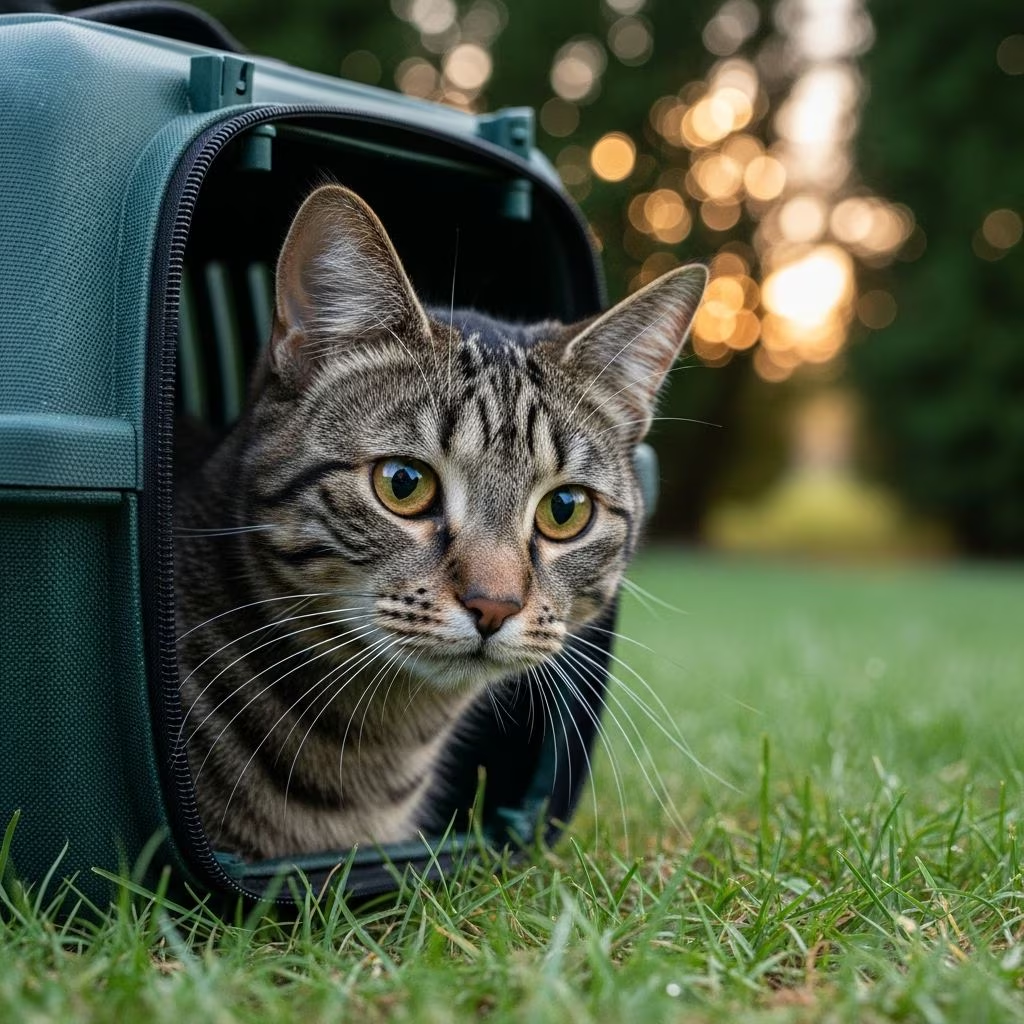
Outdoor cats thrive on familiar territories, making relocation a significant challenge that requires careful planning to ensure their safety and well-being. This guide outlines essential steps for a seamless transition, drawing from veterinary recommendations and practical experiences to help your feline friend adapt without undue stress.
Understanding the Challenges of Moving Free-Roaming Cats
Free-roaming cats rely heavily on scent markers, landmarks, and routines to navigate their world. A sudden change disrupts this system, potentially leading to disorientation, attempts to return to the old home, or conflicts with local wildlife. Studies from animal welfare organizations emphasize that unadjusted outdoor cats face heightened risks of traffic accidents, territorial disputes, or predation in unfamiliar areas.
Preparation begins weeks in advance to minimize these dangers. By gradually shifting behaviors and securing identification, owners can mitigate panic responses during the upheaval of moving day.
Essential Preparations Before the Move
Start with a thorough health check. Schedule a veterinary visit to update vaccinations, administer preventatives for fleas and parasites, and confirm overall fitness for travel. This step identifies any underlying issues that could complicate adjustment.
- Update Identification: Equip your cat with a breakaway collar featuring your current contact information. For added security, implant or update a microchip with the latest details, as wandering cats in new neighborhoods often rely on these for reunion.
- Research Local Regulations: Investigate new area’s pet laws, including licensing requirements or restrictions on outdoor access, to avoid legal issues post-move.
- Acclimate to Indoor Living: One to two weeks prior, limit outdoor time progressively, introducing a litter box if needed. This eases the transition to temporary confinement.
Stock up on familiar items like bedding, toys, and food to maintain scents that provide comfort amid chaos.
Acclimating Your Cat to Travel Gear
A sturdy carrier is non-negotiable for safe transport. Select one that secures via seatbelt, ensuring stability during drives. Introduce it early by leaving it open in a favored spot, lined with worn clothing bearing your scent or a beloved toy. Positive associations through treats encourage voluntary entry, reducing moving-day resistance.
For elusive cats, consider humane traps baited with enticing food, which close automatically upon entry. Spray carriers with pheromone products like Feliway 15 minutes before use to promote calmness.
Safeguarding During Packing and Moving Day
The frenzy of packing can trigger flight instincts. Confine your cat to a quiet, secure room away from movers, stocked with essentials. Use pheromone diffusers to dampen anxiety. Never allow roaming, as startled cats may escape through open doors.
On travel day, secure the carrier in the vehicle, maintain a serene environment with low music volumes and soothing vocalizations, and limit stops to essentials. Covered traps suit longer hauls for feral or highly stressed individuals.
Establishing a Secure Base in the New Home
Upon arrival, bypass unpacking to transport your cat directly to a pre-designated safe room. This sanctuary should include food, water, litter (positioned separately with escape routes), bedding, and scratching posts. Keep it dimly lit and noise-free initially.
Allow self-paced emergence from the carrier. Your calm presence reassures without overwhelming. Monitor for signs of distress like hiding or appetite loss, supplementing with calming aids if necessary.
| Safe Room Essentials | Purpose | Placement Tips |
|---|---|---|
| Food and Water Bowls | Sustains energy | Opposite ends of room, elevated if preferred |
| Litter Box | Eliminates hygiene needs | Private corner with clear views |
| Familiar Bedding/Toys | Reduces stress via scents | Near hiding spots |
| Scratching Post | Satisfies instincts | Visible but accessible |
| Pheromone Diffuser | Promotes relaxation | Plug near bedding |
Inspecting and Securing the Outdoor Environment
Before granting outdoor privileges, audit the yard and surroundings. Repair fence gaps, remove toxic plants, eliminate standing water, and check for pests. Scout the neighborhood for hazards like busy roads, aggressive animals, or construction.
Network with locals, particularly fellow pet owners, for insights on area dynamics and past cat relocations. This intelligence informs safe reintroduction timelines.
Gradual Reintroduction to the Outdoors
Rush not the return to freedom. Begin with open windows for scent and sight familiarization. Progress to leashed or harnessed yard explorations under supervision, ensuring home access remains open.
First unsupervised outings warrant proximity monitoring. Extend range incrementally as territorial marking establishes the new domain. For feral groups, extended enclosure confinement (6-8 weeks) imprints the site effectively.
- Week 1: Indoor only, window observations.
- Week 2: Supervised leashed yard time.
- Week 3+: Brief unsupervised access, building duration.
Monitoring Health and Behavior Post-Move
Observe for adaptation cues: increased eating, grooming, and play signal progress. Persistent withdrawal, aggression, or elimination issues may necessitate veterinary intervention for anxiety or health concerns.
Enhance indoor appeal with vertical climbers, window perches, and interactive toys to bridge outdoor urges, potentially fostering a hybrid lifestyle.
Frequently Asked Questions
How long does it take for an outdoor cat to adjust to a new home?
Adjustment varies from days to months, depending on age, personality, and move distance. Most show comfort within 2-4 weeks with proper protocols.
Can outdoor cats become indoor-only after moving?
Yes, many adapt successfully with enrichment like cat trees and puzzle feeders, reducing risks while maintaining stimulation.
What if my cat escapes during the move?
Act swiftly: place familiar-scented items outside, notify neighbors, and use social media. Updated microchips aid recovery.
Are pheromone products effective for stressed cats?
Veterinary studies support their role in lowering anxiety markers during transitions.
Should I move multiple outdoor cats together?
Yes, maintaining social groups prevents isolation stress, especially for ferals requiring collective relocation.
Long-Term Strategies for Outdoor Access
Post-adjustment, consider enclosed patios or catios for secure adventuring. Regular ID checks and health monitoring sustain safety. Some owners opt for GPS collars for real-time tracking in high-risk zones.
Relocation success hinges on patience and empathy. By prioritizing your cat’s territorial needs, you foster resilience in the new setting, ensuring years of shared adventures.
References
- Moving an Outdoor Cat to a New Home — K&H Pet Products. 2023. https://khpet.com/blogs/cats/moving-an-outdoor-cat-to-a-new-home
- Homeward Bound: 6 Tips for Protecting Your Outdoor Pet After a Move — Wheaton World Wide. 2025-08-05. https://www.wheatonworldwide.com/2025/08/05/homeward-bound-6-tips-for-protecting-your-outdoor-pet-after-a-move/
- 10 Tips on Moving an Outdoor Cat to a New Home — Kent Removals & Storage. 2024. https://www.kentremovalsstorage.com.au/resource/moving-an-outdoor-cat-to-a-new-home
- Moving With an Outdoor Cat: 12 Vet-Approved Tips — Catster. 2024. https://www.catster.com/lifestyle/moving-with-an-outdoor-cat-tips/
- Relocating Feral Cats Safely — Alley Cat Allies. 2023. https://www.alleycat.org/community-cat-care/safe-relocation/
- Transitioning an Outdoor Cat to Indoor Life — Animal Humane Society. 2024. https://www.animalhumanesociety.org/resource/transitioning-outdoor-cat-indoor-life



