

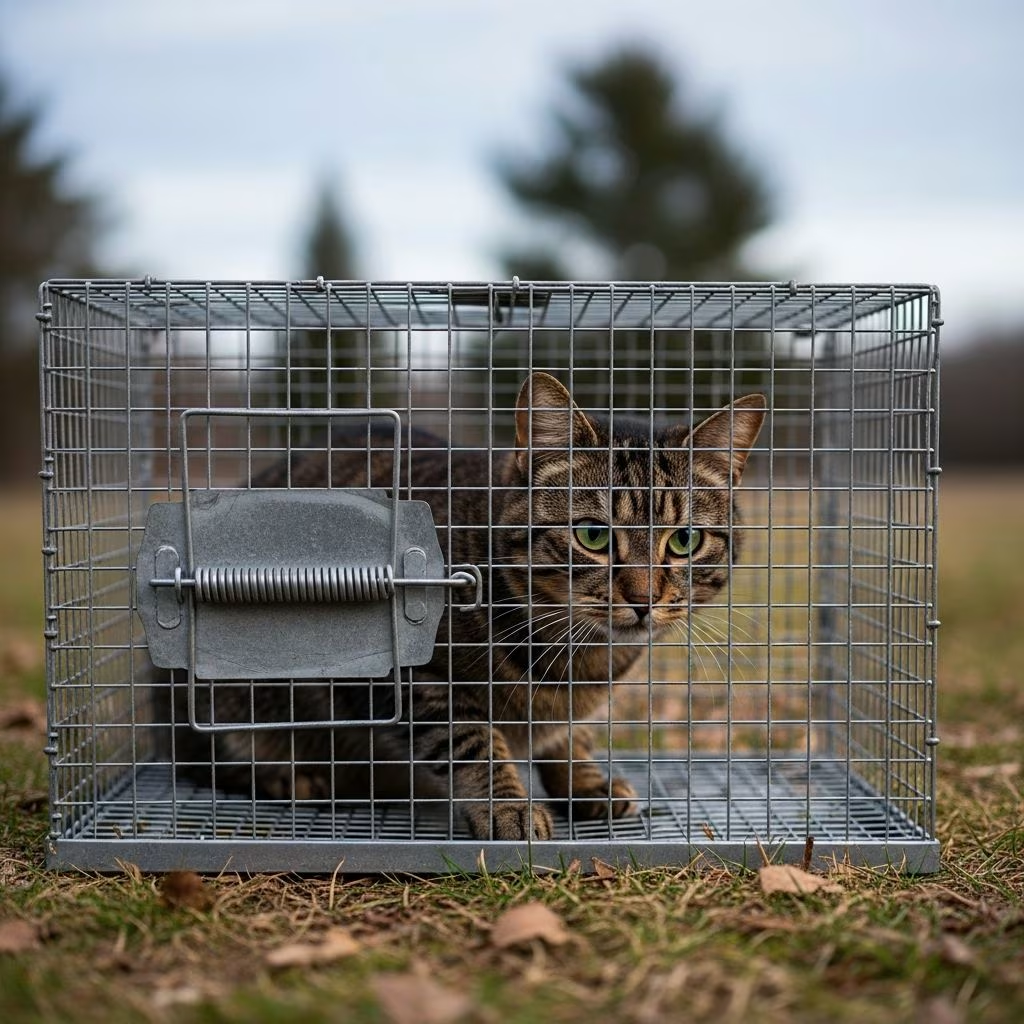
Relocating Feral Cats: Safety Considerations
Relocating community cats, also known as free-roaming or feral cats, represents a significant undertaking that demands careful planning and consideration. Whether you’re a caregiver, shelter worker, or concerned community member, understanding the complexities of feral cat relocation is essential for ensuring the welfare of these animals. This comprehensive guide explores the critical safety considerations, best practices, and humane alternatives for managing community cats in your area.
When Should You Consider Relocating Feral Cats?
Relocating feral cats should be considered only as a last resort, typically when the cats face immediate danger or safety threats. The process can be extraordinarily stressful for the animals and emotionally taxing for their caregivers. In most situations, returning community cats to their original location after spaying, neutering, and vaccination proves to be the most humane approach.
Before considering relocation, it’s important to understand the potential consequences. One significant downside is the risk of new, unsterilized cats moving into the vacated area. If these replacement cats aren’t sterilized, the population could rapidly surpass that of the original group, negating the benefits of the relocation effort.
However, relocation becomes a viable option when specific circumstances exist. If there’s a genuine safety issue, or if a property owner has requested the removal of community cats after humane outdoor cat deterrents have been unsuccessfully tried, then relocating the cats may be the appropriate course of action.
Understanding Community Cat Dynamics
Community cats display complex social behaviors and bonds that must be considered during any relocation effort. These outdoor cats often form strong attachments to one another, and separating them causes considerable stress. Additionally, just because a community cat appears affectionate toward its caregiver doesn’t guarantee it will adapt well to living indoors with unfamiliar people.
When identifying cats for potential adoption, it’s crucial to recognize that community cats have different needs and temperaments than traditional pet cats. Local rescue groups can often assist in finding foster homes and adopters for kittens and younger cats who may have better prospects for indoor living. However, adult community cats typically thrive best in outdoor environments where they can maintain their independence and natural behaviors.
Identifying Safe Relocation Sites
Selecting an appropriate relocation site is fundamental to the success of any community cat transfer. The new location must provide adequate resources, protection, and support for the cats’ long-term wellbeing.
Rural Properties as Primary Options
Rural locations represent the most popular choice for relocating feral cats because they typically offer more space and safety than urban environments. On private rural property, cats can access structures that provide shelter, including barns, stables, tack sheds, garages, and unused chicken coops. Property owners benefit from receiving a group of healthy, vaccinated, spayed and neutered cats that serve as a natural pest deterrent.
Farms, ranches, riding stables, equestrian centers, wineries, and similar facilities all have potential to serve as ideal relocation sites. However, in some rural locations, potential predators such as coyotes, bears, and hawks present risks, particularly for cats without prior experience with these threats.
Urban and Commercial Alternatives
Beyond traditional rural properties, numerous urban and commercial locations can serve as relocation sites. Fire stations, police stations, automotive shops and garages, warehouses, flower and produce distributors, garden stores, home improvement stores, feed stores, certain athletic venues, and shipping ports all present potential opportunities. Including your community in the search for relocation sites often increases the number of cats you’re able to help, particularly in areas lacking rural properties.
Transport to the Relocation Site
Transporting community cats requires careful attention to their physical and emotional needs. Similar to pet cats, some community cats adapt easily to vehicle travel while others may howl and cry, experiencing significant stress.
Minimizing Transport Stress
To reduce stress during transport, cover the bottom of traps with newspaper or cloth and keep the traps covered throughout the journey. Never place more than one cat in a single trap, and ensure adequate ventilation is maintained. These simple measures significantly reduce anxiety and prevent injury during the transport process.
The Acclimation Period: Critical for Success
Upon arrival at the relocation site, community cats require a structured acclimation period to adjust to their new environment. This transition phase is essential for ensuring the relocation’s ultimate success.
Housing During Acclimation
Most cats can be housed together in a large enclosed or caged area for two to four weeks while they become accustomed to their new surroundings. The initial shelter should be a closed barn, shed, or other large enclosed space such as an unused chicken coop or covered dog pen. This arrangement provides enough room for the cats to familiarize themselves with their new home while preventing premature access to the outdoors.
Preventing Escape and Injury
Cats can be escape artists, especially when stressed. During their confinement period, it’s absolutely critical to ensure they cannot escape from their enclosure or become injured attempting to do so. Some cats will even try to dig out of an enclosure, so securing the bottom is essential. Additionally, provide smaller shelters within the larger enclosure to give cats safe hiding places while caregivers conduct feeding and cleaning or while other humans are present.
Building Bonds with New Caregivers
During the confinement period, the new caregiver must regularly visit the cats to establish the bonding essential for successful relocation. Speaking to the cats, even if they remain hidden, helps them overcome their fear of humans. This consistent interaction builds trust and familiarity with their new caregiver.
Transitioning to Outdoor Access
After their two to four-week confinement period, cats can be given access to the outdoors through a small opening that allows them to come and go freely. Once the cats have acclimated to their new surroundings, the enclosure can be removed, allowing them full outdoor access while maintaining the shelter structures for protection.
Easing the Transition with Familiar Elements
To facilitate the cats’ transition to their new location, bring materials from their original home, including bedding, food dishes, and leaves. These familiar items provide the cats with scents they recognize, reducing stress and promoting faster acclimation.
When possible, have the original caregiver share daily feeding duties with the new caregiver for several weeks. This arrangement provides additional continuity for the cats, helping them maintain a sense of stability during this significant life change. The gradual transition between caregivers allows the cats to build relationships with their new provider while maintaining connection to their original caregiver.
Humane Alternatives to Relocation
Before pursuing relocation, consider these alternatives that may be more effective and less stressful for the cats.
Trap-Neuter-Vaccinate-Return (TNVR)
The most effective approach to managing community cat populations is trap-neuter-vaccinate-return (TNVR), also known as trap-neuter-release (TNR). This method involves humanely trapping community cats, vaccinating them, spaying or neutering them, and returning them to their original outdoor homes. TNVR stops cats from breeding, respects the bonds between caregivers and cats, and preserves shelter resources for cats without outdoor support systems.
Why TNVR is Often Superior
TNVR addresses the root cause of outdoor cat population growth while avoiding the trauma of relocation. It provides health benefits through vaccination and sterilization while allowing cats to remain in familiar environments where they have established routines and social structures. This approach has proven significantly more effective than repeated trapping and relocation efforts.
Summary of Key Considerations
Relocating feral cats requires careful planning, proper site selection, and sustained commitment from both the original and new caregivers. The process involves significant considerations:
– Plan relocations only when cats face immediate danger or no viable alternative exists- Select safe sites with adequate shelter, food, and water sources- Minimize transport stress through proper handling and containment- Establish a structured two to four-week acclimation period- Secure enclosures to prevent escape and injury- Provide familiar items and gradual caregiver transitions- Consider TNVR as a more humane alternative to relocation
Frequently Asked Questions About Feral Cat Relocation
Q: Is relocation always necessary for community cats?
A: No. Relocation should only be considered as a last resort when cats face immediate danger. In most cases, returning community cats to their original location after spaying, neutering, and vaccination is the most humane approach.
Q: How long does the acclimation period typically last?
A: The acclimation period generally lasts two to four weeks. During this time, cats are confined to a large enclosed space while they become familiar with their new environment and build bonds with their new caregivers.
Q: What makes a good relocation site?
A: Ideal relocation sites include rural properties like farms and ranches with shelter structures (barns, sheds), adequate food and water sources, supportive property owners, and minimal predator threats. Urban alternatives include warehouses, feed stores, and other commercial properties with suitable outdoor spaces.
Q: Can community cats and pet cats be relocated together?
A: Community cats form strong bonds with one another. While they can be housed together during the acclimation period, separating bonded cats causes stress. It’s generally best to keep established groups together during relocation.
Q: What happens if relocated cats try to escape?
A: Cats can be escape artists, especially when stressed. During acclimation, enclosures must be completely secure with attention to the bottom (cats may dig), and smaller shelters should be provided within the larger enclosure to reduce escape attempts.
Q: Why is TNVR considered better than relocation?
A: TNVR avoids relocation trauma, prevents new unsterilized cats from moving into vacated areas, allows cats to remain in familiar environments, and is more cost-effective while providing long-term population management.
Q: How should I prepare for transporting feral cats?
A: Cover trap bottoms with newspaper or cloth, keep traps covered during transport, never place more than one cat per trap, and ensure adequate ventilation. These measures reduce stress and prevent injury during the journey.
Q: What if the new caregiver cannot commit long-term?
A: Long-term commitment from the new caregiver is essential. Regular visits during acclimation and ongoing care after the cats are released are necessary for the relocation’s success. Without this commitment, relocation should not proceed.
References
- Relocating Feral Cats: Safety Considerations — Best Friends Animal Society. 2025. https://bestfriends.org/pet-care-resources/relocating-feral-cats-safety-considerations
- Community Cat Programs Handbook: Managing Stray and Feral Cats — Best Friends Animal Society. 2025. https://bestfriends.org/pet-care-resources/community-cat-programs-handbook-managing-stray-and-feral-cats
- What Is a Feral or Stray Cat? — Best Friends Animal Society. 2025. https://bestfriends.org/pet-care-resources/what-feral-or-stray-cat
- 5 Steps to Resolve Conflicts Over Community Cats — Best Friends Animal Society. 2025. https://bestfriends.org/pet-care-resources/5-steps-resolve-conflicts-over-community-cats
- Community Cats — Best Friends Animal Society. 2025. https://bestfriends.org/pet-care-resources/issues/community-cats



