

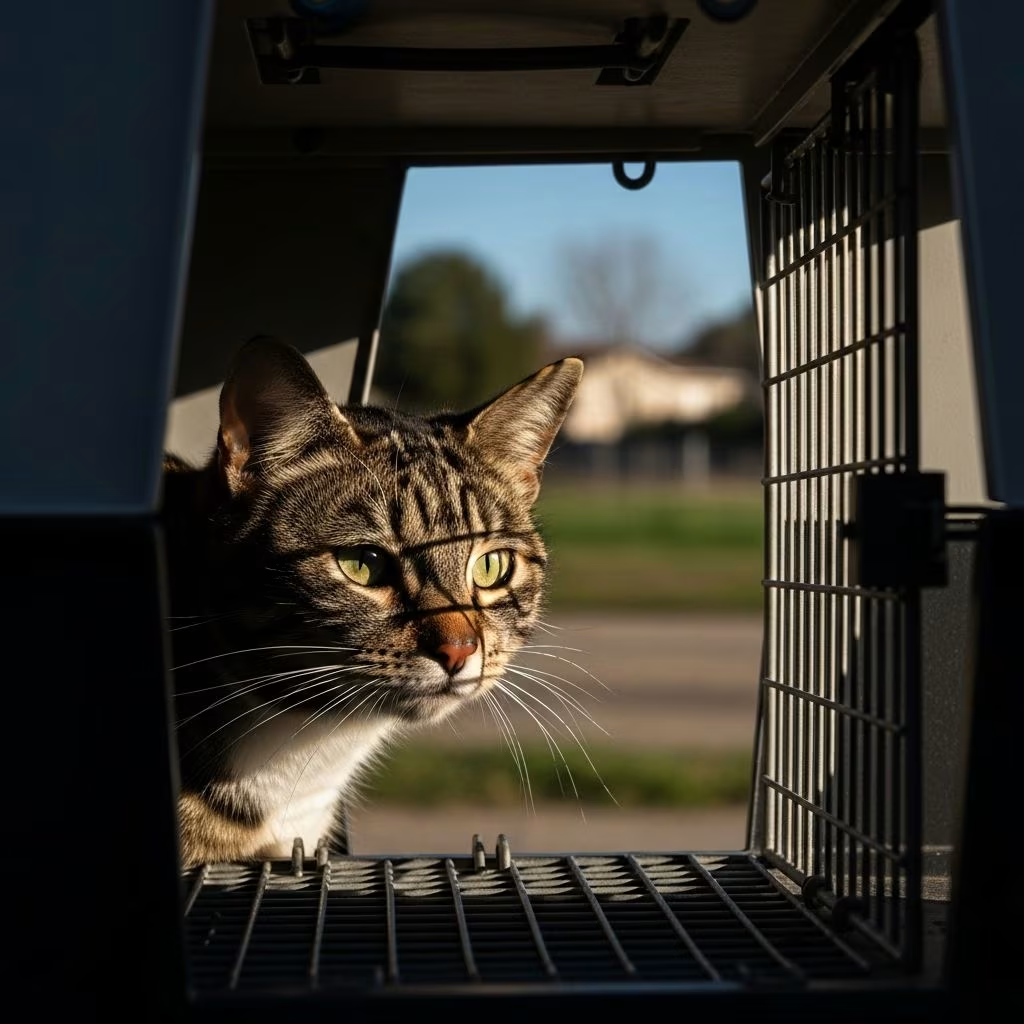
Feral cats, also known as community cats, live independently in outdoor environments and form vital parts of local ecosystems. Relocating them—moving them from one location to another—is a complex issue involving animal welfare, local laws, and ethical considerations. While it may seem like a quick fix for neighborhood complaints, experts strongly advise against it unless the cats’ lives are at immediate risk. This comprehensive guide examines the legal landscape, humane alternatives, and precise protocols for safe relocation when unavoidable.
Understanding Feral Cats and Their Place in Communities
Feral cats are unowned cats that have limited or no interaction with humans, often descending from abandoned pets or born in the wild. They establish territories where they hunt, socialize, and survive, forming colonies with strong familial bonds. These cats provide natural pest control by preying on rodents, benefiting urban and rural areas alike.
Despite their utility, feral cats sometimes face conflicts with residents due to noise, odors, or property damage. Common misconceptions lead people to believe relocation solves these issues, but evidence shows it often fails and can harm the cats. Cats are highly territorial; disrupting their home causes extreme stress, increasing risks of starvation, predation, or fatal attempts to return home.
Is Relocating Feral Cats Against the Law?
Laws on feral cat relocation vary widely by state, county, and city, with no uniform federal regulation. Most jurisdictions lack specific statutes on feral cats, treating them as wild or community animals rather than owned pets. However, actions like trapping and releasing elsewhere can cross into illegal territory, such as abandonment or animal cruelty.
- In California, truly feral cats impounded by shelters may be euthanized or transferred to nonprofits for spay/neuter, but individual relocations by civilians risk violating property laws if the cat belongs to a caregiver.
- Tulare County, California explicitly deems trapping and relocating community cats outside their natural range (about 200 feet) as abandonment, potentially subjecting actors to legal penalties.
- Los Angeles County policies focus on holding periods for impounded cats, with limits on household numbers (up to five if spayed/neutered), but emphasize management over relocation.
- Beverly Hills supports Trap-Neuter-Return (TNR) programs, where caregivers humanely trap, sterilize, and return cats, indicating relocation is not favored.
Generally, if a cat appears feral but is actually a lost pet, relocation constitutes theft of personal property. Always check local animal control ordinances; many prioritize TNR and colony management over displacement.
| Jurisdiction | Key Policy on Relocation | Preferred Alternative |
|---|---|---|
| California State | Feral cats may be euthanized or given to nonprofits | Spay/neuter and nonprofit transfer |
| Tulare County, CA | Relocation beyond 200 ft is abandonment | Leave in place or TNR |
| LA County | Impound and hold; limits on numbers | Flea control and reduction orders |
| Beverly Hills | Supports TNR explicitly | Trap-Neuter-Return |
Before acting, contact local animal services. Relocation without permission from property owners or authorities can lead to fines or liability if cats suffer harm.
Why Trap-Neuter-Return (TNR) Beats Relocation Every Time
TNR is the gold-standard humane approach: trap feral cats, provide veterinary care (spay/neuter, vaccinations, ear-tipping for identification), and return them to their familiar territory. This stabilizes colonies, reduces nuisance behaviors like yowling and spraying, and prevents population growth.
- Population Control: Sterilized cats stop reproducing, leading to a gradual decline as older cats age out.
- Health Improvements: Vaccinations protect against diseases; ear-tipping signals treated status.
- Community Buy-In: Neighbors often support managed colonies once informed of benefits.
Studies and expert groups like Alley Cat Allies report TNR success rates far exceeding relocation, where up to 70% of cats may not adapt and perish. If complaints arise, negotiate with stakeholders: explain how removal invites unsterilized newcomers, worsening issues.
When Relocation Might Be Unavoidable: Risk Assessment
Only pursue relocation if cats face imminent death—e.g., due to construction, poisoning threats, or aggressive predators—and all alternatives fail. Assess the colony size, bonds between cats, and kitten status. Kittens under 8 weeks should be socialized for adoption if possible; older ones relocate with adults in bonded pairs or groups.
Ideal new sites include rural barns, stables, or large yards away from traffic, with shelters from weather and predators. Avoid urban alleys or coyote-heavy areas without escape structures.
Step-by-Step Guide to Safe Feral Cat Relocation
If committed, follow these expert-derived protocols rigorously for the best chance of success. Failure at any step risks cat mortality.
- Secure a Suitable New Home: Partner with committed caregivers (e.g., farmers needing rodent control). Draft a care contract outlining food, water, shelter, and vet access. Ensure compatibility with existing animals.
- Prepare Confinement Areas: Install spacious outdoor enclosures (e.g., large playpens or sheds with small exits) beforehand. These prevent escapes during adjustment.
- Trap Humanely: Use covered traps, bait strategically, and transport immediately to minimize stress. Trap bonded groups together.
- Confinement Phase (Critical): Hold cats 2-8 weeks (sources vary; longer for safety). Provide food/water daily; monitor for stress. Cats may pace initially but acclimate.
- Gradual Release: Open enclosures slowly, ensuring ongoing care. Some cats hide post-release but return for food.
- Follow-Up Monitoring: Visit weekly initially; remove old food sources to prevent new colonies.
Success hinges on group relocation and extended confinement—solo moves fail most often.
Common Pitfalls and How to Avoid Them
- Insufficient Confinement: Cats bolt and die en route home; always pre-build secure spaces.
- Poor Site Selection: High-traffic or predator zones doom relocations.
- No Caregiver Commitment: Without daily monitoring, cats suffer.
- Ignoring Laws: Verify permissions to avoid legal trouble.
Frequently Asked Questions (FAQs)
Can I relocate a single feral cat?
Bonded groups adjust better; singles face higher failure rates. Exhaust TNR first.
What if neighbors demand removal?
Educate on TNR benefits and vacuum effect (new cats fill voids). Mediate diplomatically.
How long to confine relocated cats?
Minimum 2-3 weeks, ideally 6-8 for security.
Is TNR legal everywhere?
Many areas support or require it; check local codes.
What about kittens in a colony?
Socialize young ones for adoption; relocate older with adults.
Building Community Support for Feral Cat Management
Effective feral cat care requires collaboration. Form caregiver networks, distribute educational flyers, and partner with rescues. Programs like those in Beverly Hills demonstrate TNR’s viability, fostering harmony between humans and cats.
Long-term, advocate for policies recognizing community cats’ value. By prioritizing welfare over displacement, we create sustainable solutions benefiting all.
References
- Relocating Feral Cats Safely – Alley Cat Allies — Alley Cat Allies. 2023. https://www.alleycat.org/community-cat-care/safe-relocation/
- California – Jurisdiction for Cats — Fish and Wildlife. N/A. https://www.fishwildlife.org/law-research-library/law-categories/jurisdiction-cats/california-jurisdiction-cats
- SAFE RELOCATION OF FERAL CATS — Friends for Life. 2019-06. https://friends4life.org/wp-content/uploads/2019/06/Relocating_Feral_Cats.pdf
- County Policies Relating to Free-Roaming Cats — LA County Public Health. N/A. http://publichealth.lacounty.gov/docs/PolicyFree-RoamingCats.pdf
- Community Cats – Tulare County Animal Services — Tulare County Animal Services. N/A. https://tcanimalservices.org/animalservices/resources/community-cats
- Feral Cat Legal Issues — Animal Legal & Historical Center. N/A. https://www.animallaw.info/intro/feral-cat-legal-issues
- Ordinance-09-0-2568 — City of Beverly Hills. 2009. https://beverlyhills.org/DocumentCenter/View/1081/Ordinance-09-0-2568-PDF



