

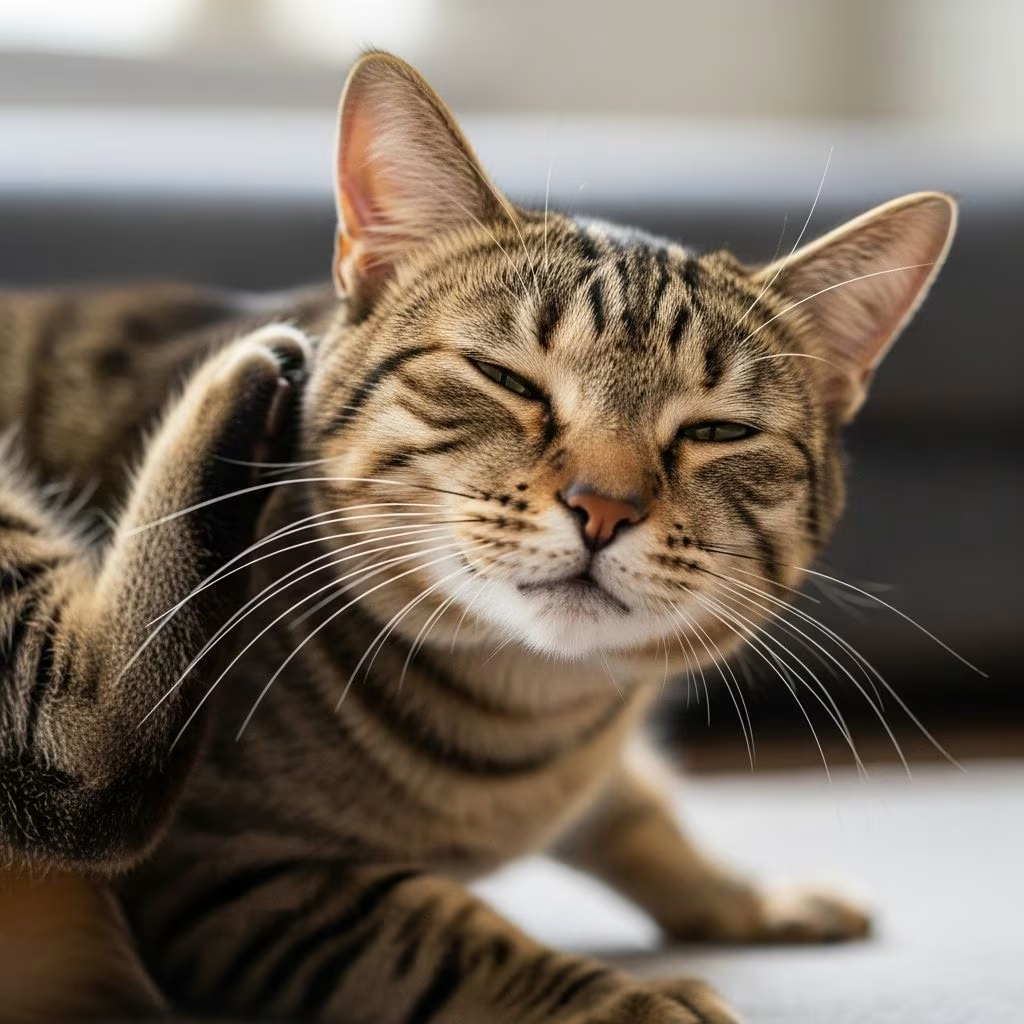
Excessive scratching, licking, or biting in cats signals underlying skin discomfort known as pruritus, often stemming from parasites, allergies, or infections. Addressing it promptly prevents secondary issues like hair loss or wounds.
Recognizing Signs of Discomfort in Your Feline Friend
Cats communicate unease through behaviors rather than words, making it essential to spot subtle cues early. Watch for persistent scratching at specific spots like the base of the tail, ears, or belly, which may indicate targeted irritation.
- Red, inflamed skin patches, especially in armpits, groin, or lower abdomen
- Hair loss in bald spots or thinning fur from overgrooming
- Scabs, flaky scales, or crusty lesions from constant trauma
- Swollen bumps or oozing sores signaling infection
- Behavioral shifts like restlessness, reduced appetite, or excessive vocalization
These symptoms form a vicious cycle: initial itch prompts scratching, releasing histamine that worsens inflammation and invites bacteria. Indoor cats aren’t immune; even brief exposures can trigger problems.
Primary Culprits Behind Feline Skin Irritation
Understanding triggers helps tailor interventions. Parasites top the list, followed closely by immune-mediated responses and microbial invaders.
Parasitic Invaders: Fleas and Beyond
Fleas cause flea allergy dermatitis (FAD) in hypersensitive cats, where saliva provokes intense reactions from just one bite. Signs include ‘flea dirt’—black specks turning red when wet—and tail-base dermatitis. Mites (ear, mange, harvest), ticks, and lice exacerbate issues, especially in weakened felines.
Allergic Reactions: The Immune System’s Overreaction
Allergies affect 10-15% of cats, manifesting as atopic dermatitis from environmental factors like pollen, dust mites, or mold. Food allergies target proteins in fish, beef, or dairy, causing year-round head/neck itching plus gastrointestinal upset. Contact allergies arise from litters, cleaners, or fabrics directly irritating skin.
| Allergy Type | Common Triggers | Key Symptoms |
|---|---|---|
| Environmental (Atopy) | Pollen, dust, grass | Seasonal itching, ear infections |
| Food | Proteins in diet | Face/ear focus, vomiting, diarrhea |
| Contact | Litter, cleaners | Paws, belly redness |
| Flea | Flea saliva | Tail base, hindquarters hair loss |
Infections: Bacterial, Fungal, and Yeast Culprits
Secondary infections thrive post-scratching. Ringworm (*Microsporum canis*) presents circular alopecia and scaling, highly contagious. Bacterial pyoderma yields pustules; yeast like *Malassezia* adds greasy, odorous skin.
Less Common but Serious Triggers
Dry skin from low humidity or poor grooming leads to flakiness. Endocrine issues like hyperthyroidism or cancers (mast cell tumors) cause generalized pruritus. Stress-induced psychogenic alopecia mimics allergies via overgrooming. Gut dysbiosis links to ‘leaky gut,’ amplifying food sensitivities.
Step-by-Step Diagnosis: From Home Checks to Vet Expertise
Start with a flea comb to detect parasites—comb over white paper for evidence. Note itch patterns: seasonal suggests environmentals; constant, food or fleas.
- Perform skin scrapes or tape tests for mites/bacteria at home, but submit to vet.
- Vet exam includes cytology, fungal cultures, or allergy testing.
- Elimination diets (8-12 weeks, novel proteins) rule out food issues.
- Intravenous trials with steroids pinpoint allergic vs. infectious causes.
- Biopsies for rare tumors or autoimmune disorders.
Differentiating overgrooming from true pruritus requires behavioral history; anxiety amplifies physical itches.
Effective Treatment Strategies for Lasting Relief
Treatments target root causes while soothing symptoms. Always consult vets for tailored plans.
Parasite Eradication Protocols
Monthly topicals/orals (fipronil, selamectin) kill fleas lifecycle-wide; treat all pets/home. Mite dips or injections follow scrapings.
Managing Allergies
Hypoallergenic diets resolve food allergies in 70% cases. Antihistamines or apoquel provide short-term itch control; cyclosporine or steroids for atopics. Immunotherapy desensitizes to environmental triggers long-term.
Combating Infections
Topical antifungals/shampoos clear ringworm (4-6 weeks); antibiotics/medicated wipes tackle bacteria. Vetericyn sprays aid wound healing without steroids.
Supportive Home Therapies
- Humidifiers and omega-3 baths combat dryness.
- Cone collars prevent self-trauma.
- Probiotics restore gut balance, easing allergy-linked itches.
Preventive Measures to Keep Itch at Bay
Proactive care minimizes recurrences. Year-round flea preventives are non-negotiable, even indoors.
- Vaccinate/deworm routinely; quarantine new pets.
- Use low-dust, fragrance-free litters/cleaners.
- Maintain diets with limited ingredients; rotate slowly.
- Regular grooming distributes oils, spots issues early.
- Stress reduction via enrichment/pheromones curbs psychogenic cases.
Monitor for seasonal flares; air purifiers cut indoor allergens.
FAQs: Answering Common Cat Itch Queries
Can indoor cats get fleas causing itch?
Yes, via visitors or vents; one flea suffices for allergic cats.
How long before food allergy trials show results?
8-12 weeks strictly; reintroduce suspects to confirm.
Is ringworm itchy in cats?
Often mildly, but breakage invites bacterial itch.
What if treatments fail?
Reevaluate for multisystem issues like thyroid or gut dysbiosis.
Are natural remedies safe first?
Oils like coconut soothe mildly, but vet clearance avoids masking serious causes.
When to Escalate to Professional Care
Seek immediate vet if scratching draws blood, causes lethargy, or persists >1 week despite OTC flea control. Rapid weight loss or open sores signal urgency. Early intervention halts chronicity.
References
- Itchy Cat? Possible Causes and When To Worry — PetMD. 2023. https://www.petmd.com/cat/symptoms/itchy-cat-causes-and-when-to-worry
- Allergies and cats: what’s causing the itch? — Joii Pet Care. 2024. https://www.joiipetcare.com/blogs/advice/allergies-and-cats-whats-causing-the-itch
- Itchy Cat? How to Identify the Cause and Soothe the Symptoms — AnimalBiome. 2023. https://www.animalbiome.com/blogs/cat/itchy-cat-how-to-identify-the-cause-and-soothe-the-symptoms
- Itchy Cat? Here’s Why Your Cat’s Scratching So Much — Chewy. 2024. https://www.chewy.com/education/cat/health-and-wellness/itchy-cat-causes-treatment
- Why Is My Cat So Itchy? Causes, Symptoms, and Solutions — Vetericyn. 2024. https://vetericyn.com/blogs/vetericyn/why-is-my-cat-soitchy
- Itching and Scratching (Pruritus) in Cats — Vetster. 2023. https://vetster.com/en/symptoms/cat/itching-and-scratching-pruritis-in-cats



