
Relieving Your Dog’s Itchy Paws
Discover effective strategies to soothe and heal your dog's irritated paws from common causes like allergies and infections.
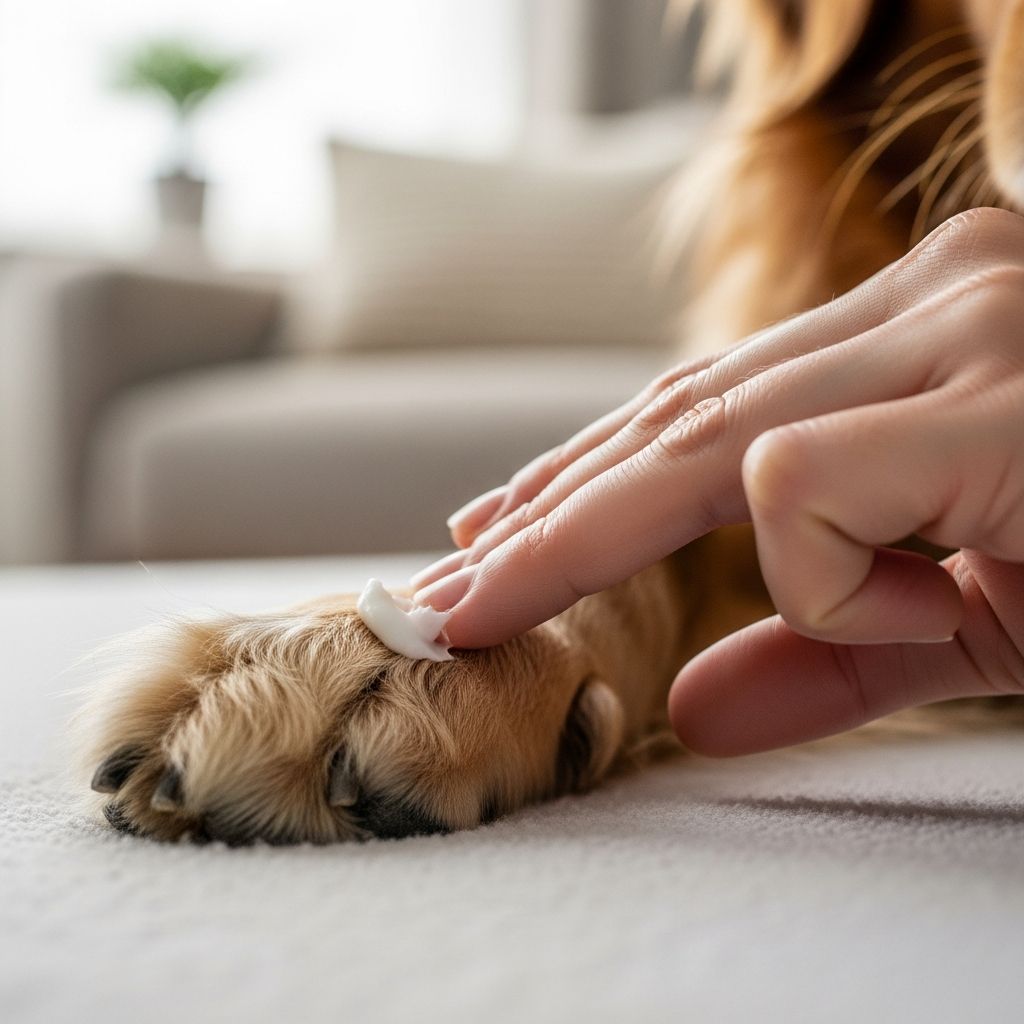
Many dog owners notice their pets excessively licking, chewing, or biting at their paws, a sign of significant discomfort. This behavior often stems from underlying issues like allergies, infections, or environmental irritants, leading to red, swollen, or odorous paws. Addressing the root cause promptly can prevent worsening conditions and improve your dog’s quality of life.
Recognizing Signs of Paw Irritation
Early detection is key to managing paw problems. Common indicators include persistent licking or chewing, which may create wet spots on floors or bedding. Look for redness, swelling, discoloration of fur between toes, cracked pads, limping, or unusual odors like musty cheese, suggesting yeast overgrowth. Dogs might focus on one paw or all four, and accompanying symptoms such as ear issues or gastrointestinal upset can point to systemic causes.
- Visual cues: Red, inflamed skin; moist areas between toes.
- Behavioral signs: Obsessive licking, especially after walks.
- Other symptoms: Sneezing, eye discharge, or hot spots from self-trauma.
Primary Causes of Itchy Paws in Dogs
Itchy paws rarely occur in isolation. Understanding triggers helps tailor effective interventions.
Allergies: The Leading Culprit
Allergies top the list, affecting paws year-round or seasonally. Environmental allergens like pollen, grass, or dust trigger atopic dermatitis, causing intense itching on paw tops and between pads. Food sensitivities to proteins in kibble manifest similarly, often with digestive issues. Allergic dogs may develop secondary infections from constant licking.
Symptoms extend beyond paws: recurrent ear infections, flaky skin, red eyes, or nasal discharge. Breeds like Bulldogs or Retrievers are predisposed due to genetics.
Infections: Bacterial and Fungal Threats
Moist environments from licking foster bacteria (pyoderma) or yeast (Malassezia), especially in humid climates or post-swimming. Bacterial infections cause painful, pus-filled swellings; yeast produces a distinctive moldy smell and greasy fur. Pododermatitis, inflammation of paw skin, often results, with deep infections requiring professional diagnosis.
| Infection Type | Key Features | Common Triggers |
|---|---|---|
| Bacterial (Pyoderma) | Red, swollen, odorous; painful cracks | Allergies, trauma |
| Yeast (Malassezia) | Musty smell, moist/red between toes | Moisture, hairy feet |
| Pododermatitis | Chronic inflammation, discharge | Foreign bodies, bites |
Environmental and Physical Irritants
Harsh surfaces like hot pavement, ice melt, or sand dry out pads, causing cracks and itching. Foreign objects such as foxtails or grass awns embed, sparking infection. Insect bites or trauma exacerbate licking cycles. Hormonal imbalances or autoimmune issues like pemphigus are rarer but serious.
Home Remedies for Immediate Relief
While awaiting vet advice, safe at-home options can ease symptoms. Always monitor for worsening and consult professionals for persistent cases.
Cleaning and Wiping Routines
Daily paw hygiene removes allergens and debris. Use pet-safe wipes or lukewarm water with mild soap, focusing on interdigital spaces. Thorough drying prevents yeast growth.
- Wipe after every outdoor session.
- Dry completely with a soft towel.
- Avoid human products with harsh chemicals.
Soothing Soaks and Pastes
Oatmeal soaks calm inflammation: grind plain oatmeal into powder, mix one cup per gallon of warm water, and soak paws 5-10 minutes. Rinse and dry well. Baking soda paste (equal parts water) reduces swelling; apply for 20 minutes then rinse. Apple cider vinegar dilutions (1:1 with water) balance pH but test for sensitivity.
Antihistamines and Balms
Benadryl (1mg/lb every 8-12 hours) helps allergic itching, but confirm dosage with a vet. Moisturizing paw balms with natural oils protect cracked pads. Omega-3 supplements bolster skin health long-term.
- Caution: Never use essential oils undiluted; avoid tea tree oil toxicity.
Professional Veterinary Interventions
For moderate to severe cases, vets diagnose via skin scrapes, cytology, or allergy testing. Treatments target specifics:
- Medicated baths: Antifungal shampoos weekly soothe and prevent.
- Antibiotics/Antifungals: Oral or topical for infections.
- Allergy management: Prescription diets (novel proteins like venison), apoquel, or cytopoint injections.
- Surgery: Rare for embedded foreign bodies.
Pododermatitis may need cultures for resistant bugs; early intervention avoids chronicity.
Preventive Measures for Healthy Paws
Proactive steps minimize recurrence.
- Booties for extreme weather.
- Hair trims between pads for airflow.
- Hypoallergenic bedding and diets.
- Regular vet check-ups for at-risk breeds.
Dietary shifts to limited-ingredient foods curb food allergies. Environmental controls like air purifiers reduce pollen exposure.
When to Seek Urgent Vet Care
Rush to the vet if paws are severely swollen, bleeding, or your dog limps persistently. Systemic signs like lethargy, vomiting, or fever indicate deeper issues. Untreated licking leads to lick granulomas or hot spots.
FAQs
Why does my dog lick paws at night?
Increased relaxation amplifies itching; allergies or infections intensify without daytime distractions.
Can CBD help itchy dog paws?
Some balms offer anti-inflammatory relief, but evidence is anecdotal; vet approval needed.
How long do home remedies take to work?
1-3 days for mild cases; no improvement warrants professional evaluation.
Are certain breeds more prone?
Yes, those with allergies like Labs, Bulldogs, or Shih Tzus.
Is paw itching always allergies?
No, infections or irritants common; cytology confirms.
References
- Your Dog’s Itchy Paws: 5 Causes and 6 At-home Remedies — ToeGrips. 2023. https://toegrips.com/dog-itchy-paws/
- Itchy Paws on Dogs: Causes, Treatments & Relief — Vetericyn. 2024. https://vetericyn.com/blogs/vetericyn/itchy-paws-on-dogs
- 6 Effective Home Remedies for Dog Itchy Paws — Superior Care Pet. 2023. https://www.superiorcare.pet/blogs/news/dog-itchy-paws-home-remedies
- Why Is My Dog Licking His Paws So Much? Causes and Remedies — Best Friends Animal Society. 2024. https://bestfriends.org/pet-care-resources/why-my-dog-licking-his-paws-so-much-causes-and-remedies
- Remedies for Itchy Pet Paws — Oklahoma Veterinary Specialists. 2023. https://www.okvets.com/post/remedies-for-itchy-pet-paws
- Pododermatitis in Dogs — PetMD. 2024. https://www.petmd.com/dog/conditions/skin/pododermatitis-dogs
Similar Articles








Read full bio of Sneha Tete




