

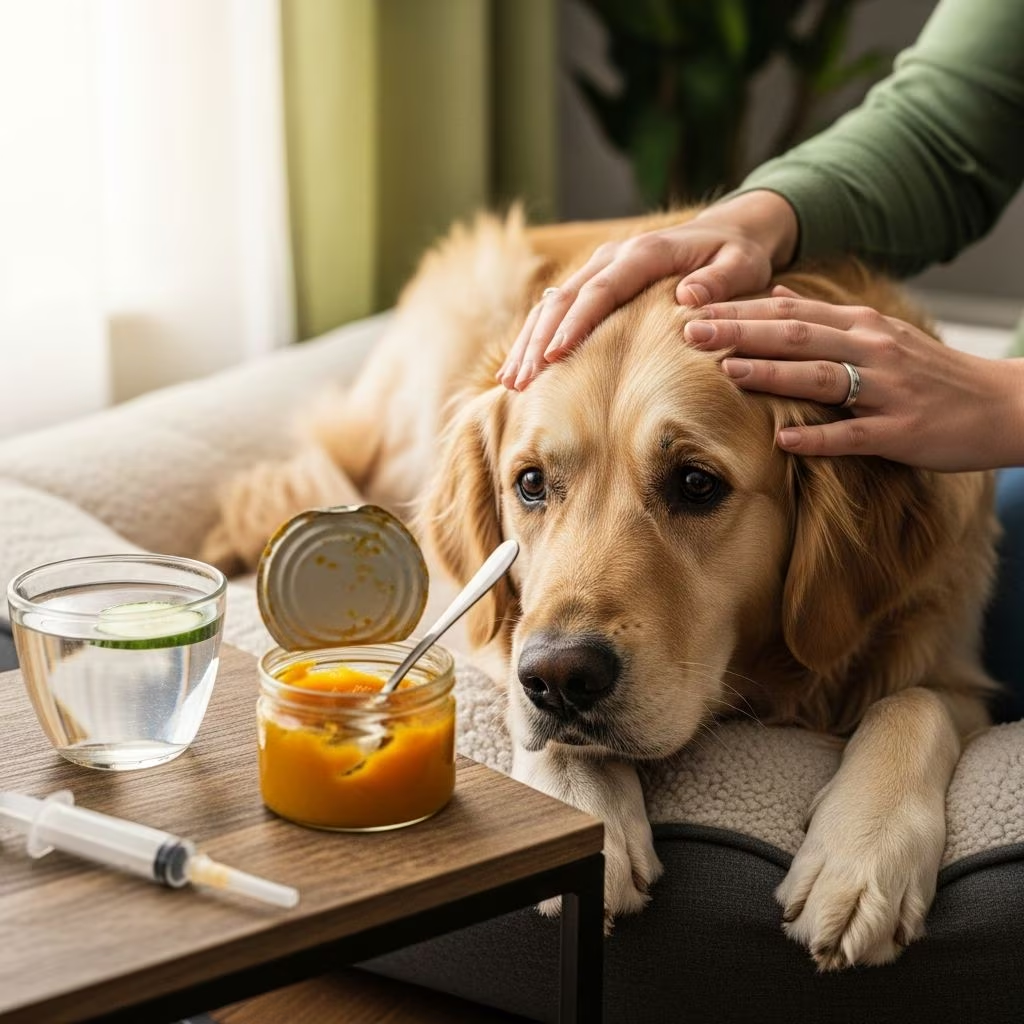
Constipation in dogs manifests as difficulty passing stool, often due to dietary issues, dehydration, or underlying health problems. Prompt intervention with simple changes like increased water and fiber can resolve most cases, but persistent symptoms require veterinary attention to rule out obstructions or serious conditions.
Recognizing the Signs of Constipation in Your Dog
Dogs unable to defecate normally show clear indicators that owners should watch for. Common symptoms include straining or crouching without producing stool, hard and dry feces resembling small pebbles, visible discomfort or whining during attempts to go, and absence of bowel movements for over 48 hours. Additional signs may involve loss of appetite, lethargy, mucus or blood in scant stool, or abdominal bloating. Older dogs or those with mobility issues are particularly prone, as pain from arthritis can discourage proper positioning.
- Straining without results: Repeated efforts yield little or no stool.
- Hard, pellet-like poop: Indicates dehydration or insufficient fiber intake.
- Infrequent defecation: More than two days without a bowel movement signals a problem.
- Pain or distress: Crying, trembling, or avoidance of the area.
Early detection prevents escalation into obstipation, a severe form where stool becomes rock-hard and immovable, potentially leading to toxicity or rupture.[10]
Common Triggers Behind Canine Constipation
Multiple factors contribute to slowed intestinal motility in dogs. Dehydration from inadequate water intake or illnesses like kidney disease hardens stool, making elimination tough. Diets lacking balance—too low or excessively high in fiber—disrupt digestion, while sudden food switches shock the gut. Lack of physical activity slows transit time through the bowels.
Physical obstructions play a major role: swallowed indigestibles like bones, toys, gravel, or plant matter block passages. Grooming habits in long-haired breeds lead to hair ingestion, matting around the anus or forming intestinal bezoars. Anal gland issues, enlarged prostates in intact males, tumors, or pelvic injuries further complicate matters. Medications such as opioids, diuretics, or antihistamines, along with conditions like hypothyroidism or neurological disorders, exacerbate risks.
| Cause Category | Examples | Risk Factors |
|---|---|---|
| Dietary | Low fiber, dehydration, diet changes | Puppy food transitions, kibble-only diets |
| Behavioral | Sedentary lifestyle, excessive grooming | Indoor dogs, long-coated breeds |
| Medical | Anal sac blockage, prostate enlargement, tumors | Senior dogs, unneutered males |
| Obstructive | Foreign bodies, matted fur | Chewers of non-food items |
Understanding these triggers allows targeted prevention, reducing recurrence in vulnerable pets.
Home Strategies to Ease Mild Constipation
For occasional bouts, owners can implement vet-recommended adjustments safely. Boost hydration by providing fresh water multiple times daily, adding ice cubes or a pet fountain to entice drinking. Incorporate moisture-rich foods like low-sodium broth into meals. Daily walks or play sessions stimulate peristalsis, promoting regular evacuations—aim for 20-30 minutes twice a day.
Dietary fiber supplementation proves highly effective without prescription drugs. Plain canned pumpkin (not pie filling), at 1-4 tablespoons per 10 pounds of body weight mixed into food, draws water into the colon for softer stool. Wheat bran or psyllium products like Metamucil (1 teaspoon per 10 pounds) offer soluble fiber benefits. Green beans, carrots, or brown rice serve as low-calorie bulking agents. A small amount of plain goat or cow milk may lubricate for some dogs, though lactose intolerance limits this option.
- Pumpkin: Natural softener, fiber-rich.
- Exercise: Enhances gut motility.
- Water: Prevents hardening of stool.
- Probiotics: Restore gut flora balance (e.g., FortiFlora).
Avoid bones, rawhides, and stringy items that risk impaction. Monitor for 24-48 hours; improvement should occur swiftly.
Veterinary Interventions for Persistent Cases
Severe or recurrent constipation demands professional care to diagnose root causes via physical exams, X-rays, or bloodwork. Vets may administer subcutaneous fluids for rehydration, manual fecal extraction under sedation, or enemas—never attempted at home due to perforation risks. Prescription high-fiber diets like Hill’s Gastrointestinal Biome target microbiome health.[10]
Medications include stool softeners (lactulose), motility enhancers (cisapride), or laxatives like polyethylene glycol (PEG 3350). Dewormers address parasites if implicated. For chronic issues, low-residue diets minimize waste volume, differing from high-fiber approaches by maximizing nutrient absorption. Surgery removes tumors or foreign bodies in extreme scenarios.
Anal gland expression relieves blockages, while neutering prevents prostate enlargement. Orthopedic pain management aids seniors.
Preventive Measures for Long-Term Bowel Health
Maintain consistency in feeding schedules and quality diets suited to age, breed, and activity. Rotate fibers gradually to avoid overload. Regular grooming prevents perianal mats, especially in overweight or obese dogs—trim fur and check sacs monthly. Neutering males reduces prostate risks, and annual vet checkups catch early issues.
Encourage hydration with varied bowls and wet food toppers. Probiotic routines support flora stability post-antibiotics or diet shifts. Weight control via portioning and exercise curbs matting and mobility problems. Track stool quality daily, noting changes for quick action.
Diet Comparison for Constipation Management
| Diet Type | Benefits | Suitable For | Examples |
|---|---|---|---|
| High-Fiber | Bulks stool, adds moisture | Mild, acute cases | Pumpkin, bran, veggies |
| Low-Residue | Reduces waste load | Chronic, seniors | Vet prescription formulas |
| Probiotic-Enriched | Balances gut bacteria | Post-illness recovery | FortiFlora additives |
Frequently Asked Questions (FAQs)
Can I give my dog human laxatives?
No—dosages and ingredients differ; consult a vet for canine-safe options like lactulose.
How long before vet visit for no poop?
Seek care after 48 hours or with straining/pain to avoid complications.
Is milk safe for constipated dogs?
Small amounts of plain milk may help some, but many are lactose-intolerant—test cautiously.
Does pumpkin work for all dogs?
Most benefit from 1-2 tablespoons per meal, but portion by weight and monitor.
What if my dog eats something sharp?
Urgent vet evaluation for potential obstruction via imaging.
Monitoring Progress and When to Worry
Post-treatment, expect normalization within days. Worsening symptoms—vomiting, extreme lethargy, or bloody stool—warrant emergency visits. Chronic cases may indicate megacolon or endocrine disorders needing specialized care. Partner with your vet for tailored plans ensuring your dog’s comfort and vitality.[10]
References
- Constipation in Dogs: Causes, Symptoms & Treatment — AnimERge Vets. 2020-12-21. https://www.animergevets.com/site/blog/2020/12/21/constipation-dogs-causes-symptoms-treatment
- Constipation in Dogs: Causes, Symptoms & Treatment — St. Louis Animal Emergency Center. 2023-06-30. https://www.stlouisanimalemergencyclinic.org/site/blog/2023/06/30/constipation-dogs
- Dog Constipation: Treatment and When To Call Your Vet — PetMD. N/A. https://www.petmd.com/dog/symptoms/dog-constipation
- Constipation In Dogs: Causes, Signs And Treatment — RAETC. 2022-06-15. https://www.raetc.com/site/blog/2022/06/15/constipation-in-dogs-causes-signs-and-treatment
- Why is My Dog Constipated & What to Do — Vet Referral Center. 2022-10-05. https://www.vetreferralcenter.com/site/blog/2022/10/05/why-is-my-dog-constipated
- Constipation in Dogs — VCA Animal Hospitals. N/A. https://vcahospitals.com/know-your-pet/constipation-in-dogs



