

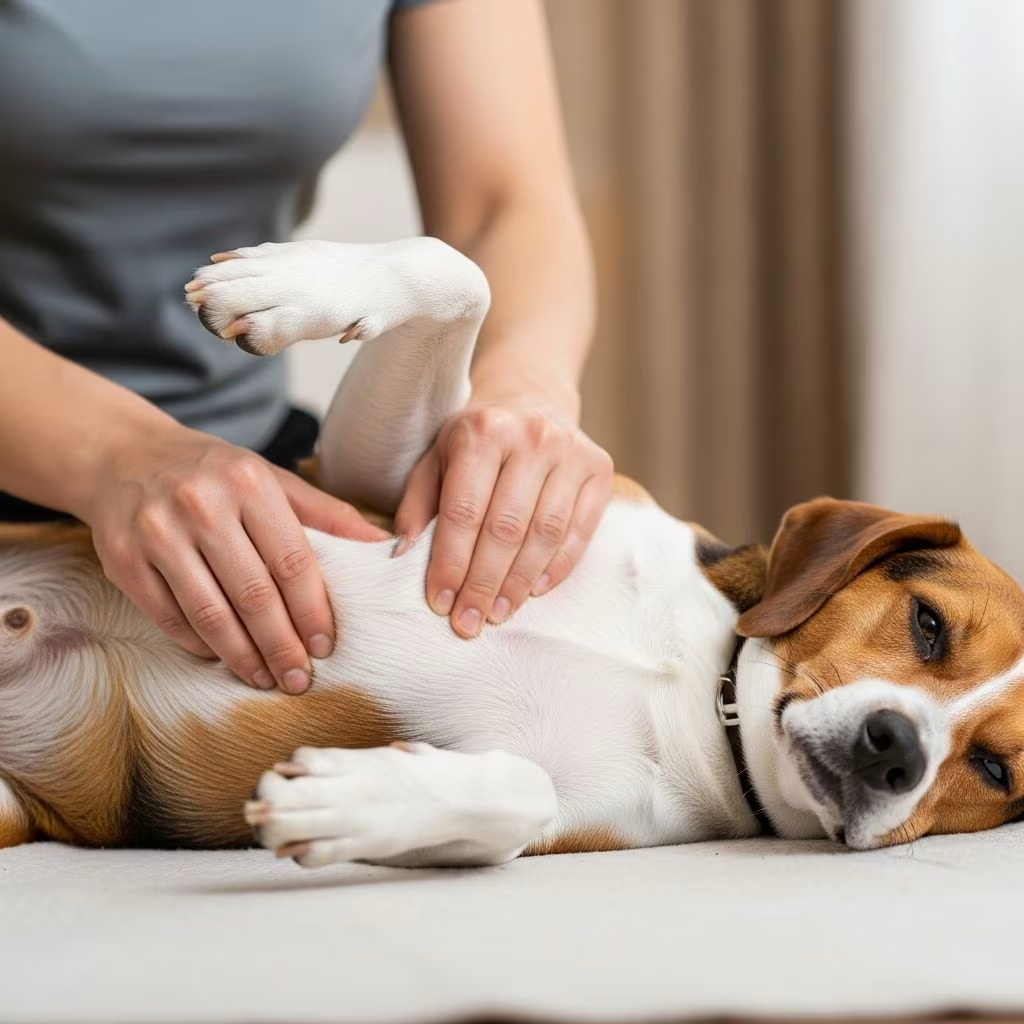
Dogs frequently experience gas buildup, leading to bloating, discomfort, and frequent passing of air. Abdominal massages offer a gentle, non-invasive way to stimulate intestinal movement and release trapped gas, promoting relief without medication.
Understanding Gas in Dogs: Common Causes and Signs
Gas accumulation in a dog’s digestive system arises from various factors, including rapid eating, dietary indiscretions, or underlying sensitivities. When food ferments in the gut or air is swallowed during meals, it creates uncomfortable pressure.
Recognize symptoms early: whining during belly touches, restless pacing, a distended abdomen, or excessive flatulence. Mild cases resolve naturally, but persistent issues warrant professional evaluation to rule out serious conditions like gastric dilatation-volvulus (GDV).
- Swallowed air (aerophagia): Common in gulpers who eat too fast.
- Dietary triggers: High-fiber foods, dairy, or table scraps.
- Health factors: Parasites, allergies, or motility issues.
Why Massage Works for Canine Gas Relief
Gentle manipulation of the abdomen encourages peristalsis—the wave-like muscle contractions that propel contents through the intestines. This mechanical stimulation helps dislodge gas pockets, reduces bloating, and eases associated pain.
Benefits extend beyond immediate relief: regular sessions improve circulation, relax tense muscles, and strengthen the bond between pet and owner. Studies on animal physiotherapy support its role in gastrointestinal motility.
Preparing Your Dog for a Safe Massage Session
Success depends on a calm environment and your dog’s comfort. Start in a quiet space free from distractions, using a soft mat or towel for stability.
- Choose a relaxed time, post-walk when bowels are active.
- Offer water and a small treat to settle nerves.
- Observe body language: relaxed ears and tail indicate readiness; tension means pause.
For anxious dogs, pair with soothing words or pheromone diffusers. Always use clean hands with short nails to avoid scratches.
Step-by-Step Guide to Abdominal Massage
Follow these techniques progressively, starting light to build tolerance. Sessions last 5-10 minutes, 2-3 times daily for acute issues.
Basic Clockwise Circular Rub
Position your dog on its side or back. Place a flat palm on the abdomen—between ribs and hips—and rub clockwise with feather-light pressure, mimicking gut flow.
- Begin near ribs, spiraling toward pelvis.
- Increase circle size gradually if tolerated.
- Duration: 2-3 minutes per side.
Side-to-Side Stroking Method
With dog on side, use both palms from neck base toward tail in long, firm strokes. Repeat 2-5 minutes per side, allowing brief walks in between to aid movement.
Advanced Palpation and Percussion
Warm up with light strokes along the spine from shoulders to hips. Progress to gentle tapping (percussion) and small circles around the belly, varying pressure from light to moderate.
| Technique | Pressure Level | Area Focus | Duration |
|---|---|---|---|
| Circular Friction | Light-Medium | Abdomen full | 3-5 min |
| Flat-Hand Percussion | Medium-Heavy | Rib cage to pelvis | 2 min/side |
| Compression | Light-Heavy | Elbow-aligned section | 1-2 min |
Complementary Home Remedies to Enhance Results
Combine massage with these supportive measures for faster relief.
- Warm bath: Lukewarm water relaxes muscles; rub belly during soak.
- Probiotics: Restore gut flora balance.
- Diet tweaks: Smaller, frequent meals; avoid fermentable ingredients.
- Exercise: Short walks post-massage promote expulsion.
Prevention Strategies for Long-Term Gut Health
Address root causes to minimize recurrence. Slow feeders prevent aerophagia, while high-quality, digestible diets support steady digestion.
Incorporate routine massages weekly, even without symptoms, to maintain motility. Monitor weight and stool consistency as health indicators.
When to Stop Massage and Consult a Veterinarian
Cease immediately if your dog yelps, stiffens, or vomits. Seek urgent care for unproductive retching, pale gums, or abdomen like a drum—these signal emergencies like bloat.
Vets recommend diagnostics for chronic gas: bloodwork, ultrasounds, or fecal exams. Never use human remedies like simethicone without guidance.
Real-World Tips from Dog Owners and Experts
Many report success with consistent routines. A service dog trainer notes positioning aids access for larger breeds. Video demonstrations emphasize progressive pressure to avoid overwhelming pets.
Frequently Asked Questions (FAQs)
Is it safe to massage my puppy’s belly for gas?
Yes, for puppies over 8 weeks, using extra-gentle pressure. Consult a vet for very young ones.
How often should I massage my gassy dog?
2-3 times daily during flare-ups, reducing to weekly maintenance.
Can certain breeds benefit more from these techniques?
Deep-chested breeds like Great Danes are prone to bloat; massages aid prevention.
What if massage doesn’t relieve the gas?
Track symptoms and diet; persistent issues need veterinary assessment.
Are there tools to assist with dog massages?
Soft brushes or therapy balls work, but hands provide best feedback.
Building a Daily Routine for Optimal Digestion
Integrate massages into grooming or playtime. Track progress in a journal: note gas frequency, stool quality, and triggers. Pair with balanced nutrition—lean proteins, fibers like pumpkin—for holistic care.
Professional canine massage therapists offer advanced training for owners, enhancing techniques for conditions like megaesophagus or post-surgical recovery.
References
- Canine Gas Remedies to Help Your Dog Feel Better — Lolahemp. 2023. https://lolahemp.com/blogs/dog-health/canine-gas-remedies
- How to Massage A Dog to Poop — Service Dog Training School. 2024. https://www.servicedogtrainingschool.org/blog/how-to-massage-a-dog-to-poop
- How To Massage Your Dog’s Midsection — Canine Massage Therapy (YouTube). 2022-10-15. https://www.youtube.com/watch?v=ZcoLPiRXPEQ
- How to Help a Dog With Gas — Volhard Dog Nutrition. 2024. https://www.volharddognutrition.com/blog/how-to-help-a-dog-with-gas/



