

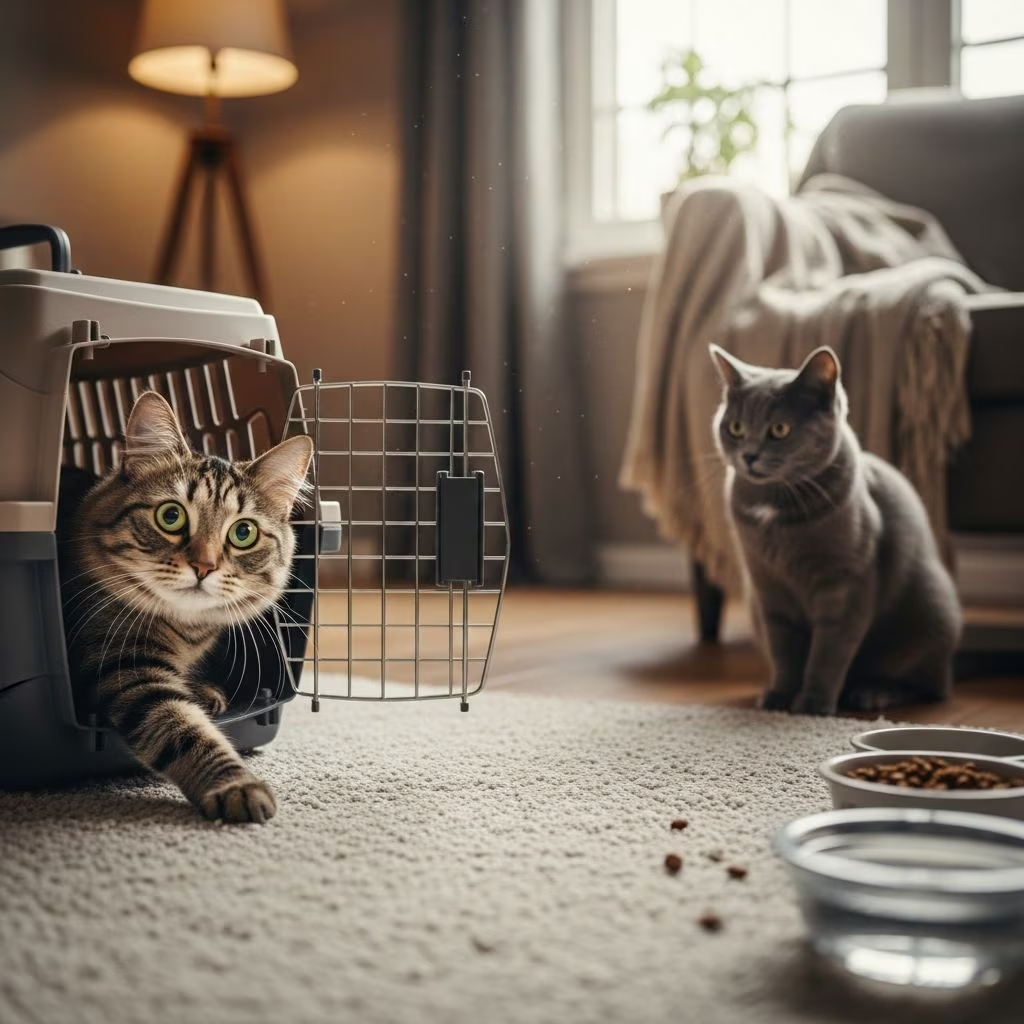
Returning home from a vet visit can turn a multi-cat household upside down. Your familiar feline companion might suddenly hiss, growl, or even attack household mates due to feline non-recognition aggression. This surprising behavior stems from the returning cat acquiring unfamiliar scents from the clinic, clinic animals, or staff, which masks their group scent and triggers territorial responses from resident cats. While distressing, this is a common issue, especially after surgeries or procedures involving anesthesia, and can be managed with patient, structured reintroduction protocols.
Understanding this phenomenon is crucial for cat owners. Cats rely heavily on pheromones and scents for social bonding; any disruption can lead to stress, bullying, or fights that delay healing and disrupt harmony. This guide covers why it happens, prevention strategies, detailed reintroduction steps, and what to do if fights occur, drawing from veterinary behavior experts.
Why Does This Happen? Understanding Feline Non-Recognition Aggression
Non-recognition aggression occurs when resident cats fail to identify the returning cat as part of their social group. The vet environment bombards the cat with new odors—antiseptics, other animals, handling by strangers—overwriting familiar household scents. Anesthesia or pain medications can also alter behavior, making the cat move stiffly or emit stressed pheromones, further confusing housemates.
This isn’t limited to vet visits; grooming, boarding, or even strong-smelling human interactions can trigger it, but vet trips are most notorious due to medical scents and stress. Studies and expert observations note that stressed cats groom less, prolonging foreign scent retention. In multi-cat homes, this can escalate to swatting, chasing, or full fights if not addressed promptly.
Key triggers include:
- Unfamiliar clinic smells masking group pheromones
- Post-anesthesia grogginess or pain altering gait and demeanor
- Territorial instincts viewing the returnee as an intruder
- Stress from travel and handling amplifying reactions
Recognizing early signs—hissing, staring, piloerection (fur standing up), or tail lashing—allows intervention before escalation. Patience is key; rushing reunions often worsens aggression.
Solutions for Reintroducing Cats After the Vet
Effective reintroduction mimics introducing a new cat: separate, swap scents, use positive associations like food, and progress gradually under supervision. The goal is restoring the group scent and positive associations without overwhelming either cat. Never force interactions; go at the cats’ pace, which may take hours to weeks depending on household dynamics.
Step 1: Immediate Separation and Sanctuary Setup
Upon returning home, isolate the vet cat (“Kitty A”) in a quiet, dimly lit “recovery room” with essentials: food, water, clean litter box, scratching post, toys, and cozy beds. This sanctuary prevents overwhelming encounters and allows recovery from stress or surgery. Keep resident cats (“Kitty B and others”) in their usual areas with ample resources to avoid resource guarding.
Duration: At least overnight, longer if aggression was severe or the cat underwent surgery. Provide a warm, draft-free spot away from high-traffic areas. Monitor Kitty A’s recovery: ensure they eat, drink, and use the litter box normally.
Step 2: Scent Swapping to Rebuild Familiarity
Cats communicate via pheromones from facial glands; swapping scents rebuilds recognition without visual stress. Use a soft cloth or sock:
- Gently rub Kitty A’s cheeks, then place in residents’ areas (and vice versa).
- Exchange bedding or toys daily to mingle scents.
- Observe reactions: relaxed sniffing is good; hissing means slow down.
This low-risk step familiarizes cats with each other’s updated scents. Avoid direct contact until comfortable.
Step 3: Reintroduction Through Feeding
Associate the other cat’s presence with positives like mealtime. Start separately:
- Feed at the same time in adjacent rooms.
- Gradually move bowls closer, using a cracked door or baby gate.
- Progress to sight-feeding with a barrier if no hissing.
Keep sessions short (5-10 minutes) to end positively. No free-feeding; use scheduled meals for control. If tension arises, revert steps.
Step 4: Supervised Visual and Physical Contact
Once feeding succeeds, allow supervised peeks:
- Crack the door for sniffing; use a doorstop if charging occurs.
- Parallel play with two toys (e.g., fishing poles) builds positive peripheral awareness.
- Leash one cat or use carriers for safe proximity.
Watch for aggression cues: tense posture, growling, swatting. Separate immediately if seen. Full unsupervised access only when they ignore or groom each other.
Step 5: Bathing and Additional Tips
If scents are overwhelmingly clinical, a gentle bath with unscented shampoo may help, but it risks new stress smells—use judiciously. Wipe with a damp cloth as a milder alternative. Enhance with synthetic pheromones like Feliway diffusers in both areas.
What If the Cats Fight During Reintroduction?
Fights demand immediate, safe separation—never grab by scruff; use a blanket or pillow to block. Check for injuries: punctures need vet care.
Post-fight protocol:
- Full separation with base camps (separate litter/food/toys).
- Restart at scent-swapping; use barriers for sniffing.
- Time heals as group scent returns via grooming.
Persistent fighting may indicate deeper issues; consult a veterinary behaviorist.
How Long Does Reintroduction Take?
No fixed timeline—mild cases resolve in days, severe ones weeks. Factors:
- Prior relationship harmony.
- Aggression severity.
- Your consistency.
Err slow; rushing prolongs issues. Monitor stress: hiding, poor appetite signal pause.
Preventing Non-Recognition Aggression Next Time
Proactive steps:
- Wipe returning cat with a towel rubbed on residents pre-vet.
- Minimize clinic time; request minimal handling.
- Use pheromone products routinely.
- Scheduled vet visits for desensitization.
These reduce scent disruption odds.
Recovery Tips for the Returning Cat
Beyond reintroduction, aid solo recovery:
- Quiet space with familiar items.
- Small, frequent meals if nauseous.
- Monitor incision/litter use; contact vet if off.
- Limit human fussing initially.
| Reintroduction Phase | Duration Estimate | Success Indicators |
|---|---|---|
| Separation & Scent Swap | 1-3 days | Calm sniffing of swaps |
| Feeding Sessions | 3-7 days | No hissing at door |
| Supervised Contact | 1-2 weeks | Playful or neutral behavior |
| Full Access | Variable | Grooming, sleeping near |
Frequently Asked Questions (FAQs)
Why is my cat aggressive after the vet?
Your cat smells foreign to housemates due to clinic scents and stress, triggering non-recognition.
How long to keep cats separated after vet?
At least overnight; up to days/weeks based on reactions—progress slowly.
Can I bathe my cat to remove vet smells?
Possibly, with mild shampoo, but it may add stress; try scent wiping first.
What if they keep fighting?
Separate fully, restart protocol, check injuries, seek behaviorist help.
Will they go back to normal?
Yes, with patience; most restore bonds as scents normalize.
References
- Introducing a New Cat To Your Home Or Reintroducing Kitty After… — Healing Paws Carlisle. 2023-05-15. https://healingpawscarlisle.com/blog/introducing-new-cat-to-your-home/
- Reintroducing Cats After the Vet: Feline Non-Recognition… — Catster. 2024-02-10. https://www.catster.com/cat-behavior/reintroducing-cats-after-the-vet/
- How to Help a Cat Recover From a Vet Visit — Feliway US. 2023-11-20. https://us.feliway.com/blogs/news/how-to-help-a-cat-recover-from-a-vet-visit
- Taking Your Cat to the Vet — International Cat Care. 2024-01-05. https://icatcare.org/articles/taking-your-cat-to-the-vet
- Pam’s “Think Like a Cat” Reintroduction Method — Cat Behavior Associates. 2023-08-12. https://catbehaviorassociates.com/pams-think-like-a-cat-reintroduction-method/
- What To Do After a Catfight — Jackson Galaxy. 2023-06-18. https://www.jacksongalaxy.com/blogs/news/what-to-do-after-a-catfight



