

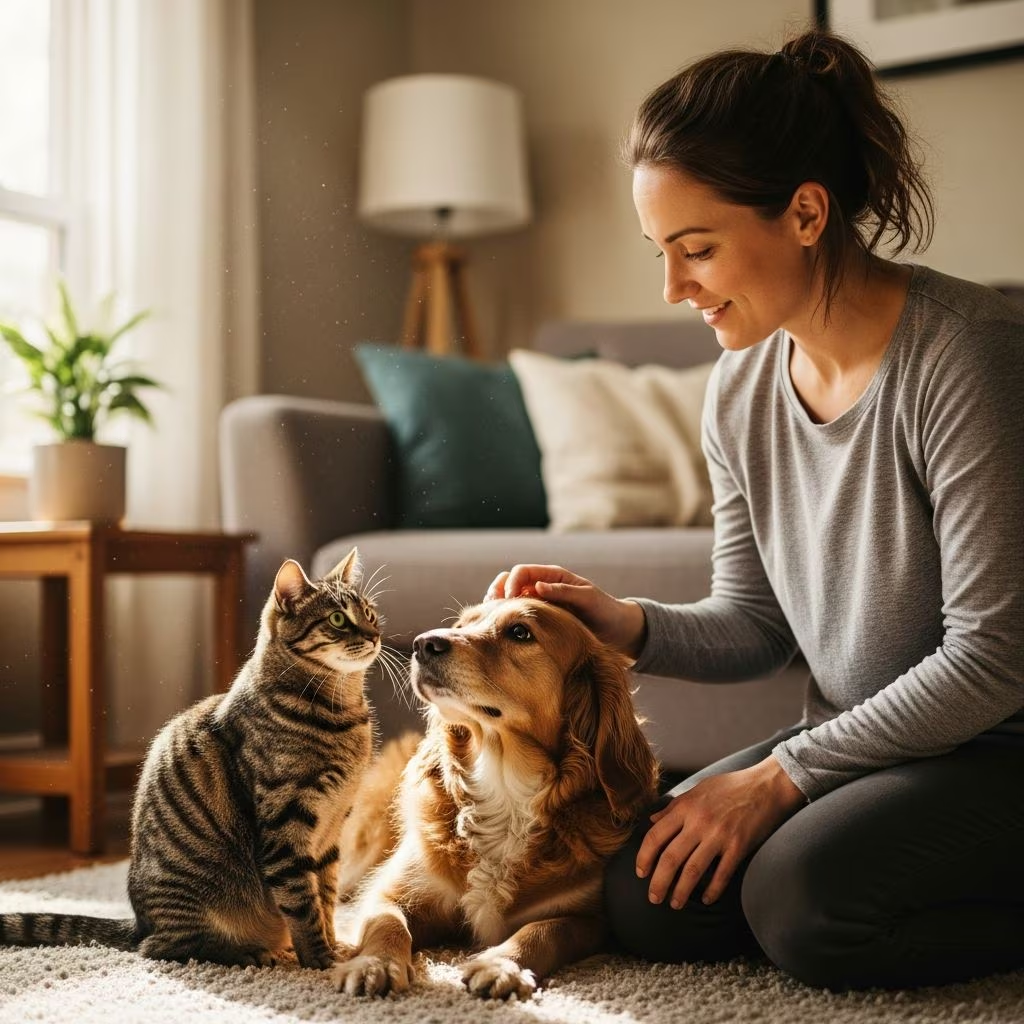
Rehoming a Pet: Finding a Good New Home
Rehoming a pet is a significant decision that requires careful planning, thorough preparation, and genuine commitment to ensuring your animal finds the right permanent home. Whether you’ve found a stray dog or cat, or you need to find a new home for your own pet due to life circumstances, this comprehensive guide will walk you through every step of the process. From advertising your pet effectively to screening potential adopters and finalizing the adoption, we’ll provide you with the knowledge and resources necessary to make a successful transition for your beloved animal.
What to Do When You’ve Found a Stray Animal
Finding a stray dog or cat can be both heartwarming and challenging. Your first instinct should be to help the animal, but it’s important to follow proper procedures to reunite it with its original owner or find it appropriate care.
Check for Identification
The very first step when you find a stray animal is to check for identification. Look carefully for a collar with a tag attached. If you find a tag with a person’s name, call them immediately and arrange for the pet to be picked up. If the tag displays the name of a veterinarian’s clinic instead, call during business hours and provide the code number on the tag so the clinic staff can look up the pet’s family information and help reunite the animal with its owners.
Notify Your Local Animal Shelter
It’s crucial to understand that stray animal laws vary significantly by location. Some communities legally require anyone who finds a lost animal to surrender it to their local animal shelter or at least report the finding to animal control or animal services. Contact your local animal control office to determine your legal obligations in your area. If you do take the pet to the shelter and wish to adopt them should they not be claimed, inform the staff of your interest. After the standard stray hold period expires, you’ll have adoption privileges. Stay engaged by calling the shelter regularly to check on the animal’s status and demonstrate your genuine interest in their welfare.
Information to Gather About a Stray
When you find a stray animal, document important details that will help in rehoming or reuniting efforts:
– The animal’s appearance, size, and approximate age- Any distinguishing physical characteristics- Whether the pet appears to be spayed or neutered- The pet’s temperament and appealing qualities- Any behavioral limitations (such as pulling on the leash or chasing cats)- A clear, well-lit photograph of the animal
Preparing Your Pet for Rehoming
Before you begin the process of finding a new home for your pet, it’s essential to ensure they are healthy, up-to-date on all medical care, and well-documented. This preparation demonstrates responsibility to potential adopters and sets the foundation for a successful transition.
Health and Vaccination Requirements
Schedule a veterinary appointment to ensure your pet is in good health before rehoming. Verify that all vaccinations are current and up-to-date according to your area’s requirements. Ask your veterinarian to provide comprehensive medical records that document the pet’s health history. These records are invaluable for the new owner and can be transferred directly to the adopter’s preferred veterinary clinic. Notify your current veterinarian of the pending ownership change so records can be properly transferred.
Gather Complete Pet History and Documentation
Prepare a detailed history of your pet that covers as much information as possible about their personality, habits, and preferences. Include their likes and dislikes, current food preferences and favorite treats, relationship with other animals (both domestic and wild), preferred types of toys and activities, and any special behavioral traits. This comprehensive information helps the new adopter acclimate the pet to their home more smoothly and ensures a successful long-term placement.
Getting the Word Out: Advertising Your Pet
Successfully rehoming a pet begins with effective communication. The more people who know about your pet and the more attractive your advertisement, the better your chances of finding the perfect match.
Creating an Effective Flyer
A well-designed flyer is one of the most effective tools for rehoming a pet. Here are the essential elements:
– Include a high-quality, recent photograph that accurately represents your pet- Choose your cutest or most attractive photo to grab attention and showcase their best features- Provide clear, readable text describing the pet’s personality and key characteristics- Include your contact information prominently- List any important deadlines or urgent rehoming needs- Add the pet’s name, age, breed, and special qualities- Post in public places like community bulletin boards, veterinary clinics, pet stores, and grocery stores
Taking Quality Photographs
Photographs are crucial for attracting potential adopters. Invest time in capturing your pet in the best light possible. Use natural lighting when available, photograph the pet in familiar settings where they appear comfortable and happy, include close-up shots of the face as well as full-body images, and ensure the photo is recent and accurately represents the pet’s current appearance and health status.
Online Advertising Resources
Numerous online platforms provide free or low-cost options for posting your pet for private home-to-home placement. These include popular pet adoption websites, community classifieds sites, social media platforms, and specialized pet rehoming networks. When posting online, be transparent about any medical information, behavioral traits, and the pet’s lifestyle needs to ensure a good match with potential adopters.
Breed-Specific Resources
If your pet is a purebred, consider contacting your breeder or breed-specific rescue groups. These organizations often have established networks of people actively looking for that particular breed and can facilitate faster placement. Breed-specific rescues are particularly effective because they thoroughly understand breed characteristics and can match your pet with an owner prepared for breed-specific needs.
Working With Shelters and Rescue Groups
Local animal shelters and rescue organizations can be valuable partners in your rehoming efforts. Most animal organizations maintain adoption lists and may allow you to bring your pet to adoption days or community events. They can also connect you with individuals actively seeking a pet matching your animal’s profile or provide additional rehoming suggestions.
Finding Local Resources
Search for local shelters and rescue groups through online directories and community networks. Contact as many organizations as possible, even if they’re at or near capacity. Some groups may refer you to interested adopters or suggest alternative placement options. Additionally, identify social media pages in your area and surrounding communities where lost and found pets are posted, such as community-specific groups and neighborhood networks.
Meeting Potential Adopters
The interview and meet-and-greet process is critical for ensuring your pet goes to a suitable home. This is your opportunity to thoroughly evaluate whether potential adopters can provide appropriate long-term care.
Screening Potential Adopters
Don’t feel pressured to make a quick decision about who adopts your pet. Take time to review applications carefully and interview each potential adopter. Your judgment is your best guide. Ask detailed questions about their living situation, work schedule, experience with similar pets, plans for the animal’s care, and expectations for pet ownership. Consider asking for references from their veterinarian or previous pet ownership.
Questions to Ask Potential Adopters
During interviews, inquire about their household composition, including children and other animals; their living arrangement (house, apartment, rental); their work schedule and daily availability; their experience with pets; their understanding of the pet’s specific needs; their long-term commitment to pet ownership; their financial capacity to provide veterinary care; and their plans for the pet if circumstances change.
The Meet and Greet
Once you’ve vetted potential adopters through interviews, arrange a meeting to introduce them to your pet. You can conduct this introduction at your home, the adopter’s residence, or neutral ground such as a park or veterinary office. During the meeting, observe how the adopter interacts with the pet and whether they handle the animal appropriately and with kindness.
Establishing Communication Plans
Create a clear communication plan with the potential adopter that includes how you’ll follow up after adoption and how they can contact you with questions or concerns. Consider whether you want to establish a post-adoption follow-up arrangement where you check in on the pet periodically. Some adopters appreciate the option of a trial sleepover, where the pet spends time in the new home before the permanent transition, allowing both parties to confirm the match is successful.
Finalizing the Adoption
Once you’ve identified the right adopter for your pet, there are important final steps to ensure a smooth and legally protected transition.
Preparing for the Meetup
Arrange a time and public place for the final transfer. Gather all items that will help your pet adjust to their new home, including their favorite toys, bedding, carrier, food bowls, and litter box if applicable. If you have remaining food or special treats your pet enjoys, bring those as well. These familiar items significantly ease the transition and help maintain the pet’s emotional security in their new environment.
Transfer of Veterinary Records
Prepare copies of all veterinary records you have for your pet. Offer to contact your veterinarian to have them send records directly to the adopter’s preferred veterinary clinic. Simultaneously, notify your current veterinarian of the ownership change. This ensures continuity of care and helps the new owner maintain the pet’s health schedule and medical history.
Creating an Adoption Contract
Finalize the adoption with a written adoption contract that serves as a safety net for both you and the adopter. The contract should outline the pet’s medical history, any behavioral notes, the adopter’s commitment to provide appropriate care, and any conditions or terms of the adoption. Many online adoption platforms provide adoption contract templates. Create two copies and have both parties sign each copy. Each party should retain a signed copy for their records.
Microchip Update
If your pet has a microchip, contact the database where it’s registered immediately after the adoption is finalized. Update the registry with the new owner’s information and contact details. This is critical because if the pet becomes lost in the future, the microchip will lead rescuers to the correct current owner.
FAQ: Common Questions About Pet Rehoming
Q: What should I do if I find a stray animal but cannot keep it?
A: First, check for identification tags or microchips and attempt to reunite the animal with its owner. If unsuccessful, contact your local animal shelter or rescue organization and report the found animal. They can scan for a microchip and help locate the owner. Ask about adoption options if the pet isn’t claimed after the stray hold period.
Q: How long should I wait before listing my pet for adoption?
A: Ensure your pet has current vaccinations, medical records, and has been spayed or neutered if appropriate. Schedule a veterinary checkup and gather comprehensive pet history. This preparation typically takes 1-2 weeks. Don’t rush the process; a well-prepared pet attracts more qualified adopters.
Q: What is the best way to photograph a pet for an adoption listing?
A: Use natural lighting, photograph the pet in familiar comfortable settings, capture both close-up and full-body shots, ensure the photo is recent and accurately represents the pet’s appearance, and choose your most attractive image that showcases their personality and best features.
Q: Should I require an adoption contract?
A: Yes, an adoption contract is highly recommended. It protects both you and the adopter by clearly outlining expectations, the pet’s medical history, behavioral traits, and the commitment to lifelong care. It also provides documentation should any disputes arise.
Q: Can I maintain contact with my pet after rehoming?
A: Yes, you can establish a post-adoption follow-up plan with the adopter. Discuss your preferred communication frequency and methods before finalizing the adoption. Many adopters appreciate having someone they can contact with questions and updates.
Q: What if the adoption doesn’t work out?
A: Include a clause in your adoption contract allowing the pet to be returned to you temporarily if the situation doesn’t work out. Some adopters appreciate knowing they have this safety net, which can actually increase their confidence in proceeding with adoption.
Final Thoughts on Successful Pet Rehoming
Rehoming your pet is a significant decision that requires thoughtfulness, patience, and dedication to ensuring the best outcome. By following this comprehensive guide—from advertising effectively to thoroughly screening adopters and finalizing the adoption with proper documentation—you dramatically increase the likelihood that your pet will find a loving, permanent home where they’ll thrive. Remember that the time you invest in this process is time well spent, as it directly impacts your pet’s future happiness and well-being. Trust your instincts, ask thorough questions, and don’t settle for an adopter who doesn’t feel like the right fit. Your pet deserves nothing less than a wonderful new family.
References
- Rehoming a Pet: Finding a Good New Home — Best Friends Animal Society. Accessed 2025. https://bestfriends.org/pet-care-resources/rehoming-pet-finding-good-new-home
- Tips for Rehoming Your Pet — East Bay SPCA. Accessed 2025. https://eastbayspca.org/resources/rehome-surrender-a-pet/tips-for-rehoming-your-pet
- Best Friends Comprehensive Pet Resource Guide — Best Friends Animal Society. 2023. https://bestfriends.org/sites/default/files/2023-06/Best%20Friends%20Comprehensive%20Pet%20Resource%20Guide.pdf
- Free Pet Care Resources: Health, Training & Rescue Guides — Best Friends Animal Society. Accessed 2025. https://bestfriends.org/pet-care-resources



