

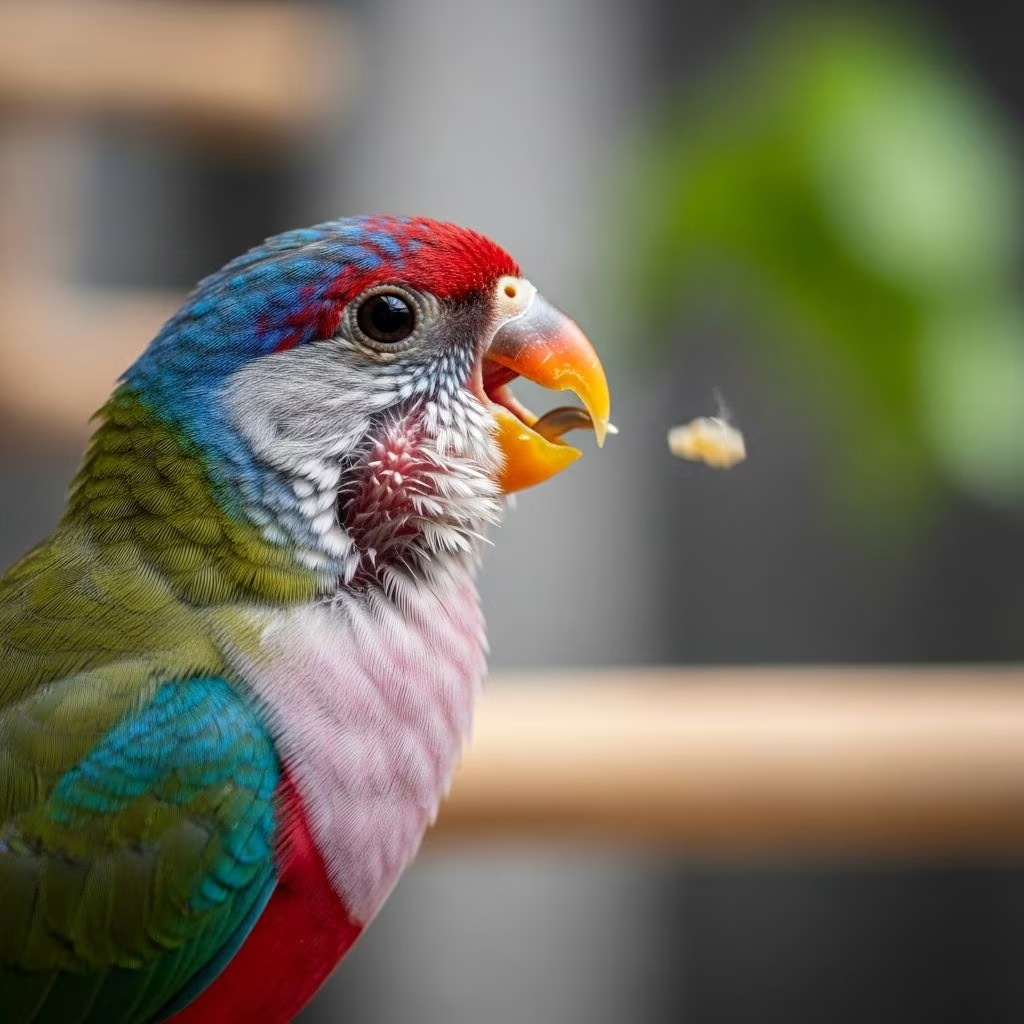
Understanding Regurgitation in Birds
Regurgitation in birds is a common occurrence that can indicate either normal behavior or a sign of underlying health issues. As a bird owner, it is essential to understand the difference between normal regurgitation and regurgitation that signals illness. While some regurgitation is a natural part of avian behavior, particularly during courtship or parenting, other instances may indicate serious digestive disorders that require immediate veterinary attention.
Regurgitation occurs when food stored in the crop—a specialized pouch in a bird’s esophagus used for temporary food storage—is brought back up. Unlike true vomiting, which is involuntary and typically indicates illness, regurgitation can be voluntary and part of normal avian social behavior. However, distinguishing between the two is crucial for proper bird care and health management.
Normal Regurgitation Versus Abnormal Regurgitation
Understanding the distinction between normal and abnormal regurgitation is fundamental to bird health care. Normal regurgitation typically involves deliberate, controlled neck movements and is often accompanied by specific behavioral cues.
Normal Regurgitation
Normal regurgitation in birds typically occurs during courtship or when caring for nestlings. Male birds may regurgitate food to their mates as part of bonding rituals, while parent birds regurgitate to feed their young. In these contexts, the bird exhibits controlled muscular neck movements and regurgitates partially or fully digested food in a purposeful manner. The bird generally appears healthy and alert, with no signs of distress or discomfort.
Abnormal Regurgitation
Abnormal regurgitation, in contrast, is involuntary and associated with illness or disease. Birds experiencing abnormal regurgitation typically shake their heads from side to side, fling regurgitated material, and may appear lethargic or unwell. The regurgitated material may have an unpleasant sour odor, and affected birds often show additional symptoms such as weight loss, loss of appetite, or changes in droppings. Abnormal regurgitation can indicate crop infections, parasitic infestations, nutritional deficiencies, or more serious systemic diseases.
Common Causes of Abnormal Regurgitation
Several conditions can lead to abnormal regurgitation in pet birds. Identifying the underlying cause is essential for appropriate treatment and recovery.
Crop Infections and Crop Stasis
Crop infections represent one of the most common causes of regurgitation in birds. The crop serves as a temporary food storage area, and when infections occur, they can disrupt normal crop function. Symptoms of crop infection include a fluid-filled, distended crop, regurgitation of food or crop fluid, and a sour smell from the bird’s mouth or regurgitated material. Crop stasis—the failure of the crop to empty properly—can result from various underlying conditions, including bacterial or fungal infections.
Candidiasis (Yeast Infection)
Candidiasis is a fungal infection caused by Candida species that can affect the crop and digestive tract. This condition often results from disrupted bacterial populations, whether from fermentation of crop contents or from antibiotic treatment that kills beneficial bacteria. Affected birds may develop a swollen, mucus-filled crop, and white spots may be visible in the mouth if oral candidiasis is present. Regurgitation, loss of appetite, and general signs of illness are common symptoms.
Avian Gastric Yeast (Macrorhabdosis)
Avian gastric yeast, caused by Macrorhabdus ornithogaster, commonly colonizes the digestive tracts of smaller companion birds such as budgerigars, parrotlets, lovebirds, and cockatiels. Birds with weakened immune systems are particularly susceptible to this infection. Common signs include chronic weight loss, regurgitation, lethargy, and diarrhea. This condition requires microscopic examination of droppings or regurgitated material for diagnosis and appropriate antifungal treatment.
Avian Ganglioneuritis (AG)
Avian ganglioneuritis, previously known as proventricular dilatation disease or macaw wasting disease, affects various species of pet birds beyond macaws, including cockatoos, conures, Eclectus parrots, and African and Asian species. This condition is believed to be an autoimmune reaction in response to infection with avian bornavirus and certain bacteria. When nerves in the gastrointestinal tract are affected, the tract cannot contract properly to digest food, causing the stomach (proventriculus) to become dilated. Affected birds show chronic weight loss, passage of undigested food in droppings, and regurgitation. Treatment is lifelong and includes providing easily digestible foods and administering anti-inflammatory medications.
Trichomonads and Parasitic Infections
Internal parasites, particularly Trichomonads, can settle in the crop and cause severe regurgitation. These flagellates produce thick yellow coatings on the mucous membrane, leading to vomiting, emaciation, and crop blockage. Budgerigars and other bird species are particularly susceptible to Trichomonas gallinae infections.
Papillomatosis
Papillomatosis is a viral disease that causes pink, cauliflower-like growths or tissue thickening in the oral cavity, digestive tract, or cloaca. The disease spreads through direct contact, airborne transmission, or fecal contamination of food or water. Symptoms include diarrhea, green droppings, lethargy, regurgitation, and weakness. Growths in the mouth may cause wheezing, difficulty swallowing, and open-mouth breathing, while papillomas further down the gastrointestinal tract may cause vomiting, loss of appetite, and wasting.
Giardiasis
Giardia, a parasitic infection, may cause diarrhea, malnutrition, and problems with nutrient absorption. In some birds, especially cockatiels, Giardia can lead to intense itching, causing birds to scream, pull feathers, or dig at the skin with their beaks.
Toxin Exposure and Poisoning
Birds may ingest toxic substances through their habit of gnawing on objects. Decorative plants, scented candles, and other toxic items can cause severe nausea and regurgitation. Some poisonings attack the nervous system or chemically burn the crop mucosa, leading to intense regurgitation as the body attempts to eliminate the harmful substances.
Internal Tumors
Tumors of internal organs, particularly in the proventriculus, can cause severe regurgitation. These malignant growths may put pressure on the digestive tract or prevent proper detoxification, leading to regurgitation along with other gastrointestinal symptoms. Adenocarcinomas of the proventriculus can infiltrate the stomach muscle wall and affect nerve supply and motility.
Recognizing Warning Signs
Early recognition of warning signs is crucial for timely veterinary intervention. Key symptoms to watch for include:
- Involuntary head shaking and flinging of regurgitated material
- Matted head feathers from repeated regurgitation
- Sour-smelling regurgitated material or breath
- Loose or abnormal droppings
- Chronic weight loss or decreased pectoral muscle mass
- Loss of appetite or decreased food intake
- Lethargy or unusual sleeping patterns
- Undigested seeds visible in droppings
- Distended or fluid-filled crop
- General signs of illness or depression
Diagnostic Procedures
When abnormal regurgitation is suspected, veterinarians employ several diagnostic techniques to identify the underlying cause:
- Physical Examination: Assessment of body weight, crop condition, and overall health status
- Microscopic Examination: Analysis of droppings, crop contents, or regurgitated material to identify parasites, fungi, or bacteria
- Radiographs (X-rays): Imaging to detect enlarged organs, tumors, or delayed crop emptying
- Cultures: Growing samples to identify specific bacterial or fungal infections
- Blood Tests: Evaluation of organ function and systemic health
- Endoscopy: Direct visualization of the crop and upper digestive tract
Treatment Options and Management
Treatment for abnormal regurgitation depends on the underlying cause. Veterinarians may recommend:
- Antifungal Medications: For candidiasis and other fungal infections, administered orally
- Antiparasitic Treatments: To eliminate parasitic infestations
- Antibiotics: For bacterial infections, though careful selection is necessary to avoid disrupting beneficial bacteria
- Anti-inflammatory Medications: Particularly for conditions like avian ganglioneuritis
- Dietary Modifications: Providing easily digestible foods and appropriate nutrition
- Supportive Care: Including hydration therapy and nutritional support
- Environmental Management: Improved ventilation and disinfection to reduce transmission of infectious diseases
Prevention Strategies
Preventing regurgitation-related health issues involves maintaining proper hygiene and providing optimal care:
- Ensure clean food and water bowls, replaced daily
- Maintain appropriate cage temperature and humidity
- Avoid feeding toys or mirrors excessively, as this can cause crop irritation
- Provide a balanced, species-appropriate diet
- Minimize exposure to toxic substances and plants
- Ensure good ventilation to reduce disease transmission
- Schedule regular veterinary checkups
- Practice good hygiene when handling multiple birds to prevent disease spread
When to Seek Veterinary Care
Immediate veterinary attention is essential if your bird exhibits abnormal regurgitation, particularly if accompanied by weight loss, lethargy, or changes in droppings. Crops that are distended with fluid and showing no signs of motility need immediate veterinary attention. Unlike normal regurgitation, which occurs in healthy birds during social interactions, abnormal regurgitation can rapidly become life-threatening. Small birds can become critically dehydrated in a matter of hours, making prompt intervention essential.
Frequently Asked Questions
Q: What is the difference between regurgitation and vomiting in birds?
A: Regurgitation involves voluntary or involuntary return of food from the crop and is often accompanied by controlled neck movements. Vomiting is an involuntary response characterized by head shaking and forceful expulsion of material, typically indicating illness. Normal regurgitation can be part of courtship or parenting, while vomiting almost always signals a serious underlying condition.
Q: How quickly can regurgitation become dangerous?
A: Abnormal regurgitation can become dangerous very quickly. Small birds can become critically dehydrated in a matter of hours, making immediate veterinary intervention essential. Any signs of abnormal regurgitation should be evaluated by a veterinarian promptly.
Q: Can regurgitation be caused by something I’m doing wrong?
A: Yes, sometimes regurgitation can result from crop irritation caused by excessive use of feeding toys or mirrors, which can provide an entrance for secondary infections. However, most cases of abnormal regurgitation indicate underlying disease rather than owner error.
Q: What should I do if my bird regurgitates?
A: First, determine whether the regurgitation is normal (controlled, during social interactions) or abnormal (involuntary, accompanied by distress or illness signs). If the regurgitation appears abnormal, contact your veterinarian immediately. Keep the bird warm and avoid handling excessively while awaiting veterinary care.
Q: Are certain bird species more prone to regurgitation-related diseases?
A: Yes, certain species are more susceptible to specific conditions. For example, budgerigars are more commonly affected by avian gastric yeast and certain tumors, while cockatiels are particularly prone to Giardia infections. Consult with your veterinarian about species-specific health concerns.
References
- Digestive Disorders of Pet Birds — Merck Veterinary Manual. Updated 2024. https://www.merckvetmanual.com/bird-owners/disorders-and-diseases-of-birds/digestive-disorders-of-pet-birds
- Crop Infections in Birds — VCA Animal Hospitals. 2024. https://vcahospitals.com/know-your-pet/crop-infections-in-birds
- Bird Vomiting Guide: Causes, Symptoms & Aftercare Treatment — Exotic and Small Animals. 2024. https://exoticandsmallanimals.com/animal/bird/vomiting/
- Vomiting (Crop Infection) — Birds Online. Updated 2024. https://www.birds-online.de/wp/en/birds-online-english/health-and-diseases/infectious-diseases/vomiting-crop-infection/
- Vomiting in Birds — Bird Clinic. 2024. https://www.birdclinic.net/avian2.htm



