
Regenerative Anemias In Animals: A Complete Guide
Comprehensive guide to understanding, diagnosing, and managing regenerative anemias in pets and livestock through bone marrow response and targeted therapies.
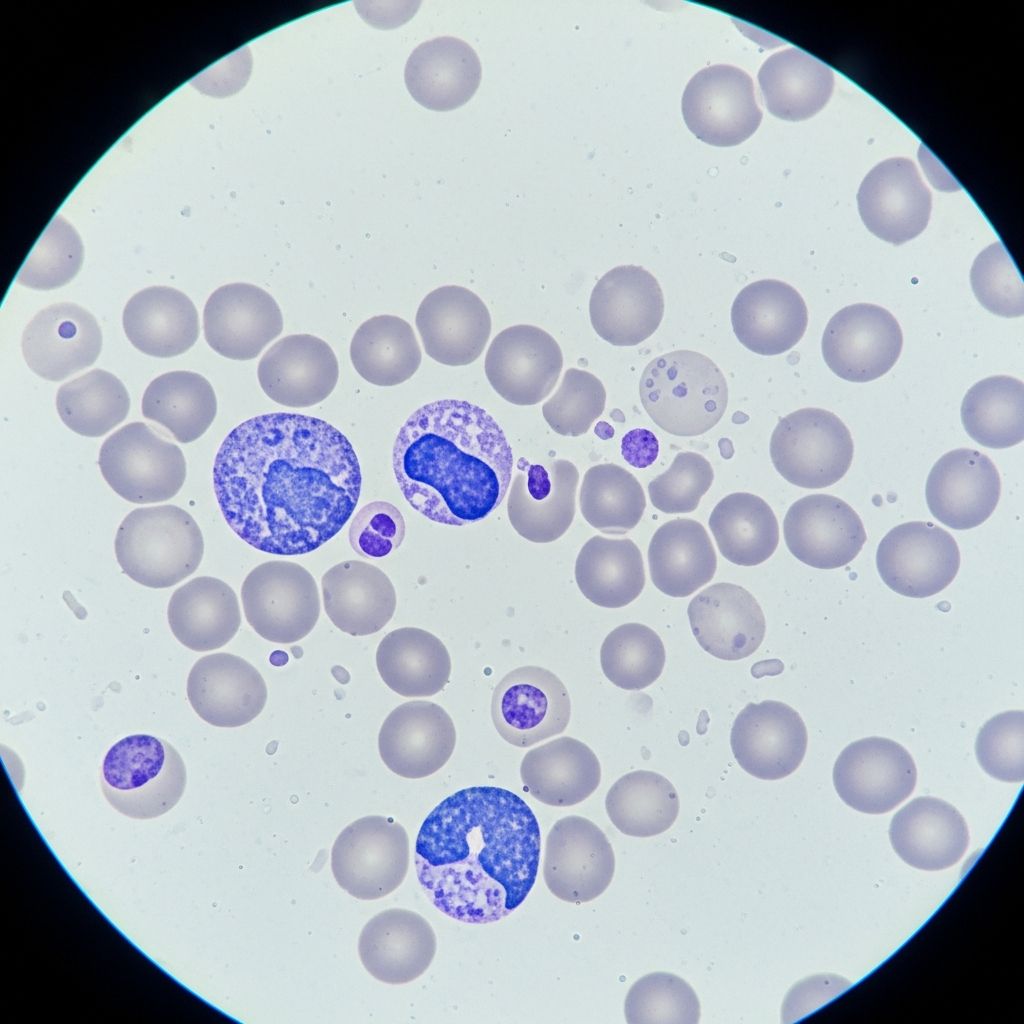
Regenerative anemias occur when an animal’s bone marrow ramps up production of new red blood cells in response to significant loss or destruction of existing ones, typically due to hemolysis or hemorrhage. This response distinguishes them from non-regenerative forms where marrow activity remains suppressed.
Understanding the Bone Marrow’s Role
The bone marrow serves as the primary site for red blood cell (RBC) production, or erythropoiesis. In healthy animals, it maintains steady RBC levels to ensure oxygen transport. When RBC counts drop suddenly from bleeding or cell breakdown, the body detects low oxygen levels via erythropoietin release from the kidneys, stimulating marrow to release reticulocytes—immature RBCs—and polychromatophils, visible on blood smears.
Dogs exhibit the strongest regenerative capacity, often showing high reticulocyte counts within 2-3 days of onset. Cats and horses respond more gradually, while small ruminants may show milder increases. A regenerative response is confirmed if reticulocytes exceed 1-2% in dogs or if absolute counts surpass normal thresholds.
Primary Causes of Regenerative Anemias
These anemias stem from two main mechanisms: acute blood loss and hemolysis. Blood loss can result from trauma, gastrointestinal ulcers, or parasites like hookworms in puppies. Hemolysis involves RBC destruction either intravascularly (releasing hemoglobin into plasma, causing hemoglobinuria) or extravascularly (via spleen or liver macrophages).
Hemolytic Mechanisms
- Immune-mediated hemolytic anemia (IMHA): The most common in dogs, where antibodies target RBCs, leading to phagocytosis. Triggers include infections, vaccines, or idiopathic causes.
- Infectious agents: Babesia, Ehrlichia, or equine infectious anemia protozoa rupture RBCs directly.
- Toxins and drugs: Onion toxicity in dogs or bee stings cause oxidative damage.
- Microangiopathic hemolysis: RBCs fragment in turbulent flow from heartworm disease, hemangiosarcoma, or disseminated intravascular coagulation (DIC).
- Inherited defects: Phosphofructokinase deficiency in English Springer Spaniels triggers crises during stress-induced alkalosis.
Blood Loss Contributors
External losses from wounds or surgery heal quickly with regeneration, but chronic internal bleeding from tumors or coagulopathies sustains anemia. Neonates may suffer alloimmune hemolysis from maternal antibodies in colostrum.
Clinical Signs and Symptom Recognition
Affected animals display lethargy, pale mucous membranes, rapid heart rate, and weakness due to hypoxia. Severe cases involve icterus from bilirubin buildup, splenomegaly, or fever if infection-related. Intravascular hemolysis adds dark urine and hemoglobinemia.
| Symptom | Regenerative Anemia Indicator | Associated Cause |
|---|---|---|
| Pale gums | PCV <25% | Hemolysis or acute bleed |
| Yellow skin/eyes | Hyperbilirubinemia | Extravascular hemolysis |
| Dark urine | Hemoglobinuria | Intravascular destruction |
| Tachycardia | Compensatory | Oxygen deprivation |
| Splenomegaly | Macrophage activity | IMHA |
Diagnostic Approaches
Diagnosis begins with a complete blood count (CBC) revealing low packed cell volume (PCV), macrocytosis, and reticulocytosis. Blood smears show polychromasia, nucleated RBCs, spherocytes in IMHA, or schistocytes in microangiopathy.
- Biochemistry: Elevated bilirubin, lactate dehydrogenase (LDH), and liver enzymes.
- Coombs test: Detects anti-RBC antibodies in IMHA.
- Imaging: Ultrasound for splenic masses or abdominal bleeding.
- Bone marrow aspirate: Confirms erythroid hyperplasia; normal in pure regenerative cases.
- Parasite screens: PCR for Babesia or Ehrlichia.
In dogs, reticulocyte counts >60,000/µL indicate regeneration; corrected for anemia severity using reticulocyte index.
Treatment Strategies
Management targets the underlying cause while supporting regeneration. Stabilize with fluids and oxygen, then transfuse if PCV <15-20%.
Supportive Care
- Blood transfusions: Whole blood or packed RBCs; monitor for reactions.
- Fluid therapy: Corrects hypovolemia and supports perfusion.
- Nutritional support: Iron, B-vitamins for chronic cases.
Immune-Mediated Cases
Immunosuppression is cornerstone for IMHA: prednisolone (2-4 mg/kg/day), with add-ons like mycophenolate (8-12 mg/kg q12h), cyclosporine, or azathioprine (dogs only). Cats use chlorambucil. Plasmapheresis removes antibodies in refractory cases.
Emerging Therapies: Stem Cell Interventions
Allogeneic adipose-derived stem cells (ADSCs) show promise for refractory nonregenerative cases transitioning to regenerative responses. In five dogs with immune-mediated anemia unresponsive to drugs, ADSCs improved PCV, reduced transfusion needs, and allowed immunosuppression tapering. Effects manifest over weeks, attributed to immunomodulation.
Cause-Specific Interventions
- Parasites: Antiparasitics like imidocarb for Babesia.
- Toxins: Remove source; antioxidants like N-acetylcysteine.
- Neonates: Prevent colostrum intake in alloimmune cases.
- Heritable: Avoid triggers; breed selection.
Species-Specific Considerations
Dogs: Prone to IMHA; aggressive immunosuppression yields 70-80% survival. Cats: Less common, often oxidative (e.g., acetaminophen); cautious with azathioprine. Horses: Infectious anemia from viruses; supportive care key. Cattle: Hemolytic uremic syndrome post-diarrhea.
Prognosis and Monitoring
Prognosis hinges on cause rapidity and response. Acute blood loss recovers fully; severe IMHA carries 30-50% mortality from thromboembolism. Monitor serial CBCs; sustained reticulocytosis signals recovery. Long-term, prevent relapses with trigger avoidance.
Frequently Asked Questions (FAQs)
What is the difference between regenerative and non-regenerative anemia?
Regenerative features increased reticulocytes as marrow responds to loss/hemolysis; non-regenerative lacks this due to marrow suppression.
How quickly does regeneration occur in dogs?
Within 2-3 days for reticulocytosis, peaking at 5-7 days.
Can regenerative anemia be cured?
Yes, if underlying cause is addressed; chronic cases may need ongoing management.
Is stem cell therapy standard for anemias?
Not yet; emerging for refractory immune-mediated types, with promising canine trials.
What home care supports recovery?
Rest, high-quality diet, monitor gums; vet follow-ups essential.
References
- Improvement of anemia in five dogs with nonregenerative anemia using allogeneic adipose-derived stem cells — PMC/NCBI. 2022-07-20. https://pmc.ncbi.nlm.nih.gov/articles/PMC9310121/
- Regenerative Anemias in Animals — Merck Veterinary Manual. 2023. https://www.merckvetmanual.com/circulatory-system/anemia/regenerative-anemias-in-animals
- Regenerative Anemia in Dogs — WagWalking. 2023. https://wagwalking.com/condition/regenerative-anemia
- Regeneration Assessment in Anemia — eClinPath. 2022. https://eclinpath.com/hematology/anemia/assessment-regeneration/
- Clinical Approach to Anemia — DVM360. 2021. https://www.dvm360.com/view/clinical-approach-anemia-proceedings
Similar Articles








Read full bio of medha deb


