

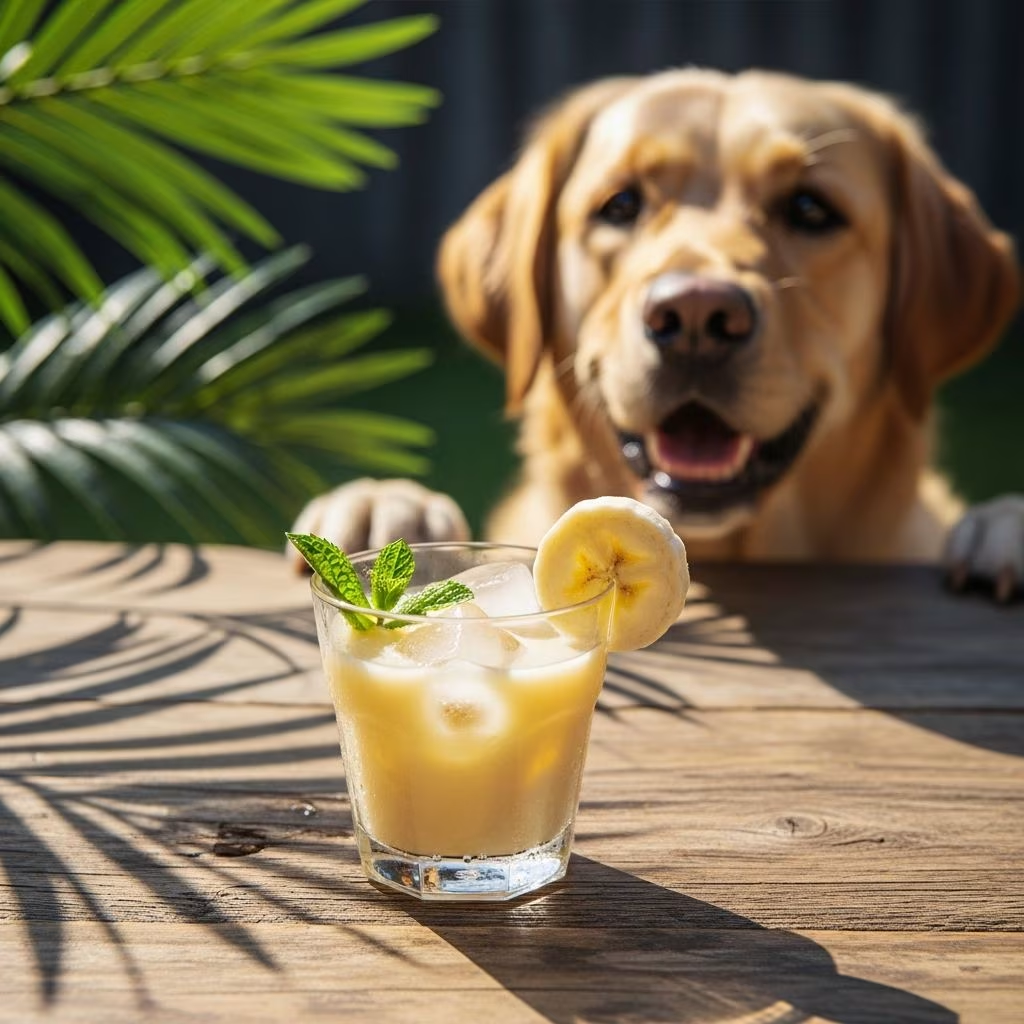
Refreshing Dog Colada Recipe: A Perfect Summer Treat for Your Furry Friend
As the warm weather approaches, finding creative ways to keep your beloved canine companion cool and hydrated becomes increasingly important. One delightful solution that combines nutrition, hydration, and pure fun is the refreshing dog colada recipe. This homemade frozen treat is not only easy to prepare but also packed with ingredients that your dog will love. Unlike commercial treats loaded with artificial preservatives and sugars, this DIY dog colada allows you to control exactly what goes into your pup’s snack, ensuring it’s both safe and nutritious.
The dog colada represents the perfect fusion of tropical refreshment and canine nutrition. Whether you’re planning a summer backyard gathering, looking for relief during a heat wave, or simply wanting to surprise your four-legged friend with something special, this recipe delivers satisfaction on multiple levels. The beauty of this treat lies in its simplicity—requiring just a handful of ingredients that you likely already have in your kitchen.
Understanding the Benefits of Homemade Dog Treats
Before diving into the specifics of the dog colada recipe, it’s worth understanding why homemade treats offer distinct advantages over store-bought alternatives. When you prepare treats in your own kitchen, you maintain complete transparency about every ingredient that enters your dog’s body. This control is particularly valuable for dogs with sensitive stomachs, allergies, or dietary restrictions.
Homemade dog treats also tend to be fresher, lacking the preservatives and artificial additives common in commercial pet foods. Additionally, the act of making treats at home can be both cost-effective and emotionally rewarding, strengthening the bond between you and your furry companion as you prepare something special tailored to their preferences.
Ingredients for the Refreshing Dog Colada
Creating the perfect dog colada requires gathering specific ingredients that work together to create a hydrating, nutritious, and delicious frozen treat. Here’s what you’ll need:
- 8 ice cubes — Forms the frozen base of the treat, ensuring it stays cool
- 1 cup coconut water — Provides natural hydration and electrolytes without added sugars
- 1/4 cup goat yogurt — Offers probiotics and protein for digestive health
- 1/3 cup mashed carrots — Adds vitamins, minerals, and natural sweetness
- One large carrot — Serves as an attractive and functional garnish
- Optional: A small amount of unsweetened coconut flakes — Adds tropical flavor and additional health benefits
Each ingredient has been carefully selected not just for flavor, but for the nutritional benefits it brings to your dog’s diet. Coconut water, for instance, contains natural electrolytes that help maintain proper hydration levels, making it particularly valuable during hot weather months.
Step-by-Step Instructions for Preparation
Step 1: Gather and Prepare Your Ingredients
Begin by assembling all your ingredients in one location. Ensure the coconut water is unsweetened and preferably organic. The goat yogurt should be plain without added sugars or artificial sweeteners. If using fresh carrots, wash them thoroughly under running water to remove any dirt or pesticides.
Step 2: Blend the Base Mixture
Add the ice cubes, coconut water, goat yogurt, and mashed carrots to your blender. If you prefer a thicker consistency, use fewer ice cubes; for a thinner, more liquid mixture, add additional coconut water. Blend on medium speed until all ingredients are thoroughly combined and the mixture achieves a smooth, slushie-like consistency.
Step 3: Pour Into Serving Containers
Once blended, carefully pour the mixture into dog-safe bowls or treat molds. If you’re making popsicles, use silicone molds and insert sticks or simply freeze the mixture in ice cube trays for portion-controlled treats.
Step 4: Garnish and Freeze
Place the large carrot stick as a garnish in the center of each bowl or mold. If desired, sprinkle a small amount of unsweetened coconut flakes on top. Place in the freezer for at least two hours, or until the mixture is completely frozen and firm.
Step 5: Serve and Enjoy
Remove from the freezer and serve immediately. You can present it as a frozen slushie in a bowl, as popsicles, or as ice cubes depending on how you froze the mixture. Supervise your dog while eating to ensure they enjoy it safely.
Nutritional Benefits of Each Ingredient
Coconut Water: Nature’s Electrolyte Drink
Coconut water stands out as one of the most hydrating ingredients available in nature. Unlike regular water, unsweetened coconut water contains essential electrolytes including potassium, sodium, and magnesium. These minerals help maintain proper cellular function, support nerve transmission, and aid in muscle contraction. During hot weather or after exercise, coconut water helps replenish lost fluids more effectively than plain water alone.
Goat Yogurt: Probiotic Powerhouse
Goat yogurt provides beneficial probiotics that support your dog’s digestive system. These friendly bacteria promote a healthy gut microbiome, which is essential for nutrient absorption and immune system function. Unlike some dairy products that can upset sensitive dog stomachs, goat yogurt is generally more easily digestible. It also provides protein necessary for muscle maintenance and repair.
Carrots: Crunchy Nutritional Boost
Mashed carrots contribute significant nutritional value to the dog colada. Rich in beta-carotene, a precursor to vitamin A, carrots support eye health and immune function. They also provide fiber for digestive health and natural sweetness that dogs find appealing. The carrot garnish serves a dual purpose: it’s both decorative and functional, offering a safe chewing outlet.
Ice: Temperature and Texture Control
The ice cubes serve more than just a cooling function. They create a refreshing frozen texture that slows consumption, allowing your dog to savor the treat longer while preventing brain freeze or stomach shock from consuming something too cold too quickly.
Safety Considerations and Ingredient Warnings
Ingredients to Absolutely Avoid
When preparing any dog treat, avoid ingredients that are toxic to canines. Never use whipped cream containing xylitol or birch sugar, as these sweeteners are extremely toxic to dogs and can cause severe health complications. Avoid any coconut products containing added sugars or artificial sweeteners. Never include chocolate, grapes, raisins, or onions, all of which are toxic to dogs.
Portion Control
While nutritious, the dog colada should be given as an occasional treat, not a meal replacement. For small dogs, one or two ice cube portions are sufficient. Medium to large dogs can typically enjoy a full bowl. Always monitor your dog’s weight and adjust treat portions accordingly to prevent obesity.
Individual Allergies and Sensitivities
Even with safe ingredients, individual dogs may have sensitivities. Some dogs are sensitive to coconut products, while others may have dairy sensitivities even to goat yogurt. Introduce the dog colada gradually in small amounts, observing your dog for any signs of digestive upset, itching, or allergic reactions. If your dog has known food allergies, consult with your veterinarian before introducing this treat.
Variations and Creative Twists
Tropical Pineapple Version
Replace mashed carrots with fresh chopped pineapple to create a more traditional tropical flavor. Pineapple provides bromelain enzyme, which aids digestion. Ensure any pineapple used is fresh and unsweetened, without the acidic core that can upset sensitive stomachs.
Green Smoothie Variation
Add dog-safe leafy greens like spinach or kale to the mixture for additional vitamins and minerals. Start with small amounts, as some dogs find the taste challenging. You can mask the green flavor by blending with more sweet-tasting carrots or pumpkin.
Berry Blast Combination
Include dog-safe berries such as blueberries or strawberries for additional antioxidants. These berries are safe for dogs and provide valuable phytonutrients that support overall health and longevity.
Peanut Butter Protein Boost
Mix in a small amount of unsalted, xylitol-free peanut butter to increase protein content and appeal. This variation appeals to many dogs and adds creamy texture to the treat.
Storage and Shelf Life
Properly storing your dog colada ensures it remains fresh and safe for consumption. Frozen dog colada treats can be stored in the freezer for up to three weeks when kept in airtight containers or freezer bags. Label containers with the date prepared to keep track of freshness. If you’ve prepared the mixture but haven’t frozen it yet, store it in the refrigerator and consume within 24 hours. Never refreeze thawed treats, as this can promote bacterial growth.
When to Serve Your Dog Colada
The dog colada shines particularly during specific situations and seasons. Serve this refreshing treat during hot summer months when your dog needs extra hydration support. Offer it after exercise or play sessions when your pup needs electrolyte replenishment. Consider serving it when your dog seems sluggish from heat or when you want to introduce something special for a celebration or training reward.
The treat is particularly valuable for senior dogs, puppies, and dogs recovering from illness who need extra hydration and nutritional support. However, always consult with your veterinarian before introducing new treats if your dog has existing health conditions.
Frequently Asked Questions About Dog Colada Treats
Q: Can I make dog colada treats if my dog is lactose intolerant?
A: Yes, you can substitute goat yogurt with lactose-free alternatives. Consider using coconut milk (unsweetened) or almond milk (unsalted) instead. However, confirm the substitute is dog-safe with your veterinarian first.
Q: How long does it take to freeze the dog colada?
A: Typically, the dog colada requires two to four hours to freeze completely, depending on your freezer temperature and the thickness of the mixture. Overnight freezing ensures firm, scoopable treats.
Q: Can puppies have dog colada treats?
A: Yes, puppies can enjoy dog colada treats in smaller portions. However, ensure they can chew safely and won’t choke on frozen pieces. Consider softer versions or allowing treats to thaw slightly before serving to young puppies.
Q: Is coconut water really necessary, or can I use regular water?
A: While regular water works, coconut water provides additional electrolytes and nutrients that regular water lacks. However, if coconut water isn’t available, unsweetened broth or plain water is an acceptable substitute.
Q: How often can I give my dog colada treats?
A: Dog colada treats should be offered as occasional treats, ideally no more than 2-3 times weekly. They should never replace regular meals or exceed 10% of your dog’s daily caloric intake.
Q: Can I use canned pumpkin instead of carrots?
A: Absolutely. Plain canned pumpkin (without spices) is an excellent alternative that provides similar nutritional benefits and may appeal to some dogs even more than carrots.
Conclusion: Creating Moments of Joy Through Nutrition
The refreshing dog colada recipe represents more than just a frozen treat—it’s an expression of care and commitment to your dog’s wellbeing. By preparing this homemade recipe, you’re taking control of your dog’s nutrition, avoiding potentially harmful preservatives and additives, and creating memories of special moments with your furry companion. Whether served on a sweltering summer day or as a special training reward, the dog colada delivers refreshment, nutrition, and joy in every frozen bite. Start making this simple yet delightful treat today and watch your dog’s tail wag in appreciation.
References
- Coconut Water as a Rehydration Beverage: Clinical Evidence — Journal of the International Society of Sports Nutrition. 2021-03-15. https://jissn.biomedcentral.com/
- The Role of Probiotics in Pet Nutrition and Digestive Health — American Veterinary Medical Association. 2023-06-20. https://www.avma.org/
- Xylitol Toxicity in Dogs: Clinical Signs and Management — Veterinary Toxicology Review. 2022-11-10. https://www.aspca.org/pet-care/animal-poison-control
- Bromelain and Digestive Enzyme Activity in Pineapple — University of California Davis School of Veterinary Medicine. 2023-02-28. https://www.vetmed.ucdavis.edu/



