

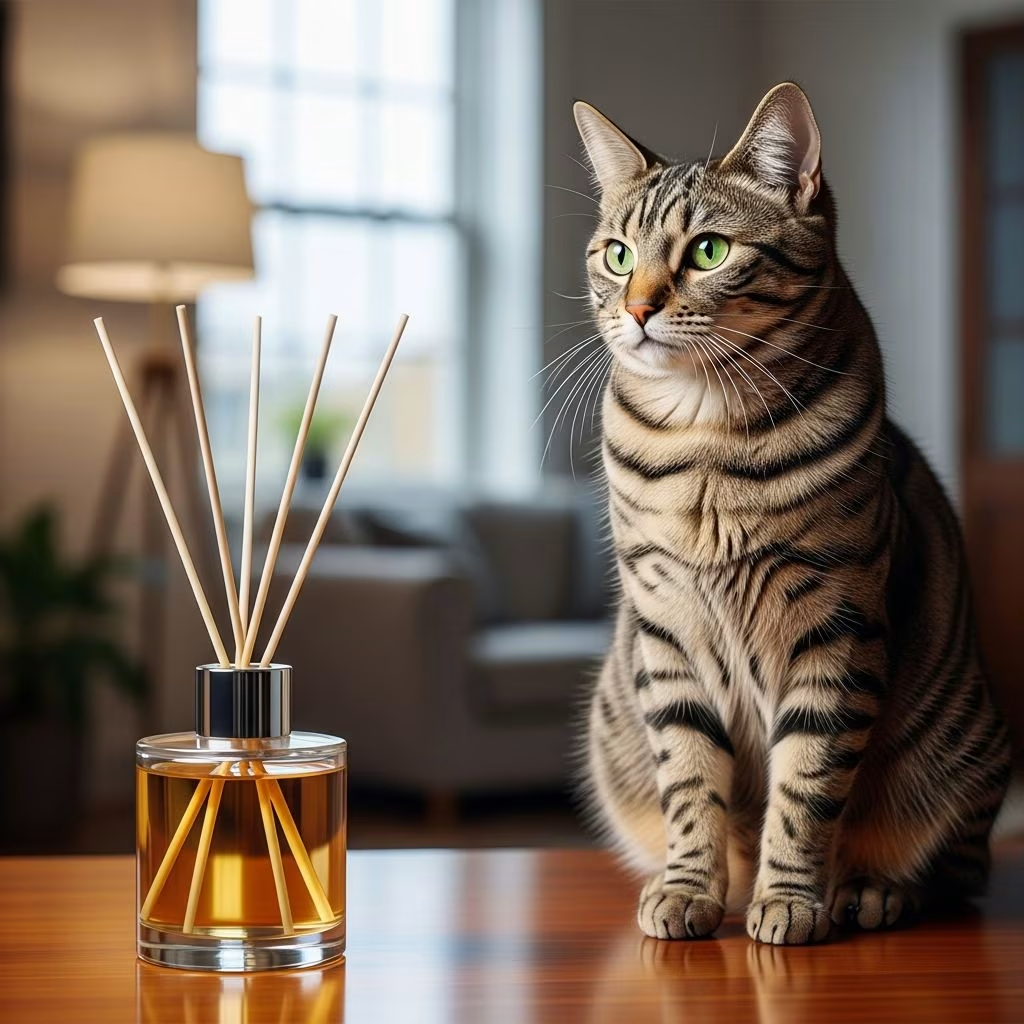
Reed diffusers offer a subtle way to scent homes without flames or plugs, but cat owners must weigh their benefits against potential health risks to felines. While the diffuser vessels pose minimal threat, the aromatic compounds they release—primarily essential oils—can endanger cats due to their unique physiology.
Understanding Reed Diffusers and Feline Vulnerabilities
Reed diffusers work by capillary action: porous reeds draw liquid from a container, allowing volatile scents to evaporate slowly into the air. This passive method avoids heat or mist, distinguishing it from ultrasonic or nebulizing devices that disperse finer particles. Cats, however, process many plant-derived compounds differently from humans and dogs. Lacking key liver enzymes like glucuronyl transferase, felines struggle to break down phenols, terpenes, and other molecules abundant in essential oils. Inhalation, skin contact, or grooming off fur-deposited residues can lead to toxin buildup, potentially causing liver strain, respiratory issues, or neurological effects.
Exposure routes include airborne vapors settling on fur, direct spills from knocked-over units, or curiosity-driven knocks. Even diluted oils in well-ventilated spaces warrant caution, as prolonged low-level contact accumulates over time.
Toxic Essential Oils to Avoid Around Cats
Certain oils pose acute dangers due to high concentrations of hepatotoxic or neurotoxic components. Veterinary toxicologists highlight these as high-risk:
- Tea tree (Melaleuca alternifolia): Contains terpinen-4-ol, causing ataxia, tremors, and coma even in tiny doses.
- Peppermint: Menthol irritates mucous membranes and overwhelms feline metabolism.
- Eucalyptus: 1,8-cineole triggers salivation, vomiting, and hypothermia.
- Cinnamon: Cinnamaldehyde provokes gastrointestinal upset and oral burns.
- Clove: Eugenol leads to liver failure in small ingestions.
- Wintergreen: Methyl salicylate mimics aspirin overdose symptoms.
- Ylang ylang: Linalool induces depression and weakness.
- Pennyroyal: Pulegone damages liver and induces seizures.
- Lemon and other citrus: Limonene causes dermatitis and drooling.
- Basil: Estragole poses carcinogenic risks in accumulation.
These oils remain hazardous regardless of dilution if accessible. Always scrutinize labels for pure essential oils versus fragrance blends, as synthetic mimics may carry undisclosed risks.
Potentially Safer Oils and Usage Guidelines
No essential oil is entirely risk-free for cats, but some exhibit lower toxicity profiles when highly diluted and used sparingly. Veterinary sources suggest limited exposure to:
- Lavender (Lavandula angustifolia): Mild sedative in vapors, but avoid direct contact.
- Frankincense: Boswellic acids support anti-inflammatory effects without strong irritants.
- Chamomile: Apigenin offers calming properties at trace levels.
To minimize harm:
- Dilute oils to under 1% concentration with carrier bases like fractionated coconut oil or water.
- Position diffusers high on shelves, away from jumping paths and litter zones.
- Ensure room ventilation; open windows or use exhaust fans during operation.
- Limit runtime to 1-2 hours daily, monitoring for behavioral shifts.
- Opt for reed diffusers over misters, as they release vapors gradually without droplets that cling to fur.
| Diffuser Type | Risk Level for Cats | Why? |
|---|---|---|
| Reed (Passive) | Low | Slow evaporation; no aerosols or heat-altered compounds. |
| Ultrasonic/NeBULizing | High | Fine mists deposit on fur, increasing ingestion risk via grooming. |
| Heat/Warm | Medium-High | Alters oil chemistry, producing more volatile toxins. |
Recognizing and Responding to Exposure Symptoms
Early detection prevents escalation. Watch for:
- Mild signs: Excessive pawing at mouth, drooling, sneezing, watery eyes.
- Moderate: Vomiting, diarrhea, lethargy, wobbling gait.
- Severe: Seizures, labored breathing, coma—emergencies requiring immediate vet care.
If suspected, isolate the cat from the scent source, rinse fur with mild dish soap (diluted Dawn for oils), and withhold food briefly. Contact a vet or pet poison hotline promptly; provide oil details, exposure duration, and symptoms. Activated charcoal or IV fluids may be needed for detoxification.
Pet-Safe Alternatives for Home Fragrancing
For worry-free freshness, consider cat-compatible options:
- Baking soda absorbers: Neutralize odors in litter boxes or closets without volatiles.
- Herbal sachets: Dried lavender or cedar in breathable pouches—refresh monthly.
- Vinegar sprays: White vinegar diluted 1:1 with water cuts through smells naturally.
- Potpourri with safe botanicals: Rose petals, calendula—non-oily and low-volatility.
- HEPA air purifiers: Circulate clean air, trapping allergens and odors mechanically.
- Simmer pots: Boil catnip, apple peels, or rosemary in water—ventilate well.
These methods sidestep chemical risks entirely, promoting a harmonious household.
Veterinary Perspectives on Aromatherapy and Pets
Experts from organizations like the BC SPCA emphasize avoiding diffusers in homes with birds, asthmatic cats, or grooming-heavy breeds. Aerosolized oils heighten risks for respiratory-compromised pets, with rising toxicity calls linked to wellness trends. ASPCA Animal Poison Control notes phenols and monoterpenes as top culprits, urging carrier dilution and avoidance of ‘natural’ labels as safety guarantees. Holistic vets advocate behavioral enrichment over scents, like puzzle feeders, to reduce stress-induced marking.
FAQs: Common Questions on Reed Diffusers and Cat Safety
Are all reed diffusers unsafe for cats?
No, but only those with vetted, ultra-diluted oils in secure locations. Prioritize passive over active types.
Can cats build tolerance to essential oil scents?
Unlikely; repeated low-dose exposure risks cumulative liver burden without adaptation.
What if my cat knocks over a diffuser?
Wipe surfaces immediately, bathe the cat gently, and seek vet advice if symptoms appear.
Are synthetic fragrance diffusers safer?
Often not; they may contain phthalates or undisclosed volatiles irritating to felines.
How do I choose cat-safe products?
Look for pet-specific labels, third-party testing, and vet endorsements; err toward unscented.
Creating a Balanced, Scented Cat Haven
Balancing human desires for ambiance with feline welfare demands informed choices. Test new diffusers in isolation first, observing reactions over days. Regular home cleaning curbs odor sources at roots, like frequent litter scooping and laundry. Consult your vet for personalized advice, especially with multi-pet or health-challenged households. Ultimately, a scent-free or minimally scented environment prioritizes your cat’s innate sensitivity, fostering trust and vitality.
References
- Safety alert! The dangers of essential oils and pets — BC SPCA. 2023-05-15. https://spca.bc.ca/news/aromatherapy-pets/
- What to Know About the Risks of Essential Oils for Cats — WebMD. 2024-08-20. https://www.webmd.com/pets/cats/risks-of-essential-oils-for-cats
- Are Oil Diffusers Safe for Cats? — ASPCA (via referenced guidelines). 2023-11-10. https://www.aspca.org/pet-care/animal-poison-control/people-foods-avoid-feeding-your-pets/essential-oils-cats
- Toxicity of Essential Oils in Cats — Pet Poison Helpline. 2025-02-14. https://www.petpoisonhelpline.com/pet-tips/essential-oils-and-cats/
- Essential Oils and Pets: Veterinary Toxicology Review — JAVMA (Journal of the American Veterinary Medical Association). 2024-06-01. https://avmajournals.avma.org/view/journals/javma/262/7/javma.23.12.0692.xml



