

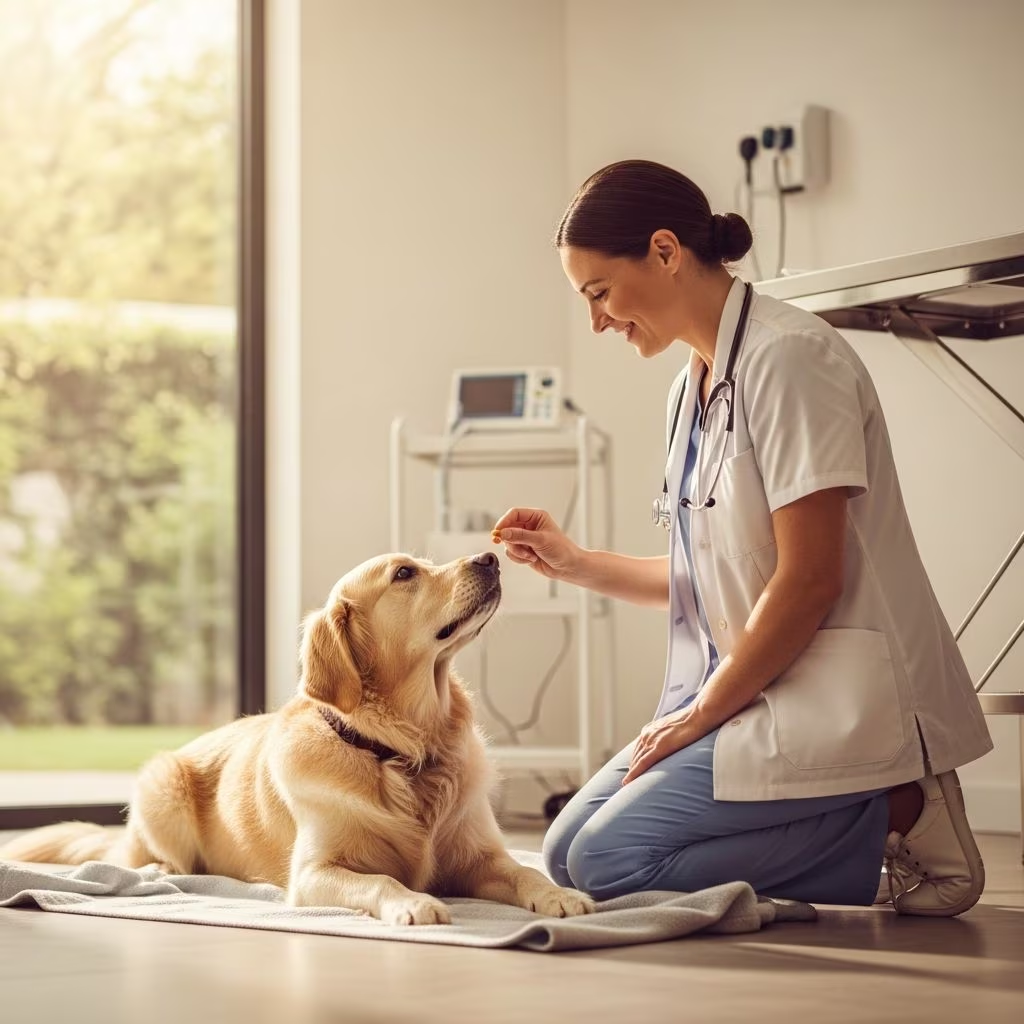
Veterinary visits represent one of the most challenging experiences for many dogs and their owners. What should be a routine health checkup often transforms into a stressful ordeal characterized by trembling, excessive drooling, or attempts to escape. The anxiety your dog experiences during these visits isn’t simply an inconvenience—it can actually interfere with your veterinarian’s ability to conduct a thorough examination and provide quality medical care. Understanding the root causes of this anxiety and implementing targeted strategies can significantly improve your dog’s experience and your own peace of mind.
Understanding Canine Stress Responses at the Veterinary Clinic
Dogs experience anxiety during veterinary visits for multiple interconnected reasons. The unfamiliar environment, strange sounds, and unfamiliar people all contribute to a heightened state of alert. Additionally, veterinary procedures often involve physical handling and touching in ways that dogs don’t encounter in their daily lives. The anxiety isn’t a character flaw in your dog—it’s a natural response to an environment that feels unpredictable and potentially threatening from a canine perspective.
Recognizing the signs of stress in your individual dog is the first critical step in addressing the problem. Different dogs display anxiety in different ways. Some may display obvious signs like panting, pacing, or attempts to hide. Others might become unusually quiet or unresponsive. By learning to read your dog’s specific body language and behavioral patterns, you gain valuable insight into their emotional state and can adjust your approach accordingly.
Importantly, your own emotional state directly influences your dog’s anxiety levels. Dogs are remarkably perceptive animals that pick up on subtle cues from their owners. If you approach the veterinary visit feeling anxious or uncertain, your dog will sense this tension and their anxiety will likely intensify. Maintaining a calm, confident demeanor—even when you’re feeling worried about your dog’s health—helps create a more relaxed atmosphere that your dog can respond to positively.
Building Positive Associations With Veterinary Environments
One of the most effective long-term strategies for reducing veterinary anxiety involves changing how your dog thinks about the clinic itself. If your dog only visits the veterinary office when receiving vaccinations or undergoing medical procedures, they naturally begin associating the location with uncomfortable or even painful experiences. This creates a self-reinforcing cycle where anxiety increases with each visit.
Implementing what many veterinary professionals call “happy visits” can systematically break this negative association. Happy visits are short, low-pressure trips to the veterinary clinic where your dog experiences positive interactions without any medical procedures taking place. During these visits, your dog might simply enter the office, receive treats from the staff, and leave after a few minutes. The veterinary team plays a crucial role in these visits by offering praise, treats, and gentle attention.
The cumulative effect of multiple happy visits gradually reframes the veterinary office in your dog’s mind. Instead of automatically triggering anxiety, the clinic becomes associated with positive experiences and rewards. This doesn’t eliminate all nervousness—many dogs will still feel some apprehension—but it provides a foundation of positive memories that makes the actual medical visits considerably less frightening.
Gradual Desensitization and Counterconditioning Protocols
Beyond environmental conditioning, desensitization specifically targets your dog’s anxiety about physical handling and examination procedures. Veterinary exams typically involve touching the dog’s paws, ears, mouth, and abdomen in ways that many dogs find uncomfortable or unfamiliar. When these sensations catch your dog completely off guard at the clinic, they intensify the overall anxiety response.
Implementing a structured desensitization program at home involves regularly and gently handling your dog’s sensitive areas during relaxed moments. Start by touching your dog’s paws for just a second or two while immediately offering a high-value reward—perhaps a piece of chicken or a favorite treat. Gradually extend the duration of handling as your dog becomes more comfortable. Over time, practice lifting your dog’s paws to simulate the lifting that happens during examinations, again paired with rewards.
Extend this training to your dog’s ears, mouth, and other areas commonly examined by veterinarians. If your dog is small enough to be lifted onto an examination table, practice lifting them onto household furniture that approximates an exam table’s height. This familiarization process means that when the veterinarian performs these same handling procedures during an actual visit, your dog has already learned that these sensations are non-threatening and often precede rewards.
The key to successful desensitization is proceeding at your dog’s pace. If your dog shows resistance by pulling away or tensing up, you’ve moved too quickly. Step back and work with smaller increments of time or less intensive handling. Forcing your dog to accept unwanted touch only reinforces their anxiety and erodes their trust. When your dog willingly participates and remains calm, they’re learning that these experiences are manageable and even positive.
Managing Transportation and Pre-Visit Stress
For many dogs, the anxiety associated with veterinary visits doesn’t begin at the clinic—it starts during the car ride. If your dog only gets into the car when heading to the veterinarian, they quickly learn to associate vehicle rides with stressful medical experiences. This pre-visit anxiety can prime your dog’s stress response, making them already tense before they even arrive at the clinic.
Breaking this association requires deliberately creating positive car experiences. Take your dog on short, enjoyable drives to pleasant destinations—perhaps a dog-friendly park, a friend’s house, or anywhere that provides a rewarding experience. These drives should be separate from veterinary appointments. By establishing that car rides sometimes lead to fun adventures, you remove the automatic negative association.
During the drive to the veterinarian, employ specific calming strategies. Play soft, calming music designed for dogs, as research has shown that specifically composed dog-calming music can reduce stress responses. Ensure your dog is securely restrained but comfortable—either in a properly fitted harness, carrier, or safety gate. Some dogs find comfort in familiar items like their favorite blanket or toys. Offering occasional treats during the drive can also help maintain a positive association.
The Role of Environmental Factors at the Clinic
When selecting a veterinary practice or evaluating your current veterinarian’s approach, inquire about their protocols for managing fearful patients. Many modern veterinary clinics subscribe to specific training programs like Fear Free® or Low Stress Handling® that prioritize creating behavior-friendly environments. These programs emphasize using minimal physical restraint, recognizing that excessive restraint often increases anxiety rather than decreasing it.
Clinics committed to fear-based medicine often implement environmental modifications that reduce stress triggers. These might include playing calming background music, maintaining appropriate lighting levels, using separate waiting areas for anxious pets, and allowing dogs to remain on the floor during examinations rather than forcing them onto elevated tables where they feel more vulnerable and exposed. Some facilities use pheromone diffusers or apply aromatherapy techniques to create a more soothing atmosphere.
The approach your veterinary team takes toward handling and communication also significantly impacts your dog’s experience. Teams trained in low-stress handling use gentle techniques, allow dogs choices about participation when safe, and take frequent breaks if a dog becomes overwhelmed. They read the dog’s body language continuously and adjust their approach based on the dog’s responses rather than proceeding with rigid protocols regardless of the animal’s emotional state.
Pharmaceutical Options for Anxiety Management
For dogs with significant or persistent anxiety, veterinary-prescribed anti-anxiety medications can provide valuable support. Multiple medication classes have demonstrated effectiveness in reducing acute situational fear and anxiety related to veterinary visits. These medications work through different mechanisms but share the goal of helping your dog feel calmer and more relaxed during the appointment.
Common pre-visit medications include gabapentin, which reduces anxiety and can provide mild sedation; trazodone, an anti-anxiety medication that promotes relaxation; oral transmucosal dexmedetomidine, which blocks the arousal phase of distress and anxiety; and alprazolam, which has been used to reduce both anticipatory and acute anxiety in veterinary settings. Each medication has different onset times, duration of action, and potential side effects.
The critical timing consideration for pre-visit medications cannot be overstated. These medications should be administered at home, in your dog’s familiar environment, several hours before the veterinary appointment. Giving medication after your dog is already anxious is largely ineffective—the dog’s stress response can override the medication’s calming effects. When administered at home in a relaxed environment, the medication has time to take effect, and your dog arrives at the clinic already in a calmer state of mind.
It’s important to understand that anti-anxiety medication works most effectively when combined with behavioral modification techniques. The medication addresses the immediate anxiety response, making your dog more receptive to positive experiences and training. However, the medication alone doesn’t retrain your dog’s emotional response to veterinary situations. Pairing pharmaceutical support with desensitization, environmental management, and happy visits creates a comprehensive approach that produces lasting improvements.
Behavioral Training and Professional Support
Implementing a comprehensive desensitization program requires consistency and proper technique. If you’re uncertain how to begin or if your dog isn’t responding to your initial efforts, consulting with a qualified, humane dog trainer or veterinary behaviorist can provide valuable guidance. These professionals can assess your dog’s specific anxiety triggers and create a customized protocol tailored to your dog’s individual temperament and history.
Veterinary behaviorists bring specialized training in recognizing and addressing anxiety disorders in animals. They can differentiate between normal nervousness and clinical anxiety disorders and recommend appropriate treatment plans that might combine behavioral techniques with pharmaceutical interventions. Their expertise is particularly valuable for dogs with severe anxiety or those who haven’t responded to standard desensitization approaches.
Professional support can also help you avoid common training mistakes that might inadvertently worsen your dog’s anxiety. For example, offering excessive reassurance when your dog is anxious can actually reinforce anxious behavior by communicating that there really is something to worry about. A knowledgeable trainer can guide you toward techniques that encourage calm behavior rather than rewarding anxiety responses.
Comprehensive Preparation Checklist
Successfully managing your dog’s veterinary anxiety requires attention to multiple factors. Consider this comprehensive approach:
- Schedule an appointment with your veterinarian to discuss your dog’s anxiety and explore whether pre-visit medications might be appropriate for your individual dog
- Ask your veterinary team about their training in fear-free or low-stress handling protocols
- Implement happy visits to the clinic on a regular basis, separate from actual medical appointments
- Begin desensitization training at home, gradually accustoming your dog to handling in sensitive areas
- Practice lifting your dog onto furniture similar to an examination table, paired with rewards
- Create positive associations with car rides by taking your dog on enjoyable trips unrelated to veterinary visits
- Use calming music and comfortable restraints during the drive to the clinic
- Maintain a calm, confident demeanor throughout the preparation period and during the actual appointment
- If appropriate, ask about receiving anti-anxiety medication to administer at home before the appointment
- Consider consulting with a qualified trainer or veterinary behaviorist if your dog’s anxiety is severe or not responding to standard techniques
Long-Term Perspectives and Realistic Expectations
It’s important to recognize that the goal of these interventions isn’t necessarily to eliminate all fear or anxiety during veterinary visits. For some dogs, a degree of apprehension is simply part of their temperament and may never be completely overcome. However, with consistent implementation of these strategies, you can transform veterinary visits from traumatic experiences into manageable situations that your dog can tolerate with significantly less distress.
Progress with anxiety reduction typically happens gradually. You may notice improvements across several visits before seeing major changes. Some dogs respond quickly to desensitization and environmental modifications, while others require months of consistent practice. This variability reflects the complex nature of canine anxiety and the importance of tailoring your approach to your individual dog.
The payoff for this investment extends far beyond making the veterinary visit itself less stressful. Dogs who experience chronic stress during medical appointments can develop health complications from the prolonged stress response. By reducing your dog’s anxiety during veterinary care, you’re supporting not only their emotional wellbeing but also their overall physical health and their ability to receive appropriate medical care when needed.
References
- A review of pre-appointment medications to reduce fear and anxiety in dogs and cats related to veterinary visits — National Center for Biotechnology Information (NCBI). 2022. https://pmc.ncbi.nlm.nih.gov/articles/PMC8360309/
- How to make veterinary visits less stressful for dogs — Cornell University College of Veterinary Medicine, Riney Canine Health Center. https://www.vet.cornell.edu/departments-centers-and-institutes/riney-canine-health-center/canine-health-topics/how-make-veterinary-visits-less-stressful-dogs
- Reducing Fear of Veterinary Visits for Dogs — VCA Animal Hospitals. https://vcahospitals.com/know-your-pet/reducing-fear-of-veterinary-visits-for-dogs
- How to prepare your pet for a low-stress vet visit — Colorado State University College of Veterinary Medicine and Biomedical Sciences. https://cvmbs.source.colostate.edu/how-to-prepare-your-pet-for-a-low-stress-vet-visit/
- Separation Anxiety and Vet Visits: How to Manage Your Dog’s Stress — Allied Animal Healthcare. https://www.alliedanimalhealthcare.com/blog/separation-anxiety-and-vet-visits-how-to-manage-your-dogs-stress.html



