
Reducing Anesthesia Risks in Pets
Discover proven strategies to minimize anesthesia dangers for dogs and cats, ensuring safer veterinary procedures.
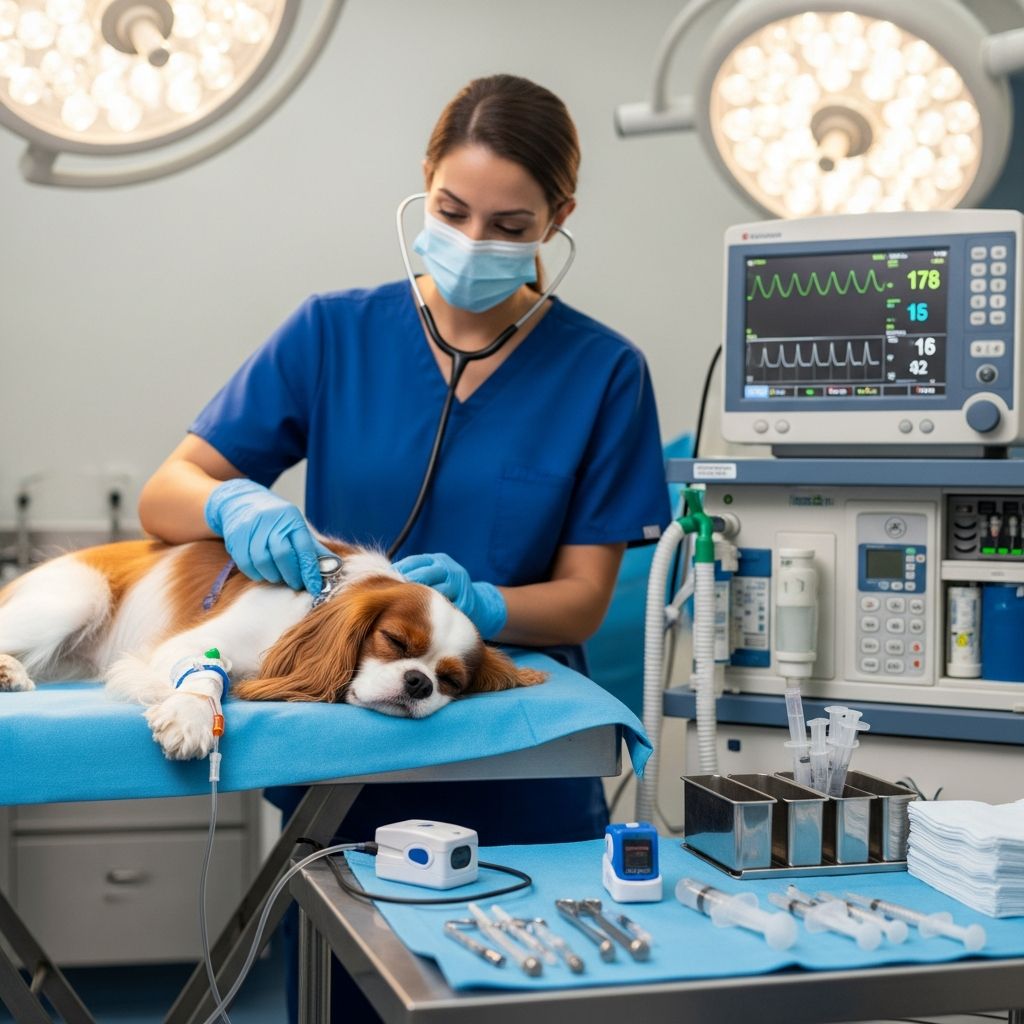
Anesthesia enables vital veterinary procedures for dogs and cats, but understanding and mitigating its risks is crucial for pet owners and veterinarians alike. Modern protocols have significantly lowered complications, yet targeted precautions remain essential for optimal outcomes.
Understanding Anesthesia Mortality Rates
Contemporary veterinary data reveals low overall mortality from anesthesia in companion animals. For healthy dogs, the anesthetic-related death risk stands at approximately 0.05%, while for healthy cats it is around 0.11%. These figures rise in ill patients, reaching 1.33% for dogs and 1.40% for cats, underscoring the impact of pre-existing conditions.
Cardiovascular and respiratory issues dominate as causes, accounting for 74% of dog deaths and 72% of cat deaths under anesthesia. Human factors, such as equipment errors like closed pressure relief valves, also contribute, emphasizing the need for rigorous training and protocols.
Patient Factors Influencing Safety
Several inherent traits elevate anesthesia vulnerability. Extremes in body size pose challenges: small dogs under 5kg face an eightfold higher mortality risk, potentially due to hypothermia, dosing inaccuracies, or mask induction difficulties. Similarly, obese cats experience heightened respiratory compromise from fat impeding diaphragmatic movement.
Age plays a pivotal role; senior cats over 12 years are twice as likely to succumb compared to younger ones aged 6 months to 5 years, independent of health status. Brachycephalic breeds, including Bulldogs, Pugs, and Persian cats, suffer from narrowed airways and elongated soft palates, complicating oxygen delivery.
| Factor | Dogs | Cats |
|---|---|---|
| Healthy Mortality | 0.05% | 0.11% |
| Sick Mortality | 1.33% | 1.40% |
| High-Risk Groups | Small breeds, seniors | Obese, brachycephalic, seniors |
Pre-Anesthetic Preparation Essentials
Thorough assessment begins with accurate weighing to prevent drug overdoses, particularly in small patients. Bloodwork, including complete blood counts and chemistry panels, identifies organ dysfunction early. For seniors or those with murmurs, echocardiography detects hidden cardiac issues.
Fasting protocols mitigate regurgitation risks by emptying the stomach, as sedated pets lose swallowing reflexes. Owners should disclose full medical histories, including prior reactions, to tailor plans. Elective procedures allow time to stabilize conditions like dehydration or infections beforehand.
- Perform physical exams focusing on heart, lungs, and hydration.
- Conduct lab tests for kidney, liver, and electrolyte status.
- Optimize weight and treat underlying illnesses pre-op.
Advanced Monitoring During Procedures
Continuous surveillance prevents escalation of issues. Vital signs tracking includes heart rate adjusted for patient size, blood pressure to catch hypotension in cardiac cases, and temperature to combat hypothermia. Pulse oximetry ensures oxygenation, while capnography monitors end-tidal CO2 for respiratory adequacy.
Intravenous access facilitates fluid therapy and emergency drugs. For cats, precise fluid delivery via pumps avoids overload, as excessive administration paradoxically raised risks in studies. Intubation secures airways, especially critical in felines prone to obstruction.
Species-Specific Considerations
Dogs: Managing Size and Procedure Variables
Major surgeries and prolonged durations increase canine mortality. Mask inductions heighten risks 5.9-fold; prefer IV catheter placement despite challenges in tiny breeds. Post-op vigilance is key, as nearly half of deaths occur shortly after.
Cats: Airway and Fluid Precision
Cats exhibit higher baseline risks than dogs, even when healthy. Respiratory obstruction claims more feline lives, demanding vigilant airway management. Small statures complicate catheterization and intubation, while hypothermia impairs thermoregulation under anesthesia.
Unexpectedly, IV fluids correlated with elevated cat mortality, likely from overload; syringe pumps ensure accuracy. Obese individuals face compounded respiratory strain in dorsal positioning.
Recovery Phase Critical Care
Recovery harbors significant dangers, with 50% of small animal deaths within three hours post-anesthesia. Neuromuscular and respiratory failures predominate. Warm, quiet environments aid thermoregulation, as anesthesia disrupts hypothalamic responses.
Monitor for vomiting, a common minor effect resolving with rest. Severe reactions like edema or cardiac arrest are rare but demand immediate intervention. Extended observation in facilities with modern equipment enhances safety.
Modern Safety Enhancements
Survival exceeds 99% in healthy pets thanks to advancements. American Society of Anesthesiologists (ASA) status guides stabilization: ASA I (healthy) to ASA V (moribund). Drug selection considers patient factors; procainamide dosing for arrhythmias varies by species (dogs: 10 mg/kg IV bolus; cats: 1-2 mg/kg slow bolus).
Facilities employ multiparametric monitors, reducing human error. Preemptive hypotension plans for at-risk patients include fluid boluses or inotropes.
Breed Vulnerabilities and Tailored Approaches
Brachycephalic dogs (e.g., French Bulldogs, Shih Tzus) and cats (e.g., Exotic Shorthairs) need pre-oxygenation and minimal sedation before intubation. Genetic cardiac predispositions in some felines warrant ECG screening.
- Bulldogs: Extended intubation times.
- Persians: Airway stenting considerations.
- All: Maintain ideal body weight pre-op.
Owner Guidelines for Minimizing Risks
Choose clinics with certified anesthesiologists and equipment. Adhere to fasting (typically 12 hours food, 2-4 hours water for dogs; adjust for cats). Provide accurate histories and follow post-op care: withhold food initially, monitor for lethargy or tremors.
For emergencies, anesthesia risks pale against untreated threats. Healthy seniors tolerate it well with precautions.
Frequently Asked Questions
Is anesthesia safe for senior pets?
Yes, most healthy seniors undergo it without issues; risks tie more to procedure and health than age alone.
What are common side effects?
Sleepiness, shaking, and mild vomiting resolve quickly; severe reactions are exceptional.
How to prepare small breed dogs?
Ensure IV access, precise dosing, warming devices, and avoid mask induction.
Do cats need special fluid handling?
Yes, use pumps to prevent overload, as studies link fluids to higher risks.
Why monitor recovery closely?
Half of complications arise then, mainly respiratory or neuromuscular.
Conclusion
By integrating pre-op optimization, vigilant monitoring, and tailored protocols, veterinary teams drastically cut anesthesia risks. Informed owners partnering with skilled professionals ensure pets benefit safely from necessary interventions.
References
- How Safe is Anesthesia for Dogs and Cats? — ASPCApro. 2018. https://www.aspcapro.org/sites/default/files/wysiwyg-uploads/asna_reference_safe_anesthesia.pdf
- When Your Pet Needs Anesthesia — American Veterinary Medical Association (AVMA). 2023. https://www.avma.org/resources-tools/pet-owners/petcare/when-your-pet-needs-anesthesia
- Small Animal Anesthetic Complications — Today’s Veterinary Practice. 2022. https://todaysveterinarypractice.com/anesthesiology/small-animal-anesthetic-complications/
- Editorial: Anesthetic Risk and Complications in Veterinary Medicine — PMC (PubMed Central). 2020-07-01. https://pmc.ncbi.nlm.nih.gov/articles/PMC7373749/
- Risk of Anesthesia for Different Breeds — Noah Vets. 2024. https://www.noahvets.com/risk-of-anesthesia-for-different-breeds/
Similar Articles








Read full bio of Sneha Tete


