
Reducing Anesthesia Dangers in Pets
Discover proven strategies to lower anesthesia risks for dogs and cats, backed by veterinary studies and expert guidelines.
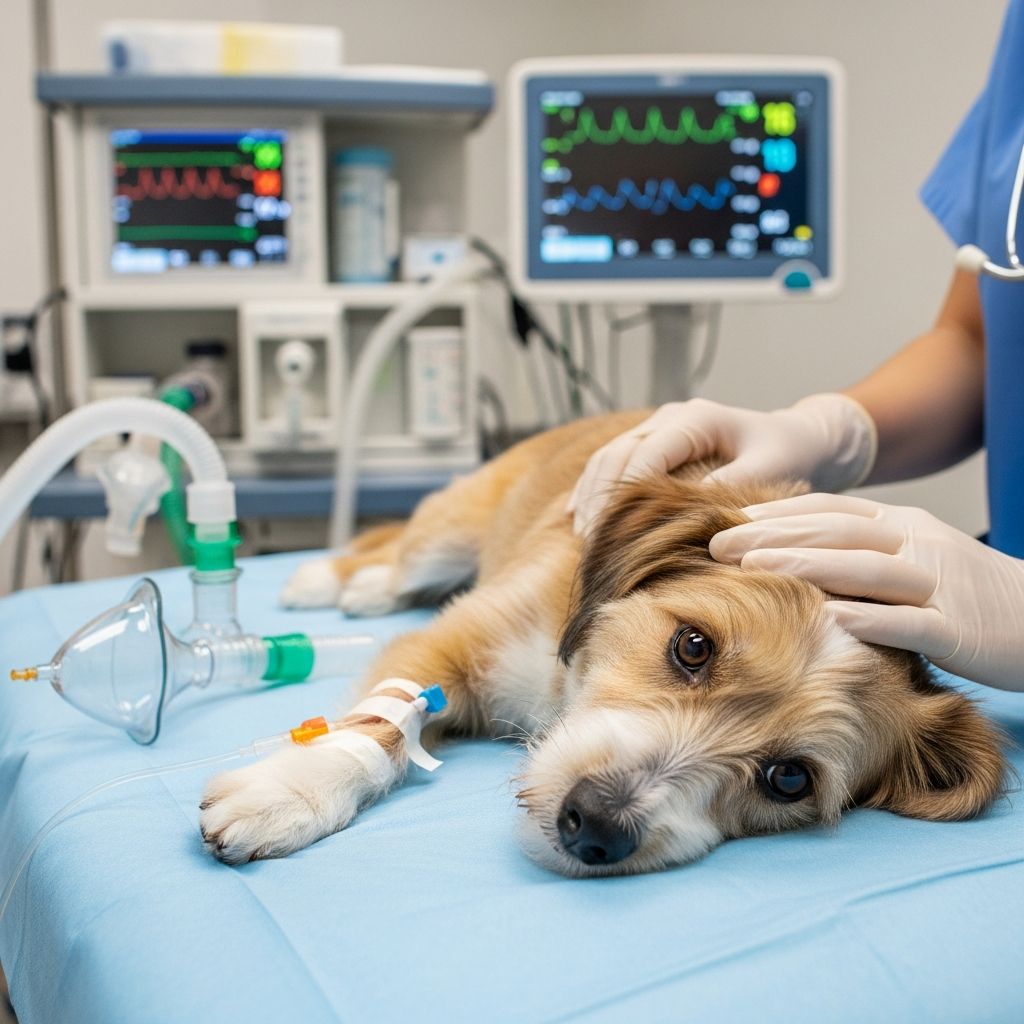
Anesthesia enables vital veterinary procedures for dogs and cats, but it carries inherent risks that can be minimized through careful planning and execution. Recent studies show anesthetic-related death rates as low as 0.05% in healthy dogs and 0.11% in healthy cats, with higher rates in sick animals at around 1.33-1.40%. Most complications arise post-operatively, particularly in the first three hours, often due to cardiovascular or respiratory issues.
Understanding the Core Risks Involved
Anesthesia affects the central nervous system, respiratory function, and cardiovascular stability, making prompt recognition crucial. In dogs and cats, over 70% of deaths link to these systems, with human factors like equipment errors contributing in some cases. Brachycephalic breeds face amplified dangers from airway restrictions, while extremes in age, size, or health status elevate vulnerability.
Post-anesthesia recovery proves the riskiest phase, accounting for 47% of dog deaths and 61% in cats. Hypotension, hypothermia, and arrhythmias demand vigilant monitoring to prevent escalation.
Patient Factors That Heighten Vulnerability
Certain traits predict higher complications. Small dogs under 5kg show eightfold mortality risk, possibly from dosing inaccuracies or hypothermia. Older pets, especially cats over 12 years, double their odds independent of overall health.
| Factor | Dogs | Cats |
|---|---|---|
| Healthy Mortality | 0.05% | 0.11% |
| Sick Mortality | 1.33% | 1.40% |
| Post-Op Death Share | 47% | 61% |
| Key Causes | Cardio/Respiratory (74%) | Cardio/Respiratory (72%) |
This table summarizes key statistics from large-scale surveys.
Pre-Procedure Preparation Essentials
Thorough assessment starts with the American Society of Anesthesiologists (ASA) status classification to gauge stability. Healthy patients (ASA I-II) tolerate anesthesia best, while sick ones (ASA III-V) require stabilization first.
- Bloodwork and Diagnostics: Check organ function via complete blood count, chemistry panels, and urinalysis to detect hidden issues like kidney disease or anemia.
- Physical Exam: Listen for heart murmurs, assess hydration, and evaluate breathing, especially in brachycephalics.
- Fasting Guidelines: Withhold food 8-12 hours pre-op to prevent aspiration, but allow water until 2 hours prior.
- Weight Management: Obese pets risk respiratory compromise; aim for ideal body condition.
For seniors or those with conditions, echocardiography or chest X-rays may uncover cardiac risks.
Advanced Monitoring During the Procedure
Continuous oversight forms the backbone of safety. Essential tools include:
- ECG for heart rhythm detection.
- Pulse oximetry for oxygen saturation.
- Capnography to track CO2 levels and ventilation.
- Blood pressure cuffs, targeting mean arterial pressure above 60-70 mmHg.
- Temperature probes to combat hypothermia.
Anticipate hypotension in at-risk patients and prepare vasopressors or fluids accordingly.
Tailored Anesthesia Protocols by Species
Dogs: Breed and Size Considerations
Toy breeds demand precise dosing to avoid overdose. Mask inductions increase risk 5.9-fold; prefer IV access despite challenges. Brachycephalics like Bulldogs need airway support from induction.
Cats: Airway and Fluid Challenges
Cats exhibit higher baseline risks, with respiratory obstruction more common. Accurate weighing prevents overdoses, and syringe pumps ensure fluid precision to avoid overload. Obese or senior cats warrant extra caution.
Preventing and Managing Hypothermia
Anesthetized pets lose thermoregulation, dropping core temperature rapidly. This vasoconstricts peripherally, impairs clotting, and slows drug metabolism.
- Use warmed fluids and blankets.
- Circulating hot water pads or forced-air warmers.
- Monitor esophageal temperature continuously.
Maintain above 37°C to reduce small breed mortality.
Intraoperative Complication Responses
Quick action averts crises:
- Hypotension: Fluid boluses (10-20 ml/kg), then inotropes like dobutamine.
- Arrhythmias: Treat ventricular tachycardia with lidocaine; for cats, procainamide at 1-2 mg/kg slow IV.
- Apnea: Assist ventilation manually.
Positioning matters—avoid dorsal recumbency in obese pets to preserve diaphragmatic movement.
Critical Recovery Phase Strategies
The initial three hours post-anesthesia demand intensive care. Keep pets warm, oxygenated, and observed for signs like pallor or labored breathing.
- Semi-upright positioning aids respiration.
- Reverse agents if needed (e.g., naloxone for opioids).
- Monitor until fully alert and stable.
Nearly half of deaths occur here, underscoring vigilance.
Special Risks for High-Risk Groups
Brachycephalic Breeds: Pre-oxygenate, use nasal prongs, and intubate early.
Geriatrics: Reduced reserves amplify issues; comprehensive pre-op workups essential.
Puppies/Kittens: Immature organs heighten sensitivity; scale doses carefully.
Owner Education and Clinic Selection
Discuss risks transparently—modern protocols make anesthesia safer than ever, with rates far below human equivalents. Choose facilities with board-certified anesthesiologists, multimodal monitoring, and dedicated recovery areas.
Frequently Asked Questions
Is anesthesia safe for healthy senior pets?
Yes, most tolerate it well if pre-screened, though risks rise slightly with age.
How long should I fast my dog before surgery?
Typically 12 hours for solids, 2 for water, per vet instructions.
What if my cat is obese?
Weight loss pre-op helps, and special positioning reduces respiratory strain.
Can I reduce post-op risks at home?
Provide a quiet, warm space; withhold food 12 hours but offer water; watch for vomiting or lethargy.
Are there breed-specific concerns?
Brachycephalics like Pugs and Persians need airway-focused care.
Long-Term Outcomes and Follow-Up
Most pets recover fully within 24 hours, with side effects like grogginess resolving quickly. Schedule check-ups to monitor healing, especially after major surgeries. Advances continue to refine protocols, further dropping risks.
In summary, informed preparation, vigilant monitoring, and tailored care transform anesthesia from a worry into a routine success for pet health.
References
- How Safe is Anesthesia for Dogs and Cats? — ASPCApro. 2006. https://www.aspcapro.org/sites/default/files/wysiwyg-uploads/asna_reference_safe_anesthesia.pdf
- Dog Anesthesia – Risks, Side Effects & Why it’s Necessary — Greensboro Carolina Vet. 2024-07-30. https://www.greensboro.carolinavet.com/site/greensboro-specialty-veterinary-blog/2024/07/30/veterinary-surgery-dog-anesthesia
- Small Animal Anesthetic Complications — Today’s Veterinary Practice. N/A. https://todaysveterinarypractice.com/anesthesiology/small-animal-anesthetic-complications/
- When Your Pet Needs Anesthesia — AVMA. N/A. https://www.avma.org/resources-tools/pet-owners/petcare/when-your-pet-needs-anesthesia
- Editorial: Anesthetic Risk and Complications in Veterinary Medicine — PMC (NCBI). 2020. https://pmc.ncbi.nlm.nih.gov/articles/PMC7373749/
- Risk of Anesthesia for Different Breeds — Noah Vets. N/A. https://www.noahvets.com/risk-of-anesthesia-for-different-breeds/
Similar Articles








Read full bio of Sneha Tete


