

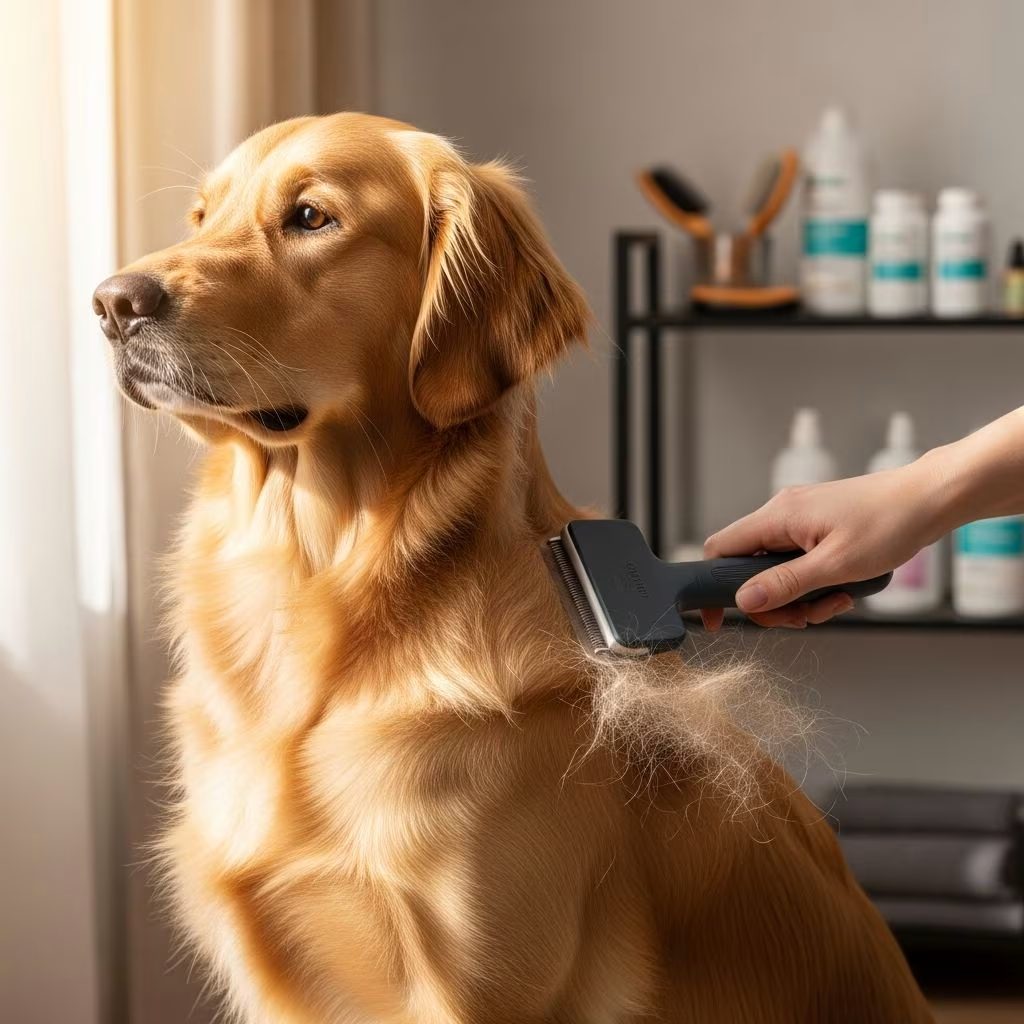
Understanding Dog Shedding: Why It Happens and How to Control It
Dog shedding is a natural process that every pet owner must contend with, yet excessive fur around your home doesn’t have to be inevitable. Understanding the underlying causes of shedding and implementing strategic solutions can dramatically reduce the amount of hair your dog leaves behind. Whether your canine companion sheds seasonally or year-round, this comprehensive guide will equip you with practical strategies to manage and minimize pet hair in your home while keeping your dog’s coat healthy and vibrant.
Why Do Dogs Shed?
Dog shedding occurs for multiple reasons, and identifying the cause is the first step toward effective management. “Hair loss, or shedding, in dogs is under the control of many factors,” explains Jon D. Plant, DVM, DACVD, veterinary dermatologist at Animal Dermatology Clinic in Lake Oswego, Oregon. “These include the length of light exposure (including artificial light), ambient temperature, and hormonal changes.”
Common Causes of Shedding
Shedding in dogs stems from various causes that range from perfectly normal to potentially concerning. Understanding these factors helps you determine whether you’re dealing with typical seasonal shedding or a sign of underlying health issues that require veterinary attention.
Seasonal Shedding: Many dogs experience increased shedding during spring and fall as they transition between seasons. Long-haired breeds such as Labrador Retrievers and Siberian Huskies with thick double coats go through two major shedding cycles per year: one in late spring and another in late fall. During these periods, your dog “blows their coat,” shedding the undercoat to prepare for temperature changes.
Nutritional Deficiencies: An inadequate diet lacking proper nutrient balance can lead to excessive hair loss. “A malnourished dog will divert energy and protein from hair growth to other parts of the body,” Dr. Plant notes. Since hair is made largely of protein, dogs require high-quality nutrition to maintain healthy coat growth.
Stress and Exercise: A lack of physical activity can cause stress and anxiety in pets, which directly leads to excess shedding. Additionally, hormonal imbalances, allergies, infections, parasites, and the natural aging process all contribute to increased shedding.
Distinguishing Normal Shedding from Abnormal Hair Loss
Not all shedding indicates a problem. Normal seasonal shedding typically results in uniform hair loss throughout the coat without visible skin damage. However, abnormal hair loss presents distinct warning signs that warrant veterinary evaluation.
Watch for these indicators of problematic hair loss: patchiness or bald spots, redness or inflammation, itching or excessive scratching, and flaking or scaling skin. Excessive shedding may indicate underlying health issues such as allergies, parasites, hormone imbalances, or even cancer. Any significant change in your dog’s coat appearance or shedding pattern should prompt a veterinary consultation.
Strategic Solutions to Reduce Dog Shedding
Fortunately, multiple proven methods can significantly reduce the amount of hair your dog sheds. The most effective approach combines several strategies tailored to your dog’s specific needs and coat type.
1. Optimize Your Dog’s Nutrition
A high-quality diet forms the foundation of a healthy coat and reduced shedding. “A good quality food that provides a high plane of nutrition is important for dogs that have lost substantial hair, which is made largely of protein,” Dr. Plant explains.
Key Nutritional Elements: Look for dog foods that are nutritionally complete and balanced, providing more than minimal amounts of protein. Fish-based diets are particularly beneficial because they’re loaded with fatty acids that support healthy coat and skin. As dogs age, their nutritional needs change, sometimes requiring a diet switch or additional supplements recommended by your veterinarian.
Consulting with your veterinarian about the best senior dog food or age-appropriate nutrition ensures your dog receives optimal nutrition for coat health.
2. Implement a Consistent Grooming Routine
Regular grooming is perhaps the most effective way to reduce shedding. Frequent brushing removes loose hair before it ends up on your furniture, clothes, and floors. “Your pet’s coat is more than something lovely to pet. It protects the dog’s largest organ: its skin,” notes Master Pet Stylist Daryl Conner, owner of FairWinds Grooming Studio in Appleton, Maine.
Daily Brushing During Shedding Season: For long-haired breeds with double coats, daily brushing during shedding cycles can make a tremendous difference. This consistent routine helps remove the undercoat before it sheds naturally throughout your home.
Bathing with Proper Technique: “A warm bath with a mild shampoo, followed by a conditioner, will help release shedding coat,” Conner explains. “After the coat is dried, continued brushing and combing will also further the process.”
Monthly bathing with a moisturizing shampoo helps cut down on hair trapped in the coat and removes loose hair. Many pet parents find that professional grooming during shedding season makes a substantial difference in managing shedding.
3. Choose the Right Grooming Tools
Selecting appropriate brushes and combs for your dog’s specific coat type is crucial. “Breed and personality determine little. Ideally, one will choose the proper dog brush and comb for your dog’s coat type,” Conner advises.
For Medium Double Coats: Dogs like German Shepherds, Corgis, and Huskies benefit from starting with a slicker brush using medium pressure in the direction of fur growth. Use a metal comb or undercoat rake to further reduce shedding, being careful not to pull too hard when encountering clumps of fur.
Deshedding Tools: Rake-style brushes are very effective at removing shedding undercoat, especially for longer coats with longer teeth and shorter coats with smaller teeth. Deshedding brushes like those from Frisco effectively gather dead and loose hair, though they require a gentle touch to avoid irritating the skin, particularly on the spine, shoulders, and hips.
For Short-Haired Breeds: Rubber brushes effectively remove dead hair and prevent excess shedding in short-haired breeds.
4. Use Specialized Grooming Products
Various shampoos and grooming aids can help manage shedding more effectively. Medicated shampoos address specific skin conditions contributing to hair loss. If your dog’s skin is itchy or dry, moisturizing shampoos provide relief and may reduce shedding caused by skin irritation.
Deshedding shampoos specifically formulated to decrease shedding offer additional benefits beyond regular bathing. Specialty grooming products like grooming mitts and de-shedding tools complement brushing routines and help remove shed hair more efficiently.
5. Prioritize Exercise and Stress Reduction
Physical activity plays a vital role in overall pet health and coat condition. A lack of exercise can cause stress and anxiety in pets, which leads to excess shedding. Regular exercise maintains your dog’s physical health, supports healthy skin and coat, and reduces stress-related shedding.
Establish a consistent exercise routine appropriate for your dog’s age, breed, and health status. Active play, walks, and mental stimulation contribute to a healthier, less-shedding dog.
6. Consider Professional Grooming
Professional groomers possess expertise and specialized equipment that home grooming may not replicate. During shedding season, professional grooming can make a significant difference in managing your dog’s coat.
Professional groomers understand breed-specific grooming needs and can safely handle deshedding treatments that require skill to prevent skin irritation. This investment often pays dividends in reduced home shedding.
Important Considerations About Shaving Your Dog
Many dog owners consider shaving their dogs to reduce shedding, particularly in summer. However, this approach carries significant risks, especially for double-coated breeds.
“It’s best not to shave double-coated dogs, but instead brush their fur to help keep them cool and reduce shedding.” A dog’s coat functions as insulation, protecting them from both heat and cold. Removing the hair removes this natural cooling system. Instead of shaving, remove excess undercoat through regular brushing.
Clipper Alopecia Risks: Shaving double-coated dogs can damage the follicles of the outer coat (guard hairs), leading to a permanent condition called “clipper alopecia,” where only the fuzzy undercoat grows back, resulting in a permanently balding or patchy appearance.
However, if your dog is active, has allergies, or is prone to matting, a trimmed coat might help with comfort. Matted coats trap heat and moisture, potentially causing more harm than shaving. In such cases, consult a professional groomer to safely manage the coat.
Natural Ways to Improve Coat Health
Beyond grooming and nutrition, other natural approaches support healthy coats and reduce shedding. Regular brushing increases blood flow to the skin’s surface, which can help reduce shedding and promote coat health.
Ensure your dog stays well-hydrated, as proper hydration supports skin and coat health. Omega-3 and omega-6 fatty acids from fish-based diets or supplements strengthen hair follicles and reduce shedding. Consult your veterinarian about appropriate supplements for your dog’s age and health status.
Managing Shedding in Your Home
While reducing shedding at the source is ideal, managing shed hair in your living space remains necessary. Invest in home cleaning solutions specifically designed for pet hair, such as lint rollers and vacuums designed for fur. Regular vacuuming and lint rolling prevent hair accumulation and maintain a cleaner home environment.
Frequently Asked Questions About Dog Shedding
Q: How often should I brush my dog to reduce shedding?
A: Daily brushing during shedding season (spring and fall) is ideal for long-haired and double-coated breeds. During non-shedding periods, several times per week is usually sufficient. Short-haired dogs may need brushing only a few times weekly year-round.
Q: Can diet changes really reduce dog shedding?
A: Yes, absolutely. A high-quality diet rich in protein and fatty acids supports healthy coat growth and can significantly reduce excessive shedding. Nutritional deficiencies directly contribute to hair loss, making proper nutrition essential for coat health.
Q: Is it normal for dogs to shed year-round?
A: Some shedding year-round is normal, but excessive year-round shedding may indicate underlying health issues such as allergies, parasites, hormonal imbalances, or nutritional deficiencies. Consult your veterinarian if shedding seems abnormally heavy.
Q: What’s the difference between normal shedding and abnormal hair loss?
A: Normal shedding results in uniform hair loss without visible skin damage. Abnormal hair loss includes patchiness, bald spots, redness, itching, or flaking skin—signs requiring veterinary evaluation.
Q: Should I shave my dog to reduce shedding?
A: Generally, no. Shaving double-coated dogs can damage hair follicles, causing permanent clipper alopecia. Instead, brush regularly to manage shedding and keep your dog cool. Only shave if your dog has matting or specific conditions requiring it.
Q: What supplements help with dog shedding?
A: Omega-3 and omega-6 fatty acids, fish oil supplements, and biotin can support coat health and reduce shedding. Always consult your veterinarian before starting supplements to ensure they’re appropriate for your dog.
Q: How does stress affect dog shedding?
A: Stress and lack of exercise trigger anxiety in dogs, which directly increases shedding. Regular physical activity and mental stimulation reduce stress-related shedding and improve overall coat health.
References
- Why Is My Old Dog Losing Hair? How To Handle Hair Loss in Senior Dogs — Chewy Education. 2024. https://www.chewy.com/education/dog/health-and-wellness/why-is-my-old-dog-losing-hair
- The Lazy Pet Parent’s Guide to a Fur-Free Home — Chewy Education. 2024. https://www.chewy.com/education/dog/grooming/how-to-keep-house-cat-dog-hair-free
- Your Guide to the Best Dog Brushes to Groom Your Pet — Chewy Education. 2024. https://www.chewy.com/education/dog/grooming/less-shedding-yes-please-your-guide-to-the-best-dog-brushes-to-groom-your-pet
- Should I Shave My Dog in the Summer? — Chewy Education. 2024. https://www.chewy.com/education/dog/grooming/should-i-shave-dog-in-summer
- How To Brush a Dog, According to a Pro Groomer — Chewy Education. 2024. https://www.chewy.com/education/dog/grooming/brushing-a-dog
- 6 Dog Grooming Mistakes to Avoid — Chewy Education. 2024. https://www.chewy.com/education/dog/grooming/dog-grooming-mistakes
- Pro Pet Grooming Tips to Keep Your Best Friend Happy, Healthy and Looking Good — Chewy Education. 2024. https://www.chewy.com/education/cat/grooming/pro-pet-grooming-tips-to-keep-your-best-friend-happy-healthy-and-looking-good



