

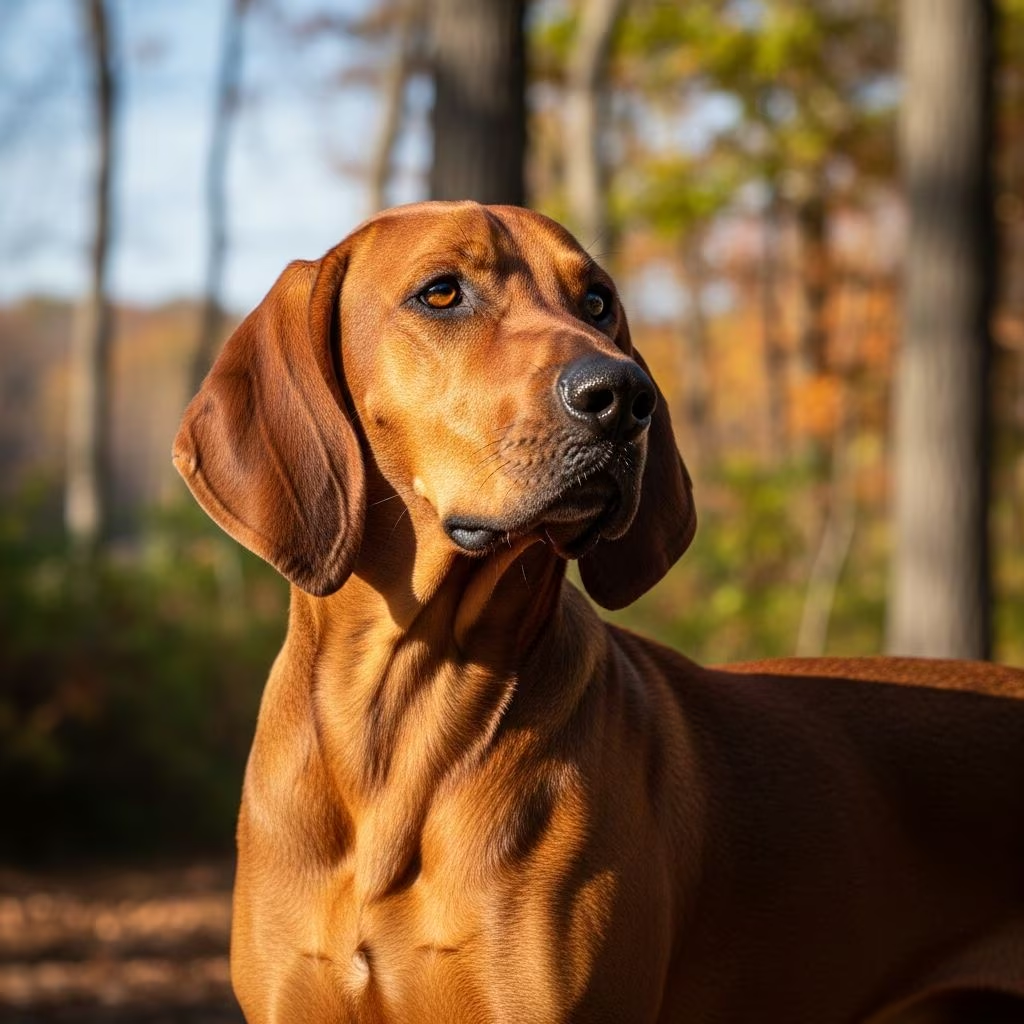
The Redbone Coonhound stands out as a captivating American breed, celebrated for its glossy mahogany coat, robust physique, and unwavering dedication as a hunting partner. Originating from selective breeding efforts in the American South, this hound combines speed, scent-tracking prowess, and a gentle disposition that makes it suitable for both rugged trails and cozy family settings.
Origins and Development of the Breed
The story of the Redbone Coonhound traces back to the late 18th century when Scottish immigrants brought red foxhounds to the United States. These early dogs, imported from Scotland, France, Ireland, and England, formed the foundation of what would become a specialized hunting breed. Hunters in Georgia, particularly George F.L. Birdsong in the 1840s, crossed these foxhounds with Bloodhounds and later Irish hounds to enhance stamina and scenting ability.
Initially known as “Saddlebacks” due to black markings on their red coats, breeders worked diligently through selective breeding to eliminate these saddle patterns, resulting in the breed’s signature solid red appearance. By the decades before the Civil War, the Redbone had evolved to tackle faster prey like the red fox, which outpaced traditional hounds. This period marked a shift toward a sleeker, more agile dog with a superior “cold nose”—the ability to track scents days or even weeks old.
The breed gained formal recognition from the United Kennel Club in 1902 and the American Kennel Club in 2010, solidifying its place among hound breeds. Southern hunters prized Redbones for pursuing raccoons, bears, cougars, deer, and opossums, often treed and holding their position until the hunter arrived. Unlike some hounds bred primarily for speed or sight, Redbones were first refined for aesthetics—their flashy red coat—and then for hunting excellence, thanks to dedicated breeders like Brooks Magill and Roy Blakesley.
Physical Characteristics and Appearance
Redbone Coonhounds are medium-to-large dogs, typically weighing 49–90 pounds and standing 21–27 inches tall at the shoulder. Their build is muscular yet streamlined, evoking the image of a sculpture carved from mahogany, with a deep chest, straight legs, and a slightly arched loin for agility in the field.
The coat is short, smooth, and coarse, predominantly a rich, solid red that gleams in the sunlight. Subtle variations include a darker muzzle or minimal white markings on the chest, feet, or tail tip, but black saddles have been bred out. Distinctive features include long, drooping ears that aid in scent capture, expressive brown eyes, and a melodious baying voice used to signal treed game.
| Trait | Range | Notes |
|---|---|---|
| Height | 21–27 inches | Males slightly taller |
| Weight | 49–90 lb | Proportional to height and activity |
| Lifespan | 12–15 years | With proper care |
| Coat Color | Solid red | Mahogany shade dominant |
Temperament and Personality Traits
Renowned for their mellow, kind nature, Redbone Coonhounds balance a laid-back home demeanor with intense focus in the field. They are affectionate, even-tempered, and eager to please, making them responsive to training and excellent family companions when their exercise needs are met. Their loyalty borders on being a “one-person dog,” fiercely protective of their owner.
- Courageous and Tenacious: Unmatched in pursuing game over long distances and rough terrain.
- Sociable: Gets along well with children and other dogs, though early socialization is key.
- Independent Streak: Strong hunting instincts mean they may follow scents if not leashed, requiring secure fencing.
- Vocal: Prone to baying, which can be melodic but noisy in suburban areas.
With proper outlets, they transition seamlessly from hunter to pet, enjoying restful downtime after adventures. Search-and-rescue handlers praise their olfactory power and persistence, as one noted a Redbone’s ability to detect target odors over vast distances without quitting.
Essential Care and Daily Needs
Nutrition and Feeding
As high-energy athletes, Redbones thrive on premium, age-appropriate dog food rich in protein to support muscle maintenance and sustained activity. Puppies need frequent meals for growth, while adults do well on two daily feedings. Monitor portions to prevent obesity, especially in seniors, consulting a veterinarian for tailored guidelines based on weight, health, and exercise levels.
Grooming Routine
Low-maintenance coats require weekly brushing with a grooming mitt to distribute oils and reduce shedding. Long ears demand regular cleaning to prevent infections—check weekly and wipe with a vet-approved solution. Dental health is crucial; brush teeth several times weekly and schedule professional cleanings. Nail trims every 4–6 weeks keep paws healthy for fieldwork.
Exercise Requirements
These hounds need 1–2 hours of vigorous daily exercise, such as runs, hikes, or swims, to channel their energy. They shine in dog sports like agility, field trials, and coonhound events. Mental stimulation through scent games or obedience work prevents boredom-induced mischief.
Training Best Practices
Start training early, leveraging their eagerness to please. Positive reinforcement with treats and praise yields best results; harsh methods can foster stubbornness in pups. Focus on recall and leash manners to counter chasing instincts. Early socialization exposes them to varied environments, ensuring well-rounded adults.
Health Considerations and Wellness
Redbones enjoy a lifespan of 12–15 years but are prone to breed-specific issues like hip dysplasia, ear infections, and obesity. Regular vet check-ups, including hip evaluations from organizations like the Orthopedic Foundation for Animals, aid early detection. Maintain a lean body condition through diet and exercise to mitigate joint stress.
- Common Concerns: Hip/elbow dysplasia, ear infections, hypothyroidism.
- Preventive Care: Annual exams, vaccinations, parasite control, and joint supplements if recommended.
Breeders should screen for genetic health via OFA or PennHIP certifications. Their athletic build demands attention to injuries from overexertion, so gradual conditioning is advised.
Ideal Living Situations and Lifestyle Fit
Redbones suit active owners with space for running—rural or suburban homes with yards are ideal, but apartments work with committed exercise routines. They tolerate moderate climates but dislike extreme cold due to short coats. Families appreciate their gentle play with kids, though supervision prevents roughhousing.
Not suited for sedentary lifestyles; without outlets, they may become vocal or destructive. Multi-dog homes thrive if introductions are managed, given their pack-oriented history.
Fun Facts and Cultural Impact
The breed gained widespread fame through the novel Where the Red Fern Grows, highlighting their devotion and hunting spirit. Redbones excel in night hunts, using their cold nose for extended tracking. Their striking appearance often turns heads at dog shows and events.
Frequently Asked Questions (FAQs)
Are Redbone Coonhounds good with children?
Yes, their patient, gentle nature makes them excellent with kids when socialized properly.
How much exercise do they need daily?
At least 60–120 minutes of high-intensity activity to stay balanced.
Do they make good apartment dogs?
Possible with ample outdoor time, but prefer homes with yards.
What’s the best way to manage their barking?
Provide exercise and training; use commands to curb unnecessary vocalizing.
Are they easy to train?
Very responsive with positive methods, starting young.
References
- Redbone Coonhound Facts – Wisdom Panel™ Dog Breeds — Wisdom Panel. Accessed 2026. https://www.wisdompanel.com/en-us/dog-breeds/redbone-coonhound
- Redbone Coonhound History: Beyond “Where the Red Fern Grows” — American Kennel Club. Accessed 2026. https://www.akc.org/expert-advice/dog-breeds/redbone-coonhound-history/
- Redbone Coonhound – Breed Info — Petland Henderson. Accessed 2026. https://www.petlandhenderson.org/breed/redbone-coonhound/
- History of the Redbone Coonhound — Showsight Magazine. Accessed 2026. https://showsightmagazine.com/history-of-the-redbone-coonhound/
- Redbone Coonhound: Your Complete Guide — Dog Academy. Accessed 2026. https://dogacademy.org/breeds/redbone-coonhound
- Redbone Coonhound – Dog Breeds — American Kennel Club. Accessed 2026. https://www.akc.org/dog-breeds/redbone-coonhound/
- Breed Standards: Redbone Coonhound — United Kennel Club. Accessed 2026. https://www.ukcdogs.com/redbone-coonhound



