Red Urine in Rabbits: Causes, Diagnosis & Care
Understanding rabbit red urine: Learn when it's harmless pigment vs. serious health concern.
Understanding Red Urine in Rabbits
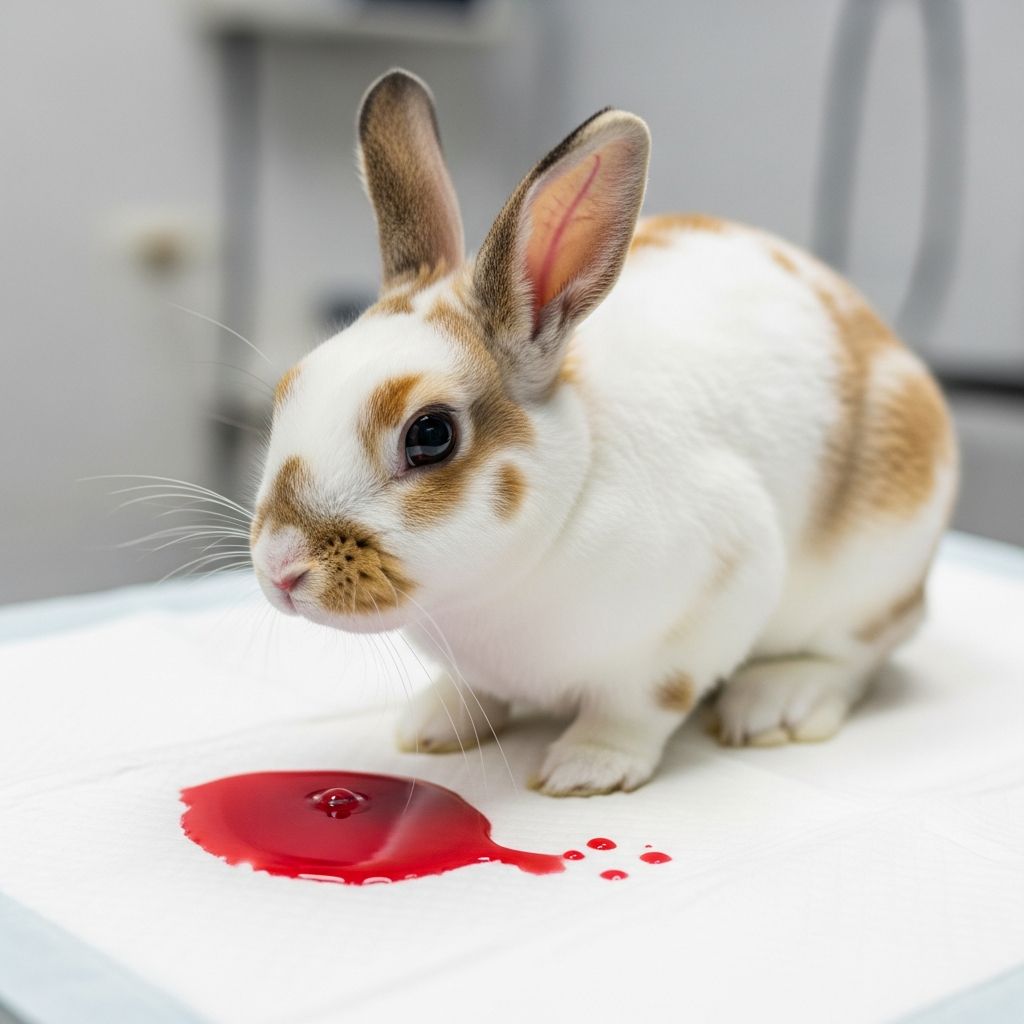
Observing red or orange-colored urine in your rabbit can be alarming, but it’s important to understand that this color change doesn’t automatically indicate a serious health problem. Rabbit urine naturally varies considerably in color, ranging from pale yellow to deep rust or even bright red. This variation is a normal characteristic of rabbit physiology and is often influenced by diet, hydration status, and the presence of harmless plant pigments. Understanding the causes of red urine and knowing when to seek veterinary care can help you provide the best possible care for your pet.
What Causes Red Urine in Rabbits?
Red urine in rabbits can result from several different causes, and determining the underlying reason is essential for proper care. The most common explanation involves harmless plant pigments rather than blood in the urine.
Porphyrins and Plant Pigments
The primary cause of red or orange-colored urine in rabbits is the presence of porphyrin pigments. These are naturally occurring compounds found in plants that rabbits consume as part of their diet. When ingested, porphyrins are processed through the rabbit’s digestive system and subsequently excreted by the kidneys into the urine. This process creates the characteristic red or orange coloration that many rabbit owners observe. This type of color change is completely harmless and does not indicate any underlying disease or infection.
Dietary Influences on Urine Color
Certain vegetables are particularly well-known for producing noticeable changes in rabbit urine color. Foods with high levels of beta-carotene and other pigmented compounds can lead to distinctly colored urine. The vegetables most frequently associated with red or orange urine include:
- Carrots
- Spinach
- Broccoli
- Cabbage
- Dandelion greens
- Parsley
Interestingly, the relationship between these vegetables and urine color is not entirely predictable. Rabbits consuming identical diets may have different urine colors, suggesting that individual metabolic factors also play a role in determining urine pigmentation. Additionally, seasonal dietary changes—such as when rabbits have access to fresh fir leaves or other seasonal plants—can trigger temporary changes in urine color.
Other Factors Contributing to Red Urine
Beyond diet, several other factors can influence urine color in rabbits. Antibiotic medications can alter urine coloration during treatment periods. Environmental changes, such as the first cold snap in autumn, have been observed to trigger red urine in some rabbits, though the exact mechanism behind this phenomenon remains unclear. Seasonal variations and stress responses may also contribute to temporary urine color changes.
Red Urine: Distinguishing Blood from Pigment
The crucial question for rabbit owners is whether red urine indicates the presence of blood or is simply due to harmless plant pigments. This distinction is critical because it determines whether veterinary intervention is necessary.
The Urinalysis Test
The most reliable method for determining whether urine contains blood is a urinalysis performed by a veterinarian. This simple diagnostic test involves microscopic examination of a urine sample to identify the presence of red blood cells. A urinalysis can definitively distinguish between hematuria (actual blood in the urine) and porphyrin-pigmented urine within minutes, providing clear answers about your rabbit’s urinary health. This test uses a urine dipstick that can quickly reveal whether blood is present, making it an essential first step when red urine is observed.
Visual Characteristics and Presentation
While a urinalysis is the gold standard for diagnosis, understanding the visual differences can help you prepare for a veterinary visit. True hematuria involves actual blood cells in the urine, which may appear as distinct blood or clots in severe cases. In contrast, porphyrin-pigmented urine displays a uniform red or orange coloration throughout. Additionally, an unspayed female rabbit might show a bloody discharge from her vulva or drops of blood after urination, which could be confused with urine but represents a separate issue that requires veterinary attention.
When Red Urine Indicates Serious Problems
While red urine is often harmless, certain conditions can cause actual blood in the urine and require immediate veterinary care.
Urinary Calculi and Hypercalciuria
The two most common conditions associated with hematuria (actual blood in urine) in rabbits are urinary calculi (bladder stones) and hypercalciuria (excess calcium in urine). These conditions develop when calcium crystals accumulate in the urinary system, potentially forming stones that cause bleeding and pain.
Risk Factors for Development: Chronic dehydration significantly increases the risk of developing urinary calculi and hypercalciuria. When rabbits are dehydrated, their bodies attempt to conserve water by reducing urine output. This concentration effect means more calcium crystals are present in a smaller volume of urine, increasing the likelihood that crystals will bind together and form larger aggregates. Additionally, bacterial urinary tract infections can alter the urinary environment, making it more favorable for crystal formation.
Clinical Signs Associated with Hematuria
Rabbits experiencing urinary calculi or hypercalciuria typically display multiple clinical signs beyond red urine. These include:
- Difficulty urinating or straining during urination
- Reduced or absent appetite
- Decreased stool output
- Weight loss and reduced energy levels
- Signs of pain, including teeth grinding and reluctance to move
- Hunched posture indicating discomfort
- Urine scalding of the skin around the genital area
Urine scald represents a painful secondary complication that occurs when rabbits struggle to maintain proper positioning while urinating. Altered urine flow direction results in soiling of fur and skin, creating conditions for bacterial skin infections. This complication causes additional pain and requires careful management alongside treatment of the underlying urinary condition.
Other Serious Causes of Hematuria
While less common, other conditions can produce blood in rabbit urine. Urinary tract infections (UTIs) can cause inflammation and bleeding in the urinary tract system. Trauma to the urinary system from injury can result in bleeding. In unspayed female rabbits, uterine adenocarcinoma (uterine cancer) or uterine polyps can produce vaginal bleeding that may be confused with hematuria. Males with genital cancers or trauma may also experience blood in or around the urinary system.
Diagnostic Approach to Red Urine
Initial Assessment
When you observe red urine in your rabbit, the first step is scheduling a veterinary examination. Your veterinarian will perform a urinalysis to determine whether blood is actually present. This simple test provides definitive answers and guides all subsequent diagnostic and treatment decisions.
Additional Diagnostic Tests
If hematuria is confirmed through urinalysis, your veterinarian may recommend additional diagnostic tests depending on clinical signs and examination findings. These may include:
- Radiographs (X-rays) to visualize urinary calculi or other abnormalities
- Urine culture to identify bacterial infections
- Blood tests to assess kidney function and overall health
- Ultrasound to evaluate urinary tract structures
These comprehensive diagnostic approaches help identify the underlying cause of bleeding and guide appropriate treatment planning.
Managing Red Urine: What You Should Do
When Red Urine Is Likely Harmless
If your rabbit is otherwise healthy, eating well, producing normal stool output, showing normal energy levels, and displaying no signs of pain or discomfort, red urine is usually not an emergency. Normal rabbit urine color typically returns to pale yellow within one to three days, though some rabbits may require three to four weeks for complete color normalization. Monitoring your rabbit during this period and maintaining a record of urine color changes can be helpful information for your veterinarian if the discoloration persists.
Dietary Management
If you’ve recently introduced new vegetables, particularly those known to produce red urine such as carrots, spinach, or leafy greens, the red coloration likely results from these dietary additions. You may continue offering these nutritious vegetables, as they provide valuable nutrients and the color change is harmless. However, if you prefer to avoid the discoloration, temporarily reducing these foods will likely return urine to its normal color. Always ensure your rabbit maintains adequate hydration by providing fresh water and encouraging water intake through water-rich vegetables.
Hydration and Prevention
Ensuring adequate hydration is crucial for maintaining urinary tract health and potentially preventing more serious urinary conditions. Rabbits should have constant access to fresh, clean water. Some rabbits prefer drinking from water bottles, while others prefer bowls; offering both options can encourage adequate water consumption. Feeding water-rich vegetables like lettuce and cucumber can also contribute to overall hydration status.
When to Contact Your Veterinarian
Seek immediate veterinary attention if your rabbit displays any of the following signs:
- Persistent difficulty or straining during urination
- Inability to control urination or constant dribbling
- Reduced appetite or complete refusal to eat
- Significantly reduced stool output or absence of droppings
- Visible signs of pain, including teeth grinding or reluctance to move
- Hunched posture that persists for more than a few hours
- Visible urine scald or skin irritation around the genital area
- Lethargy or unusual behavior lasting more than a day
- Weight loss over a short period
- Reactivity or pain when the abdomen is gently touched
These signs may indicate urinary calculi, UTIs, or other serious conditions requiring prompt professional evaluation and treatment.
Understanding White or Abnormally Dark Urine
While red urine receives most attention, other urine color abnormalities warrant discussion. White urine containing reddish-orange pigment may indicate excess dietary calcium. If white urine persists for several days, discuss your rabbit’s diet with your veterinarian to assess whether calcium intake requires adjustment. Conversely, excessively dark or concentrated urine may indicate dehydration and should prompt increased attention to water intake and overall hydration status.
Frequently Asked Questions
Q: Is red urine always an emergency in rabbits?
A: No. Red urine is usually harmless and caused by plant pigments or diet rather than blood. However, if accompanied by other symptoms like difficulty urinating, pain, or reduced appetite, veterinary evaluation is necessary to rule out serious conditions.
Q: How can I tell if my rabbit’s red urine contains blood?
A: A urinalysis performed by your veterinarian is the most reliable way to determine if blood is present. Microscopic examination can identify red blood cells and provide definitive answers about your rabbit’s urinary health.
Q: Which vegetables cause red urine in rabbits?
A: Carrots, spinach, broccoli, cabbage, dandelion greens, and parsley are most commonly associated with red urine. However, not all rabbits develop red urine from these vegetables due to individual metabolic differences.
Q: How long does red urine typically last?
A: Red urine from diet or porphyrins usually resolves within one to three days, though some rabbits may take three to four weeks to return to normal urine color.
Q: Can antibiotics cause red urine in rabbits?
A: Yes, antibiotic medications can temporarily change urine color to red. This is typically a harmless side effect and usually resolves after completing the antibiotic course.
Q: What is urine scald and how is it treated?
A: Urine scald occurs when rabbits’ skin and fur become soiled with urine, causing painful irritation and potential bacterial infection. Treatment involves addressing the underlying urinary condition, maintaining proper hygiene, and providing pain management as recommended by your veterinarian.
Conclusion
Red urine in rabbits is a common occurrence that usually results from harmless plant pigments rather than serious health problems. By understanding the various causes, knowing how to distinguish between harmless color changes and genuine hematuria, and recognizing when veterinary care is necessary, you can ensure your rabbit receives appropriate attention and care. When in doubt, a simple urinalysis can provide definitive answers and peace of mind. Maintaining proper hydration, offering a balanced diet, and monitoring your rabbit’s overall health will support long-term urinary tract wellness and allow you to enjoy many healthy years with your pet.
References
- Rabbit UTI (Urinary Tract Infection) — PetMD. Accessed November 2025. https://www.petmd.com/rabbit/conditions/urinary/rabbit-uti-urinary-tract-infection
- Red Urine: Blood or Plant Pigment — Georgia House Rabbit Society. Accessed November 2025. https://www.houserabbitga.com/rabbit-red-urine-causes
- What To Do When You See Red In Your Rabbit’s Urine — Chewy Education. Accessed November 2025. https://www.chewy.com/education/small-pet/rabbit/what-to-do-when-you-see-red-in-your-rabbits-urine
- Red urine — Bishops Stortford Vets. Accessed November 2025. https://www.stortvet.com/red-urine/
- Reproductive and urinary diseases of pet rabbits — DVM 360. Accessed November 2025. https://www.dvm360.com/view/reproductive-and-urinary-diseases-pet-rabbits-proceedings
Similar Articles








Read full bio of Sneha Tete