
Red Lory Care Guide: Essential Tips For Owners
Master red lory care with expert tips on housing, diet, behavior, and health for vibrant pet parrots.
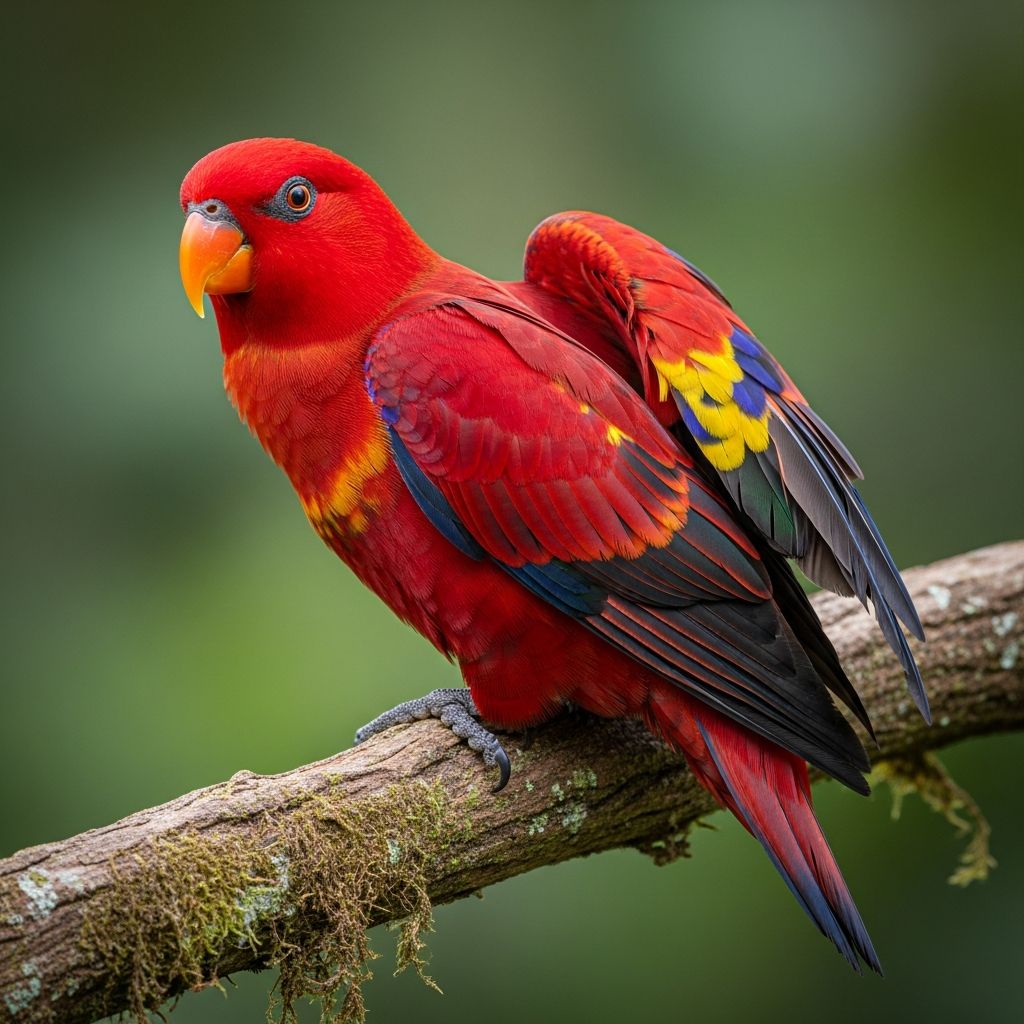
Red Lory: A Vibrant and Playful Pet Bird
The red lory is one of the most captivating and sought-after parrots in the pet bird community. Known for their striking crimson plumage, intelligent personalities, and playful antics, these remarkable birds have become increasingly popular among experienced bird owners and dedicated fanciers. The red lory’s combination of beauty, wit, and interactive nature makes them an exciting choice for those willing to meet their unique and demanding care requirements. Understanding the nuances of red lory ownership is essential before bringing one of these magnificent creatures into your home.
Physical Characteristics and Appearance
Red lories are instantly recognizable by their predominantly deep pomegranate-red coloration, which covers most of their body and plumage. These small to medium-sized parrots typically range from 10 to 12 inches in length, making them a manageable size for many households. Despite their relatively modest dimensions, they are powerfully built birds with substantial musculature developed through constant activity and movement.
The most visually striking features of the red lory include blue markings that accent their wings and face, creating a beautiful contrast with their red base coloration. Their beaks are a distinctive orange hue, and their legs display a grey coloration. Interestingly, males and females are virtually indistinguishable in appearance, making visual identification impossible without DNA or endoscopic sexing methods.
Juveniles present a noticeably different appearance from adult birds. Young red lories display duller overall coloration, possess brown irises rather than the red irises of adults, and have brownish beaks that gradually transition to orange as they mature. The bills of juveniles are also narrower and less powerful than those of adults.
The Remarkable Brush Tongue
One of the most extraordinary features distinguishing lories from other parrot species is their specialized brush-like tongue. This unique anatomical adaptation consists of long, hair-like structures called papillae that form a U-shape at the tip and are erected when the tongue is fully extended. This remarkable tongue structure has evolved specifically for collecting pollen and nectar from flowers, reflecting the bird’s natural feeding habits in their native rainforest environments.
Personality and Behavioral Traits
Red lories are celebrated for their dynamic and engaging personalities that set them apart from many other parrot species. These highly intelligent birds are consistently described as flamboyant, theatrical, and pugnacious, displaying a zest for life that is both entertaining and occasionally challenging. They possess remarkable problem-solving abilities and demonstrate creative thinking in their daily interactions.
The playful nature of red lories is one of their defining characteristics. These birds are perpetually seeking adventure and entertainment, constantly getting into mischief the moment their owners turn their attention elsewhere. Their intelligence means they quickly learn routines, anticipate activities, and actively scheme for novel forms of stimulation. This combination of intelligence and high energy makes them fascinating companions for experienced bird owners who appreciate their spirited antics.
Communication and Vocalizations
Red lories are communicative birds with a diverse vocal repertoire. While they can produce loud calls, particularly during morning and evening hours, they typically avoid the intense screaming that characterizes some parrot species. Their typical vocalizations consist of soft mutterings, trills, whistles, and various chirping sounds that they use to amuse themselves and communicate with their flock mates.
During peak vocal periods, usually shortly after sunrise and before lights are turned off in the evening, red lories can rival amazons in both consistency and volume. However, their intelligence extends to their vocal abilities, as red lories have earned reputations as accomplished talkers, with some individuals developing vocabularies that include complete sentences. These master mimics demonstrate an uncanny ability to reproduce household sounds such as ringing telephones, sirens, microwave beeps, and dripping faucets with remarkable precision.
Housing and Environmental Requirements
Providing appropriate housing is crucial for maintaining the physical and psychological well-being of captive red lories. Outdoor housing is the preferred option for these active and social birds, as it allows them to experience natural light cycles, weather conditions, and environmental enrichment. However, many owners maintain these birds in indoor cage environments, which requires careful attention to cage specifications and maintenance protocols.
If housing red lories indoors, cages must be substantially larger than those used for similarly-sized bird species, reflecting the birds’ high activity levels and strong flight capabilities. Cages should be cleaned frequently to maintain hygiene and prevent the accumulation of food debris and waste, which can harbor harmful bacteria. The intense energy levels of these birds necessitate spacious environments where they can stretch their wings fully and engage in vigorous flight.
Social Housing Considerations
Red lories can be kept either individually or in pairs and groups, depending on the owner’s setup and experience level. However, close monitoring is essential when housing multiple lories together, as they can display territorial and aggressive behaviors toward one another. Mated pairs are particularly territorial and will defend their space and offspring forcefully, sometimes even attacking household pets such as cats and dogs. This territorial nature reflects their wild instincts for protecting family members and nesting sites.
Diet and Nutritional Needs
Red lories have highly specialized dietary requirements that differ significantly from those of other parrot species, reflecting their natural feeding ecology in tropical rainforest environments. Their natural diet consists primarily of nectar from flowering trees, pollen, and supplementary fruits. This specialization means that standard parrot pellet-based diets alone are insufficient for meeting their nutritional needs.
A proper red lory diet should include specialized nectar-based foods formulated specifically for lories, supplemented with fresh fruits and vegetables daily. Fruits such as berries, apples, and tropical fruits should constitute a significant portion of their daily intake. Many experienced red lory keepers incorporate native flowering plants and branches into their birds’ enclosures, allowing the birds to engage in their natural foraging behaviors while accessing fresh nectar sources.
It is crucial to avoid feeding red lories diets high in iron and copper, as these birds are susceptible to hemochromatosis, a condition in which excess iron accumulates in organs and causes serious health complications. Proper dietary management from the outset can prevent the development of this potentially fatal condition. Water should always be fresh and changed daily, and any uneaten fresh food should be removed after a few hours to prevent bacterial growth.
Enrichment and Toy Requirements
Red lories are extraordinarily intelligent birds with voracious appetites for mental and physical stimulation. These birds love toys and require an extensive and constantly rotating supply of playthings to prevent boredom, stress, and destructive behaviors. Interestingly, red lories tend to be somewhat less destructive to their toys than many other hookbill species, though they still require frequent toy rotations to maintain interest.
Enrichment activities should include puzzle toys, foraging opportunities, climbing structures, and toys that encourage problem-solving. Rotating toys on a regular schedule maintains novelty and prevents habituation. Natural branches and vegetation provide both nutritional benefits and behavioral enrichment, allowing birds to engage in natural foraging and climbing behaviors.
Temperament and Handling
While red lories make exceptional pets for experienced and committed owners, potential keepers should understand that these birds can be temperamental and occasionally nippy. Their playful nature sometimes manifests as gentle nipping during interactions, requiring experienced handlers who understand appropriate bird handling techniques and can set clear boundaries with their feathered companions.
Red lories require substantial daily interaction and mental engagement to thrive emotionally and behaviorally. Neglecting their need for engagement and stimulation can lead to boredom, stress, depression, and potentially destructive behaviors such as feather plucking. These birds form strong bonds with their owners and actively seek interaction and companionship. Their high-energy personalities make them entertaining but demanding companions that require dedication and time investment.
Breeding and Reproductive Behavior
Red lories reach sexual maturity and breeding condition at approximately 3-4 years of age. Newly hatched chicks are covered with sparse white down on their upper body parts and have dark brown beaks with egg teeth. The fledging period typically spans approximately five weeks, after which young birds remain with their parents for several additional months, gradually becoming independent.
In captivity, breeding pairs require spacious accommodations and appropriate nesting boxes. Mated pairs exhibit intense territorial and protective behaviors, vigorously defending their nesting sites and offspring. This protective instinct can be so pronounced that pairs may attack household pets, including cats and dogs, that approach their territory.
Common Health Issues
While red lories are generally robust birds when maintained under proper conditions, they are susceptible to several health conditions that owners should monitor for and prevent when possible. Understanding these potential health challenges allows proactive management and early intervention.
Prevalent Health Concerns
– Gout: A metabolic disease resulting from the buildup of uric acid crystals in joints and tissues- Hemochromatosis: A serious iron storage disease particularly relevant to lories due to their sensitivity to elevated iron levels- Liver disease: Can result from improper diet or environmental stress- Psittacine beak and feather disease: A viral infection affecting feather and beak integrity
Regular veterinary check-ups with avian specialists are essential for detecting these conditions early. Proper diet, appropriate housing, regular exercise, and environmental enrichment significantly reduce the risk of developing many health complications.
Lifespan and Long-Term Commitment
Red lories have impressive lifespans for pet birds, living up to 30 years in captivity when provided with excellent care, appropriate diet, spacious housing, and regular veterinary attention. This extended lifespan represents a significant long-term commitment, requiring owners to consider the decades-long relationship they are undertaking when acquiring a red lory.
Frequently Asked Questions
Q: Are red lories suitable for beginner bird owners?
A: Red lories are recommended for advanced and experienced bird owners rather than beginners. Their specialized dietary requirements, high energy levels, demanding enrichment needs, and occasional temperamental behaviors require experience and dedication to manage successfully.
Q: How loud are red lories?
A: Red lories are moderately loud birds, particularly during morning and evening hours. While they rarely engage in intense screaming, they can rival amazons in vocal consistency during peak vocalization periods. Generally, they maintain soft mutterings and whistles throughout the day.
Q: What is the minimum cage size for a red lory?
A: Red lories require substantially larger cages than many similarly-sized parrot species due to their high activity levels. While specific dimensions vary, outdoor aviaries are preferred, and indoor cages should allow full wing extension and vigorous flight.
Q: Can red lories be housed together?
A: Red lories can be housed individually or in groups, but close monitoring is essential for detecting territorial aggression. Mated pairs particularly require careful observation, as they may become aggressive toward other birds and even household pets.
Q: What should I feed my red lory?
A: Red lories require specialized lory nectar foods supplemented with fresh fruits and vegetables daily. Their natural diet consists of nectar and pollen, making standard parrot pellet diets insufficient. Avoid foods high in iron to prevent hemochromatosis.
Q: How much attention do red lories need?
A: Red lories require high levels of attention and mental stimulation. These intelligent, social birds need daily interaction, toys, enrichment activities, and engagement to prevent boredom, stress, and behavioral problems.
Q: Are red lories good talkers?
A: Yes, red lories have earned reputations as accomplished talkers with some individuals developing vocabularies including complete sentences. They are also master mimics, accurately reproducing household sounds like telephones, sirens, and other environmental noises.
Q: What is the average lifespan of a red lory?
A: Red lories can live up to 30 years in captivity, representing a significant long-term commitment requiring decades of care, attention, and resources.
References
- Red lory — Wikipedia. Retrieved from https://en.wikipedia.org/wiki/Red_lory
- Red Lory Species Profile — Tasmanian Department of Natural Resources and Environment. https://nre.tas.gov.au/Documents/Red%20Lory%20Species%20Profile.pdf
- Red lory – Facts, Diet, Habitat & Pictures on Animalia.bio — Animalia. Retrieved from https://animalia.bio/red-lory
- Red Lory – Pet Birds by Lafeber Co. — Lafeber Company. Retrieved from https://lafeber.com/pet-birds/species/red-lory/
- Choosing a Red Lory — PetPlace.com. Retrieved from https://www.petplace.com/article/birds/general/choosing-a-red-lory
- Red Lory (Moluccan Lory) — Full Profile, History, and Care — Dial A Vet. Retrieved from https://www.dialavet.com/blog/red-lory-moluccan-lory-full-profile-history-and-care
Similar Articles








Read full bio of Sneha Tete


