Red Flags In Social Media Dog Trainers: 7 Warning Signs To Spot
Spot warning signs from online dog trainers to ensure force-free, science-based methods for your dog's well-being and happiness.
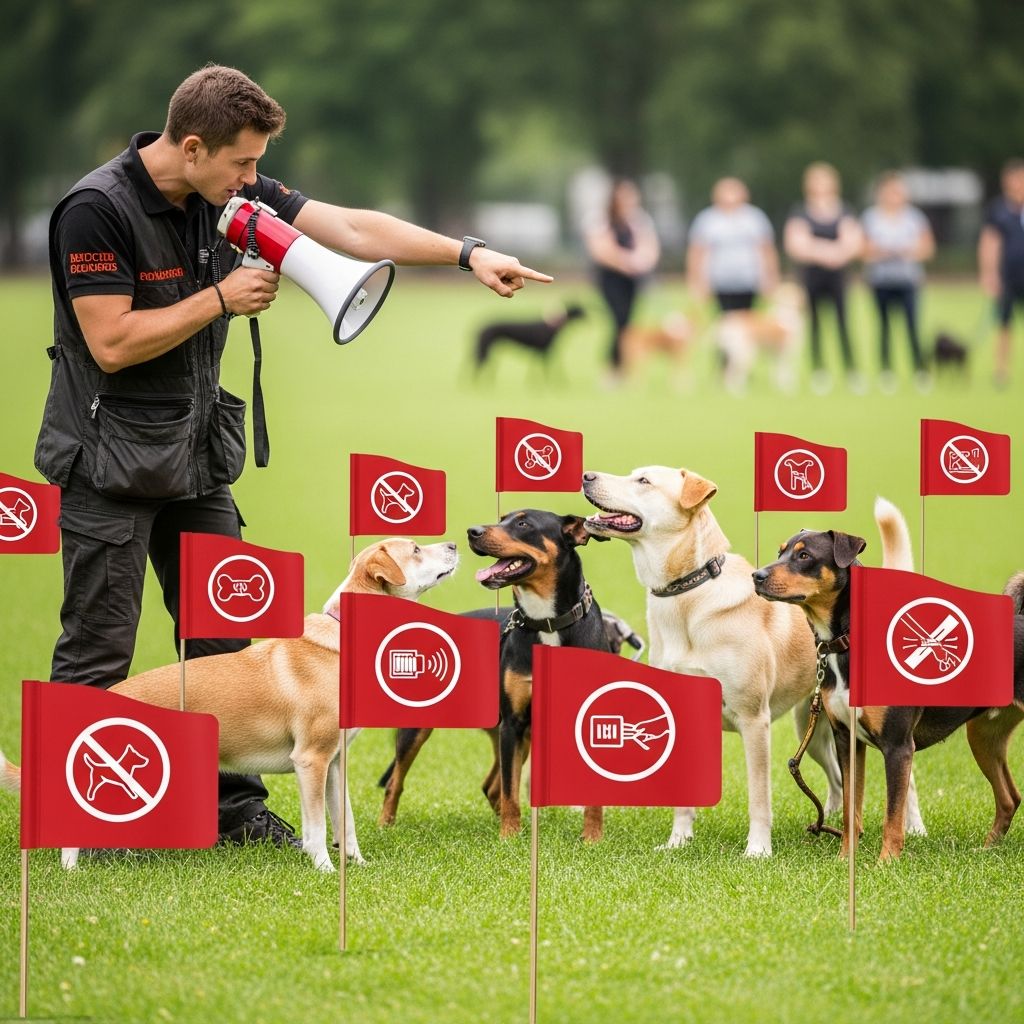
Red Flags in Social Media Dog Trainers
Social media is flooded with dog training advice, but not all of it is safe or effective. Many trainers showcase dramatic transformations or “quick fixes,” but these can hide harmful practices. This guide breaks down key red flags to help you choose trainers who prioritize your dog’s welfare using science-based, reward-focused methods.
Why Social Media Skews Dog Training Norms
Social media algorithms favor extreme, contentious content over balanced advice, creating a distorted view of common practices. Users may perceive aversive methods—like shock collars—as more widespread than they are, influencing untrained owners to adopt risky techniques. Research indicates that platforms amplify loud, partisan voices, muting nuanced, evidence-based approaches and potentially shifting social norms toward outdated methods.
Unlike regulated fields, dog training lacks oversight, leaving pet owners vulnerable to misinformation. Organizations like the American Veterinary Society of Animal Behavior (AVSAB) strongly oppose aversives due to links with fear, anxiety, and damaged human-dog bonds. Reward-based training, conversely, builds trust without welfare risks.
Red Flag #1: Promotion of Aversive Tools
Trainers endorsing prong collars, shock collars (e-collars), or choke chains signal reliance on pain or fear. Euphemisms like “tap” for shocks or “balanced training” (mixing rewards with punishment) obscure true methods. Science shows aversives increase stress and aggression risks.
- Look for: Videos hiding tools in early posts, revealing corrections later.
- Hidden clue: Terms like “pack leader,” “alpha,” or “e-collar” on websites.
- Safe alternative: Trainers using positive reinforcement tools like harnesses and treats.
Red Flag #2: Dominance and Pack Leader Myths
Claims that dogs must be “dominated” or view owners as “pack leaders” stem from debunked wolf studies misapplied to dogs. Modern ethology confirms dogs thrive on clear communication, not fear-based hierarchies. Trainers pushing this ignore 20+ years of research favoring relationship-building.
Examples include advice to “eat before your dog” or use alpha rolls—dangerous practices risking bites.
| Myth | Reality | Source |
|---|---|---|
| Dogs need dominance | Dogs respond to consistent rewards | AVSAB Position Statement |
| Alpha rolls establish control | Provokes defensive aggression | Peer-reviewed studies |
Red Flag #3: Lack of Credentials or Transparency
Legitimate trainers list certifications from bodies like CPDT-KA, IAABC, or Pet Professional Guild. Beware vague bios or no mention of science-backed education. Check for force-free pledges and client testimonials detailing methods.
- Green flags: References to learning theory, behavior analysis.
- Red flags: Self-proclaimed “experts” without verifiable experience.
Red Flag #4: Quick Fixes and Unrealistic Promises
Promises of “fixing aggression in one session” ignore behavior’s complexity. True change requires time, consistency, and addressing root causes like fear. Videos editing out failures mislead viewers.
Red Flag #5: Ignoring Canine Body Language
Trainers dismissing stress signals—whale eye, lip licks, yawning, avoidance—as “cute” or irrelevant endanger dogs. Educated pros read calming signals and adjust environments.
- Whale eye: Precursor to snaps; create space.
- Guilty looks: Fear of punishment, not remorse.
- Mouthing/jumping: Impulse issues, redirect positively.
Red Flag #6: Board-and-Train Without Relationship Emphasis
Programs downplaying owner-dog bonds or using unrelated corrections raise concerns. Training succeeds when owners learn too; ethical programs include handovers teaching techniques.
Red Flag #7: Comparing Dogs to Children or Wolves
Analogies like “treat dogs like kids needing discipline” promote human-centric views ignoring species differences. Dogs aren’t wolves or toddlers—train to their ethology.
How to Vet Social Media Trainers
1. Review full feed/history for consistency.
2. Visit websites for method disclosures.
3. Seek endorsements from vets/behaviorists.
4. Ask direct questions: “Do you use aversives?”
5. Prioritize local pros for in-person evaluation.
Benefits of Force-Free Training
Reward-based methods improve welfare, reduce stress, and strengthen bonds. Studies confirm faster learning and fewer relapses versus aversives.
Frequently Asked Questions (FAQs)
Q: How do I know if a trainer is using aversives?
A: Check for tools like prongs/shocks, terms like “balanced” or “corrections,” and stress in dogs’ body language in videos.
Q: Are shock collars ever okay?
A: No, per AVSAB and IAABC—risks outweigh benefits; positive methods work equally well.
Q: What certifications matter?
A: CPDT-KA, CBCC-KA, IAABC-ADT; force-free affiliations like PPG.
Q: Can social media trainers be trusted?
A: Only with transparency, credentials, and science alignment—verify beyond reels.
Q: My dog improved with a prong—does that mean it’s fine?
A: Short-term suppression isn’t success; risks long-term fear/aggression emerge later.
References
- Does Social Media Affect Social Norms on Dog Training? — Psychology Today (Fellow Creatures blog). 2025-08. https://www.psychologytoday.com/us/blog/fellow-creatures/202508/does-social-media-affect-social-norms-on-dog-training
- Stop Calling These RED FLAGS “Cute” Dog Behaviours — McCann Dog Training (YouTube). 2025-11-29. https://www.youtube.com/watch?v=McpxaX0m_Hg
- Red Flags in Dog Training – Episode 40 — YouTube Podcast. Accessed 2026. https://www.youtube.com/watch?v=6M8Tq-W_94E
- AVSAB Position Statement on Humane Dog Training — American Veterinary Society of Animal Behavior (.org official). 2021 (authoritative, reaffirmed 2024). https://avsab.org/wp-content/uploads/2018/03/AVSAB-Humane-Dog-Training-Position-Statement_download-10-3-14.pdf
- International Association of Animal Behavior Consultants Guidelines — IAABC (.org official). 2024-05-15. https://iaabc.org/resources/position-statements
Similar Articles








Read full bio of medha deb