
Red Factor Canary: Care, Breeding, and Color Guide
Complete guide to red factor canaries: genetics, care, breeding, and maintaining vibrant plumage.
Understanding Red Factor Canaries: A Comprehensive Guide
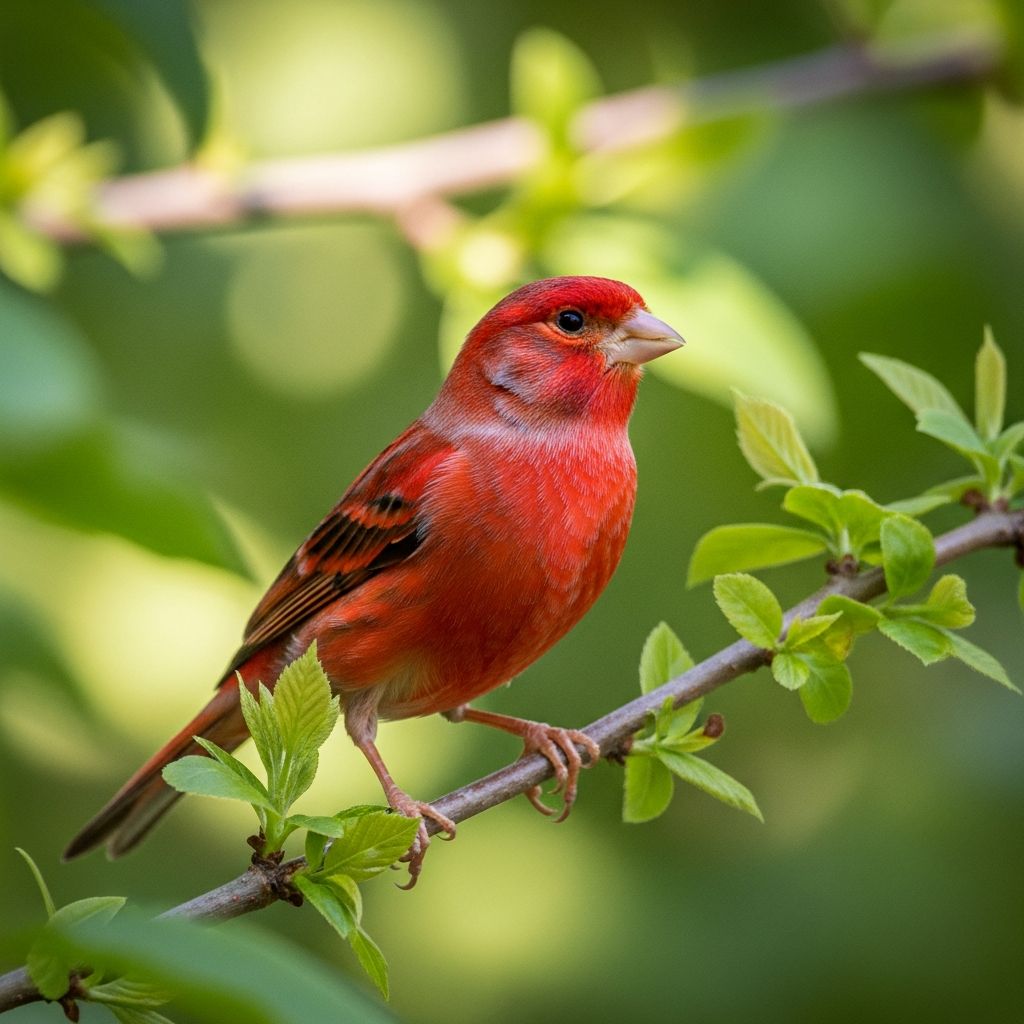
Red factor canaries represent one of the most visually striking varieties of domesticated canaries available to bird enthusiasts today. These vibrant birds captivate owners with their brilliant red and orange plumage, setting them apart from the traditional yellow canaries. The distinctive coloration of red factor canaries is not a natural occurrence but rather the result of decades of careful selective breeding and genetic manipulation. Unlike their yellow counterparts, red factor canaries are primarily bred for their stunning appearance rather than their singing ability, though many still produce pleasant vocalizations. Understanding the origins, characteristics, and care requirements of these remarkable birds is essential for anyone considering them as pets or engaging in breeding programs.
The Genetic Origins of Red Factor Canaries
The development of red factor canaries represents a fascinating achievement in avian genetics and selective breeding. These birds emerged through the deliberate cross-breeding of domestic yellow canaries with the Venezuelan red siskin, an endangered South American finch species. The genetic foundation of red factor canaries traces back to the early 20th century when breeders first successfully introduced red pigmentation genes from the siskin into the canary genome. The original cross between male red siskins and female domestic canaries produced hybrid offspring that exhibited characteristics of both parent species. However, these initial hybrids faced significant fertility challenges, with male offspring showing only partial fertility and female hybrids typically being infertile.
To overcome these reproductive limitations, breeders implemented a multi-generational backcrossing program, repeatedly breeding hybrid offspring with pure domestic canaries. This process continued for many years until the red coloration trait was successfully established while maintaining the standard canary phenotype and improving fertility rates. Modern genetic research has identified specific genomic regions responsible for red coloration in these birds. Scientists discovered that at least two genomic regions introgressed from red siskins into red factor canaries are necessary for red coloration, with one region containing the gene encoding a cytochrome P450 enzyme called CYP2J19. This enzyme plays a critical role in converting yellow dietary carotenoids into red ketocarotenoids, enabling the distinctive red pigmentation in feathers.
Physical Characteristics and Color Variations
Red factor canaries typically measure approximately 5.5 inches (14 centimeters) in length, maintaining the standard canary body structure while displaying striking red coloration. The classification of red factor canaries depends on their specific pigmentation patterns and genetic makeup. Within the lipochrome classification system used for canary breeding, red factor canaries fall into several distinct categories based on their coloration intensity and distribution.
Intensive red factor canaries display uniform lipochrome distribution throughout their feathers, resulting in bright, vibrant plumage with consistent coloration across the entire body. These birds present a uniform red appearance that catches the eye immediately. Non-intensive red factor canaries exhibit a different pattern, with feathers lacking pigmentation at the tips, creating a frosted appearance that appears more subdued than their intensive counterparts.
Beyond the intensive versus non-intensive distinction, red factor canaries also come in several color varieties. Red factor melanin canaries feature red as their base color accompanied by dark pigmentation, creating a rich, multi-dimensional appearance. Red factor lipochrome canaries lack melanin entirely but possess the red factor gene, producing plumage that ranges from soft pinks through vibrant oranges to deep red shades. The specific coloration an individual bird displays depends on its genetic inheritance and the intensity of pigment production in its feathers.
Proper Nutrition for Vibrant Coloration
Maintaining the vibrant red coloration of these birds requires careful attention to nutrition and dietary composition. The red pigmentation in canary feathers is not inherent to the birds themselves but rather develops through the consumption and processing of specific dietary carotenoids. Since the genetic modification in red factor canaries enables them to convert yellow carotenoids into red ketocarotenoids, providing foods rich in carotenoids becomes essential for color expression.
A proper diet for red factor canaries should include high-quality seeds formulated specifically for canaries, supplemented with fresh vegetables and fruits rich in carotenoid content. Foods such as carrots, sweet potatoes, leafy greens, and red peppers contribute significantly to color enhancement. Commercial color-conditioning foods designed specifically for red factor canaries often contain concentrated carotenoid supplements that optimize pigment production. Regular provision of these specialized foods during the molting season—when birds shed and regrow feathers—is particularly important for ensuring the next generation of feathers displays full color intensity. Without adequate carotenoid nutrition, even genetically superior birds will produce duller, less vibrant plumage.
Ideal Cage Setup and Environmental Conditions
Creating an appropriate living environment is fundamental to the health and well-being of red factor canaries. These birds require cages that provide adequate space for flight and movement. A minimum cage size of 24 inches in length is recommended for a single canary, with larger accommodations preferred for pairs or small groups. The cage should feature horizontal bars rather than vertical ones, as horizontal bars facilitate natural climbing behavior and exercise.
Proper lighting conditions significantly impact canary health and breeding success. Birds benefit from approximately 12-14 hours of natural or full-spectrum artificial light daily, with a corresponding dark period for rest and recovery. Many breeders utilize full-spectrum lighting to simulate natural sunlight, which supports feather coloration and overall physiological health. Temperature control is equally important, with red factor canaries thriving in environments maintained between 65-75 degrees Fahrenheit (18-24 degrees Celsius). Fluctuations in temperature should be minimized, as stress from temperature variations can negatively impact bird health and reproductive success.
Cage placement should avoid direct drafts, excessive humidity, and areas near kitchen appliances that produce fumes. The cage should include multiple perches of varying diameters to promote foot health and natural movement patterns. Nesting materials, small toys, and enrichment items encourage natural behaviors and mental stimulation. Regular cage cleaning—removing soiled bedding and uneaten fresh foods daily—maintains hygiene and prevents disease development.
Breeding Red Factor Canaries
Successful breeding of red factor canaries requires knowledge of genetics, selective breeding practices, and attention to proper environmental conditions. The foundation of any breeding program begins with carefully selecting appropriate breeding pairs.
Selecting Breeding Pairs
When choosing birds for breeding, select canaries displaying vibrant red plumage with strong genetic backgrounds demonstrated through their lineage. Consulting with experienced breeders or avian genetics experts helps ensure optimal pairing decisions. Consider both color intensity and consistency when evaluating potential breeding stock. Birds with a history of producing high-quality offspring are preferable to those with unknown backgrounds. Genetic diversity within breeding programs helps maintain vigor and reduces the risk of inherited health problems resulting from excessive inbreeding.
Nesting Conditions and Breeding Environment
Providing optimal nesting conditions encourages successful breeding behavior in red factor canaries. Clean, comfortable nests should be placed within the cage, positioned to provide both privacy and protection from disturbances. Nests designed specifically for canaries work well, or simple woven basket-style nests prove effective. Soft nesting materials such as dried grass, shredded paper, or commercial nesting material should be provided to help birds construct comfortable nest structures.
Breeding readiness in canaries is stimulated by increased day length, so maintaining 14-16 hours of light daily during breeding season encourages reproductive behavior. The presence of soft food items, increased protein sources, and mineral supplements supports reproductive physiology. Many breeders provide specially formulated breeding foods containing elevated levels of protein and essential nutrients. Monitoring pairs for successful egg production and hatching requires careful observation without excessive disturbance.
Health and Wellness Considerations
Maintaining the health of red factor canaries ensures their happiness and longevity. Regular health observations help identify potential problems before they become serious. Healthy canaries display bright eyes, smooth feathering, active behavior, and consistent appetite. Any changes in behavior, appetite, or appearance warrant veterinary consultation.
Common health considerations for red factor canaries include providing clean water daily, maintaining appropriate temperature and humidity levels, and preventing exposure to toxins such as fumes from non-stick cookware, aerosol sprays, and smoke. Regular veterinary check-ups by an avian specialist help identify and address health issues promptly. Providing a varied diet rich in vitamins and minerals supports immune function and overall health. Isolation of sick birds prevents disease transmission to other birds in the collection.
Song and Personality Characteristics
While red factor canaries are primarily bred for their color rather than their song, many individuals still produce pleasant, cheerful vocalizations. The singing ability in red factor canaries tends to be less developed than in song canaries bred specifically for their musical qualities. However, individual birds display varying degrees of singing inclination, with some males producing enthusiastic and complex songs while others remain relatively quiet. The personality of red factor canaries is generally friendly and active. These birds enjoy observing their surroundings and responding to environmental changes. Male canaries tend to be more vocal than females, particularly during breeding season when territorial and courtship songs become more pronounced.
Comparison of Canary Types
| Canary Type | Primary Characteristic | Coloration | Breeding Purpose |
|---|---|---|---|
| Red Factor Canary | Color | Red, orange, pink variations | Vibrant plumage |
| Yellow Canary | Color | Bright yellow | Classic appearance |
| Song Canary | Song | Various colors | Musical ability |
| Type Canary | Appearance | Various colors | Body structure and shape |
Frequently Asked Questions
Q: What is the lifespan of a red factor canary?
A: With proper care, red factor canaries typically live 10-15 years, with some individuals reaching 20 years of age. Longevity depends on nutrition, environmental conditions, and overall health management.
Q: Can red factor canaries be kept with other birds?
A: Red factor canaries can coexist with other canaries and some finch species, though males may be territorial during breeding season. Careful monitoring ensures compatibility and prevents aggressive interactions.
Q: How often should I provide color-enhancing foods?
A: Color-enhancing foods should be provided daily or several times weekly year-round, with increased frequency during molting season when new feathers develop and pigmentation becomes visible.
Q: What causes fading in red factor canary plumage?
A: Inadequate nutrition, insufficient lighting, poor water quality, and stress can all contribute to fading in red factor canary plumage. Ensuring proper diet and environmental conditions maintains vibrant coloration.
Q: Do red factor canaries require special veterinary care?
A: Red factor canaries benefit from regular check-ups with avian veterinarians familiar with canary care. They don’t require specialized treatment but do need preventative care focused on nutrition and environmental optimization.
Q: Can I breed red factor canaries successfully as a beginner?
A: Beginners can breed red factor canaries with proper research and mentorship from experienced breeders. Starting with quality breeding stock and following established breeding protocols increases success rates significantly.
References
- Caring for Your Red Factor Canary: Expert Tips — LA Pet Fair. 2025. https://www.lapetfair.com/red-factor-canary/
- Canary Colors Guide — Omlet US. 2025. https://www.omlet.us/guide/finches_and_canaries/canary/colors/
- Red factor canary — Wikipedia. 2024. https://en.wikipedia.org/wiki/Red_factor_canary
- Genetic basis for red coloration in birds — National Center for Biotechnology Information (NIH). 2016. https://pmc.ncbi.nlm.nih.gov/articles/PMC5125026/
- The Reason We Have Red Factor Canaries: Meet the Red Hooded Siskin — That Pet Place. 2010. https://blogs.thatpetplace.com/thatbirdblog/2010/04/27/the-reason-we-have-red-factor-canaries-meet-the-red-hooded-siskin-part-1/
- My Cheerful Red Factor Canaries — The Martha Stewart Blog. 2022-01-01. https://www.themarthablog.com/2022/01/my-cheerful-red-factor-canaries.html
- Canaries: Breeding for Song, Color, or Type — Exotic Bird Hospital. 2025. https://exoticbirdhospital.com/portfolio/canaries/
Similar Articles








Read full bio of Sneha Tete


