

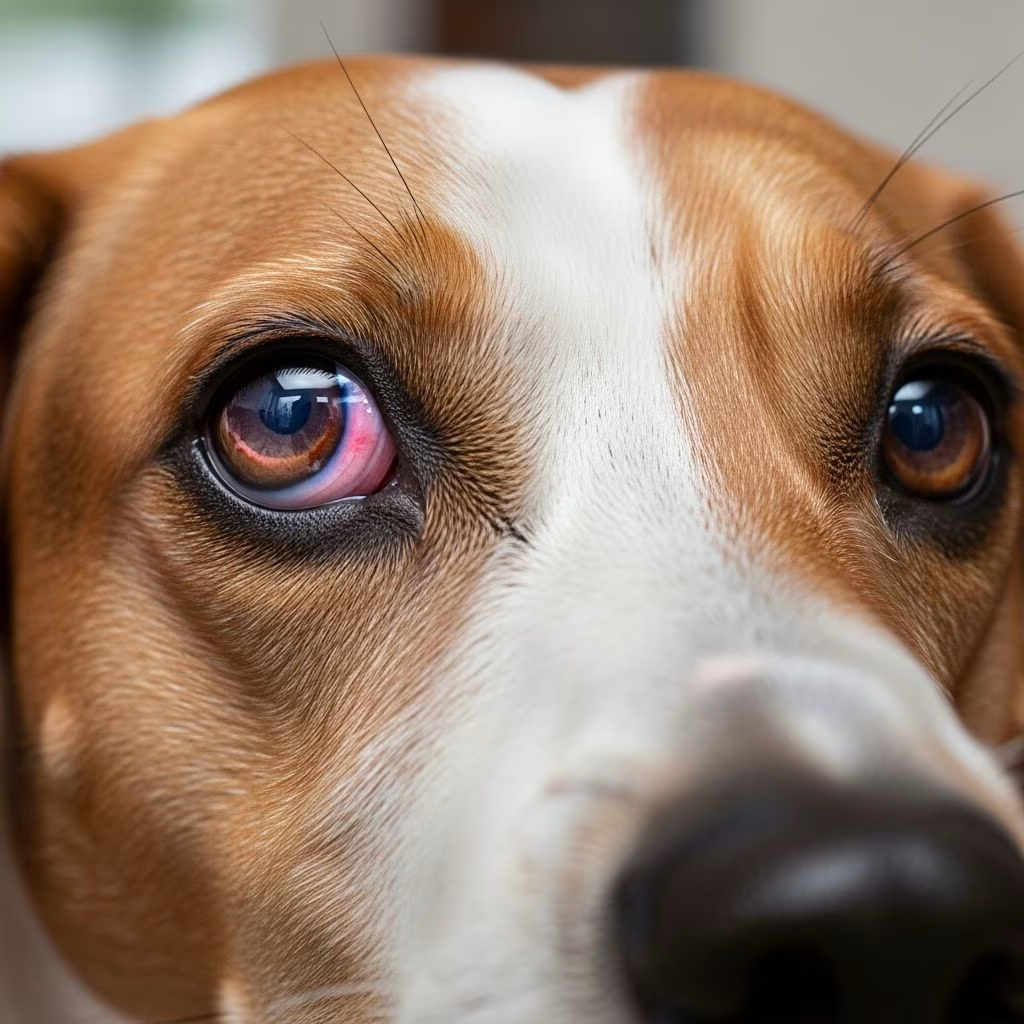
Red Eyes in Dogs: Causes, Symptoms, and Treatment Guide
Red eyes in your dog can be alarming and understandably concerning for any pet owner. Whether your dog is squinting, pawing at their eyes, or displaying unusual discharge, these signs indicate that something requires attention. Red eyes in dogs are a common symptom of numerous eye diseases and conditions, ranging from mild allergies to serious medical emergencies. Understanding the potential causes and knowing when to seek veterinary care is essential for protecting your dog’s vision and overall health.
The eye is a delicate and complex organ, and when inflammation occurs, it manifests as redness. This redness can develop for various reasons, such as infections, allergens, injuries, or underlying health issues. Most cases of red eyes in dogs require professional veterinary diagnosis and treatment to prevent complications and ensure your pet’s comfort.
Common Causes of Red Eyes in Dogs
Red eyes in dogs can stem from numerous conditions. Understanding these causes helps you recognize when your dog needs veterinary attention:
Conjunctivitis (Pink Eye)
Conjunctivitis is one of the most common eye conditions affecting dogs. This condition develops when the conjunctiva—the thin, moist tissue that lines the inner eyelid and covers the white part of the eye—becomes inflamed or infected. Conjunctivitis in dogs can result from bacterial infections, viral infections, or exposure to irritants and allergens. The inflammation causes the blood vessels in the eye to dilate, resulting in the characteristic red appearance. Most cases of conjunctivitis resolve within 7–10 days with appropriate veterinary treatment, though some cases may require ongoing management.
Dry Eye Syndrome
Dry eye syndrome, medically known as keratoconjunctivitis sicca (KCS), occurs when a dog’s immune system attacks and destroys the glands responsible for producing tears. Without adequate tear production, the eyes become red, inflamed, irritated, and painful. Dogs with dry eye syndrome may develop white-gray mucus discharge as the body attempts to compensate for the lack of tears. This condition requires lifelong treatment to prevent serious damage to the eyes and progressive vision loss.
Eye Allergies
Allergic conjunctivitis affects dogs just as allergies affect human eyes. When a dog’s eyes come into contact with allergens such as pollen, dust, or spores, an allergic response occurs. The tissue around the eye becomes swollen and inflamed, causing redness and itching. Dogs with eye allergies often rub their faces and eyes frequently and may display clear, cloudy, yellow, or greenish discharge. Seasonal allergies are particularly common, with increased occurrences during spring and fall when foliage is in bloom.
Eye Infections
Eye infections in dogs can affect the eyelid, the conjunctiva, or the eye itself and may be caused by bacteria, viruses, or fungus. Infected eyes typically produce yellow or green discharge and appear very red and swollen. Infections can develop as primary problems or secondary to other conditions such as corneal wounds or dry eye that compromise the eye’s natural defenses.
Glaucoma
Glaucoma occurs when fluids within the eye don’t drain properly, leading to increased intraocular pressure. This elevated pressure causes pain and discomfort, resulting in red and inflamed eyes. The cornea may appear cloudy or bluish, and the pupil may enlarge. Glaucoma is a serious condition that can lead to permanent vision loss if not treated promptly.
Cherry Eye
Cherry eye develops when the dog’s tear gland, located behind the third eyelid, becomes inflamed and swollen, forming a ball of pink tissue that blocks the inside of the eye. While it may not initially cause severe redness, cherry eye can lead to significant eye irritation and requires veterinary attention. Most cases require surgical intervention to replace the tear gland behind the third eyelid.
Pannus
Pannus is a chronic condition characterized by raised bumps on the cornea and a darkening in corneal color. Affected dogs develop red and inflamed eyes, squinting, and may experience pain from pawing at their eyes. In severe cases, pannus can progress to blindness if left untreated.
Corneal Dystrophy
Corneal dystrophy presents with a cloudy cornea, red eyes, and excessive discharge. Dogs may squint frequently and show signs of eye discomfort. While not typically a medical emergency, this condition warrants veterinary assessment to prevent progression.
Uveitis
Uveitis in dogs appears as a red eye with a hazy appearance and is notably painful. Dogs with this condition typically squint and attempt to paw or rub their affected eye, seeking relief from discomfort.
Recognizing Symptoms of Red Eyes in Dogs
When your dog develops red eyes, several accompanying symptoms may indicate the underlying condition:
Primary Symptoms
- Eye redness or inflammation
- Excessive squinting or blinking
- Pawing at the eye or rubbing the face
- Eye swelling or puffiness
- Excessive tearing or watery discharge
- Mucoid, yellow, green, or cloudy discharge
- Light sensitivity or photophobia
- Cloudiness or haziness of the eye
- Holding the eye closed
Secondary Symptoms
Beyond direct eye symptoms, dogs with eye problems may display behavioral changes including decreased activity, reluctance to go outside, bumping into objects, or difficulty navigating familiar spaces. These signs may indicate vision impairment related to the eye condition.
When to Seek Veterinary Care
While not all cases of red eyes constitute medical emergencies, certain situations require immediate professional attention. Contact your veterinarian promptly if you notice any of the following:
Urgent Warning Signs
- Severe eye pain or discomfort
- Difficulty seeing or apparent vision loss
- Very red and swollen conjunctiva and whites of the eyes
- Yellow, green, or red drainage from the eyes
- Swelling, crusting, and hair loss on the eyelids
- Eye discharge combined with redness and discomfort
- Cloudiness or color changes in the eye
- Persistent or worsening symptoms
- Signs of systemic illness accompanying eye problems
If left untreated, red eye conditions can severely worsen and affect your dog’s vision. Some conditions can progress to permanent blindness within hours or days if not addressed promptly.
Diagnostic Process at the Veterinary Clinic
When you bring your dog to the veterinarian with red eyes, the veterinary professional will conduct a thorough examination. Your veterinarian will look for other symptoms alongside the redness, including eye discharge characteristics, squinting intensity, and corneal cloudiness. The veterinarian may perform an eye stain to check for injury to the cornea and determine whether an infection is present. Additional diagnostic tests may include measuring tear production, assessing intraocular pressure, or examining the eye under magnification.
Treatment Options for Red Eyes in Dogs
Treatment for red eyes in dogs depends entirely on the underlying cause. Your veterinarian will recommend the most appropriate therapy based on their diagnosis:
Medication-Based Treatments
Eye Drops: Medicated eye drops are among the most common treatments for various eye conditions. Depending on the diagnosis, your veterinarian may prescribe antibiotic drops for infections, anti-inflammatory drops for allergies or inflammation, or lubricating drops for dry eye syndrome. Corticosteroid eye drops help reduce inflammation and itching associated with allergic conjunctivitis and other inflammatory conditions.
Oral Medications: For certain infections or systemic conditions affecting the eyes, oral antibiotics or antihistamines may be prescribed alongside topical treatments.
Specialized Ointments: Special dog eye ointments designed to preserve moisture and prevent tear gland destruction are essential for managing dry eye syndrome. These treatments help increase tear production and prevent serious eye damage.
Supportive Care
Your veterinarian may recommend flushing itchy eyes with a vet-approved eye wash to reduce irritation and provide temporary relief. This practice helps remove allergens and irritants from the eye surface.
Surgical Interventions
Some conditions require surgical treatment. Cherry eye, for instance, typically requires surgery to replace the displaced tear gland behind the third eyelid. While anti-inflammatory drops may occasionally resolve mild cases, surgery is necessary in most situations. Unfortunately, cherry eye can recur after surgery.
Prevention and Long-Term Management
While not all red eye conditions can be prevented, certain measures may reduce your dog’s risk:
Environmental Management
For dogs prone to seasonal allergies, limiting time outdoors during high pollen seasons may help reduce allergic eye flare-ups. Regular bathing removes pollen and allergens from your dog’s coat and face.
Ongoing Monitoring
Dogs with chronic conditions like dry eye syndrome or recurrent conjunctivitis require lifelong management and regular veterinary check-ups. Consistent application of prescribed treatments prevents complications and maintains eye health.
Regular Veterinary Examinations
Routine eye examinations during your dog’s annual wellness visits allow your veterinarian to detect early signs of eye problems before they progress to more serious conditions.
Frequently Asked Questions
Q: Are red eyes in dogs always a sign of infection?
A: No, red eyes can indicate various conditions including allergies, dry eye syndrome, injuries, glaucoma, and inflammation from multiple causes. A veterinary examination is necessary to determine the specific cause.
Q: Can I treat my dog’s red eyes at home?
A: While you can use a vet-approved eye wash to provide temporary relief, most cases of red eyes require professional veterinary treatment. Self-diagnosis and home treatment without veterinary guidance can delay necessary care and potentially worsen the condition.
Q: How long does it take for red eyes to resolve in dogs?
A: Most cases of conjunctivitis resolve within 7–10 days with appropriate veterinary care. However, resolution time depends on the underlying cause and severity. Chronic conditions may require long-term management.
Q: Can red eyes in dogs lead to blindness?
A: Yes, if left untreated, certain conditions causing red eyes—such as glaucoma, severe infections, or pannus—can progress to permanent vision loss or blindness. Prompt veterinary care is essential to prevent this outcome.
Q: Is red eye in dogs contagious?
A: This depends on the cause. Bacterial or viral conjunctivitis may be contagious to other dogs, while allergic reactions and dry eye syndrome are not contagious. Your veterinarian can advise on contagion risk based on your dog’s specific diagnosis.
Q: What should I do if my dog’s red eyes are accompanied by discharge?
A: The color and consistency of discharge provide diagnostic clues. Yellow or green discharge suggests infection, while clear discharge may indicate allergies. Gently wipe discharge away with a clean cloth, but schedule a veterinary appointment to determine the cause and appropriate treatment.
Key Takeaways
Red eyes in dogs warrant prompt attention from a veterinary professional. While some causes are relatively benign, others can threaten your dog’s vision if left untreated. If your dog’s eyes are red, if the skin on their face where tears have run is red and irritated, or if they show signs of eye discomfort, have your dog assessed by a veterinarian. By recognizing symptoms early and seeking appropriate care, you can help ensure your dog maintains healthy vision and comfort throughout their life.
References
- Conjunctivitis in Dogs: Symptoms and Treatment — PetMD. 2024. https://www.petmd.com/dog/condition/eyes/conjunctivitis-in-dogs
- Dry Eye Syndrome in Dogs — PetMD. 2024. https://www.petmd.com/dog/conditions/eyes/c_dg_keratoconjunctivitis_sicca
- Dog Eye Problems — PetMD. 2024. https://www.petmd.com/dog/general-health/evr_dg_eye_problems_in_dogs
- Dog Eye Allergies: Symptoms and Treatment — PetMD. 2024. https://www.petmd.com/dog/conditions/eyes/dog-eye-allergies-symptoms-and-treatment
- Glaucoma in Dogs: What Is It, and What Are the Symptoms? — PetMD. 2024. https://www.petmd.com/dog/conditions/eyes/glaucoma-dogs-what-it-and-what-are-symptoms
- 5 Types of Dog Eye Discharge and When To Go to the Vet — PetMD. 2024. https://www.petmd.com/dog/general-health/dog-eye-discharge
- Corneal Dystrophy in Dogs: Causes, Symptoms, and How To Treat It — PetMD. 2024. https://www.petmd.com/dog/conditions/eyes/corneal-dystrophy-dogs-causes-symptoms-and-how-treat-it



