

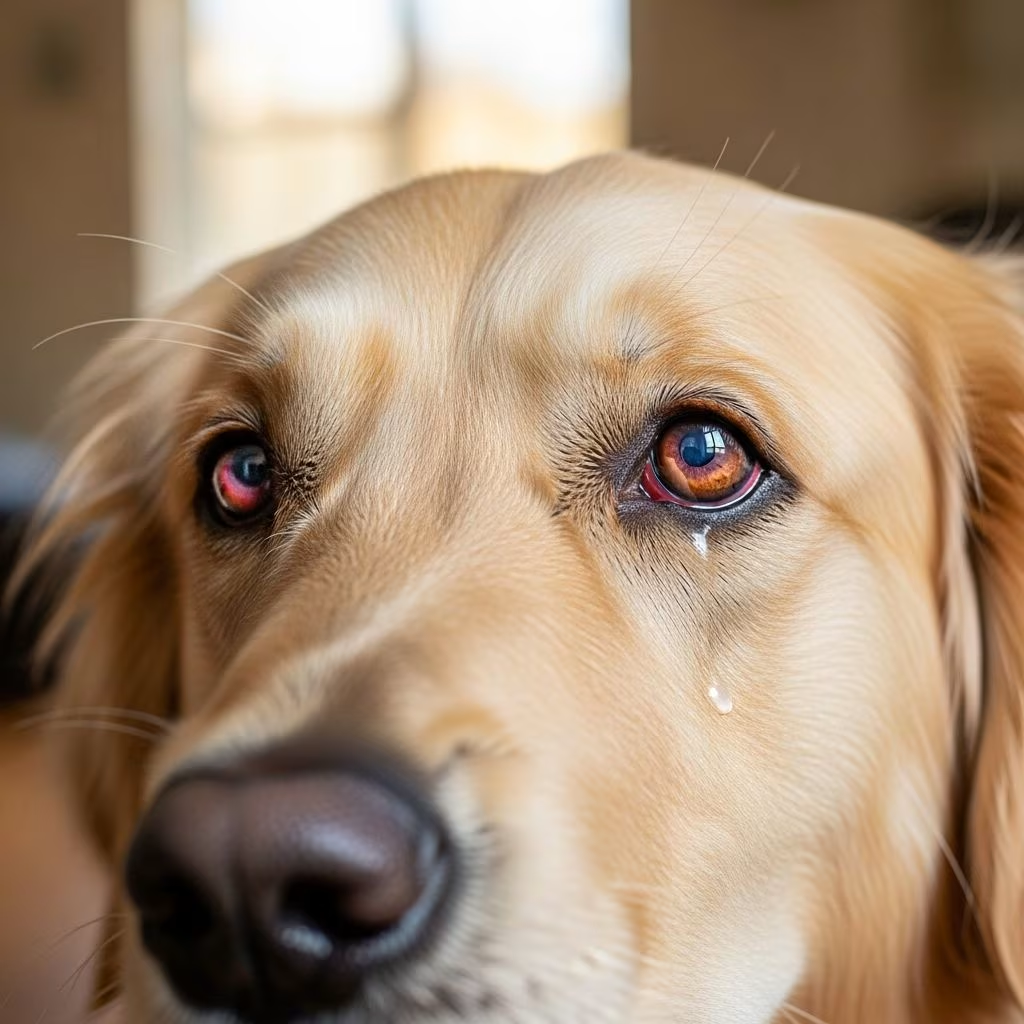
Red eyes in dogs signal potential irritation, infection, or underlying health issues that require prompt attention. Understanding the root causes helps pet owners decide between home monitoring and professional veterinary intervention.
Recognizing the Signs of Eye Distress in Canines
Dogs cannot verbalize discomfort, so physical changes like redness in the whites of the eyes or surrounding tissues often indicate a problem. Accompanying symptoms may include excessive tearing, thick discharge, squinting, pawing at the face, or cloudiness in the cornea. These signs vary by cause but consistently point to inflammation or injury.
- Watery discharge: Clear fluid suggests mild irritation; colored mucus indicates infection.
- Swelling: Puffy eyelids or bulged eyes signal acute issues like allergies or pressure buildup.
- Behavioral changes: Reluctance to open eyes, head tilting, or hiding shows pain levels.
Breeds with prominent eyes, such as Pugs or Bulldogs, or those with droopy lids like Bloodhounds, appear more prone to visible redness even without severe pathology.
Everyday Culprits: Allergies and Irritants
Environmental factors top the list of benign causes for red eyes. Pollen, dust, smoke, or household cleaners provoke allergic responses, leading to inflamed conjunctiva—the thin membrane covering the eye and inner eyelids.
Allergies manifest seasonally or year-round, often with systemic signs like itchy skin, sneezing, or paw licking. Flea saliva, grasses, and food proteins also trigger reactions. Insect bites near the face cause localized swelling, sometimes closing the eyes temporarily.
| Allergen Type | Common Sources | Symptoms Beyond Redness |
|---|---|---|
| Environmental | Pollen, dust mites, grasses | Itching, sneezing, runny nose |
| Contact | Smoke, chemicals, UV light | Watery eyes, mild swelling |
| Food-related | Proteins in diet | Skin rashes, ear infections |
Management starts with removing triggers: hypoallergenic bedding, air purifiers, or diet trials. Over-the-counter antihistamines suit mild cases, but veterinary confirmation prevents masking serious conditions.
Infections: Conjunctivitis and Beyond
Conjunctivitis, or pink eye, inflames the conjunctiva due to bacteria, viruses, or fungi. Dogs show red, swollen eyes with crusty discharge, similar to human cases. Transmission occurs via contact with infected pets or contaminated surfaces.
Treatment involves vet-prescribed antibiotic drops or ointments. Oral meds address severe infections. Untreated cases spread or lead to ulcers.
- Bacterial: Yellow-green pus, responds to antibiotics.
- Viral: Clear discharge, self-limiting but contagious.
- Fungal: Rare, needs specific antifungals.
Trauma and Surface Damage: Corneal Ulcers Explained
The cornea, the eye’s clear outer layer, sustains scratches from claws, branches, or long fur rubbing. Shallow ulcers cause redness, squinting, and tearing; deep ones risk infection or rupture.
Vets diagnose via fluorescein dye staining, which highlights defects under blue light. Protective collars prevent self-trauma during healing with antibiotic drops. Healing takes days to weeks; complications like scarring impair vision.
Breeds with shallow eye sockets face higher risks from normal play or grooming.
Dry Eye Syndrome: A Chronic Concern
Keratoconjunctivitis sicca (KCS) occurs when tear glands produce insufficient lubrication, drying the cornea and causing chronic redness, thick mucus, and pigmentation. Immune disorders, distemper, or diabetes underlie many cases.
Lifelong cyclosporine or tacrolimus ointments stimulate tears. Artificial tears provide interim relief. Surgery rerouting saliva ducts is a last resort, prone to mineral deposits.
Early detection prevents scarring and blindness; regular tear production tests guide monitoring.
Internal Inflammation: Uveitis Risks
Uveitis inflames the uvea (iris, ciliary body, choroid), causing red, cloudy eyes, pupil irregularities, and light sensitivity. Systemic triggers include infections, cancer, trauma, or autoimmunity.
Diagnostics involve bloodwork, imaging, and pressure checks to rule out secondary glaucoma. Steroids, anti-inflammatories, and pain relief form treatment; addressing root causes is crucial. Blindness looms if pressure spikes untreated.
Critical Emergency: Glaucoma Detection
Glaucoma stems from fluid buildup raising intraocular pressure, stretching eye tissues red and painful. Primary genetic forms affect predisposed breeds; secondary follows uveitis or lens luxation.
Acute signs—enlarged, hazy eyes, dilated pupils, behavioral agony—demand immediate care. Pressure-lowering drops, surgery, or enucleation (eye removal) manage it. Vision loss progresses rapidly; comfort prioritizes over salvage in advanced stages.
| Condition | Key Symptoms | Urgency Level |
|---|---|---|
| Allergies | Itchiness, bilateral redness | Low to moderate |
| Ulcers | Squinting, single eye affected | High |
| Glaucoma | Pain, cloudy cornea | Emergency |
Home Monitoring Versus Vet Visits
Observe mild, bilateral redness without discharge or pain for 24 hours, flushing gently with saline. Persistent or worsening signs warrant a vet exam.
Urgent flags: colored discharge, squinting, swelling, vision changes, or trauma history. Delays exacerbate damage in ulcers, uveitis, or glaucoma.
Prevent via grooming (trim fur), protective eyewear outdoors, flea control, and routine eye checks.
Diagnostic Approaches in Veterinary Practice
Vets start with history and exam, using tools like tonometry for pressure, Schirmer tear tests, and stains. Ultrasounds or blood panels probe deeper causes.
Referral to ophthalmologists suits complexities like recurrent KCS or suspected tumors.
Preventive Strategies for Healthy Canine Eyes
- Annual wellness exams catch early issues.
- Allergen-free environments reduce flare-ups.
- Protect during high-risk activities (goggles for adventures).
- Balanced diets support immune and tear health.
Frequently Asked Questions
Can I use human eye drops for my dog?
No—human products may worsen canine conditions. Consult a vet for species-safe options.
How long before red eyes become serious?
Monitor mild cases 1-2 days; seek help if symptoms intensify or persist.
Are certain breeds more prone?
Yes, brachycephalics (short-nosed) and those with ectropion (droopy lids) face elevated risks.
Does diet affect eye health?
Nutrient deficiencies or allergies can contribute; vet-recommended foods help.
Is blindness inevitable with glaucoma?
Not always immediately—early intervention delays progression, prioritizing comfort.
References
- The Dreaded Red Eye: 5 Serious Causes in Dogs — Envision Eye Vet. 2023. https://envisioneyevet.com/the-dreaded-red-eye-5-serious-causes-in-dogs/
- Why Are My Dog’s Eyes Red? Top 6 Reasons — VEG ER for Pets. 2023. https://www.veg.com/post/why-are-my-dogs-eyes-red-top-6-reasons
- What to do if the skin around your dog’s eyes is red — Vetster. 2023. https://vetster.com/en/wellness/what-to-do-if-the-skin-around-your-dog-s-eyes-is-red
- Why Are My Dog’s Eyes Red? — Purina US. 2023. https://www.purina.com/articles/dog/health/symptoms/why-are-my-dogs-eyes-red
- Why is My Pet’s Eye Red? Understanding Common Causes — Shuler Vet Clinic. 2023. https://shulervetclinic.com/why-is-my-pets-eye-red-understanding-common-causes-and-when-to-seek-help/



