
Red Colored Pet Birds: Vibrant Feathered Companions
Discover stunning red-plumaged birds perfect for your home and aviary.
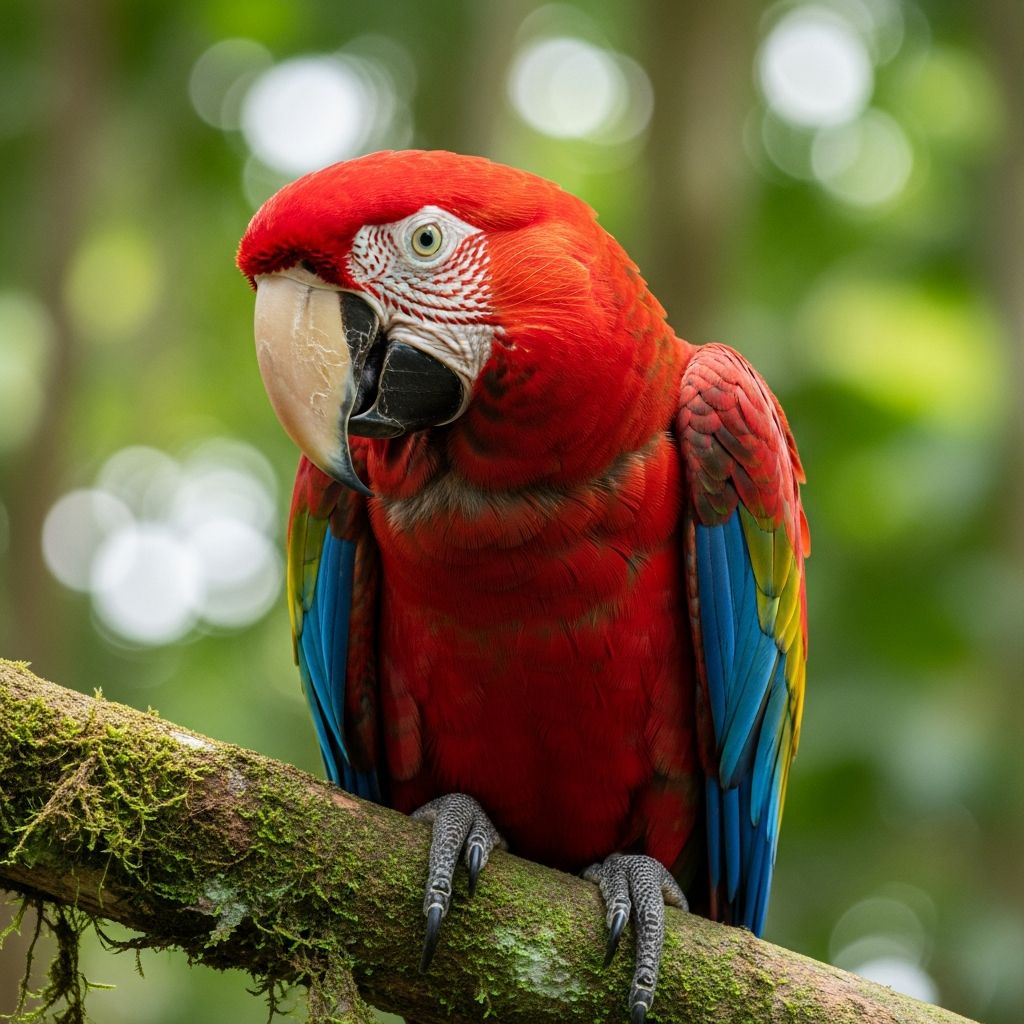
Understanding Red Colored Pet Birds
Red-colored pet birds represent some of the most visually striking and sought-after avian companions available to bird enthusiasts today. These vibrant feathered friends captivate with their brilliant plumage and engaging personalities, making them favorites among both novice and experienced bird keepers. Whether you’re drawn to the playful energy of red lories or the majestic presence of macaws, red birds offer a unique blend of beauty and behavioral intrigue that sets them apart from other pet bird species.
The appeal of red-colored birds extends beyond their stunning appearance. Many red bird species exhibit remarkable intelligence, social complexity, and entertaining behaviors that create meaningful bonds with their human companions. Understanding the characteristics, needs, and personalities of different red bird species is essential for anyone considering adding one of these remarkable creatures to their household.
Red Lories: Playful and Energetic Companions
What Makes Red Lories Special
The red lory stands as one of the most commonly kept lory species in captivity, renowned for its playful personality and gorgeous appearance. These high-energy parrots capture the hearts of bird fanciers and advanced pet bird owners alike. Originally from Indonesia, red lories have become beloved companions in households worldwide, though they require experienced care and attention to their specialized needs.
The red lory’s distinctive appearance features primarily deep, pomegranate-red plumage with striking blue markings on the wings and face. These birds range from 10 to 12 inches in size and sport an orange beak. Perhaps their most remarkable feature is their specialized tongue, which resembles a tiny brush and evolved specifically to extract pollen and nectar from flowers—their favorite natural food.
Care and Feeding Requirements
Red lories are notably the messiest of common companion birds due to their primarily liquid diet, which results in liquid droppings they enthusiastically project throughout their environment. This unique characteristic necessitates careful planning regarding cage placement and flooring protection. These birds require substantial cage space and considerable out-of-cage freedom, making them ideal for dedicated owners prepared to manage ongoing household challenges.
The nutritional needs of red lories differ significantly from most other pet birds. They require a specialized fruit and nectar-based diet rather than traditional seed-based nutrition. While they may crack some seeds, seeds should constitute only a minimal portion of their diet, as their natural wild diet consists primarily of flowers, nectar, pollen, and insects. Owners can supplement their diet with mealworms, readily available at pet shops. Commercial lory nectar and fresh fruit form the foundation of their daily nutrition, though both spoil quickly, requiring frequent food changes—especially crucial in warm weather to prevent bacterial contamination and foodborne illness.
Personality and Health Considerations
Red lories exhibit highly intelligent and active personalities, constantly seeking adventure and mischief the moment supervision lapses. They demonstrate an insatiable love for toys and require an endless rotating supply to maintain mental stimulation and prevent behavioral issues. Remarkably, these active birds tend to be less destructive to their toys compared to many other hookbills.
These chatty birds make excellent pets but can display a nippy temperament at times, as they are energetic, temperamental birds perpetually seeking their next adventure. With proper care and a specialized diet, red lories can live for more than 30 years, though they require an attentive owner committed to their specific requirements. A particular concern for red lories is hemochromatosis, or iron storage disease—a metabolic disorder causing excessive iron accumulation in body tissue that can prove fatal. Consultation with an avian veterinarian regarding optimal dietary choices is essential for preventing this serious condition.
Rosellas: Colorful Aviary Birds
Crimson Rosellas
Crimson rosellas capture attention with their eye-catching colors and equally enchanting whistle sounds. These birds bring vibrancy to both aviary and home settings, producing distinctive vocalizations that many bird enthusiasts find delightful. Their striking appearance makes them hard to overlook, and their musical calls create an engaging soundscape.
Golden-Mantled Rosellas
Golden-mantled rosellas make excellent choices for those seeking gorgeous birds suitable for aviary or habitat settings with adequate space. These birds thrive in larger environments where they can display natural behaviors and interact with their surroundings. If you possess the room to provide appropriate accommodations and the commitment to meet their specialized needs, golden-mantled rosellas reward owners with their beauty and engaging personalities.
Eclectus Parrots: Stunning Sexual Dimorphism
Eclectus parrots stand out as genuinely unique avian companions, featuring characteristics so distinctive they appear almost fictional. These remarkable birds display striking sexual dimorphism—females display bright red feathers, while males exhibit bright green plumage with distinctive candy corn-colored beaks. Beyond their mesmerizing and unusual appearance, eclectus parrots can develop into great companions for dedicated owners.
The visual contrast between male and female eclectus parrots makes them immediately recognizable and endlessly fascinating to observe. Their fur-like feather appearance adds another layer of tactile and visual interest, distinguishing them from more traditional parrot species.
Macaws: Gentle Giants with Vibrant Appeal
The Green-Winged Macaw
The green-winged macaw ranks among the largest macaw species, commanding attention through sheer size and presence. Although their large beaks can appear intimidating at first glance, these macaws have earned reputations as gentle giants. With proper socialization and care, well-adjusted green-winged macaws demonstrate friendly and affectionate behavior toward their human companions.
Macaw Characteristics and Behavior
Macaws’ substantial size and vibrant coloring make them virtually impossible to overlook in any setting. These highly social birds can create substantial noise when inclined, and their clownish, entertaining antics ensure they draw considerable attention and amusement from observers. Despite their formidable appearance, well-socialized macaws frequently become friendly and affectionate companions for their owners.
Red-Factor Canaries: Specialized Coloration
Red-factor canaries maintain the body type characteristic of standard canaries but possess one extraordinary trait—when provided a specialized diet, their coloring transforms dramatically. This unique quality appeals to enthusiasts interested in color manipulation through nutrition. Canaries have enjoyed popularity among bird keepers for centuries and have been selectively bred into more than 200 distinct breeds, much like dog breeds, with each variety prized for particular skills or aesthetic qualities.
Rainbow Lories and Scarlet Macaws: Personality Powerhouses
Rainbow Lories
The rainbow lory personality exemplifies the intense, outgoing nature characteristic of lory species. These birds are not shy—they embrace life with bubbly, enthusiastic energy. Often described as the “coach” of the bird world, rainbow lories encourage play and interaction whenever their favorite humans are present, creating engaging and entertaining household dynamics.
Scarlet Macaws
Scarlet macaws display a distinctly “sassy” demeanor filled with energy and personality. Highly intelligent and notably capable escape artists, these birds demand respect and proper containment. Their combination of beauty, intelligence, and mischievous nature makes them compelling companions for experienced bird owners ready for the challenge.
Sourcing Red Colored Pet Birds
Red-colored birds are available through multiple channels, including traditional pet stores, specialized avian retail establishments, and dedicated bird breeders. For those preferring rescue options, many avian-rescue organizations maintain red-colored birds awaiting adoption. This diversity of sourcing options allows prospective owners to find birds that match their preferences and circumstances.
Health and Common Conditions in Red Birds
Red birds require vigilant health monitoring, particularly regarding their specialized dietary needs. Since nectar and fruit-based diets are highly perishable, bacterial infections associated with food spoilage represent a significant concern. Regular food replacement and replenishment are essential, with increased frequency during warm weather when rich foods rapidly become contaminated.
Hemochromatosis remains a primary health concern for lory species, potentially arising from hereditary factors and dietary considerations. Regular avian veterinary check-ups and professional guidance on optimal nutrition help prevent this serious condition. Understanding normal versus abnormal droppings also assists in early disease detection, allowing prompt veterinary intervention when necessary.
Comparison of Popular Red Bird Species
| Species | Size | Lifespan | Temperament | Noise Level | Care Complexity |
|---|---|---|---|---|---|
| Red Lory | 10-12 inches | 30+ years | Playful, Nippy | High | Advanced |
| Crimson Rosella | Medium | 15-20 years | Engaging | Moderate | Intermediate |
| Eclectus Parrot | Large | 30+ years | Calm, Gentle | Moderate | Intermediate |
| Green-Winged Macaw | Very Large | 30-50+ years | Affectionate, Social | Very High | Advanced |
Frequently Asked Questions About Red Pet Birds
Q: Are red lories suitable for beginner bird owners?
A: Red lories are better suited for advanced bird keepers rather than beginners. They require specialized care, specialized diets, demand significant attention, and create considerable mess due to their liquid diet. Prospective owners should have experience with high-maintenance birds before committing to a red lory.
Q: How much space do red birds need?
A: Space requirements vary by species. Red lories require substantial cage dimensions and significant out-of-cage freedom daily. Macaws also need spacious accommodations. Rosellas thrive best in aviary settings with ample room to fly and display natural behaviors.
Q: What is the typical lifespan of red-colored pet birds?
A: Lifespans vary considerably. Red lories can live 30+ years, macaws often live 30-50+ years, while rosellas typically live 15-20 years. The specific lifespan depends on the species, genetics, diet quality, and veterinary care received.
Q: Can red birds talk and make noise?
A: Most red bird species are vocal. Lories are notably chatty, producing high-pitched squawks and shrill cries. Macaws can be extremely loud. Rosellas produce whistling sounds. Prospective owners should consider noise tolerance before acquiring these birds.
Q: What diet is appropriate for red lories?
A: Red lories require specialized fruit and nectar-based diets rather than traditional seed-based bird food. Commercial lory nectar and fresh fruit should form their nutritional foundation, with occasional mealworms. Seeds should be minimal, as they don’t reflect the birds’ natural wild diet.
Q: Are red birds good for apartments or small homes?
A: Most red bird species are not ideal for apartments due to their noise levels and space requirements. Smaller species like red-factor canaries might be more suitable, but lories, macaws, and larger rosellas generally require homes with adequate space and noise tolerance from neighbors.
Conclusion: Choosing Your Red Feathered Companion
Red-colored pet birds offer remarkable beauty, intelligence, and personality for committed bird enthusiasts. From the specialized care requirements of red lories to the gentle giant nature of green-winged macaws, these vibrant companions bring joy and fascination to households prepared for their unique needs. Success with red birds requires understanding their specific dietary, environmental, and social requirements, along with commitment to their long-term wellbeing. Those willing to invest time, resources, and dedication will find red birds to be extraordinary, rewarding additions to their lives.
References
- Red Lory – Pet Birds by Lafeber Co. — Lafeber Company. Accessed 2025-11-28. https://lafeber.com/pet-birds/species/red-lory/
- Red Colored Pet Birds – Lafeber Co. — Lafeber Company. Accessed 2025-11-28. https://lafeber.com/pet-birds/color/red/
- Bird Care Articles in Laporte, CO — Laporte Animal Clinic. Accessed 2025-11-28. https://www.laporteanimalclinic.com/exotics/bird-care-articles/
- Basic Information Sheet: Lory and Lorikeet – LafeberVet — LafeberVet, Lafeber Company. Accessed 2025-11-28. https://lafeber.com/vet/basic-information-sheet-for-the-lory-and-lorikeet/
Similar Articles








Read full bio of Sneha Tete


