

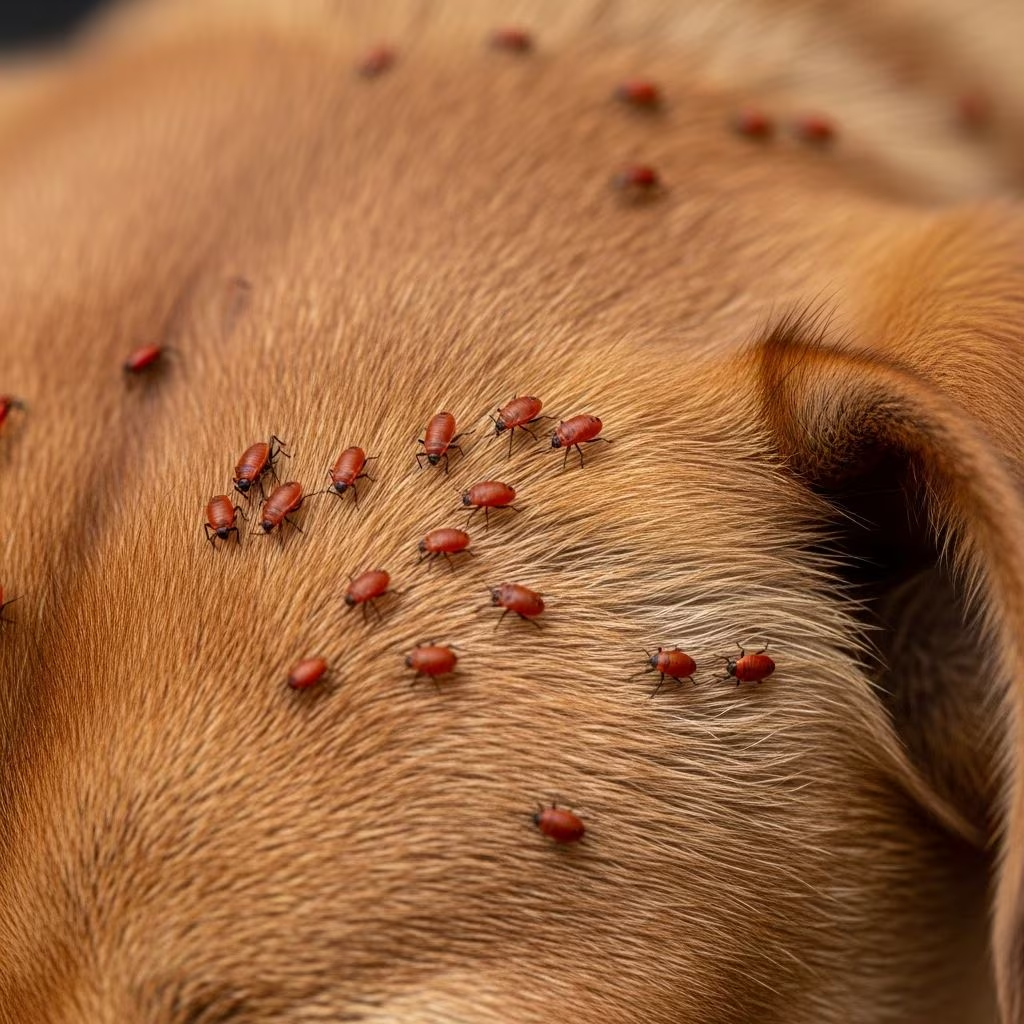
Red bugs on dogs, often appearing as tiny orange-red specks, are parasitic mites like chiggers or harvest mites that latch onto the skin, causing severe discomfort. These pests thrive in warm, grassy environments and target areas with thin fur, leading to intense itching and potential secondary infections if untreated.
Common Types of Red Bugs Affecting Canines
Dogs encounter several mite species manifesting as red bugs, each with unique life cycles but similar impacts on pet health. Understanding these distinctions aids in precise identification and management.
- Chiggers (Trombicula mites): Larvae stage attaches to hosts, feeding on skin fluids before dropping off to mature. Visible as orange-red dots on ears, belly, and legs.
- Harvest mites: Seasonal pests peaking in late summer, favoring feet, legs, and ears with bright orange coloration and inflammatory bites.
- Related mites like Cheyletiella: Known as walking dandruff, these cause scaling and itching, though less overtly red.
These mites do not burrow deeply but inject enzymes that liquefy skin cells for feeding, triggering allergic responses.
Recognizing Symptoms of Red Bug Infestations
Early detection hinges on observing behavioral and physical changes. Dogs often scratch excessively, focusing on vulnerable spots.
| Symptom | Description | Common Locations |
|---|---|---|
| Red raised bumps | Itchy, inflamed welts from mite bites | Ears, head, legs, belly |
| Intense itching | Persistent scratching leading to raw skin | Feet, undersides, face |
| Rashes and erythema | Reddened patches, sometimes with pimples | Abdomen, elbows |
| Hair loss (alopecia) | Patches of thinning fur from irritation | Advanced cases on legs, ears |
| Secondary issues | Crusts, scabs, pus from infections | Bite sites |
Beyond visible signs, dogs may show restlessness, stained fur from licking, or lethargy in severe cases. Unlike fleas, these mites cause pinpoint irritation rather than widespread flea dirt.
Life Cycle and Transmission Risks
Red bugs complete their cycle in soil or vegetation. Adults lay eggs that hatch into larvae seeking hosts like dogs passing through infested grass. Larvae engorge over days, detach, and molt into nymphs, restarting the process.
- Seasonal peaks: Late summer to fall in temperate regions.
- Transmission: Direct contact with environments, not dog-to-dog primarily.
- High-risk areas: Grassy fields, bushes, wooded trails.
Infestations spread indirectly via shared bedding, though less common than environmental exposure. Immunocompromised or young dogs face higher risks.
Accurate Diagnosis from a Veterinarian
Vets confirm infestations through history, exams, and tests. Skin scrapings reveal mites under microscopy, though larvae may evade detection.
- Physical check for orange specks and lesions.
- Deep scrapings or tape tests for larvae.
- Rule out allergies or fleas via trials.
- Blood tests for underlying issues in chronic cases.
If mites elude initial tests, therapeutic trials with antiparasitics confirm diagnosis. Prompt vet visits prevent escalation to bacterial infections.
Effective Treatment Strategies
Treatment combines killing mites, soothing skin, and preventing reinfestation. Always consult vets for tailored plans.
- Topical applications: Fipronil sprays, selamectin, or moxidectin target mites directly.
- Systemic options: Oral ivermectin (avoid in collies) or isoxazolines.
- Supportive care: Antibiotics for infections, steroids for inflammation.
- Bathing: Mild shampoos remove mites; avoid overbathing.
Improvement occurs within 1-2 weeks, full resolution in 4-8 weeks. Treat all household pets preemptively.
Environmental Control Measures
Mites persist in yards, requiring thorough cleaning.
- Wash bedding in hot water weekly.
- Vacuum carpets and treat with insecticides.
- Mow grass short; avoid high-risk areas.
- Apply yard sprays safe for pets post-treatment.
Multi-pet homes demand kennel treatments to break cycles.
Prevention Tips for Year-Round Protection
Proactive steps minimize exposure.
| Strategy | Frequency | Benefits |
|---|---|---|
| Use flea/tick preventives | Monthly | Many cover mites |
| Regular grooming checks | Weekly | Early detection |
| Avoid tall grass | During walks | Reduces contact |
| Post-outing baths | After high-risk areas | Removes larvae |
Boost immunity via balanced diets and vet checkups, especially for puppies.
Frequently Asked Questions (FAQs)
Are red bugs on dogs contagious to humans?
Rarely; they prefer animal hosts but may cause transient itching.
How long do chiggers stay on a dog?
Larvae feed 3-5 days then drop off.
Can I treat red bugs at home without a vet?
Not recommended; misdiagnosis risks worsening.
What if my dog has hair loss from red bugs?
Monitor for infection; seek vet for regrowth aids.
Do harvest mites survive winter?
No, they die off; risk returns in warm seasons.
Long-Term Skin Health for Dogs
Beyond acute infestations, maintain skin barriers with omega fatty acids and hypoallergenic diets. Regular vet dermatology screens catch issues early. Educated owners prevent most cases through vigilance.
Red bugs pose temporary threats but yield to informed action. Consistent prevention ensures dogs enjoy outdoor adventures itch-free.
References
- Trombiculiasis (Chiggers) in Dogs – Symptoms, Causes, Diagnosis — WagWalking. 2023. https://wagwalking.com/condition/trombiculiasis-chiggers
- Mite Infestation (Mange, Acariasis, Scabies) in Dogs — Merck Veterinary Manual. 2024-01-15. https://www.merckvetmanual.com/dog-owners/skin-disorders-of-dogs/mite-infestation-mange-acariasis-scabies-in-dogs
- Sarcoptic Mange (Scabies) — Cornell University College of Veterinary Medicine. 2023-06-20. https://www.vet.cornell.edu/departments-centers-and-institutes/riney-canine-health-center/canine-health-topics/sarcoptic-mange-scabies
- Harvest Mites in Dogs — PDSA. 2024. https://www.pdsa.org.uk/pet-help-and-advice/pet-health-hub/conditions/harvest-mites-in-dogs
- Harvest Mites in Pets — FOUR PAWS USA. 2023-09-10. https://www.fourpawsusa.org/our-stories/publications-guides/harvest-mites-in-pets



