

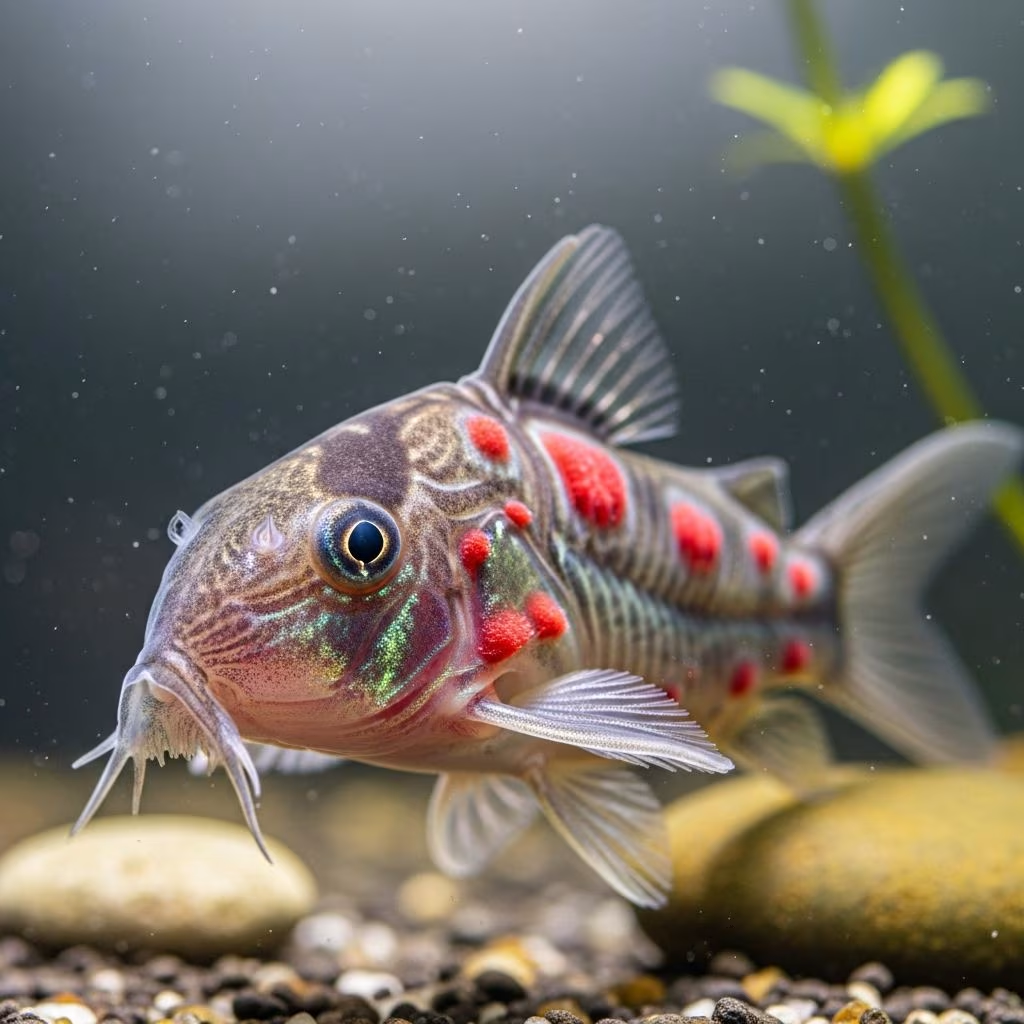
Understanding Red Blotch Disease in Corydoras Catfish
Red blotch disease is a bacterial infection that primarily affects Corydoras catfish, particularly those that have recently been imported or introduced to new aquarium environments. This condition manifests as red or crimson markings on the fish’s body, belly, or base of the fins, and it represents one of the most concerning health issues that aquarium keepers encounter when maintaining these popular bottom-feeding catfish. Understanding the nature of this disease, its causes, symptoms, and treatment options is essential for anyone maintaining a Corydoras-populated tank.
The disease typically emerges in stressed fish or those exposed to poor water conditions, making environmental management a critical component of both prevention and recovery. While red blotch disease can be serious if left untreated, early detection and appropriate intervention significantly improve survival rates and recovery outcomes.
What Causes Red Blotch Disease?
Red blotch disease in Corydoras catfish is primarily caused by bacterial infections, most commonly stemming from gram-negative bacteria that trigger a condition known as hemorrhagic septicemia. This bacterial infection causes blood vessels beneath the fish’s skin to rupture or leak, resulting in the characteristic red or blood-red blotches that give the disease its name.
Several factors contribute to the development of this disease in Corydoras populations:
- Shipping stress: Red blotch disease most frequently occurs in recently imported fish, as the stress of transportation weakens their immune systems and makes them susceptible to bacterial infection
- Poor water conditions: Elevated ammonia levels, high nitrite concentrations, or excessive carbon dioxide levels can trigger the onset of this bacterial infection
- Temperature fluctuations: Sudden changes in water temperature stress the fish’s immune system, making them vulnerable to opportunistic pathogens
- Low oxygen levels: Inadequate aeration during shipping or in poorly maintained tanks can contribute to bacterial infections
- Secondary infections: Red blotch disease sometimes follows parasitic infections when the fish’s immune system is already compromised
Recognizing the Symptoms
Early identification of red blotch disease is crucial for successful treatment. The most obvious symptom is the appearance of red markings on the fish’s body, but understanding the specific characteristics of these markings helps differentiate this condition from other aquarium ailments.
Primary visual indicators include:
- Blood-red blotches appearing on the body, belly, or base of fins
- Reddish areas that may spread across the fish’s skin
- Localized hemorrhaging visible as crimson or bright red patches
- In severe cases, fin damage or deterioration
- Lethargy or unusual behavior, such as staying on the bottom of the tank
It’s important to distinguish between red blotch disease caused by bacterial infection and similar-looking conditions caused by ammonia or carbon dioxide poisoning from shipping. Fish that develop red blotches during or immediately after shipping are often suffering from carbon dioxide/ammonia poisoning rather than bacterial infection, a critical distinction for determining appropriate treatment.
Treatment Options for Red Blotch Disease
Successfully treating red blotch disease requires a multi-faceted approach combining environmental optimization with appropriate medical interventions. The treatment strategy depends on the severity of the infection and the specific causative bacteria involved.
Antibiotic Treatments
Since red blotch disease is caused by bacterial infection, antibiotic therapy forms the cornerstone of treatment. Most cases involve gram-negative bacteria, making broad-spectrum antibiotics particularly effective. Commonly recommended antibiotics include Seachem KanaPlex, Mardel Maracyn 2, Thomas Labs Fish Mox, and Fish Doxy.
Medications can be administered through the aquarium water or incorporated into medicated food. Many experienced aquarists prefer medicated food administration, as it provides targeted treatment and minimizes disruption to the tank’s beneficial bacterial colony. To prepare medicated food, blend powdered gelatin with dry fish food and add a small amount of the prescribed medication according to package directions.
Environmental Management
Equally important as medication is optimizing the aquarium environment to support the fish’s immune system during recovery. Recommended environmental adjustments include:
- Frequent water changes: Perform 25-50% water changes every 2-3 days to reduce stress and maintain optimal water quality
- Lower water level: Reducing the water level to 2-3 inches temporarily reduces physical stress on affected fish
- Improved aeration: Ensure adequate oxygen supply through air stones or gentle filtration to support recovery
- Optimal temperature: Maintain water temperature between 76-78°F (24-26°C) to support immune function
- Tank quarantine: Move affected fish to a separate quarantine tank to isolate the infection and prevent spread
Supportive Care Treatments
In addition to antibiotics, several supportive treatments have shown promise in helping Corydoras recover from red blotch disease. These include:
- Salt treatments: Adding aquarium salt at a concentration of 1 tablespoon per 3 gallons of water can provide antimicrobial benefits and reduce stress
- Herbal remedies: Melafix, derived from tea tree oil, has anecdotally helped some aquarists, though results are variable
- Specialized fish foods: High-quality foods containing grapefruit seed extract, Moringa, or other immune-supporting ingredients can facilitate recovery
- Medicated food with Dr. Bassleer Biofish formulations: These foods provide nutritional support during bacterial infections and can reduce or eliminate the need for additional antibiotics
Prevention Strategies
Preventing red blotch disease is far more effective than treating it. Several strategies can significantly reduce the likelihood of this condition developing in your Corydoras population.
Quarantine Procedures
Implementing a strict quarantine protocol for all newly acquired fish is the most effective prevention method. New fish should spend 2-4 weeks in a separate tank before introduction to the main aquarium. This allows you to monitor for signs of disease and ensures any pathogens do not contaminate your established system.
Shipping Considerations
If you’re importing fish or receiving them through mail order, request proper shipping procedures from suppliers. Ensure that shipping bags contain adequate air space (approximately 80% air) and that suppliers add pure oxygen to bags. This dramatically reduces carbon dioxide and ammonia accumulation during transit, minimizing stress-related bacterial infections.
Water Quality Management
Maintaining pristine water conditions is fundamental to prevention. Regular monitoring of ammonia, nitrite, and nitrate levels prevents the environmental stress that triggers bacterial infections. Perform weekly 25-30% water changes and maintain effective biological filtration to keep the nitrogen cycle functioning optimally.
Stress Reduction
Corydoras are sensitive fish that require stable environments. Maintain consistent water temperature, provide adequate hiding places with plants or decorations, and avoid sudden environmental changes. A less stressed population has stronger immune systems capable of resisting bacterial infections.
Contagiousness and Tank Considerations
Red blotch disease caused by bacterial infection can potentially spread to other fish in the tank, particularly under stress conditions. While not all tank mates will necessarily contract the disease, quarantining affected fish is recommended to prevent transmission and to provide focused treatment in a controlled environment.
When treating a fish with red blotch disease in the main tank, monitor all other inhabitants closely for symptoms. If multiple fish show signs of infection, treating the entire tank with appropriate antibiotics may be necessary. However, this should be carefully considered as antibiotics can reduce beneficial bacteria in your biological filter.
Long-term Recovery and Monitoring
Recovery from red blotch disease can take several weeks, depending on infection severity and treatment effectiveness. After visible symptoms resolve, continue monitoring the affected fish for at least 2-4 additional weeks before reintroducing it to the main tank. Some fish may experience permanent damage, such as scarring or fin deterioration, but many recover completely with proper treatment.
Maintaining excellent water conditions throughout the recovery period is essential. Continue performing frequent water changes and monitor the fish’s behavior, appetite, and appearance. A recovering Corydoras should gradually resume normal activity and feeding behavior.
When to Seek Professional Help
If your fish shows no improvement after 2-3 weeks of appropriate treatment, or if the condition rapidly deteriorates despite intervention, consult with an aquatic veterinarian. Some bacterial strains may be resistant to standard aquarium antibiotics, requiring alternative treatment approaches. Additionally, if you suspect the red blotches result from something other than bacterial infection—such as nutritional deficiencies or genetic conditions—professional diagnosis becomes important.
Frequently Asked Questions About Red Blotch Disease
Q: Is red blotch disease contagious to other fish in the tank?
A: Yes, red blotch disease caused by bacterial infection can spread to other fish, particularly those already stressed or with compromised immune systems. Quarantining affected fish is recommended to prevent transmission to healthy tank mates.
Q: How long does treatment typically take?
A: Most cases respond to treatment within 2-4 weeks, though recovery may continue beyond this period. Continue treatment for the full duration recommended on medication packaging, even if symptoms appear to resolve.
Q: Can I treat red blotch disease without medication?
A: While environmental optimization and supportive care are crucial, bacterial infections typically require antibiotic intervention for successful resolution. Environmental management alone rarely eliminates the infection.
Q: Are imported Corydoras more susceptible to red blotch disease?
A: Yes, recently imported fish are significantly more prone to developing red blotch disease due to shipping stress and exposure to new pathogens. Proper quarantine and acclimation procedures can help prevent this.
Q: What’s the difference between red blotch disease and ammonia poisoning?
A: Red blotch disease from bacterial infection produces blood-red blotches and responds to antibiotics. Ammonia/CO2 poisoning from shipping produces crimson blotches and typically affects fish during or immediately after shipping in sealed bags.
Q: Can Corydoras survive red blotch disease?
A: Yes, with early detection and appropriate treatment, many Corydoras recover successfully from red blotch disease. The key is recognizing symptoms early and beginning treatment promptly.
Q: Should I remove my fish to a quarantine tank for treatment?
A: Quarantining affected fish is highly recommended as it allows focused treatment, prevents disease spread, and reduces stress on other tank inhabitants during medication application.
References
- Red Skin Blotches — Aquarium Science. Accessed November 28, 2025. https://aquariumscience.org/index.php/11-11-red-skin-blotches/
- Fish Disease Case Nr. 101: Corydoras aeneus with Bacterial Infection — Gerald Bassleer, International Centre for Advanced Aquaculture. May 17, 2023. https://www.bassleer.com/
- MonsterFishKeepers Community Discussion: Red Blotch Disease in Corydoras — MonsterFishKeepers Forum. Accessed November 28, 2025. https://www.monsterfishkeepers.com/forums/threads/red-blotch-disease-in-corydoras.747763/
- Hemorrhagic Septicemia in Freshwater Fish — American Fisheries Society. Accessed November 28, 2025. Fish disease research and clinical findings.
- Bacterial Infections in Aquarium Fish: Diagnosis and Treatment — Journal of Fish Diseases. Clinical treatment protocols and antibiotic efficacy studies.



