

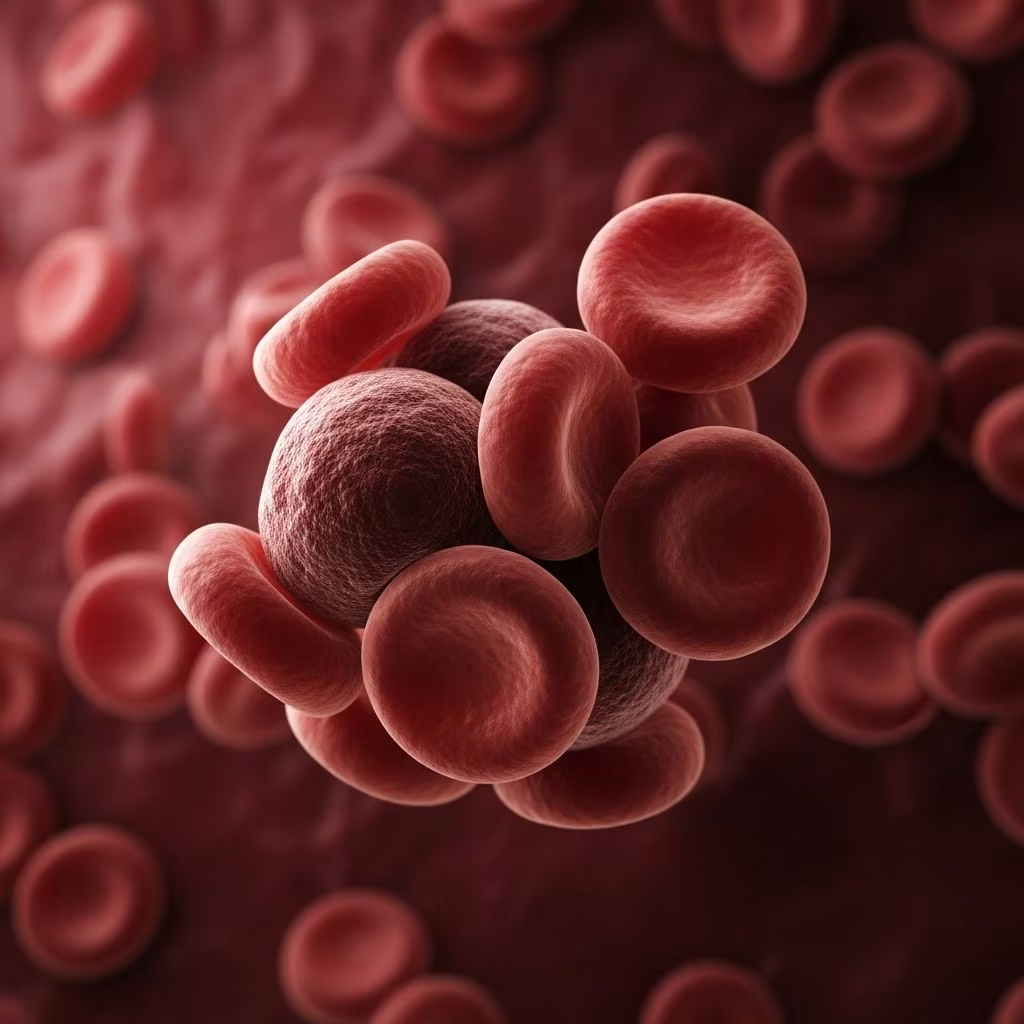
Red blood cell overload, known medically as erythrocytosis or polycythemia, occurs when a dog’s blood contains too many red blood cells, leading to thickened blood that impairs circulation. This condition can manifest in various forms and requires prompt veterinary attention to prevent serious complications like organ damage or seizures.
Understanding Blood Cell Dynamics in Canines
Red blood cells, or erythrocytes, are crucial for transporting oxygen throughout a dog’s body. Normally, they make up about 35-50% of the blood volume, measured as packed cell volume (PCV) or hematocrit. When this exceeds 65%, blood viscosity increases, causing sludging in vessels, reduced oxygen delivery, and potential clotting or bleeding issues.
The bone marrow produces these cells under the influence of erythropoietin (EPO), a hormone from the kidneys responding to low oxygen levels. Disruptions in this process can lead to overproduction, distinguishing true disorders from temporary states.
Classifying Red Blood Cell Excess
Erythrocytosis falls into two main categories: relative and absolute. Each has distinct triggers and implications for treatment.
Relative Forms: Temporary Spikes
Relative erythrocytosis arises from reduced plasma volume rather than increased cell production. Common triggers include:
- Dehydration from vomiting, diarrhea, or insufficient water intake
- Stress, excitement, pain, or intense exercise causing splenic contraction, which releases stored red cells into circulation
- Hyperventilation or heat exposure concentrating blood components
In dogs, the spleen acts as a reservoir for concentrated red cells (up to 70-80% PCV). Epinephrine from stress contracts it, temporarily elevating peripheral counts until the dog calms.
Absolute Forms: True Overproduction
Absolute erythrocytosis involves an actual increase in total red cell mass. It subdivides into primary and secondary types.
Primary Absolute: This rare condition, termed polycythemia vera, stems from bone marrow malignancy where cells proliferate independently of EPO. It affects middle-aged to older dogs without breed or sex bias, potentially linked to JAK2 gene mutations.
Secondary Absolute: Driven by elevated EPO, this is more common and splits into appropriate and inappropriate subtypes.
- Appropriate: Response to chronic hypoxia from high altitudes, lung diseases, heart defects, or carbon monoxide exposure. Tissues signal kidneys for more EPO.
- Inappropriate: EPO overproduction without hypoxia, often from kidney tumors, cysts, or hormonal imbalances like Cushing’s disease.
| Type | Main Cause | EPO Level | Common in Dogs? |
|---|---|---|---|
| Relative | Dehydration/Stress | Normal | Very Common |
| Primary Absolute | Bone Marrow Cancer | Low/Normal | Rare |
| Secondary Appropriate | Hypoxia | High | Common |
| Secondary Inappropriate | Kidney Tumors | High | Occasional |
Recognizing Warning Signs
Symptoms emerge when PCV surpasses 65%, varying by severity and duration. Hyperviscosity causes poor perfusion, especially to the brain and muscles.
- General: Lethargy, weakness, exercise intolerance, reddish or brick-colored gums
- Neurological: Ataxia, tremors, seizures, blindness, behavioral shifts
- Gastrointestinal: Vomiting blood, black stools (melena), abdominal pain
- Other: Excessive thirst/polyuria, nosebleeds, dilated eye vessels, rapid breathing/heart rate
Owners might notice sluggishness during walks or sudden collapses, mistaking it for aging or unrelated issues.
Diagnostic Approaches
Veterinarians start with a complete blood count (CBC) confirming elevated PCV, hemoglobin, and RBCs. Repeat tests post-hydration rule out relative causes.
- Measure EPO levels: Low in primary, high in secondary.
- Assess oxygenation via arterial blood gas (PaO2 <60 mmHg indicates hypoxia).
- Imaging: Ultrasound for kidney/spleen tumors, chest X-rays for heart/lung issues, echocardiography for shunts.
- Bone marrow biopsy for primary suspicion.
- Rule out dehydration with plasma proteins.
Differentiating types guides therapy; for instance, splenic contraction resolves with rest.
Treatment Strategies
Management targets underlying causes while alleviating symptoms.
Immediate Interventions
- Phlebotomy: Removing 10-20 mL/kg blood to lower PCV below 60%, providing instant relief. Often combined with fluids.
- Hydration: IV or oral fluids dilute blood, correcting relative cases.
- Oxygens: Support for hypoxic patients.
Long-Term Care
For primary polycythemia vera, ongoing phlebotomy (every 1-3 months) or drugs like hydroxyurea suppress marrow activity.
Secondary cases treat root problems:
- Surgery/remove tumors
- Medications for heart/lung conditions
- Altitude adjustment or oxygen therapy
Monitor with serial CBCs; prognosis excels in treatable secondaries, fair in primaries.
Preventive Measures and Home Monitoring
While not all cases are preventable, ensure ample water, avoid high altitudes without acclimation, and manage chronic illnesses. Watch for early signs like increased thirst or gum color changes, seeking vet care promptly.
Regular check-ups for senior dogs catch issues early.
Frequently Asked Questions
What is the most common cause of high red blood cell count in dogs?
Relative erythrocytosis from dehydration or stress tops the list, but investigate for absolutes if persistent.
Can polycythemia be fatal?
Untreated, yes—due to clots, strokes, or organ failure. Early intervention improves outcomes significantly.
Is polycythemia vera hereditary?
No known breed predisposition; it’s sporadic, possibly mutation-driven.
How often should blood be drawn for treatment?
Depends on response; initially weekly, then spaced as PCV stabilizes.
Do breeds like Greyhounds have naturally high PCV?
Yes, athletes like sighthounds have physiologic elevations (55-65%), not requiring treatment unless symptomatic.
Prognosis and Quality of Life
With diligent care, many dogs thrive. Relative cases resolve quickly; secondaries depend on the trigger. Primary forms need lifelong management but respond well to therapy, allowing active lives.
Consult a veterinary hematologist for complex cases.
References
- Polycythemia in Dogs — PetMD. 2023. https://www.petmd.com/dog/conditions/cardiovascular/polycythemia-dogs
- Top 5 Causes of Erythrocytosis in Dogs & Cats — Clinician’s Brief. 2022-11. https://www.cliniciansbrief.com/article/top-5-causes-erythrocytosis-dogs-cats
- Erythrocytosis and Polycythemia in Dogs — Merck Veterinary Manual. 2023. https://www.merckvetmanual.com/dog-owners/blood-disorders-of-dogs/erythrocytosis-and-polycythemia-in-dogs
- Polycythemia Vera — VCA Animal Hospitals. 2023. https://vcahospitals.com/know-your-pet/polycythemia-vera
- Diagnosis and Treatment of Primary Erythrocytosis in a Dog — PubMed. 2015-09. https://pubmed.ncbi.nlm.nih.gov/26359727/
- Primary Erythrocytosis in a Dog — Today’s Veterinary Practice. 2021. https://todaysveterinarypractice.com/wp-content/uploads/sites/4/2021/10/TVP-2021-1112_CaseReport_Erythrocytosis.pdf



