

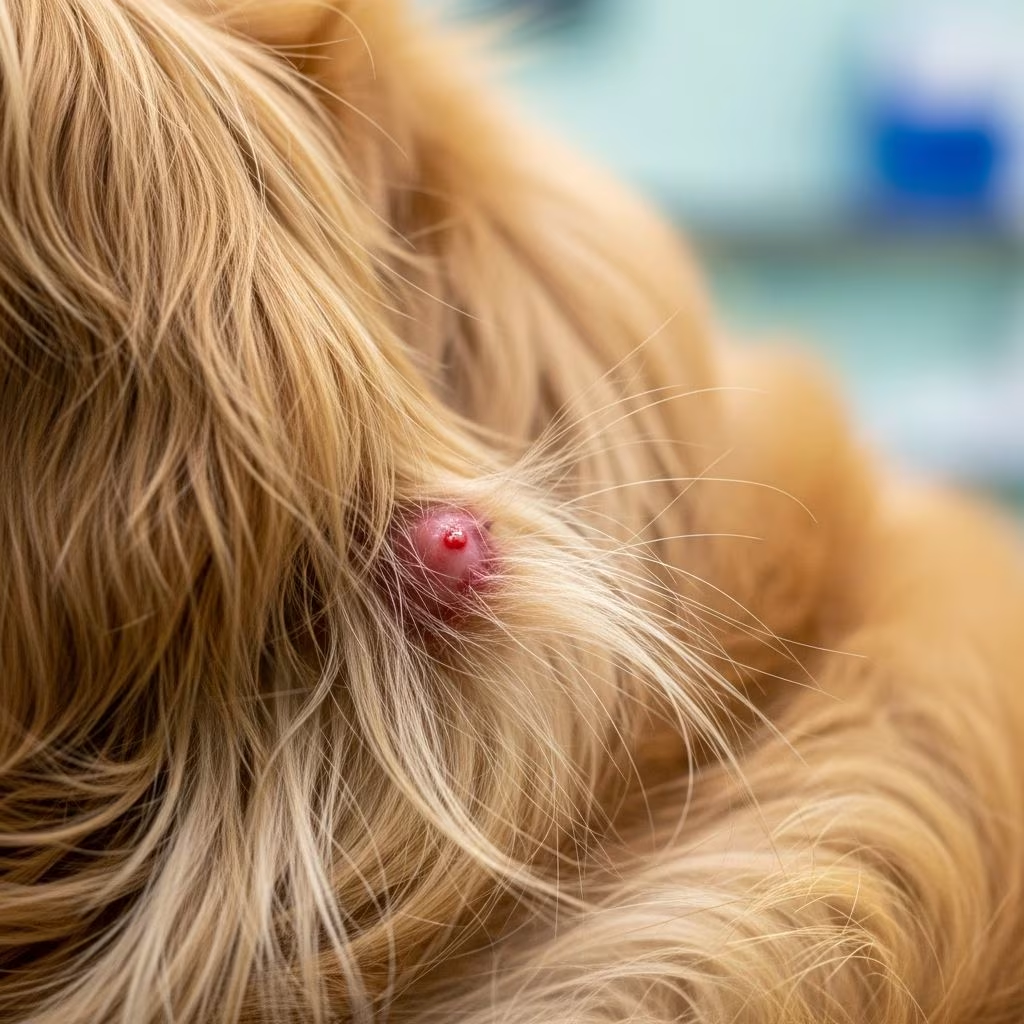
Recurring cysts in dogs represent a frequent skin concern where fluid-filled sacs repeatedly form and refill, often causing discomfort or aesthetic issues for pet owners. These benign growths stem from blocked glands or follicles but can mimic more serious conditions, necessitating prompt veterinary evaluation.
Understanding the Nature of Cysts in Canines
Cysts are enclosed sacs filled with fluid, semi-solid material, or keratin that develop beneath a dog’s skin. Unlike abscesses from infections, true cysts arise from developmental anomalies or blockages in natural skin structures like sebaceous glands or hair follicles. They tend to be firm yet movable and rarely cause pain unless inflamed or ruptured.
Benign by nature, these formations do not spread like cancers but persist due to incomplete removal of their lining during drainage attempts. Factors such as breed predispositions—seen in Basset Hounds, Boxers, and hairless varieties—heighten susceptibility, with middle-aged dogs showing elevated risk.
Primary Types of Cysts Affecting Dogs
Dogs can develop various cyst varieties, each with distinct origins and appearances. Recognizing these aids in tailored management.
- Sebaceous Cysts: Originating from oil-producing glands, these present as small, raised, painless lumps often on the head, neck, trunk, or limbs. They appear white or bluish and release thick, pasty discharge upon rupture.
- Follicular Cysts: Stemming from hair follicles, these form firm, round masses sometimes featuring a central pore. Common in breeds like Shih Tzus and Yorkshire Terriers, they may swell if irritated.
- Sweat Gland Cysts: Less common, these arise in apocrine glands and respond well to laser therapies when multiple.
- Trauma-Induced False Cysts: Result from injuries, lacking an epithelial lining, and often resolve without intervention.
Multiple cysts may cluster in predisposed breeds, complicating home monitoring.
Why Do Some Cysts Keep Refilling?
The persistent refilling of cysts occurs primarily because standard drainage fails to excise the cyst wall, allowing fluid accumulation to resume. Blockages from chronic inflammation, allergies, or skin trauma perpetuate this cycle.
| Factor | Impact on Recurrence | Common Triggers |
|---|---|---|
| Incomplete Removal | Leaves epithelial lining intact | Needle drainage only |
| Underlying Inflammation | Promotes ongoing blockage | Allergies, infections |
| Breed Genetics | Increases cyst formation rate | Hairless breeds, terriers |
| Trauma or Irritation | Induces new cyst development | Scratching, licking |
Surgical excision targeting the full cyst capsule offers the highest success rate against recurrence.
Recognizing Symptoms of Troublesome Cysts
Early detection hinges on observing subtle changes. Harmless cysts remain static, but problematic ones signal distress through:
- Raised, slow-growing lumps under the skin
- Redness, swelling, or crusting around the site
- Thick, greyish-yellow discharge from ruptures
- Excessive licking, biting, or scratching
- Foul odor or bleeding from the area
- Rapid size increase or pain on touch
These signs differentiate cysts from tumors or infections, urging veterinary consultation.
Diagnostic Approaches for Accurate Identification
Veterinarians employ a multi-step process to confirm cysts and exclude malignancies.
- Physical Examination: Assesses size, shape, mobility, and tenderness.
- Fine Needle Aspiration (FNA): Extracts cells for cytology to detect non-cancerous fluid.
- Biopsy or Surgical Sampling: Provides definitive tissue analysis for ambiguous cases.
- Imaging: Ultrasound or X-rays evaluate deep-seated or multi-organ involvement.
These methods ensure precise diagnosis, guiding effective interventions.
Veterinary Treatment Options Explained
Treatment escalates based on cyst severity, prioritizing minimal intervention for asymptomatic cases.
- Observation: Ideal for small, stable cysts; involves periodic size checks.
- Medical Management: Topical antiseptics, antibiotic ointments for minor ruptures, or oral antibiotics for infections.
- Drainage: Temporary relief for swollen cysts, though recurrence is likely without follow-up surgery.
- Surgical Excision: Gold standard for recurrent or bothersome cysts, removing the entire sac to prevent refilling.
- Advanced Therapies: Laser ablation or cryotherapy for specialized cases, especially in dermatology practices.
Antibiotics combat secondary infections, while steroids reduce inflammation in acute flares.
Essential Home Care Strategies
Post-diagnosis, owners play a pivotal role in cyst maintenance to avert complications.
- Monitor growth biweekly or daily if active; photograph for progress tracking.
- Prevent self-trauma with Elizabethan collars during itching episodes.
- Clean ruptures gently with saline solution (1 tsp salt per 500ml boiled, cooled water), 2-3 times daily initially.
- Avoid home squeezing, which risks infection or incomplete expression.
- Maintain skin hygiene and address allergies to curb underlying triggers.
These practices extend intervals between veterinary visits.
When Immediate Veterinary Attention is Critical
Not all cysts demand urgency, but these red flags warrant same-day care:
- Sudden rapid enlargement
- Severe pain, limping, or behavioral shifts
- Persistent foul discharge, bleeding, or non-healing wounds
- Systemic signs like fever or lethargy
- Multiple new cysts emerging quickly
Early intervention curtails escalation to abscesses or chronic issues.
Preventive Measures for Cyst-Prone Dogs
While genetics cannot be altered, lifestyle adjustments minimize occurrences:
- Regular grooming to prevent follicle blockages
- Hypoallergenic diets for atopy sufferers
- Parasite control to avoid skin irritations
- Weight management to reduce skin folds
- Routine veterinary skin checks for high-risk breeds
Proactive care fosters resilience against recurrent episodes.
Frequently Asked Questions (FAQs)
Can cysts in dogs turn cancerous?
Most remain benign, but rapid growth or odd textures necessitate biopsy to rule out malignancy.
Is home drainage safe for dog cysts?
No; it often leads to infection. Consult vets for professional handling.
How long do untreated cysts last?
Many persist indefinitely without harm, but monitoring is essential.
Are certain breeds more prone to recurring cysts?
Yes, including Basset Hounds, Boxers, and terriers due to genetic factors.
What follows surgical cyst removal?
Typically, stitches heal in 10-14 days with e-collar use and wound checks.
Long-Term Outlook for Dogs with Cysts
With vigilant care, most dogs thrive despite cysts. Surgical resolutions yield excellent prognoses, while conservative approaches suit mild cases. Owners should view cysts as manageable rather than dire, prioritizing professional guidance for peace of mind.
References
- Cysts in dogs – Joii Pet Care — Joii Pet Care. 2023. https://www.joiipetcare.com/blogs/health-conditions/cysts-in-dogs
- Types of Cysts on Dogs – Park Veterinary Hospital — Park Veterinary Hospital. 2023. https://parkvet.net/blog/cysts-on-dogs/
- Cysts in Dogs: What They Look Like + What to Do – Lavengel — Lavengel. 2023. https://lavengel.com/pages/skin-issues-cysts
- Follicular Cysts in Dogs: Types, Appearance, and Treatment — ToeGrips. 2023. https://toegrips.com/follicular-cyst-dog/
- Types of Cysts on Dogs: What You Need to Know — American Kennel Club. 2023. https://www.akc.org/expert-advice/health/types-of-cysts-on-dogs/
- Types Of Cysts On Dogs – Dogs Naturally — Dogs Naturally Magazine. 2023. https://www.dogsnaturallymagazine.com/types-of-cysts-on-dogs/



