
Rectal Tears In Animals: 4 Grades, Signs, And Treatment
Comprehensive guide to causes, diagnosis, treatment, and prevention of rectal tears in horses, cattle, dogs, and cats for veterinarians and animal owners.
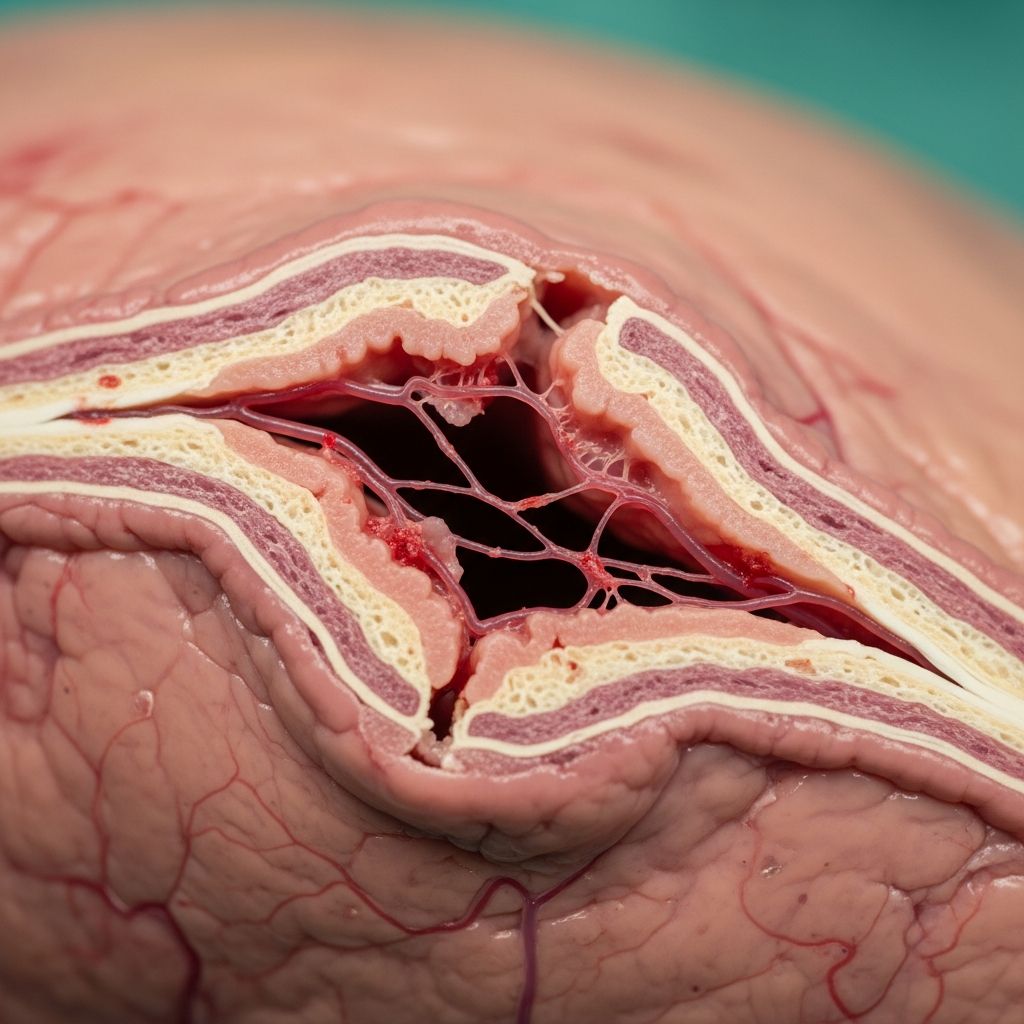
Rectal tears represent a serious injury affecting the terminal digestive tract in various species, often leading to pain, infection risks, and potentially fatal complications if not addressed promptly. These injuries disrupt normal defecation and can escalate to peritonitis or endotoxic shock, particularly in large animals like horses and cattle. Understanding the mechanisms, identification, and intervention strategies is vital for veterinarians managing affected patients.
Common Causes and Risk Factors Across Species
Rectal tears arise from multiple etiologies, with iatrogenic trauma being predominant in equine and bovine patients. During rectal palpation for colic evaluation or reproductive assessments, excessive force, especially amid peristaltic waves or animal straining, can perforate the rectal wall. Factors heightening risk include thin rectal walls in geriatric horses, small rectal diameters in young stallions or miniature breeds, and inadequate lubrication or fecal evacuation prior to examination.
In dogs and cats, tears more frequently stem from bite wounds, ingested foreign objects, or accidental trauma during veterinary exams. Large animals face higher stakes due to the procedure’s routine use, whereas small companion animals experience these less commonly but with varying severity.
- Iatrogenic in horses/cattle: Palpation errors during breeding or colic checks.
- Traumatic in small animals: Fights, sharp objects, or overzealous digital exams.
- Contributing factors: Straining (tenesmus), sudden movements, or large examiner hands relative to rectal size.
Clinical Presentation: Recognizing the Signs Early
Animals with rectal tears typically exhibit tenesmus, fresh rectal hemorrhage, and reluctance to defecate due to pain. In horses, veterinarians may note a sudden pressure release during palpation, followed by improved abdominal access but blood on the sleeve. Progression leads to colic, depression, fever from endotoxemia, and abdominal pain signaling peritonitis.
Perineal swelling, discolored feces, or edema around the anus provide visual clues. In chronic cases, constipation worsens, and systemic signs like tachycardia or dehydration emerge. Small animals show similar bleeding and straining but less frequently progress to shock.
| Species | Primary Signs | Advanced Complications |
|---|---|---|
| Horses/Cattle | Tenesmus, hemorrhage, colic | Peritonitis, endotoxic shock |
| Dogs/Cats | Bleeding on feces, pain on defecation | Local infection, partial stricture |
Diagnostic Approaches: Confirming the Extent of Damage
Diagnosis hinges on history, physical exam, and targeted tests. Rectal palpation with a bare, lubricated arm (in sedated large animals) allows direct tear assessment. Endoscopy or speculum visualization reveals depth and contamination. Abdominocentesis detects fecal material in peritoneal fluid, confirming full-thickness breaches.
For precision, tears are graded by layers penetrated:
- Grade I: Mucosa/submucosa only.
- Grade II: Muscularis involvement.
- Grade III: Serosa penetrated, no peritoneal leak.
- Grade IV: Full perforation with fecal contamination.
Sedation with xylazine/butorphanol, plus epidural anesthesia (xylazine/mepivacaine), facilitates safe exploration while minimizing further trauma.
Immediate First Aid: Stabilizing the Patient
Upon suspicion, halt manipulation and administer sedation/epidural to curb straining. Evacuate feces gently, clean the area, and initiate broad-spectrum antimicrobials (e.g., penicillin, gentamicin) alongside IV fluids and flunixin meglumine (1.1 mg/kg IV q12h) to combat shock. Avoid rectal packing if it risks enlargement; instead, use parasympatholytics like butylscopolamine (0.3 mg/kg IV) for relaxation.
Treatment Strategies by Tear Grade and Species
Conservative Management for Low-Grade Tears
Grade I/II tears in horses respond to medical therapy: laxative diets (water-soaked alfalfa, mineral oil via nasogastric tube), fluids, NSAIDs, and antibiotics. Monitor closely; mucosal healing occurs in 5-7 days. Small animals with partial tears fare similarly, using stool softeners sans routine antibiotics.
Surgical Interventions for Severe Cases
Grade III/IV demand urgency. Options include:
- Direct suturation: Via anal access or laparotomy for accessible tears.
- Fecal diversion: Temporary rectal liners or colostomies divert contents, aiding healing.
- Packing: Gauze in select cases to seal defects temporarily.
In cattle, small tears may undergo suturing; extensive contamination warrants euthanasia. Survival for Grade I/II nears 100%, dropping for higher grades.
| Tear Grade | Horses/Cattle Treatment | Prognosis | Small Animals |
|---|---|---|---|
| I/II | Medical: antibiotics, laxatives, fluids | Excellent (100% survival) | Conservative, stool softeners |
| III | Surgery + diversion | Guarded | Debridement/suturing |
| IV | Euthanasia often | Poor | Rare, surgical repair |
Post-Treatment Care and Monitoring
Post-op, continue antimicrobials (7-14 days), laxatives, and pain control. Restrict rectal exams for 7+ days; provide soft bedding and small, frequent meals. Monitor for strictures, abscesses, or recurrence via ultrasound or repeat endoscopy. Large animals need intensive care to avert sepsis.
Prevention: Minimizing Risks During Rectal Exams
Prophylaxis is paramount. Evacuate feces fully, use abundant lubrication, palpate during relaxation (buscopan aids), and avoid during waves/straining. Train for gentle technique, especially in at-risk patients. Client education on signs prompts early intervention.
Species-Specific Considerations
Equine Patients
Horses suffer highest iatrogenic rates; young/geriatric cases are vulnerable. Grade IV often fatal sans diversion.
Bovine Management
Cattle tears from palpation yield guarded prognoses; salvage slaughter common for peritonitis.
Companion Animals
Dogs/cats rarely need surgery; conservative approaches succeed.
Frequently Asked Questions (FAQs)
What is the most common cause of rectal tears in horses?
Iatrogenic trauma from rectal palpation during colic or breeding exams.
Can Grade I rectal tears heal without surgery?
Yes, with medical management including antibiotics, fluids, and diet.
What are signs of a rectal tear in cattle?
Tenesmus, bloody feces, colic, and rapid peritonitis progression.
Is euthanasia always required for Grade IV tears?
Often yes due to fecal peritonitis, but select cases with diversion may survive.
How to prevent rectal tears during exams?
Use lubrication, evacuate feces, sedate, and palpate gently.
Long-Term Outcomes and Complications
Survivors risk strictures or abscesses; follow-up ensures functionality. Early intervention boosts survival, with studies showing suture + diversion outperforming diversion alone. Veterinary vigilance transforms a dire emergency into a manageable condition.
References
- Rectal Tears in Animals — MSD Veterinary Manual. 2026. https://www.msdvetmanual.com/digestive-system/diseases-of-the-rectum-and-anus/rectal-tears-in-animals
- Rectal tears – Large Animal Surgery — University of Minnesota Libraries Publishing. Accessed 2026. https://open.lib.umn.edu/largeanimalsurgery/chapter/rectal-tears/
- Management of Rectal Tears — Veterian Key. Accessed 2026. https://veteriankey.com/management-of-rectal-tears/
- Equine rectal tears and current methods of treatment — Auburn University College of Veterinary Medicine. 2018-09. https://www.vetmed.auburn.edu/wp-content/uploads/2018/09/Rectal-tears-.pdf
- Rectal tears in the horse: an analysis of 35 cases — PubMed (J Am Vet Med Assoc). 1989-06-15. https://pubmed.ncbi.nlm.nih.gov/2731505/
- Rectal tear: surgery in Cows — Vetlexicon (Bovis). Accessed 2026. https://www.vetlexicon.com/bovis/alimentary/articles/rectal-tear-surgery/
Similar Articles








Read full bio of Sneha Tete


