

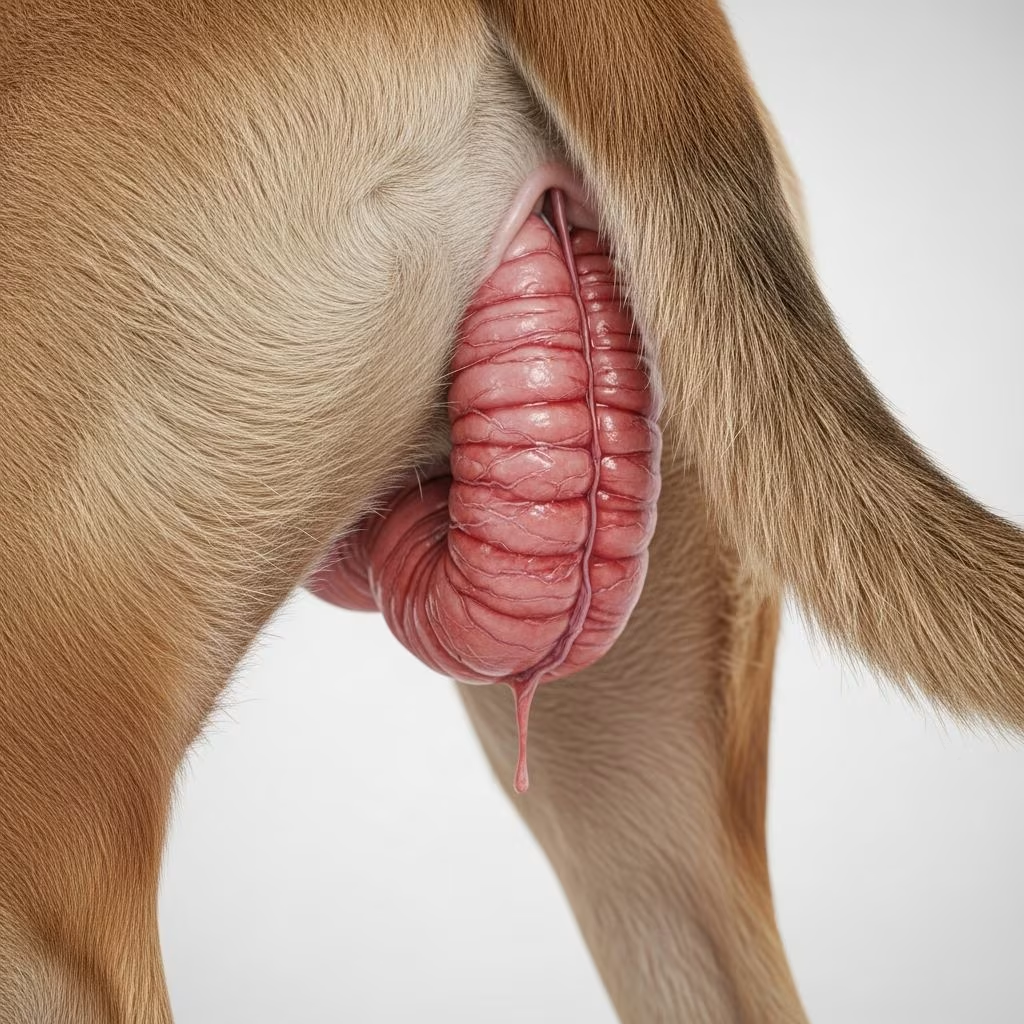
Rectal prolapse occurs when the inner layers or full wall of a dog’s rectum protrude through the anus, often appearing as a red, tubular mass. This condition demands immediate veterinary attention to prevent tissue damage, necrosis, or life-threatening complications.
Recognizing the Signs of Rectal Prolapse
Early detection hinges on observing distinct physical and behavioral changes in your dog. The hallmark symptom is **visible protruding tissue** from the anus, which may be pink, red, or inflamed, varying in size from small to several inches long. Dogs often exhibit excessive straining during defecation, known as dyschezia, due to discomfort or obstruction.
- Bloody stool or dripping blood from the prolapsed area, indicating tissue trauma.
- Intense licking, chewing, or scooting at the rear end from irritation.
- Lethargy, reduced appetite, dehydration, or weight loss in advanced cases.
- Difficulty or pain while urinating, if related to prostate or urinary issues.
These signs can mimic other anal issues, but the protruding mass sets prolapse apart. Prompt recognition prevents worsening, as untreated tissue may lose blood supply and die.
Common Triggers Behind Rectal Prolapse
Several factors weaken rectal support, leading to prolapse. **Parasitic infections** like worms cause chronic diarrhea and straining, a primary culprit in puppies. Constipation from poor diet, dehydration, or obstructions forces excessive pushing.
In males, an enlarged prostate in unneutered dogs compresses the rectum, especially during enlargement from infection or tumors. Dystocia in pregnant females or urinary tract issues like bladder stones also contribute by increasing abdominal pressure. Other triggers include tumors, perianal hernias, or severe coughing.
| Trigger Category | Examples | High-Risk Groups |
|---|---|---|
| Gastrointestinal | Parasites, diarrhea, constipation | Puppies, malnourished dogs |
| Reproductive/Prostate | Enlarged prostate, dystocia | Unneutered males, pregnant females |
| Other | Bladder stones, tumors, hernias | Senior dogs, breeds with weak tissues |
Addressing these root causes is crucial for preventing recurrence post-treatment.
Types of Rectal Prolapse in Canines
Prolapses vary by severity. **Partial prolapse** involves only the mucosal lining slipping out, often reducible manually. **Complete prolapse** features the full rectal wall layers protruding, forming a cylindrical mass prone to swelling and necrosis.
Incomplete types may stay inside but cause tenesmus (straining sensation). Chronic cases lead to thickened, scarred tissue, complicating reduction. Breeds like Boston Terriers, Pugs, or those with short tails face higher risks due to anatomy.
Why Immediate Veterinary Intervention Matters
Rectal prolapse qualifies as a medical emergency. Delays risk strangulation, where blood flow cuts off, causing necrosis and sepsis. Even if stool passes, prolapse disrupts normal function, leading to incontinence or constipation. Veterinarians diagnose via physical exam, fecal tests for parasites, and imaging for underlying issues like prostate enlargement.
Step-by-Step Treatment Approaches
Treatment prioritizes replacing tissue, reducing swelling, and fixing causes. Initial steps occur under anesthesia—often epidural or general—to ease pain.
- Cleaning and Lubrication: Gently lavage with warm saline, apply sugar solutions like 50% dextrose to draw out fluid and shrink edema.
- Manual Reduction: Massage prolapsed tissue back into place with lubricants.
- Purse-String Sutures: Temporary anal stitches allow stool passage but block re-prolapse for 5-7 days.
For non-reducible or damaged cases:
- Resection and Anastomosis: Remove necrotic sections and suture healthy ends.
- Colopexy: Surgically fix colon to abdominal wall, ideal for recurrent prolapse.
- Castration: Shrinks prostate in intact males.
Concurrent therapies target causes: deworming, antibiotics, or C-sections.
Post-Treatment Recovery and Home Care
Recovery demands diligent monitoring. Expect 7-14 days of restricted activity.
- Medications: Antibiotics prevent infection; analgesics and stool softeners ease discomfort.
- Diet: Switch to low-residue, high-fiber moist food with probiotics; ensure constant water access.
- Confinement: Use E-collars to deter licking; check sutures daily.
- Follow-Ups: Remove purse-strings after 5-7 days; recheck for parasites or issues.
Full recovery is achievable with compliance, allowing normal lives. Recurrence drops with cause correction.
Preventing Rectal Prolapse Recurrence
Proactive measures safeguard health. Maintain parasite preventives monthly. Feed balanced, fiber-rich diets avoiding constipation. Neuter males early to avert prostate problems. Monitor pregnant dogs closely, opting for planned C-sections if needed. Regular vet check-ups catch early GI or urinary issues.
Frequently Asked Questions (FAQs)
Can my dog poop with rectal prolapse?
Yes, but with difficulty and pain; prolapse obstructs normal passage, risking further strain.
Is rectal prolapse fatal in dogs?
Not if treated promptly; untreated necrosis can lead to sepsis and death.
How much does treatment cost?
Varies by severity: manual reduction $500-$1,500; surgery $2,000-$5,000+ including diagnostics.
Which breeds are prone?
Brachycephalics like Pugs, Bulldogs; puppies from parasites.
Can prolapse resolve without surgery?
Yes, if caught early and reduced manually with cause treated; surgery for recurrence or damage.
Long-Term Outlook and Prognosis
With swift intervention, most dogs recover fully. Success rates exceed 90% for first-time cases treated early. Chronic or recurrent prolapse may need lifelong management like colopexy, with excellent outcomes. Owners report normal activity post-recovery. Monitor stool quality and behavior to catch issues early.
References
- Rectal Prolapse In Dogs: Causes, Symptoms, And Treatment — Beyond Pets. 2023. https://beyondpets.com/pet_health/rectal-prolapse-in-dogs/
- Rectal Prolapse in Dogs: Causes and Treatment — PetMD. 2024-01-15. https://www.petmd.com/dog/conditions/digestive/c_multi_rectal_prolapse
- Vet’s 2025 Guide to Canine Rectal Prolapse Causes, Diagnosis, Treatment — Ask A Vet. 2025. https://askavet.com/blogs/news/vet-s-2025-guide-to-canine-rectal-prolapse-causes-diagnosis-treatment
- Rectal Prolapse in Dogs and Cats — New Tampa Pet. 2023. https://newtampapet.com/rectal-prolapse-in-dogs-cats-handout/
- Rectal Prolapse Treatment in Dogs — WagWalking. 2024. https://wagwalking.com/treatment/rectal-prolapse-treatment



