
Rectal Prolapse In Animals: 4 Emergency Treatment Steps
Comprehensive guide to understanding, treating, and preventing rectal prolapse in pets and livestock for better animal health outcomes.
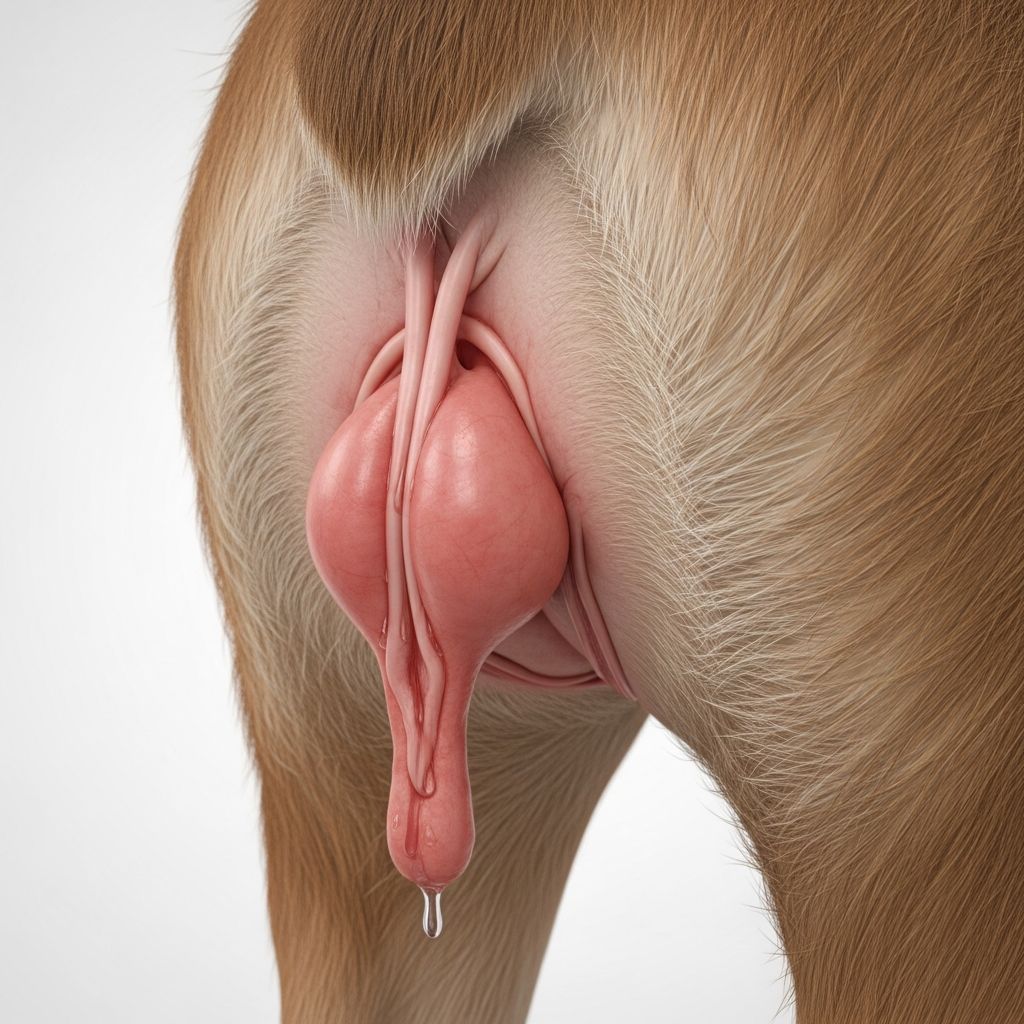
Rectal prolapse occurs when the rectal tissue protrudes through the anus due to excessive straining, posing a serious threat to animal health across species like dogs, cattle, horses, and calves. This condition demands immediate veterinary attention to prevent tissue necrosis and systemic infection.
Understanding the Anatomy and Mechanism
The rectum, the final segment of the large intestine, connects to the anus via the anal sphincter. Normally, this structure maintains continence, but factors increasing intra-abdominal pressure can force rectal walls outward. In animals, this extrusion appears as pink or red tubular tissue, often edematous and fluid-filled. Partial prolapse involves only mucosal layers that may retract spontaneously, while complete prolapse includes all layers and remains everted.
Straining, or tenesmus, is the primary trigger, stemming from gastrointestinal, urinary, or reproductive issues. The prolapsed tissue’s exposure leads to swelling, ischemia from sphincter constriction, and risk of desiccation or trauma.
Common Causes Across Species
Rectal prolapse affects various animals, with tailored risk factors:
- Dogs: Severe diarrhea, chronic constipation, enteritis, parasites, prostate enlargement in males, or dystocia in females.
- Cattle and Calves: Heavy worm infestations, coccidiosis, salmonellosis, nutritional deficiencies, urolithiasis, or neonatal weakness.
- Horses: Diarrhea, colic, dystocia, parasites, proctitis, tumors, or foreign bodies.
- Other Livestock: Persistent coughing, riding behavior, pneumonia, or urinary obstructions.
Young animals, especially calves under one week, face higher risks due to narrow anal orifices and prolonged untreated straining. Farm studies show 59.5% of cases in calves go unmanaged initially, worsening outcomes.
Recognizing Symptoms Early
Key signs include visible pink/red protruding tissue under the tail, painful defecation (dyschezia), tenesmus, lethargy, and reduced appetite. In advanced stages, tissue darkens (indicating necrosis), emits foul odor, or bleeds. Animals may strain continuously, leading to dehydration or inability to urinate/defecate.
| Symptom | Species Commonly Affected | Severity Indicator |
|---|---|---|
| Protruding tubular tissue | All | Immediate emergency |
| Painful straining | Dogs, Cattle | Pre-prolapse sign |
| Lethargy, anorexia | Dogs, Calves | Systemic involvement |
| Darkened/necrotized tissue | Horses, Cattle | Poor prognosis |
Diagnostic Approaches in Practice
Veterinarians start with a thorough physical exam, including digital rectal palpation to assess prolapse extent and underlying masses. Imaging like abdominal radiographs or ultrasound detects obstructions, stones, prostate issues, or retained fetuses. Fecal analysis rules out parasites, while bloodwork checks for leukocytosis signaling infection. In calves, history of diarrhea or worms is crucial. Prognosis correlates inversely with prolapse duration and grade; short-term cases (<24 hours) fare better.
Emergency Treatment Protocols
Treatment follows the “3 Rs”: reduce swelling, replace tissue, retain in place. Steps include:
- Analgesia and Sedation: Administer pain relief and epidural anesthesia for comfort.
- Cleaning: Rinse with warm saline and antiseptic like povidone-iodine; remove debris.
- Detumescence: Apply hyperosmotic agents like 50% dextrose or sugar for 20-30 minutes to shrink edema.
- Replacement: Under general anesthesia, lubricate and manually reposition tissue.
For non-viable tissue, resection and anastomosis remove necrotic segments, reconnecting healthy ends to avert sepsis. Concurrent issues like bowel obstructions or urolithiasis require simultaneous correction.
Surgical Interventions for Recurrence
Simple replacement suffices for type I prolapses with minimal swelling, but recurrent cases demand surgery. Colopexy fixes the colon to the abdominal wall, preventing re-extrusion in dogs. In cattle, suturing or amputation may be needed if reduction fails. Horses with short prolapses respond to manual reduction post-primary treatment. Post-op, stool softeners, low-residue diets, and parasite control aid recovery.
Species-Specific Management Strategies
Dogs
Prioritize manual reduction under anesthesia; recurrent cases may need colopexy. Address parasites with dewormers and preventives.
Cattle and Calves
Neonatal cases often involve infections; sugar immersion followed by reduction yields good results if <5 days duration. Surgical resection for grade III/IV. Goal: reach slaughter weight.
Horses
Treat underlying colic or parasites aggressively. Short prolapses (<30 cm) reduce easily; longer ones risk poor retention.
Recovery and Long-Term Care
Monitor for re-prolapse, infection, or strictures. Use Elizabethan collars in dogs, tail ties in cattle, and soft bedding. Nutritional support with electrolytes prevents dehydration. Full recovery is achievable if addressed promptly, but euthanasia is advised for irreparable cases. Prevention targets root causes: routine deworming, diarrhea management, and dystocia vigilance.
Prevention Tips for Owners and Farmers
- Regular parasite screening and deworming programs.
- High-fiber diets to avoid constipation.
- Prompt treatment of diarrhea, urinary issues, or respiratory diseases.
- Assisted calving to minimize straining.
- Daily checks in herds for early detection.
Frequently Asked Questions (FAQs)
What should I do if I see prolapse in my dog?
Keep the animal calm, cover the tissue with a moist towel, and rush to a vet—do not attempt reduction yourself.
Can rectal prolapse heal without surgery?
Yes, in partial, early cases with reduction and cause correction, but surgery is often needed for recurrence.
Is rectal prolapse fatal in cattle?
Not if treated same-day; delays lead to necrosis and sepsis.
How long can prolapsed tissue survive outside?
Viability drops after 24 hours; ischemia sets in quickly.
What breeds of dogs are prone?
All, but those with chronic GI issues like Bulldogs or herding breeds with parasites.
References
- Rectal Prolapse in Dogs: Causes and Treatment — PetMD. 2023. https://www.petmd.com/dog/conditions/digestive/c_multi_rectal_prolapse
- Rectal prolapses – Large Animal Surgery — University of Minnesota Libraries Publishing. 2022. https://open.lib.umn.edu/largeanimalsurgery/chapter/rectal-prolapses/
- Farm and animal-level risk factors associated with rectal prolapse in calves — PMC (PubMed Central, .gov). 2022-05-15. https://pmc.ncbi.nlm.nih.gov/articles/PMC9109833/
- Prolapses in Cattle, an Ugly Fact of Life — Virginia Tech Extension (.edu). 2007-02. https://www.sites.ext.vt.edu/newsletter-archive/livestock/aps-07_02/aps-405.html
- Prolapse Of The Rectum — Veterinary Handbook. Accessed 2026. http://www.veterinaryhandbook.com.au/Diseases.aspx?diseasenameid=226
Similar Articles








Read full bio of Sneha Tete


