

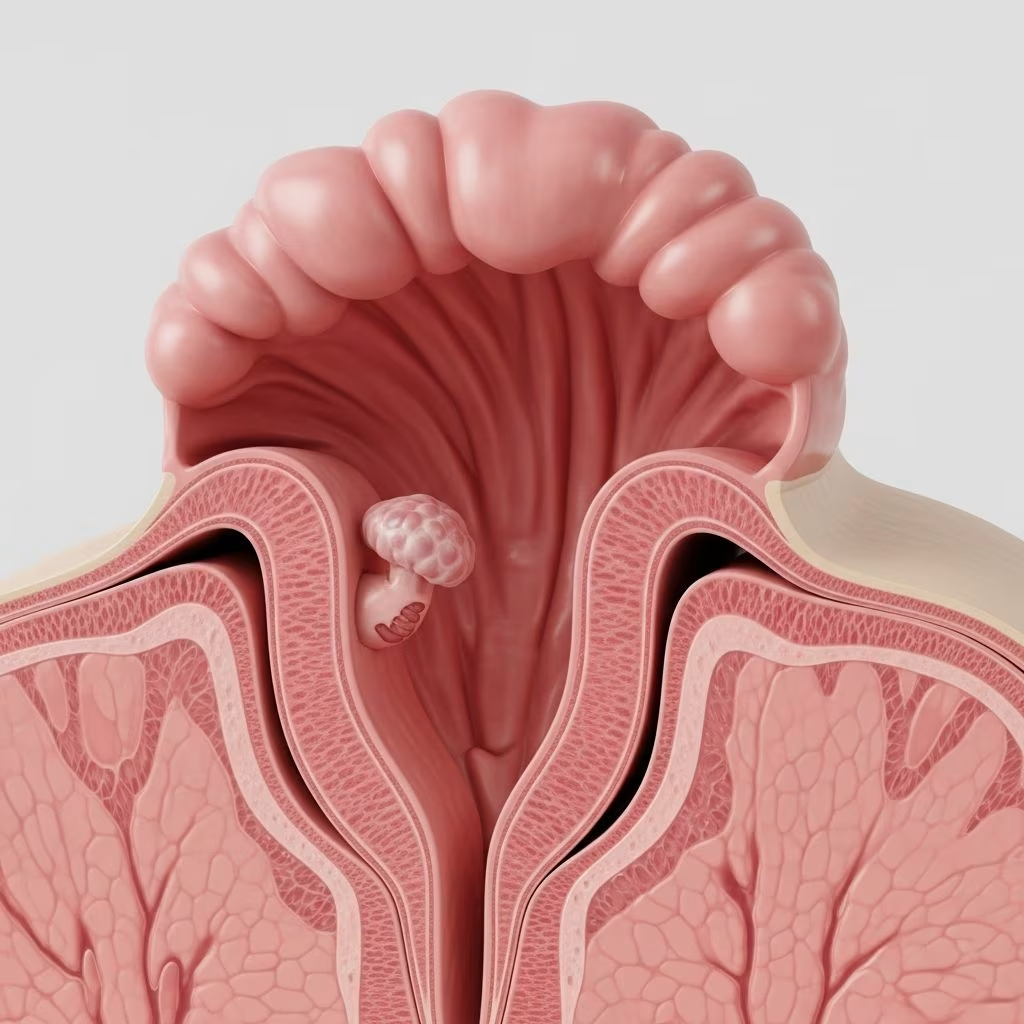
Rectal polyps are benign growths that develop on the mucosal lining of a cat’s rectum or anus, often leading to discomfort during defecation. These flap-like protrusions, which can be sessile or pedunculated, are typically non-cancerous but require monitoring to prevent complications like bleeding or prolapse.
Understanding the Anatomy and Development of Rectal Polyps
The rectum serves as the final segment of a cat’s digestive tract, responsible for storing feces before expulsion through the anus. Polyps originate from an overgrowth of this mucosal tissue, forming soft, vascular structures that may extend inward or protrude outward. While the exact etiology remains unclear, chronic irritation from constipation, inflammation, or dietary factors may contribute to their formation. Unlike malignant tumors, these polyps rarely metastasize, making them manageable with appropriate intervention.
Common Clinical Signs and When to Worry
Early detection hinges on recognizing subtle changes in your cat’s behavior and elimination habits. Owners often first notice bright red blood coating the stool, a result of the polyps’ fragile, vascular surface tearing during passage. Other indicators include:
- Straining or tenesmus while defecating, indicating obstruction or irritation.
- Excess mucus mixed with feces, signaling inflammation.
- Frequent anal grooming or scooting due to discomfort.
- Visible prolapse of a red, moist mass from the anus after straining.
- Diarrhea or inconsistent stool consistency from secondary irritation.
If symptoms persist beyond 24-48 hours or include large blood volumes, lethargy, or appetite loss, seek veterinary care immediately to rule out more serious conditions like tumors or infections.
Risk Factors and Prevalence in Feline Populations
Rectal polyps occur infrequently in cats compared to dogs, with no strong breed or age predisposition identified, though middle-aged to senior cats appear more susceptible. Factors potentially increasing risk include recurrent constipation, low-fiber diets leading to hard stools, and unresolved anal gland issues. Maintaining ideal stool firmness—neither too soft nor overly bulky—helps minimize trauma to the rectal lining.
| Risk Factor | Impact on Polyps | Prevention Strategy |
|---|---|---|
| Chronic Constipation | Causes straining and mucosal trauma | Increase dietary moisture and fiber gradually |
| Soft Stools | Leads to smearing and inflammation | Switch to high-quality, digestible proteins |
| Obesity | Promotes poor gut motility | Regular exercise and portion control |
| Age (Senior Cats) | Higher incidence of tissue changes | Annual vet exams with rectal checks |
Diagnostic Approaches: From Exam to Advanced Imaging
Veterinarians begin with a thorough history and physical assessment, including abdominal palpation. A digital rectal exam, performed under sedation if needed, often reveals the polyp’s presence, texture, and size. For confirmation, additional tools include:
- Colonoscopy: A flexible endoscope visualizes the rectal lining, allowing biopsy for histopathology to exclude malignancy.
- Imaging: Radiographs or ultrasound assess for deeper involvement or concurrent issues like strictures.
- Fecal Analysis: Rules out parasites or infections mimicking symptoms.
Biopsy is crucial, as while most polyps are benign extensions of mucosa, rare adenocarcinomas can mimic them.
Treatment Strategies: Conservative to Surgical Interventions
Management depends on polyp size, symptoms, and cat health. Small, asymptomatic polyps may warrant observation with follow-up exams every 3-6 months.
Non-Surgical Options
- Medications: Stool softeners prevent straining; antibiotics curb infection pre-surgery; NSAIDs manage pain and inflammation.
- Dietary Adjustments: High-fiber foods firm stools without bulk overload, reducing polyp trauma. Consult vets for tailored plans.
Surgical and Minimally Invasive Techniques
For symptomatic cases, excision is curative. Options include:
- Transanal Polypectomy: Direct removal via anus with sutures, scissors, or electrocautery for hemostasis.
- Laser Ablation: Precise vaporization minimizes bleeding, ideal for multiple polyps.
- Cryosurgery: Freezing destroys tissue, suitable for delicate locations.
- Endoscopic Snaring: Less invasive for accessible growths.
Post-op, cats recover swiftly—often within days—with e-collars preventing self-trauma. Complications like recurrence (10-20%) or anal stricture from scarring are rare but monitored.
Post-Treatment Care and Recovery Expectations
Recovery emphasizes wound healing and normalized defecation. Key steps:
- Monitor for straining, bleeding, or prolapse; report if unresolved after 48 hours.
- Provide moist food, laxatives, and clean litter to ease elimination.
- Administer prescribed meds; restrict activity for 7-10 days.
- Schedule rechecks at 1-2 weeks for suture removal and assessment.
Prognosis is excellent; most cats resume normal life without recurrence, provided underlying causes are addressed.
Preventive Measures for Long-Term Rectal Health
Proactive care reduces polyp likelihood:
- Annual wellness exams with rectal evaluations.
- Balanced, fiber-moderate diet promoting firm stools.
- Weight management and hydration via wet food fountains.
- Early intervention for constipation or diarrhea episodes.
These habits not only deter polyps but enhance overall gastrointestinal vitality.
Frequently Asked Questions (FAQs)
Are rectal polyps in cats cancerous?
Most are benign, but biopsy confirms this; malignancy is rare.
How much does polyp removal cost?
Varies by method; simple surgery $500-$1500, advanced endoscopy higher—consult your vet.
Can diet alone resolve polyps?
Diet aids symptom control but rarely eliminates growths; surgery often needed.
What if my cat prolapses a polyp?
Keep calm, cover gently, and rush to vet—manual reduction or surgery may follow.
Will polyps recur after treatment?
Possible but uncommon; regular monitoring prevents issues.
References
- Rectoanal Polyps in Cats — PetMD. 2023. https://www.petmd.com/cat/conditions/digestive/c_ct_rectoanal_polyps
- Rectal Polyps in Cats — The Gentle Vet. 2024. https://www.thegentlevetdvm.com/blog/rectal-polyps-in-cats/
- Rectal Polyps in Cats: Our Vet Explains — Catster. 2024. https://www.catster.com/ask-the-vet/rectal-polyps-in-cats/
- Rectal Polyps in Cats: Are They Cancerous? — VetMed Consultants. 2024. https://www.vetmedutah.com/post/rectal-polyps-in-cats
- EP 640: Rectoanal Polyps in Pets — Pet Care Partners (YouTube). 2025-07-16. https://www.youtube.com/watch?v=ae6Gg-vUC2M
- Disorders of the Rectum and Anus in Cats — Merck Veterinary Manual. 2024. https://www.merckvetmanual.com/cat-owners/digestive-disorders-of-cats/disorders-of-the-rectum-and-anus-in-cats



