
Rectal And Anal Issues In Horses: 4 Tear Grades, Symptoms, Care
Comprehensive guide to recognizing, treating, and preventing rectal and anal disorders in horses for better equine digestive health.
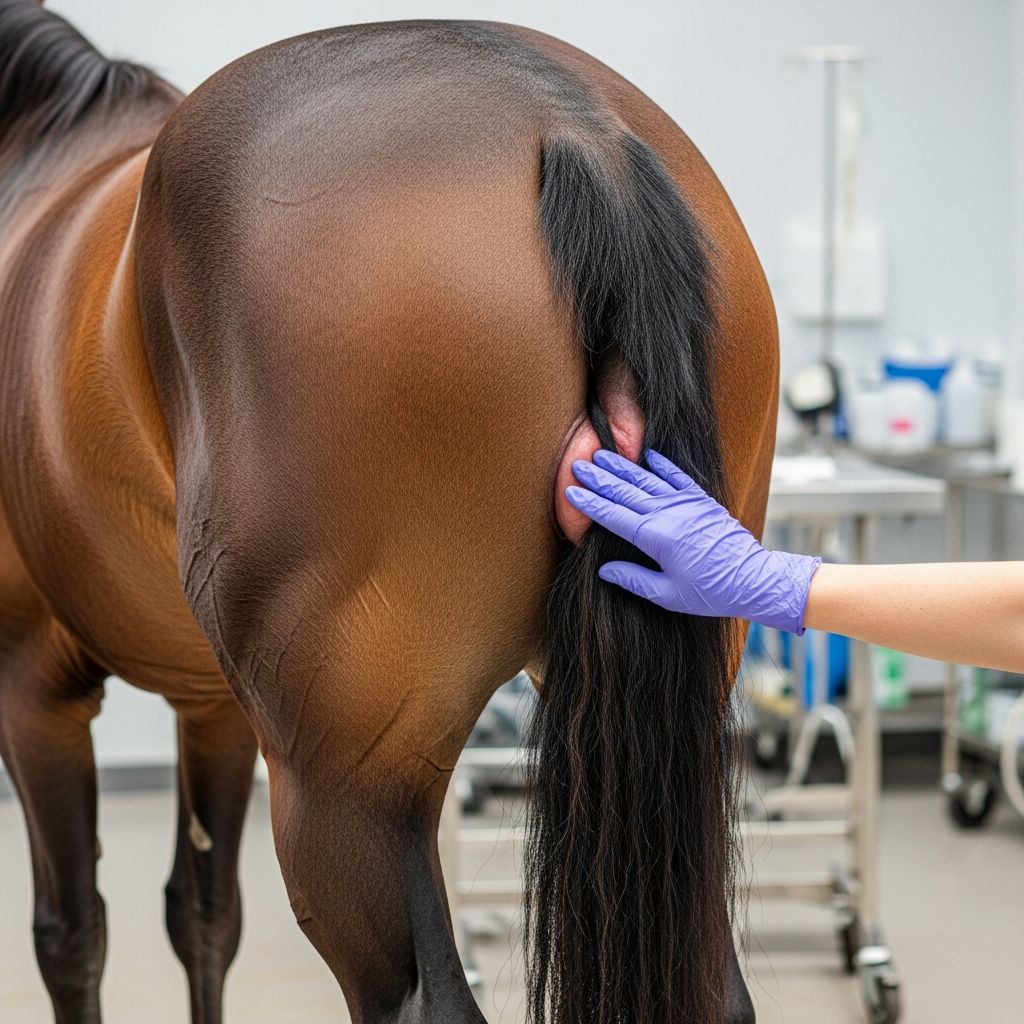
Horses can develop serious problems in the rectal and anal regions, often stemming from veterinary procedures, digestive disturbances, or trauma. These conditions range from minor tears to life-threatening prolapses and abscesses, requiring prompt veterinary attention to prevent complications like infection or peritonitis. Understanding these disorders helps owners respond effectively and improve outcomes.
Common Causes of Rectal and Anal Problems
Several factors contribute to disorders of the rectum and anus in horses. Rectal examinations, a standard diagnostic tool for colic or pregnancy checks, pose a significant risk if the horse strains or the veterinarian encounters resistance. Miniature breeds, older horses, and those unaccustomed to palpation are particularly vulnerable due to thinner rectal walls or poor relaxation.
Other triggers include severe colic leading to excessive straining (tenesmus), parasitic infections, or underlying conditions like perirectal strictures from prior injuries. Idiopathic causes also occur, especially in young horses where anorectal lymphadenopathy sparks abscess formation. External trauma from foaling difficulties in mares or aggressive defecation efforts can damage tissues.
- Rectal exams: Primary cause, especially without sedation or proper restraint like twitches or lip chains.
- Straining from colic: Builds pressure, risking tears or prolapses.
- Infections/parasites: Weaken tissues, promoting abscesses or inflammation.
Symptoms to Watch For
Early detection hinges on recognizing signs like persistent straining, blood in feces, or protrusion of rectal tissue. Horses may show colic symptoms such as restlessness, pawing, or rolling, alongside dyschezia (difficulty defecating) or dysuria (painful urination from nerve irritation).
Fever, lack of fecal output, and abdominal pain signal abscesses or obstructions. In prolapses, pink or red mucosal tissue everts from the anus, potentially becoming edematous or necrotic if prolonged. Tears present with fresh blood, mucus, or fecal leakage, escalating to shock if peritoneal contamination occurs.
| Symptom | Associated Condition | Severity Indicator |
|---|---|---|
| Straining/tenesmus | Tears, prolapse, abscess | Moderate to severe |
| Blood/mucus in manure | Tears (all grades) | Immediate vet needed |
| Colic signs | Abscess, obstruction | Emergency |
| Tissue protrusion | Prolapse | Urgent reduction |
Types of Rectal Tears and Their Grading
Rectal tears are classified by depth, influencing treatment and prognosis. Grade I involves only mucosa and submucosa, often healing with conservative care. Grade II extends to muscularis. Grade III penetrates all layers except peritoneum, risking contamination. Grade IV breaches peritoneum, leading to fecal peritonitis with grave prognosis.
Diagnosis uses rectal palpation, ultrasound, or endoscopy post-sedation and lubrication. Fine-needle aspiration confirms abscesses by revealing pus or bacteria like Streptococcus zooepidemicus or Escherichia coli.
- Grade I/II: Superficial; excellent prognosis with meds.
- Grade III: Serious; may need packing/epidural.
- Grade IV: Critical; surgery if uncontaminated.
Managing Rectal Prolapses
Rectal prolapse occurs when straining forces mucosa outward, categorized by length and viability. Short, viable prolapses respond to manual reduction under epidural anesthesia, followed by sutures to retain tissue. Edematous or necrotic sections demand resection.
Address underlying causes like colic or parasites to prevent recurrence. Supportive care includes laxatives, fluids, and anti-inflammatories. Prognosis improves with rapid intervention before strangulation.
Perirectal Abscesses: Diagnosis and Care
These fluid-filled masses form outside the rectum, causing colic and straining. Ultrasonography reveals multiloculated structures; rupture into the rectum confirms diagnosis via drainage.
Treatment favors conservatives: warm soapy enemas to clear impactions, antibiotics (e.g., trimethoprim-sulfamethoxazole 30 mg/kg q12h for 15 days), and NSAIDs. Dietary shifts to soaked alfalfa cubes soften feces. Surgery drains persistent or spreading abscesses—dorsal into rectum, lateral externally, ventral via midline.
Emergency Treatment Protocols
Immediate steps stabilize: broad-spectrum antibiotics (penicillin, gentamicin, metronidazole), NSAIDs (flunixin meglumine), tetanus booster, and IV fluids. Epidurals with lidocaine or detomidine/butorphanol prevent straining; evacuate feces gently.
For Grade I/II tears: laxative diets (mineral oil NG tube, soaked pellets), daily rectum checks. Grade III/IV: colostomy diverts feces, allowing healing before reconnection—costly but standard.
Monitor for peritonitis signs like tachycardia or toxemia; euthanasia may be humane for uncontaminated Grade IVs.
Prevention Strategies for Horse Owners
Minimize risks by training horses to tolerate rectal exams with sedation (detomidine 0.01-0.02 mg/kg, butorphanol 0.001 mg/kg) and restraints. Use ample lubrication and gentle techniques.
- Regular deworming to curb parasites.
- Prompt colic treatment to avoid straining.
- Soft diets during recovery: fresh grass, low-fiber feeds.
- Vet checks for at-risk breeds/ages.
Prognosis and Long-Term Outlook
Superficial tears boast high success (90%+ recovery). Deeper ones carry 50-70% survival post-surgery, dropping if delayed. Prolapses fare well if reduced early; abscesses resolve medically in most cases.
Complications like strictures may cause chronic dyschezia, needing dilation or resection. Owners should monitor feces and behavior post-treatment.
Frequently Asked Questions (FAQs)
What should I do if I see rectal tissue protruding from my horse?
Keep the horse calm, cover with clean saline-soaked towel, and call a vet immediately for reduction under anesthesia.
How are rectal tears graded?
By layers penetrated: I (mucosa), II (muscularis), III (all but peritoneum), IV (peritoneum).
Can rectal abscesses be treated without surgery?
Yes, often with enemas, antibiotics, and diet changes; surgery for refractory cases.
Is prognosis good for Grade I tears?
Excellent with antibiotics, laxatives, and monitoring.
How to prevent rectal tears during exams?
Sedate, restrain, lubricate generously, and proceed gently.
References
- Disorders of the Rectum and Anus in Horses — MSD Veterinary Manual. 2023. https://www.msdvetmanual.com/horse-owners/digestive-disorders-of-horses/disorders-of-the-rectum-and-anus-in-horses
- Perirectal abscess, colic, and dyschezia in a horse — PMC – NIH. 2002-07-01. https://pmc.ncbi.nlm.nih.gov/articles/PMC339178/
- Equine rectal tears and current methods of treatment — Auburn University Vet Med. 2018-09. https://www.vetmed.auburn.edu/wp-content/uploads/2018/09/Rectal-tears-.pdf
- Rectal Tears in the Horse — PetPlace.com. Accessed 2026. https://www.petplace.com/article/horses/general/rectal-tears-in-the-horse
- Rectal Examinations for Horses — Mad Barn. Accessed 2026. https://madbarn.com/rectal-examinations-for-horses/
- Rectal tears – Large Animal Surgery — University of Minnesota. Accessed 2026. https://open.lib.umn.edu/largeanimalsurgery/chapter/rectal-tears/
Similar Articles








Read full bio of medha deb


