

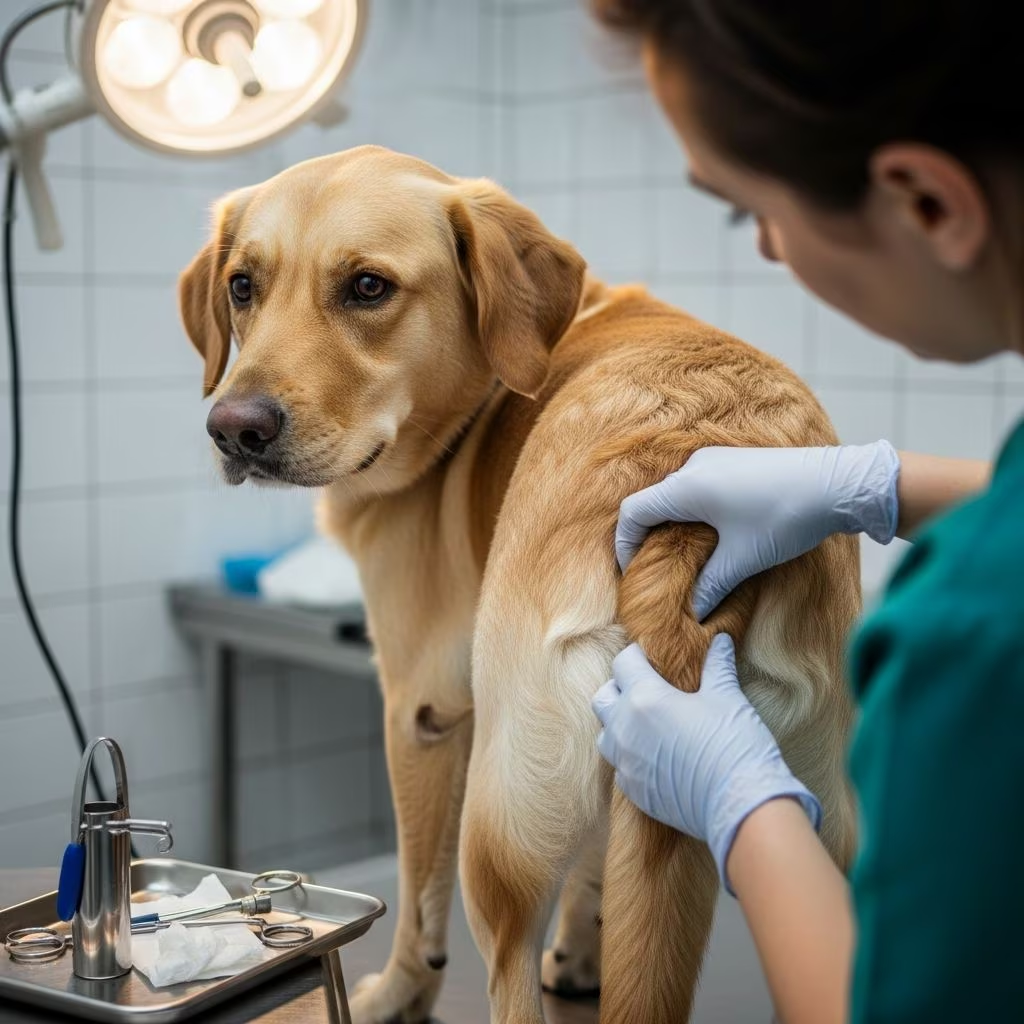
The rectal and anal regions are critical components of your dog’s digestive system, yet disorders affecting these areas often go unrecognized until symptoms become uncomfortable or painful. Dogs with anorectal problems may exhibit subtle behavioral changes or obvious signs that warrant veterinary attention. Understanding these conditions can help you identify problems early and seek appropriate treatment to restore your pet’s comfort and quality of life.
Understanding the Anatomy and Function
The rectum serves as the final portion of the large intestine, storing waste products before elimination. The anal canal connects the rectum to the external opening and contains two small glands known as anal sacs. These sacs produce a distinctive fluid that aids in territory marking and normal bowel function. When the anal sphincter muscles contract during defecation, the anal sacs naturally empty their contents. Various factors can disrupt this normal process, leading to a range of health complications.
Recognizing Symptoms of Anorectal Distress
Pet owners frequently observe behavioral changes that indicate anorectal discomfort. The most recognizable sign is scooting, where dogs drag their hindquarters across the floor or ground. This instinctive behavior represents an attempt to relieve itching or irritation. Additional warning signs include:
- Excessive licking or biting at the anal region
- Difficulty during bowel movements or painful defecation
- Visible straining when attempting to pass stool
- Blood or pus in feces or near the anus
- Mucus-containing stools
- Reluctance to sit, particularly on hard surfaces
- Unusual odors or increased flatulence
Some dogs exhibit sensitivity when their tail area is touched, and others may show signs of general discomfort including restlessness or behavioral changes. If your dog demonstrates any combination of these symptoms, veterinary evaluation is essential to prevent complications.
Anal Sac Impaction and Related Conditions
Anal sac impaction represents one of the most prevalent anorectal problems affecting dogs. This condition occurs when fluid accumulates in the anal sacs without proper evacuation. The impacted material hardens over time, creating discomfort and preventing normal emptying mechanisms. Impaction frequently progresses to inflammation, a condition termed anal sacculitis, which can further develop into abscess formation if bacterial infection develops.
When blockage persists, bacteria from fecal material travel upward into the anal sacs, creating an ideal breeding environment for infection. This bacterial colonization leads to abscess formation, characterized by pus accumulation within the sac tissue. Affected dogs display obvious swelling on one or both sides of the anus, with the tissue appearing red and warm to the touch. If an abscess ruptures without veterinary intervention, it releases greenish-yellow or bloody fluid and increases the risk of spreading infection throughout surrounding tissues and potentially damaging the rectum itself.
Veterinary treatment for impaction involves manual expression of the sacs to remove accumulated material. If the material has hardened significantly, your veterinarian may inject a softening agent to facilitate removal. For infected sacs, the veterinarian will flush the interior with saline or antiseptic solutions and infuse a combination of antibiotics and corticosteroid medications. Abscessed anal sacs often require additional intervention under sedation or anesthesia, including drainage of pus and thorough cleansing of infected tissue.
Dietary and Pharmaceutical Management Strategies
Long-term management of anal sac problems frequently involves dietary modifications to address underlying causes. Increased dietary fiber promotes bulkier stools that apply natural pressure to the anal sacs during defecation, facilitating drainage and preventing recurrence. Your veterinarian may recommend commercial high-fiber formulas or specific fiber supplements tailored to your dog’s nutritional requirements.
Additional treatment options include:
- Stool softeners to reduce straining and painful bowel movements
- Oral antibiotics to eliminate bacterial infections
- Pain medications to improve comfort during defecation
- Anti-inflammatory medications to reduce swelling and tissue irritation
- Warm compresses applied to the affected area for pain relief
- Nutritional supplements such as fish oil for anti-inflammatory support
Following veterinary treatment instructions precisely ensures optimal outcomes and reduces the risk of recurrent episodes.
Perianal Fistulas and Inflammatory Complications
Perianal fistulas represent a chronic inflammatory condition affecting the tissues surrounding the anus, resulting in painful ulceration and drainage of infected material. This condition primarily affects German Shepherd dogs, though other breeds occasionally develop the disorder. The disease creates tunneling lesions and severe discomfort in the perianal region.
Historically, surgical intervention involving removal of the anal sacs and diseased tissue constituted the standard approach. However, modern veterinary practice emphasizes medical management first due to potential complications from surgery, including chronic fecal incontinence and rectal narrowing. Contemporary treatment protocols include:
- Oral medications demonstrated effective in fistula management
- Stool softeners to reduce painful defecation
- Antibiotics when bacterial infection is present
- Regular cleansing of the anal area to minimize inflammation
- Careful monitoring to detect treatment effectiveness
Surgical removal of anal sacs remains reserved for dogs unresponsive to medical therapy, as the risk of permanent fecal incontinence represents a significant quality-of-life concern for affected animals.
Rectal Strictures and Narrowing Disorders
Rectal strictures involve abnormal narrowing of the rectal canal and surrounding anal tissue, restricting normal passage of stool. While not commonly diagnosed, these strictures affect German Shepherds, Beagles, and Poodles more frequently than other breeds. Affected dogs experience painful straining, constipation, and potentially life-threatening complications if the narrowing becomes severe.
Veterinary treatment options for strictures include:
- Surgical balloon insertion under anesthesia to gradually dilate narrowed tissue
- Injectable medications directly into affected tissues to reduce inflammation and promote healing
- Identification and treatment of underlying causes contributing to stricture development
Each treatment approach requires careful assessment of individual patient factors and prognosis for functional improvement.
Rectal Prolapses and Tissue Herniation
Rectal prolapses occur when the rectal lining protrudes through the anus, appearing as a tissue mass extending from the anal opening. Small or incomplete prolapses may resolve with veterinary repositioning while the dog is under anesthesia, typically followed by temporary partial closure of the anus with stitches for five to seven days to prevent immediate recurrence. This protective approach reduces straining that might dislodge the replaced tissue.
Management following prolapse treatment includes:
- Topical anesthetics or epidural injections to reduce discomfort and straining
- Moist diet consistency to ease bowel movements
- Stool softeners to prevent difficult defecation
- Careful observation for diarrhea or other complications following treatment
More extensive prolapses or cases of recurrence may require surgical repair of the prolapsed tissue or removal of severely damaged sections. Post-operative diarrhea sometimes develops and should be discussed with your veterinarian for appropriate management.
Perineal hernias represent another condition affecting the tissues beneath the anus. These hernias allow abdominal contents to protrude into the perineal area, potentially displacing the bladder or prostate gland and causing urinary obstruction. Observable swelling appears below and to the side of the anus, with approximately two-thirds of cases occurring on one side only, and more than eighty percent of unilateral hernias appearing on the right side. Diagnosis involves rectal examination to assess tissue involvement, and treatment typically requires surgical repair to restore normal anatomy and prevent organ displacement.
Treatment Decision-Making and Surgical Considerations
The decision to pursue surgical management of anorectal conditions depends on multiple factors including disease severity, response to medical therapy, recurrence patterns, and quality-of-life considerations. While surgical removal of anal sacs can resolve chronic impaction and abscess problems, the procedure carries risk of permanent fecal incontinence resulting from nerve damage to the anal sphincter muscles.
Temporary incontinence lasting one to three weeks commonly occurs following surgery and typically resolves without additional intervention. However, if nerve damage is extensive, some dogs develop chronic inability to control bowel movements, significantly impacting their quality of life and requiring ongoing management strategies.
Modern veterinary practice favors conservative, nonsurgical approaches whenever possible, reserving surgery for treatment-resistant cases or situations where surgical intervention provides clear functional benefits exceeding the risks of complications.
Prevention and Long-Term Management
While not all anorectal conditions can be prevented, proactive management reduces occurrence of recurring problems. Maintaining appropriate dietary fiber ensures adequate stool bulk to naturally compress and empty anal sacs during normal bowel function. Regular veterinary examinations allow early detection of developing problems before they progress to painful abscesses or other serious complications.
Dog owners should monitor their pet’s bathroom habits and report any changes to their veterinarian promptly. Early intervention for scooting, straining, or other warning signs often prevents progression to more serious conditions requiring extensive treatment.
When to Contact Your Veterinarian
Seek immediate veterinary evaluation if your dog exhibits signs of anorectal distress. Emergency veterinary care becomes necessary if your pet displays signs of severe pain, fever indicating infection, inability to defecate, or evidence of ruptured abscess with significant drainage. Prompt professional assessment and appropriate treatment prevent complications while restoring your dog’s comfort and normal digestive function.
References
- Disorders of the Rectum and Anus in Dogs — Merck Veterinary Manual. Accessed February 2026. https://www.merckvetmanual.com/dog-owners/digestive-disorders-of-dogs/disorders-of-the-rectum-and-anus-in-dogs
- Anal Sac Disease in Dogs — Berkeley Dog and Cat. 2022-03-15. https://www.berkeleydogandcat.com/site/blog/2022/03/15/anal-sac-disease-in-dogs
- Anal sac diseases — Cornell University College of Veterinary Medicine. Accessed February 2026. https://www.vet.cornell.edu/departments-centers-and-institutes/riney-canine-health-center/canine-health-information/anal-sac-diseases
- Rectoanal Diseases – a Very Common Problem for Dogs — Morris Animal Foundation. Accessed February 2026. https://www.morrisanimalfoundation.org/article/rectoanal-disease-dog
- Anal Sac Disease in Dogs — Pet Doctors of America. 2022-04-30. https://www.petdoctorsofamerica.com/site/blog/2022/04/30/anal-sac-disease-dogs
- Anal Sac Disease in Dogs — VCA Animal Hospitals. Accessed February 2026. https://vcahospitals.com/know-your-pet/anal-sac-disease-in-dogs



