

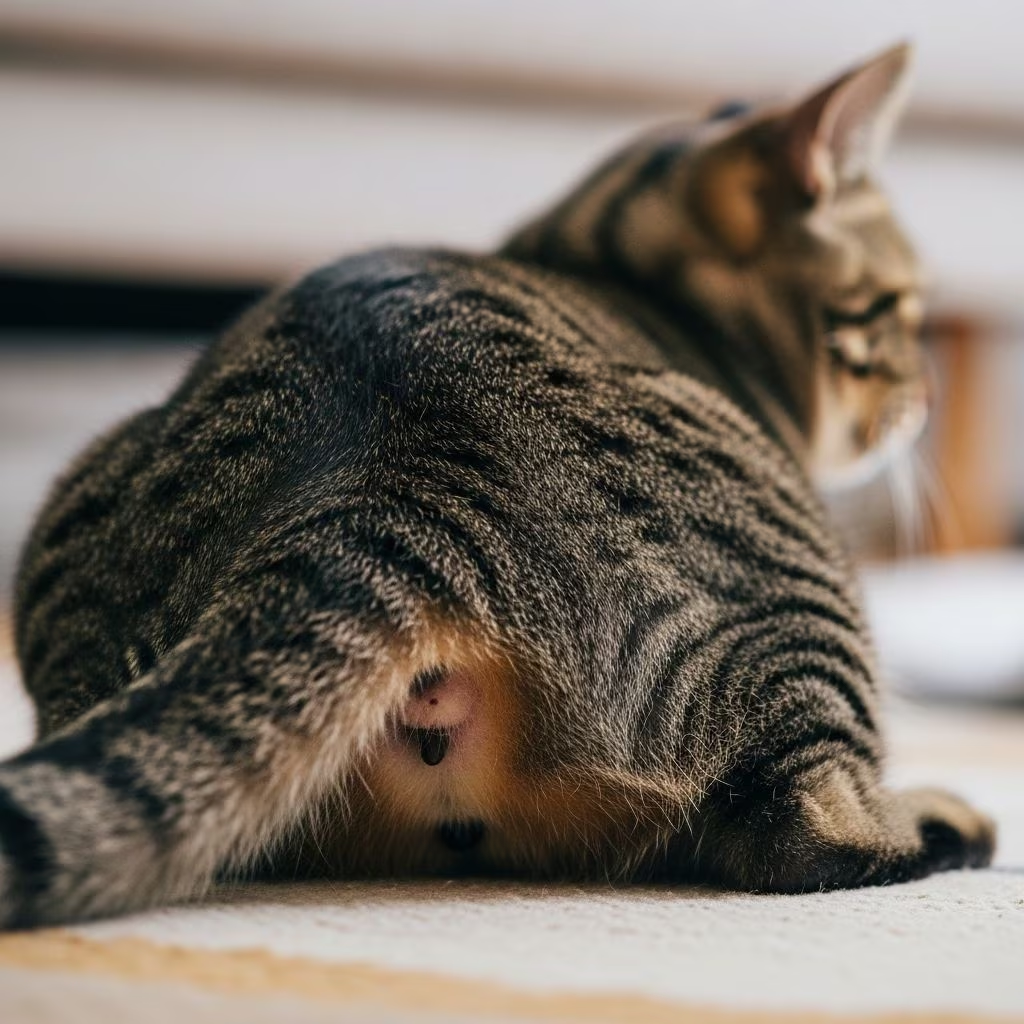
The gastrointestinal system of cats encompasses multiple specialized structures, and the anal and rectal regions play important roles in waste elimination and territorial marking. When these areas experience dysfunction, cats can suffer from significant discomfort that affects their quality of life and behavior. Understanding the various disorders that affect the rectum and anus, along with their clinical presentations and management strategies, empowers cat owners to recognize problems early and seek appropriate veterinary intervention.
Understanding Feline Anal Gland Function
Cats possess two small saclike structures located on either side of the anus, commonly referred to as anal sacs or anal glands. These pouches serve a biological purpose by secreting a distinctive fluid that mixes with fecal material during normal bowel movements. This secretion helps cats mark their territory through scent communication, a behavior deeply rooted in feline social biology. Under normal circumstances, the pressure from bowel movements causes these glands to empty automatically, releasing small amounts of fluid that provide cats with a unique odor signature.
The secretory fluid produced by anal glands contains pheromones and other chemical compounds that convey information about individual identity, health status, and reproductive condition to other cats in the environment. This communication system remains crucial for cats’ social interactions, even in domestic settings. When the emptying mechanism functions properly, the glands maintain appropriate fluid levels and cause no discomfort to the cat.
Common Anal and Rectal Disorders
Anal Gland Impaction
Impaction represents the most frequently encountered problem affecting feline anal glands. This condition develops when the glands fail to empty completely during bowel movements, causing fluid and secretory material to accumulate within the sacs. Over time, the accumulated material becomes increasingly thick and concentrated, creating a pasty or solidified substance that becomes difficult or impossible for the cat to expel naturally.
Several factors contribute to impaction development, including:
- Dietary insufficiency in fiber content
- Irregular or infrequent bowel movements
- Diarrhea that reduces pressure needed for gland emptying
- Abnormal gland anatomy or dysfunction
- Obesity and reduced physical activity
- Certain medical conditions affecting digestive health
Anal Gland Infections
Secondary bacterial infections frequently develop when impacted anal glands create an environment conducive to microbial proliferation. Bacteria can multiply rapidly within the stagnant secretory fluid, causing inflammation, pain, and systemic signs of infection. Affected cats may develop fever and show signs of malaise. If left untreated, bacterial infections can progress to abscess formation, a more serious complication requiring immediate veterinary intervention.
Anal Gland Abscess Development
When infection in the anal gland progresses unchecked, accumulated pressure from infected material and inflammatory fluid can lead to abscess formation. An abscess represents a localized collection of pus and inflammatory material surrounded by inflamed tissue. As pressure builds within the abscess, the surrounding tissue becomes increasingly stressed and may eventually rupture, allowing infected material to drain externally near the anus. Rupture creates an open wound that requires aggressive management to prevent complications and infection spread.
Rectal Prolapse
Rectal prolapse occurs when the innermost lining of the rectum protrudes through the anal opening, appearing as a red, tubular tissue mass protruding from the anus. This condition develops secondary to prolonged straining during bowel movements or excessive tenesmus. Constipation, diarrhea, or other conditions causing significant abdominal strain predispose cats to this complication. The exposed tissue becomes irritated from exposure to the environment and contact with fecal material, causing pain and inflammation.
Recognizing Clinical Signs of Anal Dysfunction
Cats experiencing anal or rectal problems typically display characteristic behavioral and physical signs that alert owners to underlying problems. Early recognition enables prompt veterinary consultation before complications develop.
| Clinical Sign | Description | Severity Indicator |
|---|---|---|
| Scooting | Dragging rear end along ground or carpet | Mild to moderate discomfort |
| Excessive Licking | Frequent licking, biting, or grooming of anal area | Irritation present |
| Hair Loss | Alopecia around anal region from trauma or grooming | Chronic irritation |
| Swelling | Visible redness or enlargement near anus | Inflammation or infection |
| Discharge | Foul-smelling fluid leaking from anal area | Infection or rupture |
| Pain with Defecation | Straining, reluctance, or vocalization during bowel movements | Significant pain |
| Behavioral Changes | Irritability, aggression, or withdrawal | Severe discomfort |
Additionally, some cats may exhibit reduced appetite, decreased activity levels, or changes in normal elimination patterns. The severity and combination of signs often correlates with the underlying disorder’s progression and intensity.
Diagnostic Approach and Veterinary Assessment
Veterinarians employ multiple diagnostic methods to identify anal and rectal disorders accurately. Physical examination includes visual inspection of the anal region and gentle palpation to assess gland size, consistency, and pain response. The veterinarian may observe swelling, discharge, or tissue prolapse that indicates specific pathology.
Fluid expression and cytology may be performed, where material from the anal glands is examined under a microscope to identify bacterial infection, inflammation, or abnormal cell types. This helps determine whether infection is present and guides antibiotic selection. In some cases, radiographs or ultrasound imaging provides additional information about gland structure and any complications like foreign bodies or tumors.
Evidence-Based Treatment Protocols
Management of Simple Impaction
For straightforward impaction without infection or rupture, manual expression of anal glands represents the first-line treatment. Veterinarians or trained technicians use external manual pressure or, occasionally, digital rectal techniques to empty accumulated material from the glands. While some cats tolerate this procedure while conscious, sedation is often recommended to reduce stress and discomfort, particularly for anxious or painful patients.
Following expression, symptoms typically resolve within 24 hours as pressure diminishes and inflammation subsides. The cat should experience dramatic improvement in scooting behavior and discomfort.
Treatment of Infected Glands
When bacterial infection complicates anal gland disease, antibiotic therapy becomes essential. Systemic antibiotics, such as doxycycline or amoxicillin-clavulanate, are administered orally or by injection to eliminate pathogenic bacteria. Alternatively, veterinarians may infuse antibiotic and anti-inflammatory medications directly into affected glands during expression, delivering high local drug concentrations to the infection site.
Pain management medications, including nonsteroidal anti-inflammatory drugs or other analgesics, address discomfort and improve the cat’s comfort during recovery. Most cats respond well to this combined approach, with infection clearing within 7-10 days.
Abscess Management
Ruptured or actively forming abscesses require more aggressive intervention. Surgical drainage may be necessary to remove accumulated infected material and allow proper wound healing. Systemic antibiotics combined with local wound care, including gentle cleaning and periodic flushing, promotes tissue repair. A protective Elizabethan collar prevents the cat from licking or traumatizing the healing area, which could introduce contamination or delay healing.
Rectal Prolapse Correction
Management of rectal prolapse focuses on addressing the underlying cause of straining while reducing inflammation of the prolapsed tissue. Topical treatments may reduce swelling and pain. In severe cases or when the tissue becomes necrotic, surgical removal of the damaged rectal segment may be necessary. Correcting underlying causes like constipation or diarrhea prevents recurrence.
Dietary Management and Long-Term Prevention
Nutritional management plays a pivotal role in preventing recurrent anal gland problems. Adequate dietary fiber promotes stool formation and volume, creating sufficient pressure to naturally empty anal glands during defecation. Cats prone to anal gland issues benefit from high-fiber diets or the addition of fiber supplements like pumpkin puree or specialized feline probiotics.
Maintaining appropriate body weight reduces strain on the digestive system and supports normal gastrointestinal function. Obesity increases the risk of anal gland disease by compromising mobility and digestive efficiency. Fresh water availability and appropriate moisture in the diet support healthy digestion and stool consistency.
Regular veterinary examinations allow early detection of predisposing conditions like inflammatory bowel disease, food allergies, or parasitic infections that contribute to anal gland dysfunction. Addressing these underlying issues reduces the frequency of anal gland-related complications.
Home Care Strategies for Affected Cats
Cat owners can implement several supportive measures to improve comfort in cats experiencing anal gland issues. Warm compresses applied to the anal region for 5-10 minutes, repeated 2-3 times daily, reduce inflammation and soothe discomfort. Maintaining cleanliness of the anal area through gentle wiping with warm, damp cloths prevents secondary irritation.
Ensuring adequate hygiene by regularly grooming long-haired cats around the rear end reduces fecal soiling and matting that can interfere with gland function. Clipping long hair in this area may be beneficial for some cats. Monitoring litter box hygiene and providing clean facilities supports normal elimination behavior and prevents complications.
Owners should observe for worsening symptoms or signs of infection, including fever, severe pain, or discharge, which warrant immediate veterinary attention. Continuing prescribed medications for the full duration, even if symptoms resolve, ensures complete infection eradication and prevents recurrence.
When Surgical Intervention Becomes Necessary
Although most anal gland problems respond to conservative management, some cats experience chronic, recurrent issues that significantly impact quality of life. In these cases, surgical removal of the affected anal gland or glands may be recommended. This procedure, called anal sacculectomy, involves careful surgical removal of the gland tissue to prevent future problems in that location.
Surgical management is typically reserved for cases with repeated infections, chronic abscesses, or severe complications unresponsive to medical therapy. While surgery is generally successful, it carries risks including nerve damage that occasionally results in fecal incontinence. Veterinarians discuss these potential complications thoroughly before recommending surgery.
Frequently Asked Questions
- How often should anal glands be expressed?
- Healthy cats typically empty anal glands naturally with normal bowel movements and require no manual expression. Cats with recurrent problems may benefit from veterinary expression every 4-8 weeks, but frequency depends on individual circumstances and underlying conditions.
- Can anal gland disease be prevented?
- While not entirely preventable, risk can be minimized through high-fiber diets, maintaining healthy weight, regular exercise, parasite prevention, allergy management, and prompt treatment of digestive disorders.
- Is anal gland expression painful?
- Manual expression can cause discomfort, particularly if infection or abscess is present. Many veterinarians recommend sedation to minimize stress and pain during this procedure.
- What causes anal glands to become impacted?
- Impaction develops from inadequate dietary fiber, infrequent or difficult bowel movements, diarrhea that reduces pressure, obesity, or underlying medical conditions affecting anal gland function.
- Can cats recover from anal gland rupture?
- Most cats recover well with aggressive treatment including drainage, antibiotics, pain management, and wound care. Healing typically takes 2-4 weeks depending on abscess severity.
Prognosis and Long-Term Outlook
Most cats with anal and rectal disorders respond favorably to appropriate veterinary treatment. Early intervention before complications develop generally results in complete recovery and resolution of clinical signs. Cats with simple impaction often improve dramatically within 24 hours of gland expression. Infected glands typically clear with antibiotic therapy within one to two weeks.
Long-term outcomes depend significantly on addressing underlying predisposing factors and implementing preventive measures. Cats managed with appropriate diet, weight control, and regular veterinary monitoring experience fewer recurrent episodes. Some cats with chronic predisposition may require periodic maintenance expression, but this represents a manageable condition for most feline patients.
Understanding anal and rectal health empowers cat owners to recognize problems early and advocate for appropriate care. By working closely with veterinary professionals and implementing supportive home care strategies, owners can help their cats maintain comfort and quality of life throughout their senior years.
References
- Anal Sac Disease in Cats — VCA Animal Hospitals. Accessed 2026. https://vcahospitals.com/know-your-pet/anal-sac-disease-in-cats
- Anal Gland Disorders in Cats — PetMD. Accessed 2026. https://www.petmd.com/cat/conditions/skin/anal-gland-disorders-cats
- Anal gland disease in cats — Joii Pet Care. Accessed 2026. https://www.joiipetcare.com/blogs/health-conditions/anal-gland-disease-in-cats
- Anal Sac Disease in Cats: Causes, Symptoms, and Treatment — PetCareRx. Accessed 2026. https://www.petcarerx.com/article/anal-sac-disease-in-cats-causes-symptoms-and-treatment/6674
- Anal & Rectal Inflammation in Cats: Vet Guide 2025 — Ask A Vet. Accessed 2026. https://askavet.com/blogs/news/anal-rectal-inflammation-in-cats-vet-guide-2025
- How To Tell If A Cat Needs Anal Glands Expressed — Vetnique Labs. Accessed 2026. https://vetnique.com/blogs/news/how-to-tell-if-a-cat-needs-anal-glands-expressed-signs-symptoms
- Anal Sac Disease in Cats — The Drake Center For Veterinary Care. Accessed 2026. https://www.thedrakecenter.com/resources/materials/cats/anal-sac-disease-cats



