

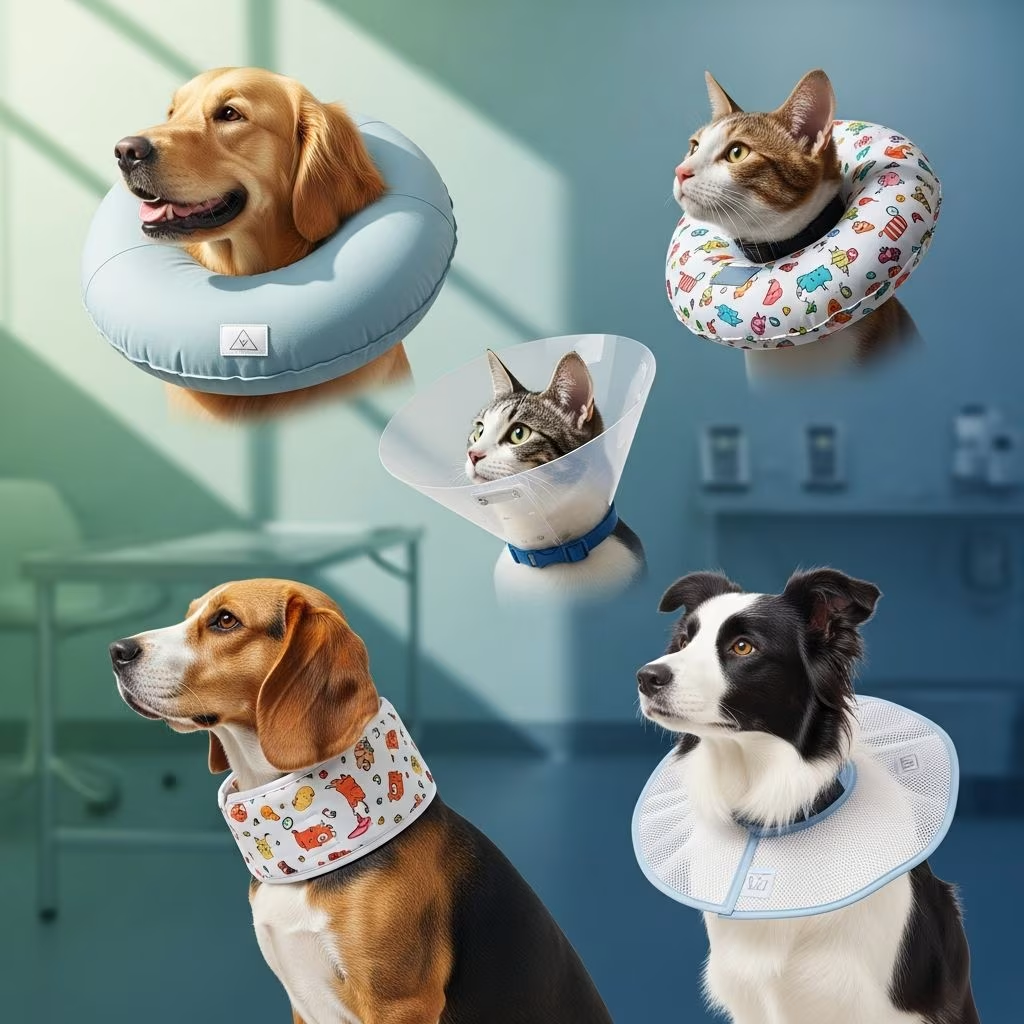
When your veterinarian recommends a protective collar following surgery or treatment, the classic plastic cone often comes to mind. While these traditional Elizabethan collars have served their purpose for decades, modern pet care has evolved to offer numerous alternatives that provide better comfort, improved mobility, and enhanced quality of life for recovering dogs. Understanding these options empowers pet owners to make informed decisions that balance wound protection with their dog’s wellbeing.
Understanding Why Standard Cones Present Challenges
The traditional cone, also known as an Elizabethan collar or E-collar, remains effective at preventing dogs from accessing wounds and licking incisions. However, pet owners frequently encounter significant drawbacks with this classic approach. Dogs wearing standard cones often experience restricted movement, difficulty eating and drinking, reduced peripheral vision, and psychological distress from the sensation of confinement.
Beyond the comfort issues for your pet, standard cones create practical challenges for households. The constant clattering against doorways, furniture, and walls disrupts daily life. Many dogs become frustrated and anxious, leading to behavioral changes during their recovery period. Additionally, the rigid plastic material can cause neck irritation and may feel cold or uncomfortable against your dog’s skin.
Recognizing these limitations, manufacturers have developed innovative solutions designed to maintain wound protection while addressing the specific concerns that make traditional cones problematic for both pets and their families.
Inflatable Collar Options for Gentle Protection
Inflatable recovery collars represent one of the most popular alternatives to traditional rigid cones. These soft, donut-shaped devices inflate to create a protective barrier around your dog’s neck while maintaining a much lighter and more comfortable fit.
The primary advantage of inflatable collars lies in their design philosophy. Unlike rigid cones that completely obstruct peripheral vision, inflatable options allow dogs to see their surroundings more naturally, which significantly reduces anxiety and disorientation during recovery. Dogs wearing inflatable collars typically experience less behavioral distress and adapt more quickly to their restricted movement.
Inflatable collars also facilitate normal eating and drinking. Because the collar sits lower on the neck and doesn’t extend forward like traditional cones, most dogs can access their food and water bowls independently, eliminating the frustration and messiness associated with standard cone feeding.
Key benefits of inflatable collars include:
- Improved field of vision compared to traditional cones
- Lighter weight reducing neck strain and fatigue
- Greater comfort with soft material against the neck
- Easier feeding and drinking without assistance
- Reduced household noise and furniture damage
- Lower risk of causing skin irritation
However, inflatable collars aren’t suitable for all situations. If your dog has particularly sharp claws or aggressive chewing tendencies, the material may be susceptible to puncture or deflation. Additionally, these collars may not provide adequate protection for determined self-lickers or for wounds located lower on the body where the collar’s protection becomes less effective.
Fabric and Soft E-Collar Designs
Soft fabric collars represent another category of alternatives that maintains the familiar cone shape while improving comfort significantly. These collars feature sturdy construction that can be more rigid or more flexible depending on the specific design and your dog’s needs.
Unlike plastic alternatives, fabric collars conform more gently to your dog’s neck while still preventing them from reaching wounds or incisions. Many soft collar designs include removable or adjustable components, allowing you to customize the level of restriction based on your dog’s specific recovery needs and behavior.
The flexibility of fabric collars presents both advantages and challenges. The adaptability allows better comfort and easier movement, but collapsible designs may not provide sufficient restriction for dogs determined to access their wounds. These collars work best for calmer dogs or those with wounds located where even reduced access is unlikely to cause serious problems.
Quality fabric collars typically feature machine-washable materials, making them easier to keep clean throughout your dog’s recovery period. Many include adjustable neck closures that prevent over-tightening while ensuring the collar remains secure.
Protective Recovery Suits and Bodysuits
For dogs recovering from abdominal surgery, chest procedures, or extensive body wounds, protective recovery suits offer comprehensive coverage that traditional neck-based collars cannot achieve. These garments function as an extension or alternative to neck collars by physically covering the affected area.
Recovery suits typically feature stretchy, breathable fabrics that accommodate various body shapes and sizes. Many designs include reinforced panels in high-stress areas and allow for easy bathroom access without removal. The coverage extends protection to the torso, sides, and rear, making them particularly effective for post-operative care following spaying, neutering, or abdominal surgeries.
One significant advantage of recovery suits involves psychological comfort. Many dogs feel more secure wearing clothing-like protection compared to the alien sensation of a neck collar. This psychological component can contribute to better rest and faster healing during the critical recovery period.
Considerations for recovery suits:
- Excellent for abdominal and torso wounds
- Provides temperature regulation and comfort
- Often worn in combination with neck collars for comprehensive protection
- Requires proper sizing to ensure adequate coverage
- May need frequent washing if worn during outdoor activities
- Higher cost compared to basic collar alternatives
- Less suitable for wounds on legs or paws
Specialized Protection: Limb Sleeves and Targeted Wraps
When dogs require protection for specific body regions like legs, paws, or tail areas, specialized sleeves and wraps offer targeted solutions. These focused protective devices allow your dog to maintain near-normal activities while protecting vulnerable areas from licking or chewing.
Limb sleeves work particularly well for dogs with paw licking habits, post-surgical leg injuries, or dermatological conditions affecting specific limbs. These stretchy sleeves slide over the affected leg and stay in place through compression and often include secure fastening mechanisms at the top.
Wrap-style protectors offer flexibility for different body regions and wound sizes. These adjustable solutions accommodate various anatomical shapes and can be tightened or loosened based on swelling changes during the recovery period. Many include moisture-wicking materials that help maintain skin health while preventing direct contact with the wound area.
Comparison Table: Recovery Protection Options
| Protection Type | Best For | Primary Advantages | Limitations | Typical Cost Range |
|---|---|---|---|---|
| Inflatable Collar | Neck surgery, general wound protection | Comfortable, improved vision, lightweight | May deflate if punctured; not for aggressive chewers | $15-$28 |
| Soft Fabric Collar | Dogs sensitive to rigid materials | Flexible, machine-washable, customizable rigidity | May collapse too easily; reduced protection | $20-$40 |
| Recovery Suit | Abdominal and torso wounds | Comprehensive coverage, psychological comfort | Higher cost; not suitable for leg wounds | $26-$50 |
| Rigid E-Collar | Aggressive chewers, severe wound prevention | Maximum protection, durable, proven design | Limited vision, difficult eating, noise, psychological stress | $14-$20 |
| Limb Sleeve | Specific leg or paw protection | Targeted protection, maintains mobility | Only suitable for limb wounds | $15-$35 |
Practical Selection Criteria for Your Dog
Choosing the appropriate recovery protection requires evaluating several factors specific to your dog’s situation. The nature and location of the wound or surgical site directly influences which options will prove most effective.
Consider these key factors:
- Wound Location: Neck wounds may benefit from soft collars, while abdominal surgery typically requires a recovery suit or combined approach
- Dog Temperament: Anxious dogs often do better with inflatable collars that maintain better vision; aggressive chewers require durable, rigid options
- Activity Level: Active dogs may tolerate recovery suits better than restrictive neck collars
- Supervision Level: Dogs under constant supervision may use collapsible fabric alternatives; unsupervised dogs need maximum protection
- Size and Breed: Small breeds may find standard cones disproportionately burdensome; large breeds need sturdy, durable options
- Recovery Duration: Short-term protection needs differ from extended recovery periods
- Budget Constraints: Basic rigid collars cost less than specialized recovery suits
Making the Transition Smooth
Regardless of which alternative you select, introducing your dog to their recovery protection requires patience and positive reinforcement. Begin by letting your dog wear the device for short periods while providing treats and praise, gradually extending wear time as they acclimate.
Maintaining comfort during recovery involves checking the fit regularly, as post-surgical swelling may require adjustments. Ensure the collar or suit doesn’t rub or create pressure points, particularly around sensitive areas of the neck or body.
Always consult with your veterinarian before purchasing any alternative protection device. Your vet understands your dog’s specific surgical needs and can recommend options most likely to succeed in your situation. Many veterinary clinics can provide guidance on proper fitting and usage to maximize effectiveness.
Frequently Asked Questions
Can inflatable collars prevent determined dogs from licking wounds?
Inflatable collars provide reasonable protection for most dogs, but highly motivated or determined self-lickers may still find ways to access wounds, particularly if located lower on the body. For these cases, combining an inflatable collar with a recovery suit offers better assurance of complete wound protection.
Are recovery suits suitable as a replacement for neck collars?
Recovery suits excel at protecting the covered areas but don’t restrict head or neck movement like collars do. For maximum protection against all self-injury attempts, veterinarians often recommend using both options in combination during critical recovery phases.
How long does a dog typically need protective devices?
Recovery duration varies based on the type of surgery or wound and your dog’s healing progress. Most post-surgical cases require protection for 10-14 days, though some conditions require longer. Your veterinarian will provide specific recommendations for your dog’s situation.
Can I leave my dog unattended while wearing a protective device?
Yes, properly fitted alternatives are designed for extended wear, including overnight periods. However, monitor your dog regularly to ensure the device hasn’t shifted, caused chafing, or become uncomfortable. Never leave a dog unattended if you suspect any issues with fit or comfort.
Will protective devices interfere with wound healing?
When properly fitted and maintained, protective devices support healing by preventing self-trauma to incisions and wounds. They create an environment where natural healing processes can proceed without interruption from licking or chewing.
References
- Cone of Shame Alternatives — ManyPets. 2025. https://manypets.com/us/blog/pet-cone-alternatives/
- Best Dog Cone of Shame Alternatives 2025 — Smart Bark. 2025. https://www.smartbark.co.uk/post/dog-cone-of-shame
- Cone of Shame: What It Is and Cone Alternatives — PetMD. https://www.petmd.com/dog/general-health/cone-of-shame-what-it-is-and-cone-alternatives



